

Hear from Our Customers

You’re tired of looking at that cracked concrete slab or uneven brick that shifts every winter. A properly installed paver patio transforms your backyard into the space you actually want to use—whether that’s morning coffee, weekend barbecues, or evening conversations around a fire pit.
The difference isn’t just how it looks on day one. It’s how your patio performs year after year through Gordon Heights’ weather patterns. No more water pooling after storms. No more pavers that rock when you step on them. No more weeds sprouting through loose joints.
When your patio installation addresses Long Island’s specific challenges—sandy soil, coastal moisture, drainage issues—you get an outdoor space that works as hard as you do.
We’ve been installing paver patios across Suffolk and Nassau Counties for over 15 years. Owner Iain Traynor brings union masonry experience and a carpenter’s attention to detail to every Gordon Heights project.
We’re not the guys who show up, lay some pavers, and disappear. Iain is on every job site from start to finish because he understands what happens when corners get cut on Long Island installations. Sandy soil settles differently. Coastal moisture creates different drainage challenges. Freeze-thaw cycles test every joint and edge.
That’s why we excavate to 8-10 inches, use proper base layering, and install edge restraints that actually hold. Gordon Heights homeowners choose us because we handle the technical stuff right the first time.
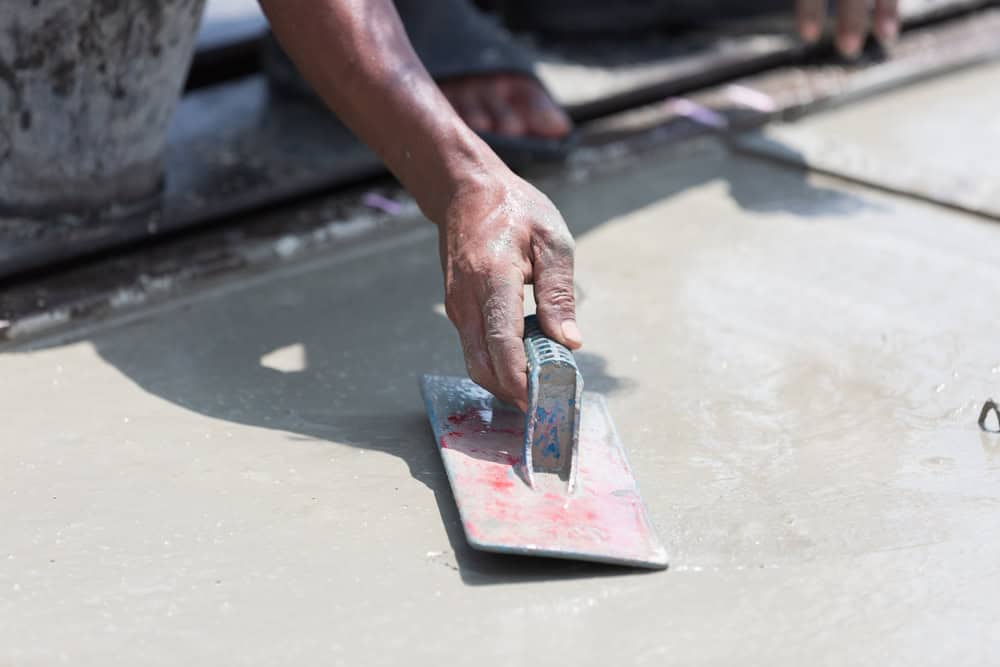
First, we assess your specific site conditions—soil type, drainage patterns, and how water moves around your property. This isn’t a cookie-cutter approach because Gordon Heights properties have unique challenges.
Next comes excavation and base preparation. We dig down 8-10 inches (sometimes deeper if we find problematic soil), install proper drainage layers, and compact everything to manufacturer specifications. The base work determines whether your patio lasts 5 years or 25 years.
Then we install your chosen pavers with precise edge restraints and polymeric sand joints. Every step addresses Long Island’s climate—from the base materials we select to the final sealing process. You get a patio that handles whatever weather Gordon Heights throws at it.

Ready to get started?
We work with Cambridge, Techo-Bloc, Unilock, Nicolock, Eldorado, and Boral—manufacturers that understand Northeast climate challenges. These aren’t just pretty pavers; they’re engineered for freeze-thaw cycles and coastal conditions.
For Gordon Heights installations, we often recommend permeable pavers that help manage the area’s drainage challenges while reducing runoff. Sandy soil drains quickly, but proper paver selection ensures water moves where it should without undermining your patio’s foundation.
Your material choice affects everything from long-term maintenance to how well your patio integrates with Gordon Heights’ natural landscape. We’ll walk you through options that make sense for your specific site, budget, and how you plan to use the space.

Most Gordon Heights paver patio installations take 3-5 days, depending on size and site conditions. The timeline includes proper excavation, base preparation, and installation—we don’t rush the foundation work that determines how well your patio performs long-term.
Weather can affect scheduling, especially during Long Island’s wet seasons. We’d rather delay a day than install pavers on compromised base materials. Sandy soil in Gordon Heights generally works in our favor for drainage, but we still need proper conditions for compaction and base preparation.
Paver patios handle Gordon Heights’ freeze-thaw cycles much better than concrete slabs. When ground movement occurs, individual pavers can shift slightly and settle back into place. Concrete cracks and stays cracked.
Pavers also offer better drainage options for Long Island’s sandy soil conditions. Water can move through joints instead of pooling on the surface. If you ever need to access utilities or make changes, pavers can be lifted and reset—try doing that with a concrete slab.
Plus, if one paver gets damaged or stained, you replace that piece. With concrete, you’re looking at patching or replacing the entire slab.
Sandy soil actually offers some advantages for paver installations when handled correctly. It drains well naturally, which reduces water-related foundation issues that plague other soil types.
However, sandy soil requires specific base preparation techniques. We use proper gradation of crushed stone and ensure adequate compaction to prevent settling. The key is understanding how Gordon Heights’ soil behaves and designing the base system accordingly.
We’ve installed hundreds of paver patios on Long Island’s sandy soil conditions. The installations that last are the ones where contractors understand soil mechanics and don’t cut corners on base preparation.
Drainage starts with proper site grading—we create a 1-2% slope that directs water away from your home and toward appropriate drainage areas. This translates to about 1/4 inch drop per foot of patio length.
For Gordon Heights properties with challenging drainage, we often integrate permeable pavers or install subsurface drainage systems. Sandy soil helps with natural infiltration, but we still need to control where water goes during heavy rainfall events.
Every installation includes proper edge restraints and polymeric sand joints that prevent water from undermining the patio base. We’re not just building a pretty surface—we’re creating a drainage-friendly hardscape that works with Gordon Heights’ soil conditions.
Gordon Heights paver patio costs typically range from $15-35 per square foot, depending on materials, site conditions, and design complexity. Basic concrete pavers with standard installation start around $15-20 per square foot. Premium natural stone or complex patterns can reach $25-35 per square foot.
Site-specific factors affect pricing—challenging drainage conditions, extensive excavation needs, or access limitations can increase costs. We provide detailed estimates that break down materials, labor, and any site-specific requirements for your Gordon Heights property.
Remember, the lowest bid often means corners get cut on base preparation or materials quality. Proper installation costs more upfront but saves money over the patio’s lifetime through reduced maintenance and repairs.
Long Island paver patios need seasonal attention to handle freeze-thaw cycles and coastal moisture. Spring inspections help identify any winter damage—look for shifted pavers, joint sand loss, or drainage issues that developed over winter.
Annual resealing protects against salt damage from winter deicing and helps maintain color consistency. We recommend professional sealing every 2-3 years for Gordon Heights installations, depending on exposure and traffic levels.
Keep joints filled with polymeric sand to prevent weed growth and maintain structural integrity. Regular cleaning and prompt stain removal help your investment look its best. Most maintenance tasks are straightforward, but we’re always available for guidance or professional service when needed.