Paver Patio in East Quogue

Your Backyard Deserves Better Than Basic

Transform your outdoor space with a custom paver patio designed for Long Island’s unique challenges and built to last decades.
Worker using a yellow plate compactor on soil next to newly laid gray stone tiles. The setup shows the process of flooring with tiles on one side and compacted earth on the other. Worker visible from the waist down.

Hear from Our Customers

A person wearing yellow gloves is placing a gray paver on a partially completed paved area. Nearby are additional pavers, a black and yellow rubber mallet, and an orange tape measure. Sand is visible next to the paved section.

Professional Paver Patio Installation East Quogue

Finally, An Outdoor Space Worth Using
You’re tired of looking at that bland backyard. You want a space where you can actually relax after work, host weekend barbecues, and feel proud when neighbors walk by.A properly installed paver patio changes everything. No more muddy patches when it rains. No more uneven surfaces that wobble your patio furniture. Just a solid, beautiful foundation for the outdoor living you’ve been planning.The difference is in the details most contractors skip. We excavate 8-10 inches deep because East Quogue’s sandy soil demands it. We install proper drainage because coastal moisture will find every weak spot. We use certified materials from Cambridge and Techo-Bloc because you’re investing in something that should outlast your mortgage.

Licensed Paver Contractor East Quogue NY

We Actually Know East Quogue Soil
Stone Escapes has been handling Long Island’s tricky soil conditions since day one. Owner Iain Traynor brings union masonry experience and understands what separates a patio that lasts from one that fails in three years.We’re licensed in Suffolk County and certified by the manufacturers whose materials we install. That means when we recommend Cambridge pavers over generic alternatives, or insist on specific base preparation, it’s backed by both experience and warranty requirements.You won’t get handed off to a different crew each week. Iain handles estimates personally and stays involved through completion. No project portals or automated updates—just direct communication with people who know your job by name.
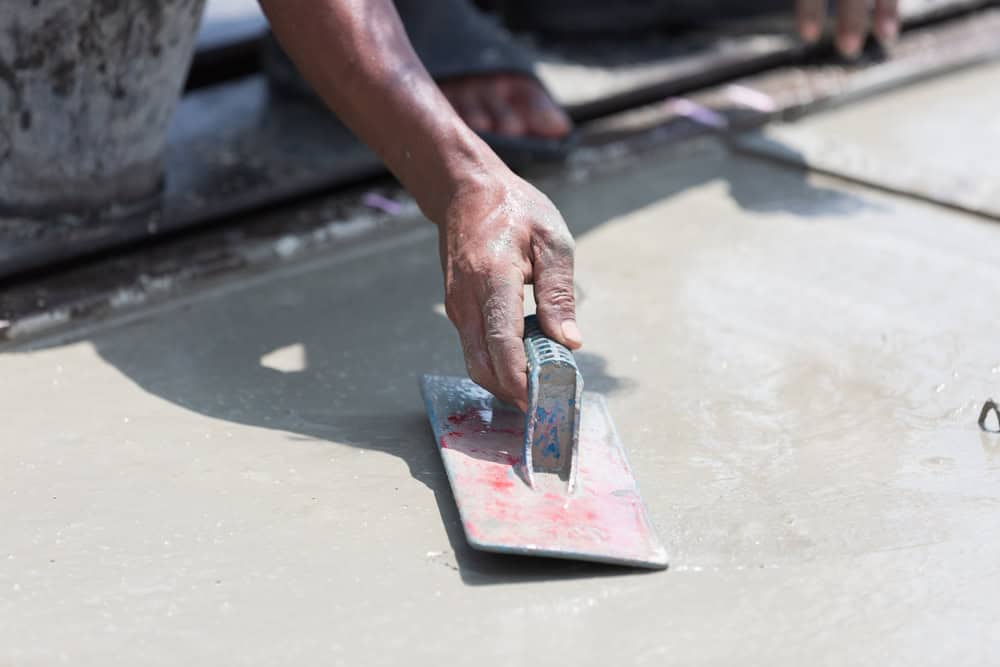
A person smoothing wet cement with a trowel. Their hand is steady as they work on the surface. The setting appears to be outdoors on a construction site.

Paver Patio Installation Process East Quogue

Here's How We Handle Your Project
First, we meet you on-site for a real estimate. Iain walks your property, tests soil conditions, and identifies drainage considerations most contractors miss. You get specific recommendations, not generic pricing.Excavation comes next—typically 8-10 inches deep, sometimes more if we hit soft spots or old fill dirt. We remove everything that shouldn’t be there and install geotextile fabric to separate your new base from questionable soil below.Base preparation is where shortcuts kill projects. We install crushed stone in lifts, compacting each layer until it meets manufacturer specifications. Then comes bedding sand, paver installation, and joint sand—all done to prevent the settling and shifting that plague rushed jobs.The final step is edge restraint installation. This isn’t decorative—it’s structural. Proper restraints keep your patio locked in place when freeze-thaw cycles try to shift things around.

A worker in a gray shirt and cap kneels on a partially paved surface, carefully placing a brick into an arrangement. A trowel and a leveling tool lie on the sand beside him, and a rubber mallet is nearby.

Ready to get started?

Explore More Services

About Stone Escapes Masonry & Outdoor Design

Get a Free Consultation

East Quogue Paver Patio Materials Options

Materials That Actually Work Here
Not every paver works in East Quogue’s coastal environment. We stick with proven performers: Cambridge, Techo-Bloc, Unilock, and Nicolock systems that handle salt air and temperature swings.Interlocking pavers offer the best combination of durability and repairability. If a section ever needs attention, we can lift and reset individual pavers without tearing up the entire patio. Compare that to stamped concrete, which cracks as one big slab.Your base gets the same attention as your surface. We use specific stone gradations that drain properly while maintaining stability. The bedding sand is coarse and sharp—not the fine stuff that shifts over time. Joint sand is polymeric when appropriate, creating weather-resistant bonds between pavers.Color and pattern choices depend on your home’s style and your intended use. Darker pavers hide stains better but show dust. Larger format pavers mean fewer joints but require more precise base preparation. We’ll walk through options that make sense for your specific situation.
A pattern of interlocking gray concrete pavers, neatly arranged. Some pavers are stacked in piles of various heights, creating a visual texture. The blocks vary in size and shape, forming a symmetrical and geometric design.

How deep do you excavate for paver patios in East Quogue?

We typically excavate 8-10 inches below the finished paver surface, but East Quogue’s sandy soil often requires going deeper. If we hit soft spots, old fill dirt, or areas that “pump” when walked on, we keep digging until we reach stable material.This isn’t about following a standard playbook—it’s about responding to what your specific site demands. Sandy soil drains well but doesn’t provide the stability that clay soils offer. We compensate with deeper excavation and more substantial base preparation.The extra depth accommodates 4-6 inches of compacted stone base, 1-2 inches of bedding sand, and the paver thickness. Skipping this step to save money upfront guarantees expensive repairs later when sections start settling unevenly.
East Quogue’s coastal location creates unique drainage challenges. Salt air accelerates material breakdown, while freeze-thaw cycles can shift improperly drained surfaces. Sandy soil drains quickly but doesn’t hold pavers in place without proper restraint systems.We grade all patios with a minimum 1/4 inch per foot slope away from your home. In areas where natural drainage is compromised, we install subsurface drainage systems or French drains to handle water that penetrates through joints.The key is preventing water from pooling under your patio base. Even though sandy soil drains better than clay, trapped water can still wash away fine particles and create voids that lead to settling. Our base preparation includes geotextile fabric specifically to prevent this migration.
Most residential paver patios take 3-5 days from excavation to final cleanup, assuming good weather and no unexpected site conditions. Larger or more complex projects with multiple elevations, built-in features, or challenging access can extend this timeline.Weather plays a bigger role than most homeowners expect. We won’t install pavers on frozen ground or in active rain, as both compromise base stability. East Quogue’s coastal weather can be unpredictable, so we build buffer time into our schedules.The timeline also depends on your material choices and site preparation requirements. If we discover drainage issues or unstable soil during excavation, addressing these problems properly takes additional time but prevents future failures. We’d rather extend the schedule than deliver a project that won’t last.
The difference is in base preparation and material quality. Cheaper contractors often excavate to minimal depths, skip geotextile fabric, and use inferior base materials. These shortcuts show up as settling, shifting, and premature failure within 2-3 years.We’re certified installers for Cambridge, Techo-Bloc, and other premium manufacturers. This certification requires following specific installation standards that protect both your investment and our warranty coverage. Uncertified contractors can’t offer genuine manufacturer warranties.Our crew consistency also matters. You get the same experienced team from start to finish, not whoever shows up that day. Iain personally handles estimates and project oversight, ensuring details don’t get lost between sales and installation phases.
Most residential paver patios in East Quogue don’t require permits, but we’ll verify requirements with local building departments when necessary. Projects involving significant grading, drainage modifications, or structures like retaining walls may trigger permit requirements.We’re licensed in Suffolk County and familiar with local regulations. If permits are needed, we handle the application process and coordinate any required inspections. This ensures your project meets code requirements and doesn’t create issues when you sell your home.Some homeowner associations have additional requirements for outdoor improvements. We can work with your HOA to ensure design and material choices meet their guidelines while still delivering the functionality and appearance you want.
East Quogue’s coastal environment requires more attention than inland locations. Salt air can accelerate efflorescence (white residue) on some pavers, while freeze-thaw cycles can shift joint sand over time. Plan on annual cleaning and joint sand touch-ups.Sealing isn’t always necessary but can help in high-traffic areas or with porous stone materials. We’ll recommend sealing schedules based on your specific paver choice and exposure conditions. Over-sealing can trap moisture and cause problems, so timing and product selection matter.Weed prevention starts with proper installation—tight joints filled with quality polymeric sand resist weed growth better than loose sand. If weeds do appear, address them quickly before root systems can displace pavers. We provide specific maintenance guidelines based on your installation materials and site conditions.