
Patio Pavers in Copiague, NY

Transform Your Backyard Into Something Special

Custom patio pavers designed and installed right the first time by Long Island masonry experts.

Worker using a yellow plate compactor on soil next to newly laid gray stone tiles. The setup shows the process of flooring with tiles on one side and compacted earth on the other. Worker visible from the waist down.

Hear from Our Customers

A person wearing yellow gloves is placing a gray paver on a partially completed paved area. Nearby are additional pavers, a black and yellow rubber mallet, and an orange tape measure. Sand is visible next to the paved section.

Professional Paver Installation Services

What You Get With Quality Pavers

Your backyard becomes the place everyone wants to spend time. No more looking at that cracked concrete or patchy grass area wondering what could be.

Quality patio pavers give you a space that works for morning coffee, weekend barbecues, or just somewhere to sit outside without worrying about uneven surfaces or puddles after rain. The right installation means your patio looks great year after year, even through Long Island winters.

You’re not just getting pavers installed. You’re getting an outdoor room that adds real value to your home and actually gets used by your family.

Copiague Masonry and Paving Experts

We Know Long Island Outdoor Spaces

Stone Escapes Masonry & Outdoor Design Inc has been creating outdoor spaces that last throughout Long Island. We understand what works here – from proper base preparation that handles our freeze-thaw cycles to drainage that keeps your patio functional through heavy rains.

We’re not the cheapest option, and that’s intentional. You’re investing in materials that won’t shift or crack, installation techniques that prevent future problems, and expertise that comes from years of working with Long Island soil conditions and weather patterns.
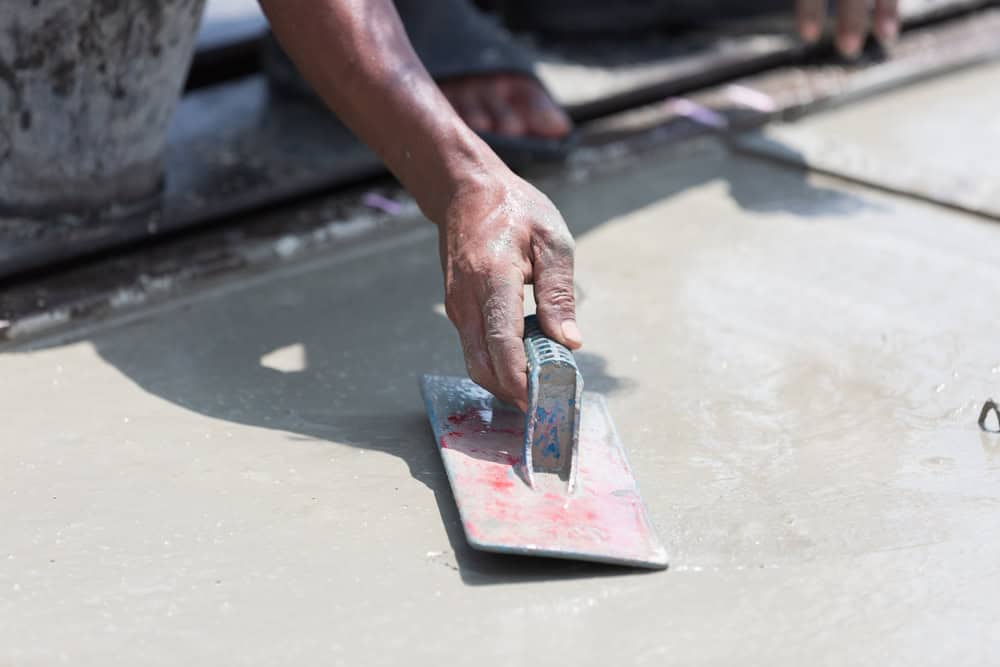
A person smoothing wet cement with a trowel. Their hand is steady as they work on the surface. The setting appears to be outdoors on a construction site.

Our Paver Installation Process

How We Handle Your Project

First, we meet at your property to discuss what you want and assess the space. We’ll talk about how you plan to use the area, drainage considerations, and design options that work with your home and budget.

Next comes excavation and base preparation – the part that determines whether your pavers will still look great in ten years. We excavate to proper depth, install the right base materials, and ensure proper grading for drainage.

Then we install your pavers according to manufacturer specifications and industry best practices. This includes proper edge restraints, joint sand, and final compaction. You can use your new patio immediately – no waiting for concrete to cure.

A worker in a gray shirt and cap kneels on a partially paved surface, carefully placing a brick into an arrangement. A trowel and a leveling tool lie on the sand beside him, and a rubber mallet is nearby.

Ready to get started?

Explore More Services

About Stone Escapes Masonry & Outdoor Design

Get a Free Consultation

Complete Patio Paver Solutions

What's Included in Every Project

Every paver installation includes proper excavation, base preparation with the right materials for Long Island conditions, and professional installation that follows manufacturer guidelines. We handle permits when required and coordinate with utility marking services.

You get design consultation to help you choose materials and patterns that work with your home’s style and your budget. We source quality pavers from established manufacturers and can show you samples at your property so you see how they look in your actual lighting conditions.

All work includes cleanup and a walkthrough to ensure everything meets your expectations. We explain proper maintenance and provide information about your material warranties.

A pattern of interlocking gray concrete pavers, neatly arranged. Some pavers are stacked in piles of various heights, creating a visual texture. The blocks vary in size and shape, forming a symmetrical and geometric design.

How long do patio pavers last compared to concrete?

Quality pavers typically last 25-50 years with proper installation and minimal maintenance, while concrete patios often show cracking and settling issues within 5-10 years, especially in Long Island’s climate. Pavers handle freeze-thaw cycles better because individual units can move slightly without cracking, and if one paver gets damaged, you can replace just that piece rather than breaking up an entire concrete slab. The key is proper base preparation – when installed correctly, pavers actually get more stable over time as the base settles and compacts.
The base preparation makes or breaks any paver project. Quality installation means excavating to proper depth (usually 8-12 inches depending on soil conditions), installing the right base materials in correct layers, and ensuring proper drainage and compaction at each stage. Cheap installations often skip steps – inadequate excavation, wrong base materials, or poor compaction leads to settling, shifting, and premature failure. You’ll also see differences in edge restraints, joint sand quality, and whether the installer follows manufacturer specifications. The installation matters more than the pavers themselves.
Paver patio costs in the Long Island area typically range from $15-30 per square foot installed, depending on the paver type, site conditions, and project complexity. A basic 12×16 patio might run $3,000-5,000, while larger or more complex projects with premium materials can reach $8,000-15,000 or more. Factors that affect cost include excavation requirements, drainage needs, access to your backyard, and design complexity. We provide detailed written estimates that break down materials and labor so you know exactly what you’re paying for.
Most basic paver patios don’t require permits in Long Island municipalities, but larger projects or those involving significant grading, drainage changes, or proximity to property lines might need approval. Projects over certain square footage thresholds sometimes require permits, and any work that affects drainage patterns or involves retaining walls typically needs review. We’re familiar with local requirements and will let you know if permits are needed for your specific project. When permits are required, we can handle the application process and ensure all work meets code requirements.
Pavers can sometimes be installed over existing concrete if the concrete is in good condition – level, stable, and properly draining. However, this approach has limitations and isn’t always the best long-term solution. If the existing concrete has cracks, settling, or drainage issues, those problems will likely affect the pavers over time. The concrete also needs to be at the right height to accommodate the pavers without creating drainage problems or awkward transitions to other surfaces. In many cases, removing the old concrete and doing proper base preparation gives you a better result that lasts longer.
Paver maintenance is straightforward – occasional sweeping, rinsing with a hose, and reapplying joint sand every few years as needed. You might need to add polymeric sand to joints if it washes out over time, and sealing every 3-5 years helps maintain color and makes cleaning easier, though it’s not required for structural integrity. Individual pavers can be lifted and reset if they settle slightly, and stains usually come out with appropriate cleaners. The main thing is keeping joints filled with sand to prevent weed growth and maintain stability. Overall, pavers require less maintenance than concrete, which can crack and stain permanently.