

Hear from Our Customers

Forget about concrete slabs that crack every winter. Your new paver patio moves with Long Island’s ground shifts instead of fighting them. Each piece works independently, so when temperatures drop and the soil moves, your surface stays level and intact.
Water flows through the joints instead of pooling on top, protecting your foundation during those heavy summer storms we get here. You’ll have a space that looks great year after year, not one that needs constant patching and repairs.
The right installation means decades of low-maintenance outdoor living. No more avoiding your back patio because it’s become an eyesore.
We’ve been solving Long Island’s outdoor construction challenges for over 15 years. Owner Iain Traynor handles every estimate personally and stays on-site throughout your project—no subcontractors, no miscommunication.
We’re licensed in Suffolk County, Nassau County, Southampton, and East Hampton because we understand the local building requirements and soil conditions that affect your project. Baywood’s sandy soil and coastal moisture require specific construction techniques that many contractors skip.
Our team holds certifications from Cambridge, Techo-Bloc, Unilock, Nicolock, and other top manufacturers. When you call, you’ll speak directly with Iain or manager Meagan—the people making decisions about your project.
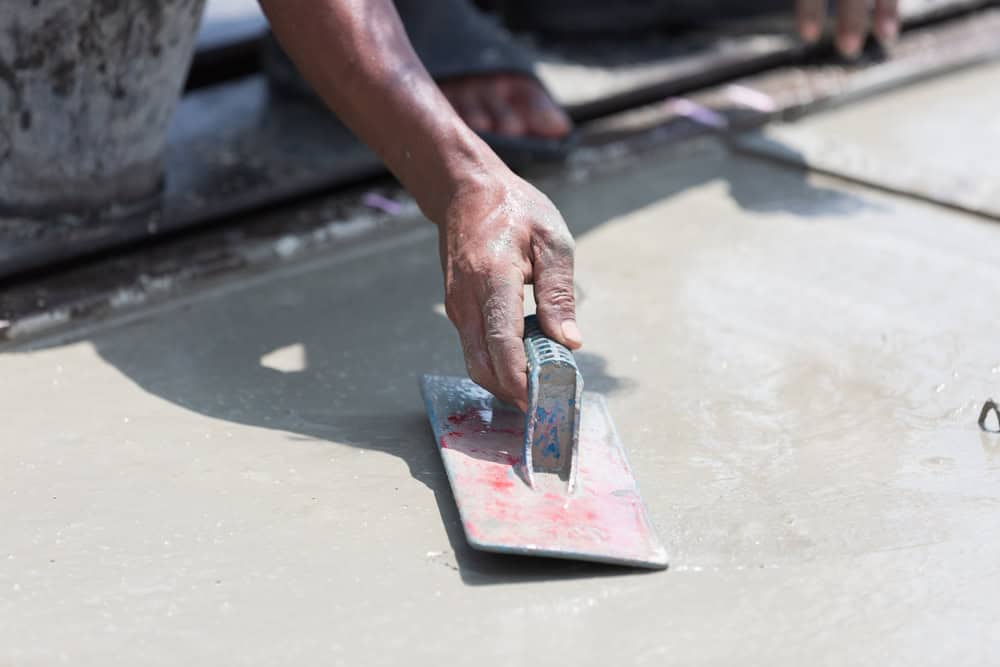
We start by excavating 8-10 inches below the surface, going past Long Island’s frost line to prevent winter movement. This isn’t optional here—it’s what separates patios that last from ones that shift and crack.
Next comes the base: 4-6 inches of crushed stone, compacted in layers. Each layer gets proper attention because this foundation determines how your patio handles weather changes for the next 30 years. We grade everything for drainage, sloping away from your home so water moves where it should.
The pavers go down on a leveled sand bed with proper edge restraints to lock everything in place. We use polymeric sand in the joints, which hardens to prevent weeds and washing but stays flexible enough to handle ground movement. Final compaction ensures everything sits tight and level.

Ready to get started?
Your paver patio installation covers complete site preparation, including excavation, proper base layering, and drainage planning. We handle permits when needed and work around existing utilities, irrigation, and landscaping without creating problems.
Material selection includes pavers designed for Northeast weather—not the cheap options that crack after two winters. We stock Cambridge, Techo-Bloc, and other manufacturers that engineer their products for freeze-thaw resistance. Color and pattern choices that complement Baywood’s architectural styles, from traditional colonials to contemporary designs.
In Suffolk County, we deal with specific challenges: sandy soil that needs proper compaction, coastal moisture that affects material selection, and local building codes that vary by township. Your installation includes edge restraints, proper joint sand, and final sealing to protect your investment from day one.

Properly installed paver patios handle freeze-thaw cycles much better than concrete because each paver moves independently. When the ground shifts during winter, individual pavers can adjust without cracking the entire surface.
The key is excavating below the frost line and building a proper base with adequate drainage. We dig 8-10 inches deep and use compacted crushed stone layers that resist ground movement. Edge restraints keep everything locked in place while allowing for natural expansion and contraction.
Concrete slabs crack because they’re rigid—when the ground moves, something has to give. Pavers flex with ground movement and settle back into place when conditions stabilize.
The base preparation makes or breaks a paver patio. DIY installations typically skip proper excavation depth, use insufficient base material, or don’t compact layers correctly. These shortcuts show up within 2-3 years as shifting, sinking, or uneven surfaces.
Professional installation means excavating to proper depth for Long Island conditions, building a compacted base that handles ground movement, and installing edge restraints that actually work. We also handle drainage planning, which prevents the water issues that destroy DIY projects.
Material quality matters too. We use pavers engineered for Northeast weather and polymeric sand that hardens but stays flexible. Home improvement store materials often aren’t designed for our climate conditions.
Most residential paver patio installations take 3-5 days, depending on size and complexity. Day one is excavation and base preparation. Days two and three involve base compaction, leveling, and paver installation. Final day covers joint sand, compaction, and cleanup.
Weather can extend timelines—we don’t install pavers in rain or when temperatures are too low for proper compaction. Spring and fall installations sometimes face scheduling delays due to ground conditions, but we’ll communicate any changes immediately.
Complex projects with multiple levels, built-in features, or challenging access take longer. During your estimate, we’ll give you a realistic timeline based on your specific project requirements and current weather conditions.
Most paver patio installations don’t require permits in Suffolk County, but some situations do. Projects near property lines, those involving drainage changes, or installations over a certain size may need approval from your township.
We handle permit applications when required and know the specific requirements for different Suffolk County townships. Some areas have setback requirements or stormwater management rules that affect design and installation methods.
During your estimate, we’ll review your property and let you know if permits are needed. It’s better to handle this upfront than deal with township issues later. We’ve worked with local building departments for over 15 years and know what triggers permit requirements.
Baywood’s proximity to the coast means dealing with salt air, humidity, and temperature fluctuations that affect material performance. We recommend concrete pavers from Cambridge, Techo-Bloc, or Unilock that are specifically engineered for Northeast coastal conditions.
These manufacturers design their pavers to resist freeze-thaw damage and salt corrosion. Natural stone options like bluestone also perform well but require different installation techniques. Avoid cheap concrete pavers or materials not rated for severe weather conditions.
Color selection matters for coastal installations. Darker colors absorb more heat and can become uncomfortable during summer, while lighter colors reflect heat but may show salt residue more easily. We’ll help you choose materials that balance aesthetics with practical performance for your specific location and usage.
Sandy soil actually helps with drainage, but it requires specific base preparation techniques to prevent settling and shifting. We compact the base in thinner layers and use proper gradation of stone sizes to create a stable foundation that won’t wash out.
The key is building proper slope away from your home and ensuring water has a clear path to move off the patio surface. We install edge drainage when needed and can add French drains or other subsurface drainage for problem areas.
Sandy soil also means we need to pay attention to edge restraint installation. Without proper support, paver edges can shift over time as sand moves. We use commercial-grade edge restraints anchored properly for Long Island soil conditions, not the plastic strips that fail within a few years.