

Hear from Our Customers

Your new paver patio becomes the place where everything happens. Weekend barbecues, quiet morning coffee, evening conversations that stretch past sunset.
No more avoiding your backyard because it’s just boring concrete or patchy grass. No more worrying about water pooling after every storm or pavers shifting because someone cut corners on the foundation.
You get a space that works with Amityville’s unique conditions instead of fighting them. Sandy soil that drains properly. Materials that expand and contract with Long Island’s weather without cracking. A surface that stays level and beautiful for decades, not years.
We’ve been handling Suffolk County’s sandy soil and drainage challenges for years. We’re not some fly-by-night crew that learned paver installation from YouTube.
Owner Iain Traynor comes from union masonry work and stays involved in every estimate and installation. We’re certified by Cambridge, Techo-Bloc, Unilock, and other major manufacturers because we actually know how their products perform in coastal conditions.
When we dig 8-10 inches for your foundation and plan proper drainage, it’s because we’ve seen what happens when contractors take shortcuts in Amityville. Your patio gets built once, and it gets built right.
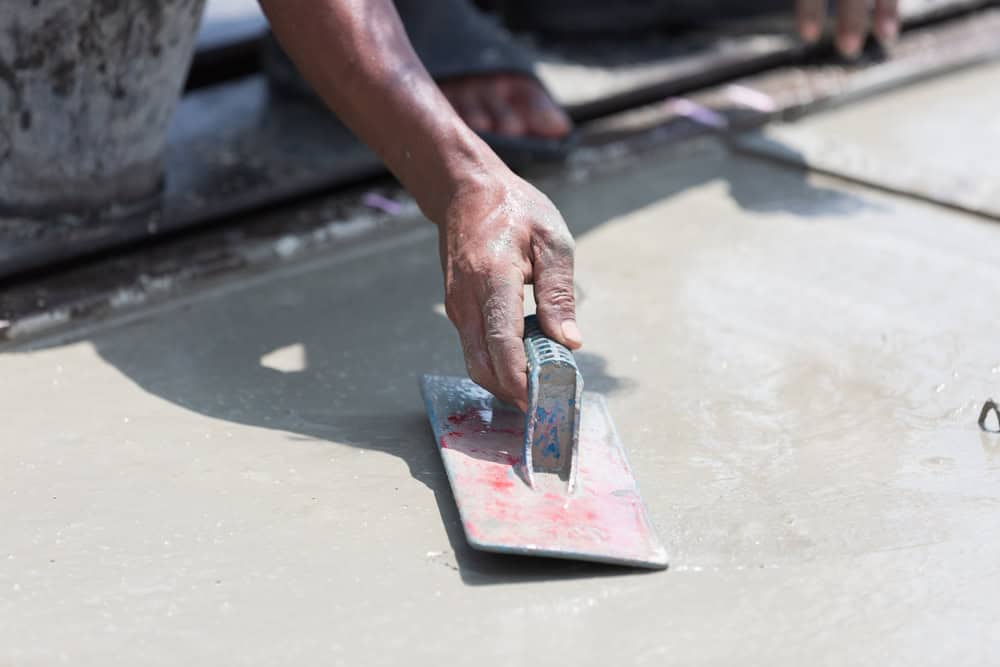
We start with an in-person estimate where Iain assesses your space, drainage patterns, and soil conditions. No generic quotes or guesswork.
Excavation goes 8-10 inches deep to handle Long Island’s freeze-thaw cycles. We install proper base materials and drainage planning specific to sandy soil conditions. Edge restraints prevent shifting over time.
Your pavers get laid with precision spacing and proper joint sand. We compact everything correctly and clean up completely. You get direct communication throughout, not some project manager who’s never touched a paver.

Ready to get started?
Your paver patio installation includes everything needed for Long Island conditions. Proper excavation, base preparation, drainage solutions, edge restraints, and precision installation using materials designed for coastal environments.
We work with Cambridge, Techo-Bloc, Unilock, Nicolock, and other certified manufacturers. These aren’t big-box store pavers that crack after two winters. You get materials engineered for Suffolk County’s sandy soil, moisture levels, and temperature swings.
Amityville properties deal with specific drainage challenges that require technical knowledge. We’ve perfected our approach over years of working in this area. Your foundation stays stable through heavy rains and freeze-thaw cycles because we understand how water moves through sandy soil.

Quality pavers installed correctly can last 25-50 years in Amityville, with some natural stone options lasting even longer. The key is professional installation with proper base preparation.
Long Island’s freeze-thaw cycles destroy poorly installed patios, but properly installed pavers with correct drainage actually handle these conditions better than concrete slabs. Sandy soil helps with drainage when the foundation is built right.
We excavate 8-10 inches and use proper base materials specifically because of local conditions. Shortcuts might save money upfront, but they cost thousands in repairs later.
Sandy soil requires specific techniques that many contractors don’t understand. While sand drains well, it also shifts easily without proper foundation work and edge restraints.
We use deeper excavation and specialized base materials to create stability in sandy conditions. Edge restraints are crucial to prevent pavers from spreading outward over time. The drainage planning has to account for how water moves through sand versus clay soil.
Many contractors from other areas try to use the same techniques they’d use in clay soil. That doesn’t work in Amityville. We’ve developed our methods specifically for Suffolk County’s soil conditions.
Most paver patios in Amityville range from $10-20 per square foot installed, depending on materials and complexity. A typical 300 square foot patio runs $3,000-6,000.
The final cost depends on your material choice, site conditions, and any additional features like drainage solutions or retaining walls. Natural stone costs more than concrete pavers, but both last decades longer than stamped concrete.
We provide detailed estimates that break down materials, labor, and site preparation costs. No surprises or change orders halfway through the project.
Proper drainage is critical for any patio in Amityville, but it’s especially important with sandy soil conditions. Water needs somewhere to go, and sand can create unexpected drainage patterns.
We assess your property’s natural drainage during the estimate. Most patios need proper grading and sometimes additional drainage solutions depending on your yard’s layout and how water flows during storms.
The good news is that pavers allow water to percolate through joints, unlike solid concrete. Combined with proper base preparation, this creates a system that handles Long Island’s weather patterns effectively.
Cheaper contractors cut corners on excavation depth, base materials, and drainage planning. They might save you money upfront, but you’ll pay for repairs within a few years.
We excavate 8-10 inches minimum and use proper base materials because that’s what works in Long Island conditions. Our edge restraints prevent shifting. Our drainage planning prevents water damage.
The owner stays involved in your project from estimate to completion. You’re not dealing with different crews or project managers who don’t know your specific installation details.
Properly installed pavers handle freeze-thaw cycles much better than concrete slabs. Individual pavers can expand and contract independently without cracking the entire surface.
Concrete patios crack when water gets underneath and freezes. Once you have cracks, water penetration gets worse each winter until you need complete replacement.
Pavers installed with proper base work and drainage shed water effectively and flex with temperature changes. If individual pavers ever need replacement, we can swap them out without redoing the entire patio.