
Hear from Our Customers
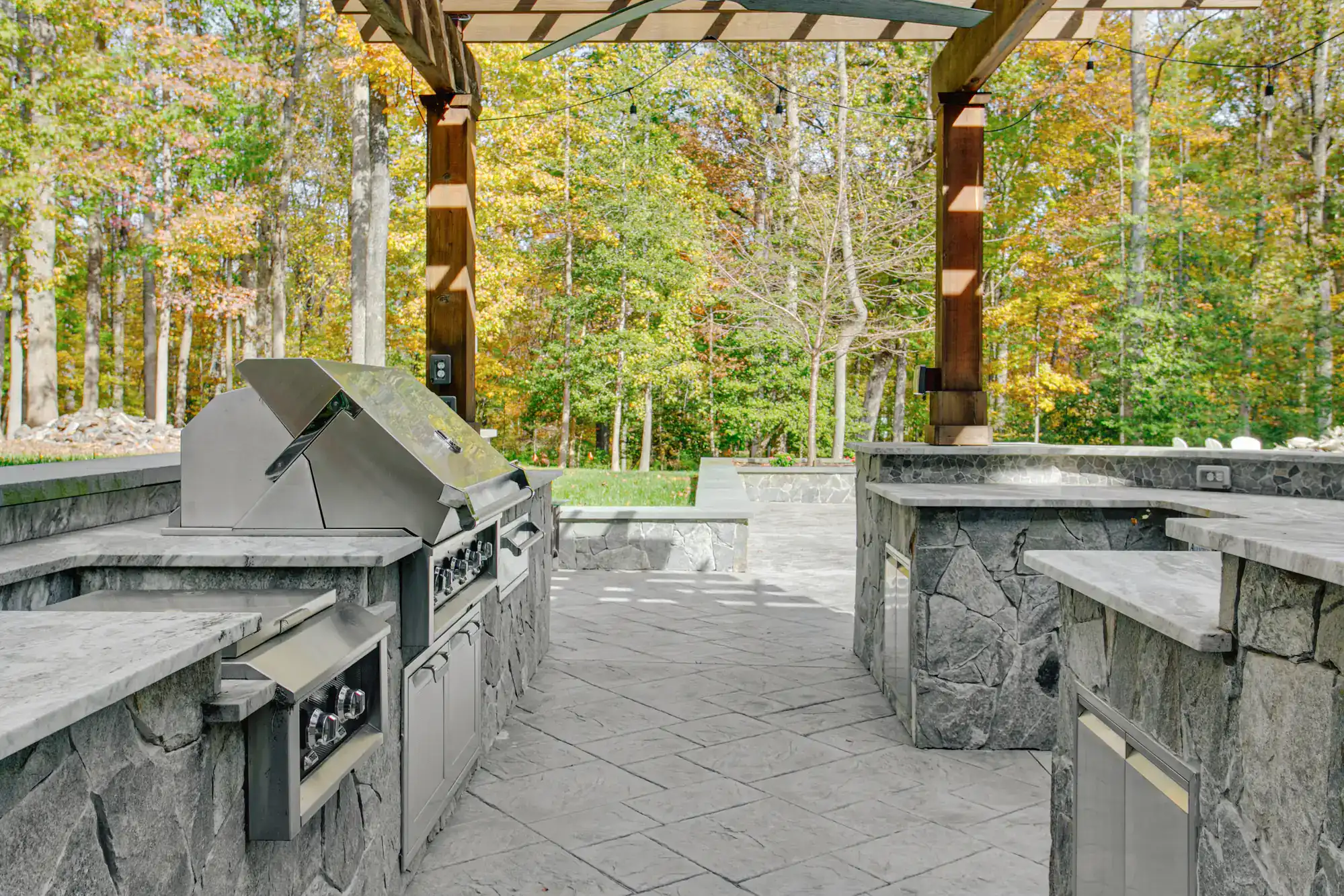
Picture this: you’re grilling perfect steaks while your guests gather around the bar seating, drinks in hand, conversation flowing. No more missing the party because you’re stuck inside prepping food. Your outdoor kitchen keeps you right where the action is.
The best part? You’re not just adding convenience—you’re creating a space that works from spring through fall, and with the right features, even into the cooler months. Built-in refrigeration keeps drinks cold, proper storage holds everything you need, and quality appliances handle whatever you want to cook.
This isn’t just about a grill and some counters. It’s about transforming how you use your backyard and how your family and friends experience your home.
Stone Escapes Masonry & Outdoor Design has been serving Southold and the surrounding Long Island communities with hands-on masonry expertise. Owner Iain Traynor brings union masonry experience and remains personally involved in every estimate, planning session, and project execution.
We’re not just another contractor. We understand what Long Island weather does to outdoor structures—the freeze-thaw cycles, coastal moisture, sandy soil conditions, and drainage challenges that can destroy improperly built outdoor kitchens within a few seasons.
That’s why every project starts with proper excavation to 8-10 inches, strategic base layering, and drainage planning designed specifically for our local conditions. We’re licensed in Suffolk, Nassau, and various Long Island townships, with certifications from Cambridge, Techo-Bloc, Unilock, Nicolock, Eldorado, and Boral.
We start with an in-person consultation at your property. No generic proposals or cookie-cutter designs. Iain evaluates your space, discusses your vision, and explains what’s actually possible given your yard’s specific conditions and your budget.
Next comes the design phase where we plan everything from appliance placement to utility connections. Location matters—we typically recommend positioning your outdoor kitchen close to your home for easier access to water, gas, and electrical lines, plus convenience when you need something from inside.
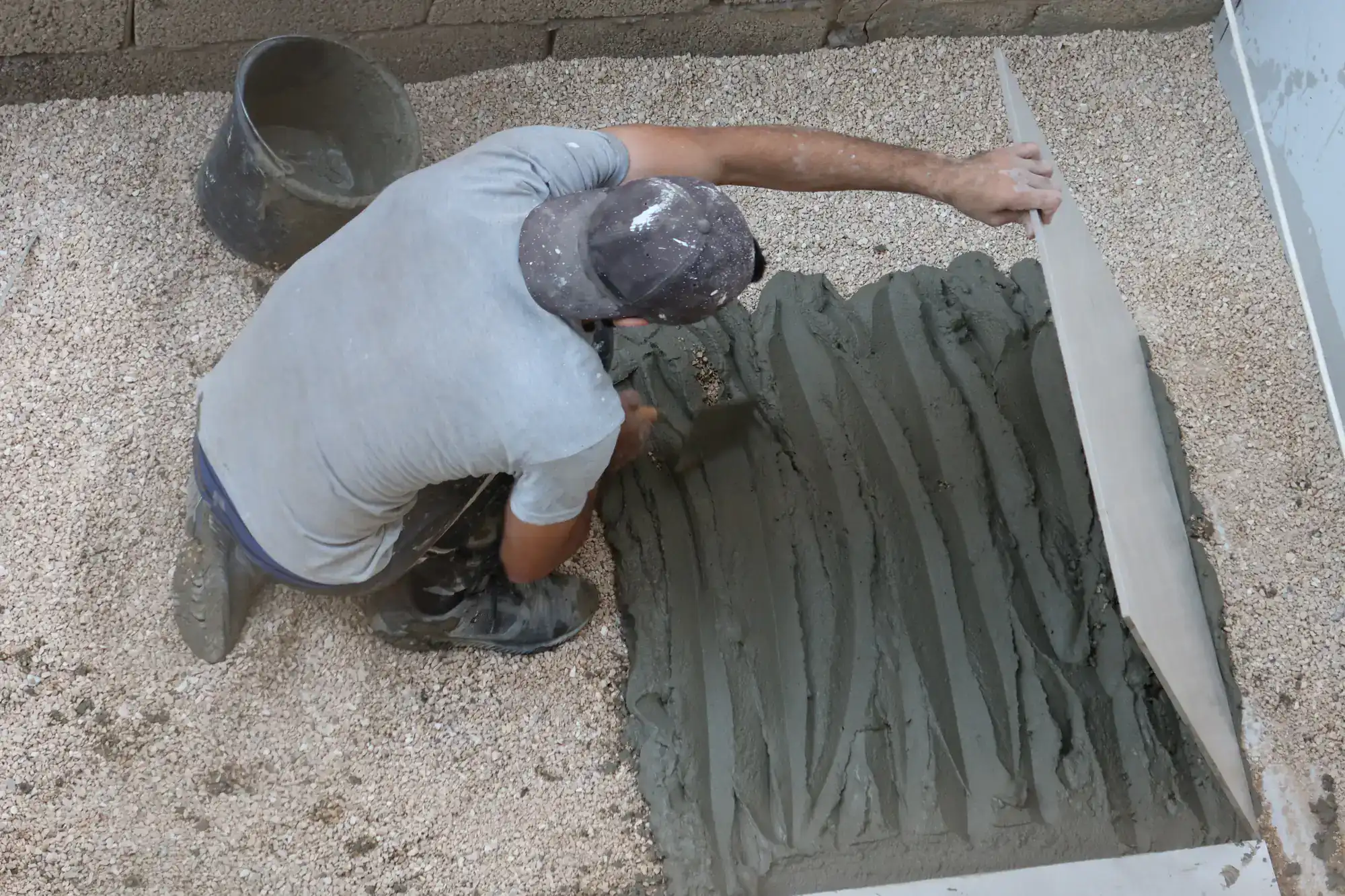
The installation begins with proper site preparation. We excavate to the right depth, install drainage systems that actually work in Long Island soil, and create a foundation that won’t shift or crack over time. Then comes the masonry work—whether you want natural stone, pavers, or cultured stone—followed by appliance installation and final connections.
Ready to get started?
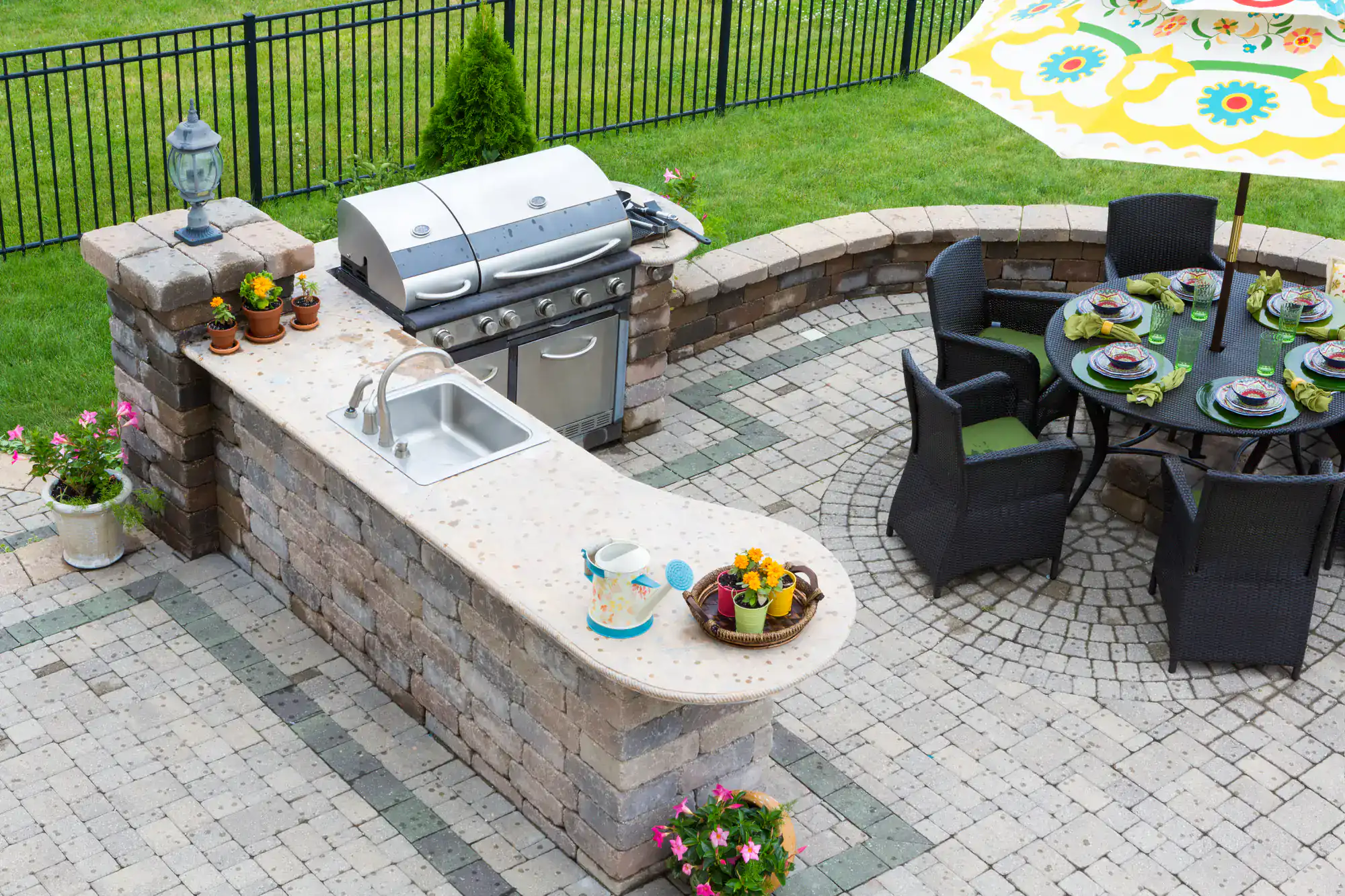
Your outdoor kitchen can include whatever makes sense for how you actually cook and entertain. Built-in grills, refrigeration, sinks, storage, bar seating, even pizza ovens—we’ll work with you to create something that fits your lifestyle and budget.
But here’s what matters most in Southold: we build with materials that handle coastal conditions. Freeze-thaw-resistant stone, proper drainage systems, and weather-resistant appliances that won’t fail after one harsh winter. We’ve seen too many outdoor kitchens built by contractors who don’t understand Long Island’s climate requirements.
The sandy soil conditions common in Southold require specific foundation techniques. Coastal moisture demands careful material selection and sealing. And our unpredictable weather means your outdoor kitchen needs to be built tough enough to handle whatever comes its way, from summer humidity to winter freeze cycles.
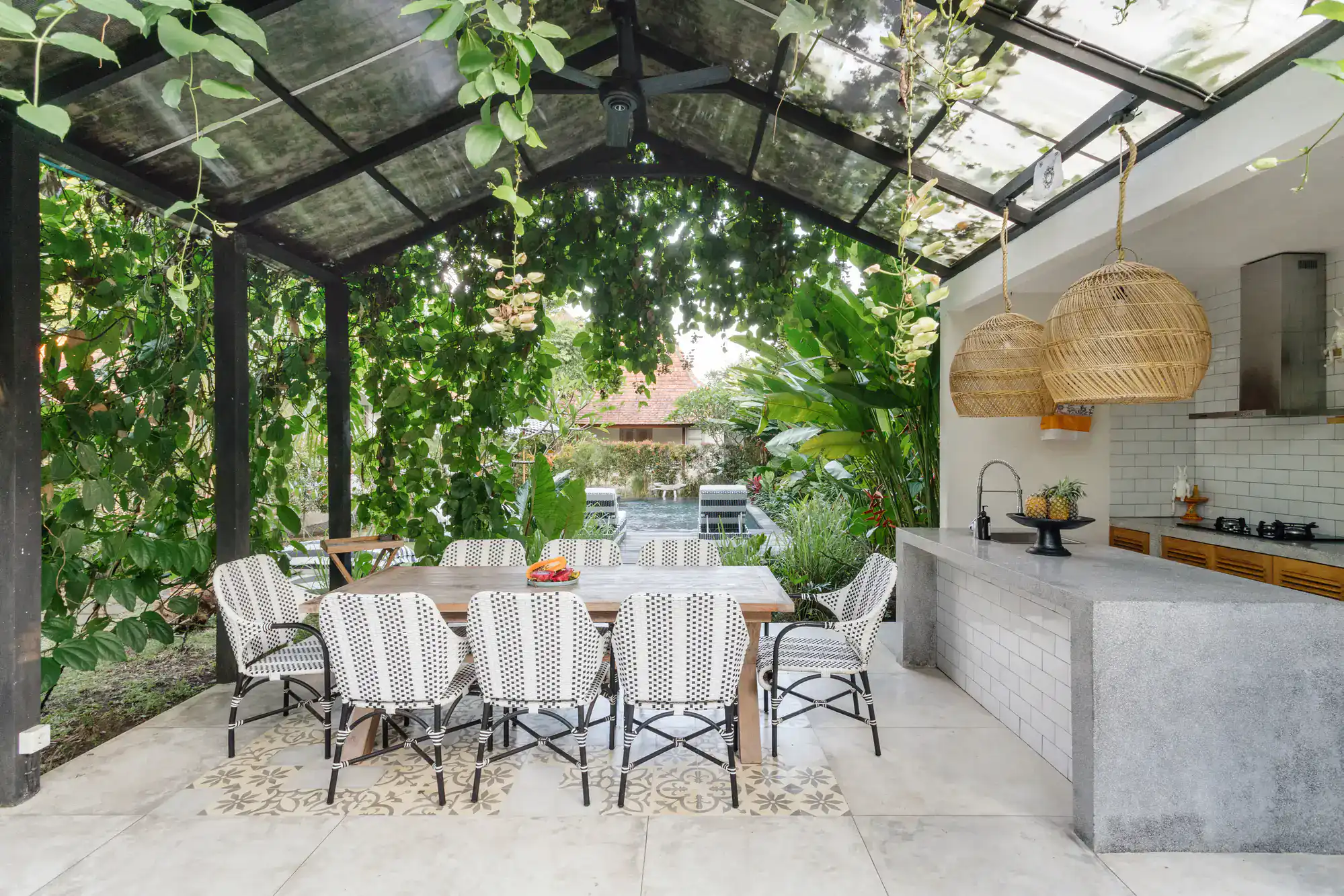
Outdoor kitchen installation in Southold typically ranges from $15,000 to $40,000, depending on size, materials, and appliances. A basic setup with a built-in grill, some storage, and countertop space starts around $15,000-$20,000. More elaborate designs with multiple appliances, premium materials, and extensive masonry work can reach $30,000-$40,000 or more.
The key factors affecting cost include proximity to your home (closer means lower utility connection costs), choice of materials, appliance selection, and site conditions. We provide detailed estimates after evaluating your specific property and discussing your vision. Every project is different, so we price each one individually rather than using generic pricing.
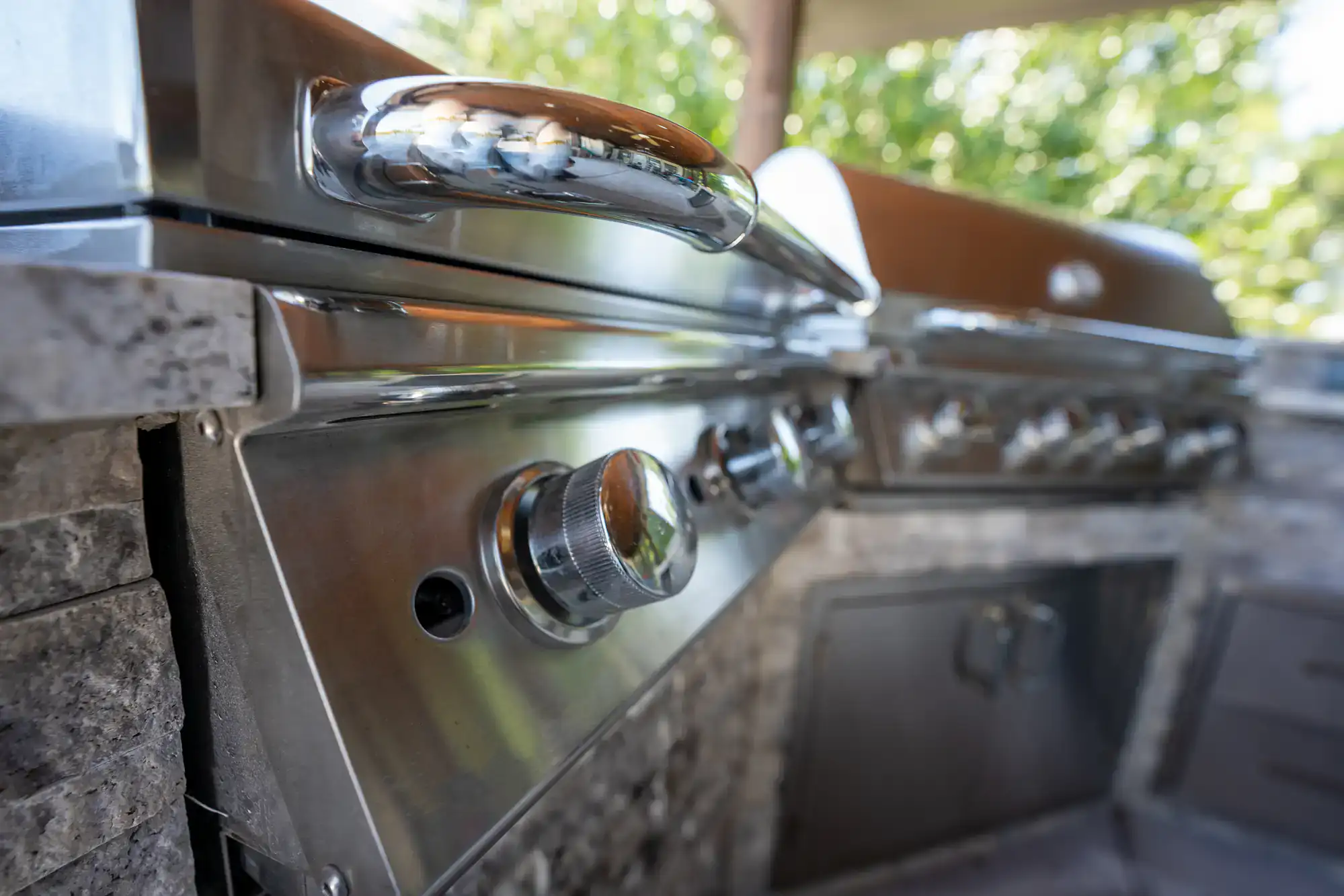
Southold’s coastal location and variable weather demand specific material choices. We recommend freeze-thaw-resistant natural stone or Cambridge pavers for durability through winter cycles. Stainless steel appliances and hardware resist coastal moisture better than other metals.
For countertops, granite and bluestone handle weather well, while cultured stone offers more design flexibility. The key is using materials rated for exterior use and properly sealing everything. We avoid materials that crack, fade, or deteriorate in salt air and humidity.
Proper installation matters as much as material choice. Even the best materials fail if not installed with appropriate drainage, foundation work, and weatherproofing. That’s why we focus on both premium materials and installation techniques proven to work in Long Island conditions.
Most outdoor kitchen installations in Southold take 2-4 weeks from start to finish, depending on complexity and weather conditions. Simple grill islands might be completed in 1-2 weeks, while elaborate custom designs with multiple appliances and extensive masonry work can take 4-6 weeks.
The timeline includes site preparation, foundation work, masonry installation, utility connections, and final appliance setup. Weather can affect the schedule—we won’t pour concrete or do masonry work in freezing conditions, and heavy rain can delay certain phases.
We provide a realistic timeline during the planning phase and keep you updated throughout the project. Most delays come from change orders or utility connection issues, which is why we handle permitting and coordinate with utility companies upfront.
Yes, most outdoor kitchen installations in Southold require permits, especially if you’re adding gas lines, electrical connections, or plumbing. The specific permits depend on your project scope—a simple grill island might need minimal permitting, while a full outdoor kitchen with utilities requires building permits.
We handle the permitting process as part of our service. This includes submitting plans to the town, coordinating inspections, and ensuring everything meets local building codes. Southold has specific requirements for setbacks, utility connections, and structural work that we’re familiar with.
Trying to skip permits can cause problems later, especially if you sell your home. Buyers and inspectors look for proper permits on major outdoor improvements. We make sure everything is done legally and up to code from the start.
Outdoor kitchens in Southold are primarily used from spring through fall, but you can extend the season with the right features. Adding a pergola or pavilion provides weather protection, while outdoor heaters or a fire feature can make the space comfortable into November and even December on mild days.
The key is building with materials that handle winter conditions even when you’re not using the kitchen. Proper drainage prevents freeze damage, weather-resistant appliances survive temperature swings, and quality masonry work won’t crack or shift through freeze-thaw cycles.
Some homeowners add winterization features like appliance covers, water line shut-offs, and storage for removable components. We can design your outdoor kitchen with year-round durability in mind, even if you only plan to use it seasonally.
The ideal location for your outdoor kitchen in Southold is close to your home for easy utility access and convenience. This reduces costs for gas, water, and electrical connections while making it simple to grab items from your indoor kitchen.
Consider prevailing winds—you don’t want smoke blowing toward seating areas or into your home. Think about views, privacy, and how the space connects to your existing patio or deck. Southold properties often have beautiful water views that should be incorporated into the design.
Site conditions matter too. We evaluate drainage, soil stability, and sun exposure during our consultation. Some locations require more foundation work or drainage solutions, which affects cost and timeline. The best location balances functionality, aesthetics, and practical considerations specific to your property.