Masonry Contractor in Northwest Harbor, NY

Built Right for Long Island's Coast

Your masonry contractor in Northwest Harbor, NY that actually understands what freeze-thaw cycles, salt air, and sandy soil do to stone and concrete.
A smiling construction worker wearing a yellow hard hat and plaid shirt holds a trowel and adjusts his hat. He stands in front of a construction site with bricks and wooden planks in the background.

Hear from Our Customers

A person is applying mortar with a trowel on a concrete block wall. The trowel has an orange handle and spreads a thick layer, showing grooves in the mortar. The background is blurred, focusing on the construction detail.

Licensed Masonry Contractor Northwest Harbor

Your Investment Actually Protected
You’re looking at serious money when you choose masonry work in Northwest Harbor. The difference between a project that enhances your property value for decades and one that starts cracking after the first winter? Understanding what Long Island’s coastal climate actually does to materials. Most residential masonry contractors treat stone and concrete like it’s the same everywhere. Northwest Harbor isn’t everywhere. You’ve got salt air that chemically attacks the wrong materials. Freeze-thaw cycles that can happen multiple times in a single winter, expanding small cracks into structural problems. Sandy soil that shifts and settles in ways that destroy standard installations. When your masonry is built right for these conditions, it becomes an asset that actually works with your property instead of against it. That means excavation to 8-10 inches because that’s what sandy soil requires. Base layers designed for soil that moves. Drainage systems that prevent the water damage that destroys most coastal masonry. Materials chosen specifically because they resist salt damage and handle temperature swings without falling apart.

Stone Masonry Contractor Northwest Harbor

Experience That Actually Counts Here
We’ve been serving Northwest Harbor from our Holbrook base with the kind of local knowledge that only comes from years of working specifically with Long Island’s challenging conditions. Owner Iain Traynor brings union masonry background and carpentry experience, staying directly involved in every estimate, planning session, and project execution. We’re licensed in Suffolk, Nassau, and townships across Long Island. Certified by Cambridge, Techo-Bloc, Unilock, Nicolock, Eldorado, and Boral—not just paperwork, but ongoing training in techniques and materials that actually perform in coastal environments. This matters because Northwest Harbor’s conditions destroy standard approaches. The difference is understanding that your sandy soil, coastal moisture, and seasonal temperature swings require specific solutions, not generic ones. Every stone masonry contractor in Northwest Harbor project includes drainage planning from day one. Base preparation that accounts for how soil behaves during freeze-thaw cycles. Materials selected because they’ve proven themselves in similar conditions over decades, not just because they look good in showrooms. What you get is direct communication throughout the project. The same crew handling your work from start to finish. Someone who returns your calls because we’re local, licensed, and planning to stay in business here.

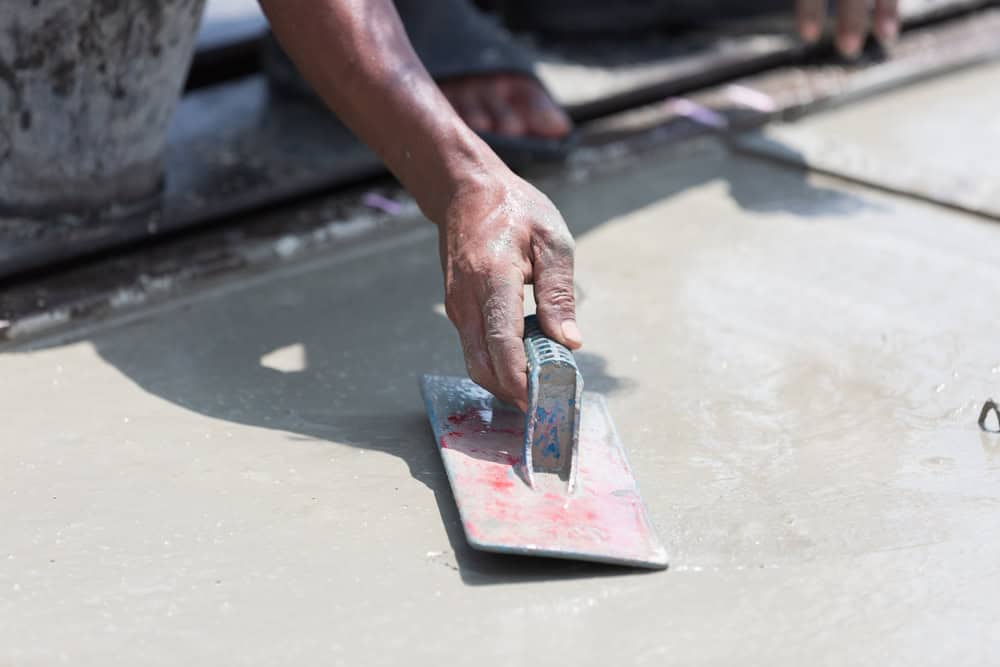
A person smoothing wet cement with a trowel. Their hand is steady as they work on the surface. The setting appears to be outdoors on a construction site.

Residential Masonry Contractor Northwest Harbor

How We Build It Right
It starts with an in-person estimate where actual conditions get evaluated, not just measurements taken. Soil type, drainage patterns, existing structures, how water moves across your property during heavy rains and snowmelt. This takes time because shortcuts here create expensive problems later. Excavation goes to 8-10 inches. Sounds excessive until you understand how Long Island’s sandy soil behaves when water freezes and expands underneath your patio. Base layering follows with materials and compaction techniques chosen for coastal conditions, not standard inland approaches that fail here within a few years. Drainage planning happens now, not after problems develop. Water management is everything in this environment—get it wrong and even the best materials won’t save your project. Edge restraint installation prevents the shifting that destroys most residential masonry contractor work over time. Materials get selected based on proven performance in salt air and temperature extremes. Throughout construction, the same crew handles your project with direct oversight. Quality stays consistent because the people doing the work understand what they’re building and why it matters in Northwest Harbor’s specific conditions.
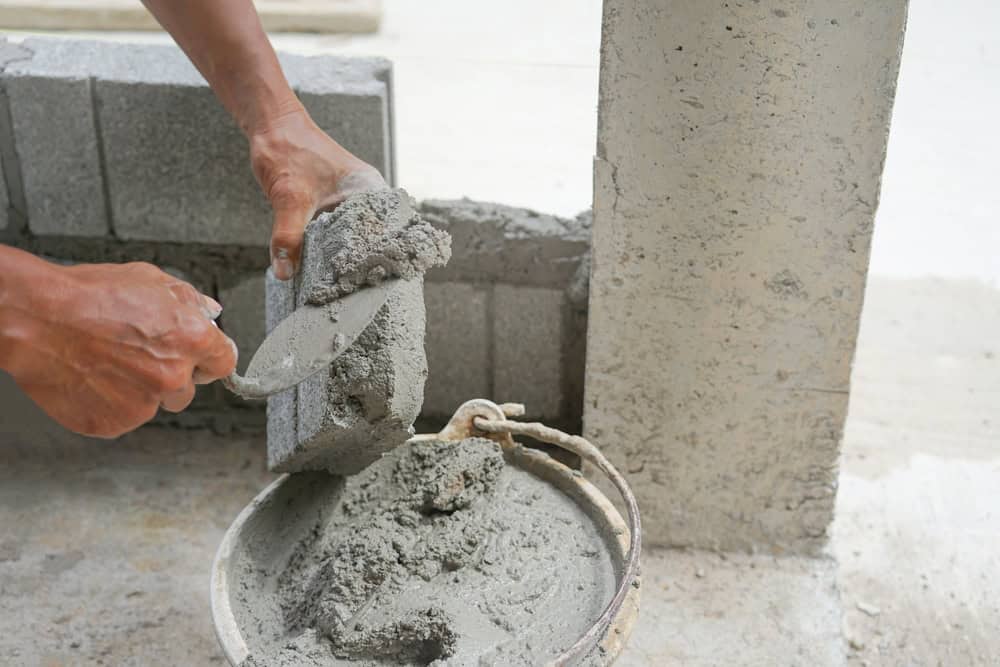
A person applies mortar to a concrete block using a trowel. The block is being prepared to add to a partially built wall. A bucket of mixed mortar is beside them on the ground. The scene is set at a construction site.

Ready to get started?

Explore More Services

About Stone Escapes Masonry & Outdoor Design

Get a Free Consultation

Patio Masonry Contractor Northwest Harbor

Services Built for Your Conditions
We specialize in outdoor construction that works with Northwest Harbor’s coastal environment instead of fighting it. Paver patios get built with base preparation and drainage systems designed for sandy soil that shifts with freeze-thaw cycles. Not standard depth, not standard materials—the approach that actually works here. Retaining walls address both function and appearance while incorporating drainage solutions that protect the wall and surrounding areas from water damage. These aren’t decorative features; they’re engineered solutions that handle the soil pressure and moisture conditions specific to your area. Outdoor kitchens and fire features use materials that resist salt air corrosion and temperature extremes. Your investment needs to work through Long Island summers and winters, not just look good at installation. Water features and poolscape work takes advantage of your coastal setting while incorporating waterproofing and drainage that prevent the structural issues that destroy most coastal installations. Each patio masonry contractor service addresses Northwest Harbor’s specific challenges—sandy soil that requires specialized foundation work, salt air that demands careful material selection, and moisture conditions that destroy standard approaches. The result is outdoor space that enhances your property value instead of becoming a maintenance problem.
A person wearing a glove smooths wet concrete with a trowel. The concrete is uneven in places, and the person's hand applies pressure to level it. The scene depicts a construction or repair work in progress.

What makes masonry work different in Northwest Harbor compared to other areas?

Northwest Harbor’s coastal location creates a combination of challenges that standard masonry approaches can’t handle. Salt air causes chemical reactions that destroy certain materials over time—you’ll see this with limestone and some concrete products that look fine initially but start deteriorating within a few years of installation. The sandy soil affects everything from excavation depth to base preparation techniques. Standard 4-6 inch excavation that works inland fails here because sandy soil moves differently during freeze-thaw cycles. Water drains differently, structures settle differently, and edge restraint requirements are completely different from what works in clay-rich areas. Freeze-thaw cycles are more frequent and severe due to coastal moisture conditions. Water gets into masonry materials, freezes, expands by nine percent, and creates cracks. This happens repeatedly throughout winter, making small cracks larger each time until you have structural failure of mortar joints and material surfaces. The combination means material selection becomes critical. You need stone, brick, and concrete that resist water absorption and can handle repeated temperature changes without deteriorating. Installation techniques must account for soil movement and moisture management, not just appearance and standard structural requirements.
With proper materials and installation designed for coastal conditions, masonry work should last decades in Northwest Harbor. The key is using materials proven in similar environments and installation methods that account for your specific soil and drainage conditions. Granite and bluestone perform exceptionally well here because of their low water absorption and resistance to salt air damage. Cambridge pavers come with lifetime warranties on structural integrity because they’re engineered for challenging conditions. When properly installed with appropriate base preparation and drainage, these materials can look nearly new after decades of coastal exposure. Poor choices fail quickly. Limestone starts showing salt damage within a few years. Standard concrete begins cracking after the first freeze-thaw season. Installation shortcuts like insufficient excavation or inadequate drainage create problems that show up within 2-3 years and get worse each season. The investment in proper materials and techniques pays for itself by avoiding replacement costs. Masonry that’s built right for Northwest Harbor conditions requires minimal maintenance and actually enhances property value over time. Masonry that’s built wrong becomes an expensive maintenance problem that hurts your property value and requires eventual replacement.
Look for specific knowledge of Long Island coastal conditions and proper local licensing. The contractor should explain how salt air, freeze-thaw cycles, and sandy soil affect their approach, and what they do differently to address these challenges. Generic answers indicate they don’t understand your local conditions. Manufacturer certifications from Cambridge, Techo-Bloc, Unilock, and similar companies indicate ongoing training in proper installation techniques and access to materials designed for challenging environments. Suffolk County licensing and individual township permits show they understand local building codes and regulations. Ask about excavation depth, base preparation methods, and drainage planning. They should discuss material choices based on performance in coastal conditions, not just aesthetics. Request details about their warranty coverage and insurance documentation—legitimate contractors provide this readily. The contractor should demonstrate understanding that Northwest Harbor requires specialized approaches. They should discuss how they handle sandy soil conditions, what materials they avoid in salt air environments, and how they plan drainage to prevent the water damage that destroys most coastal masonry work. Vague answers or standard approaches indicate they’re not equipped for your conditions.
Northwest Harbor receives up to 45 inches of annual rainfall, and without proper drainage, this moisture undermines masonry through erosion and freeze-thaw damage. Water that pools around structures or seeps into materials creates problems that compound over time and eventually cause structural failure. When water penetrates masonry and freezes, it expands and creates cracks. Long Island’s temperature fluctuations mean this freeze-thaw cycle repeats throughout winter, making cracks progressively larger. Eventually this destroys mortar joints, brick faces, and concrete surfaces—damage that requires expensive repairs or complete replacement. Proper drainage planning evaluates how water moves across your property during different seasons and weather conditions. This includes designing systems that handle heavy rainfall and snowmelt, directing water away from structures, and ensuring that retaining walls and other installations incorporate drainage solutions that protect both the structure and surrounding areas. The sandy soil common in Northwest Harbor drains differently than clay-rich inland soil, requiring specialized drainage approaches. Standard techniques often fail because they don’t account for how water moves through sandy conditions or how coastal moisture affects soil stability over time.
Excavation goes to 8-10 inches depth because that’s what Long Island’s sandy soil requires for stable, long-term performance. This deeper excavation provides the foundation needed to handle freeze-thaw cycles and seasonal soil movement that destroy standard-depth installations within a few years. Base layering uses materials and compaction techniques specifically chosen for sandy coastal soil. This includes proper grading to direct water away from structures and base materials that provide stability as soil conditions change with weather and seasons. Standard inland techniques fail here because they don’t account for how sandy soil behaves. Edge restraint installation prevents shifting and settling that destroys masonry projects over time. This is critical in sandy soil where structures can move more than in other conditions. The edge restraint system keeps pavers, stones, and other materials properly positioned through freeze-thaw cycles and seasonal moisture changes. The process also includes drainage evaluation and planning at the excavation stage. This identifies potential water issues before they become expensive problems and ensures that drainage solutions are integrated into the foundation work, not added as afterthoughts that don’t work effectively.
All masonry work includes warranty coverage that reflects confidence in both materials and installation techniques designed for coastal conditions. Warranty terms vary by project type and materials, but all work is backed by proper licensing, insurance, and manufacturer support. Material warranties can include lifetime coverage on structural integrity for products like Cambridge pavers, while installation workmanship warranties cover construction quality. This dual protection means you’re covered whether problems develop from material failure or installation issues. The warranty is meaningful because it’s backed by a licensed contractor who understands local building codes and maintains proper insurance coverage. All warranty documentation is provided for both materials and workmanship, and we remain available to address any issues that develop within the warranty period. What makes our warranty valuable is that it’s based on using materials proven in coastal conditions and installation techniques designed for Northwest Harbor’s specific challenges. We’re not warranting experimental approaches or standard techniques that don’t work here—we’re standing behind methods that have proven successful in similar conditions over time.