

Hear from Our Customers

You’re tired of watching your investment crack, settle, or wash out after one winter. When masonry work is built right for North Bellport’s unique conditions, you get outdoor spaces that handle whatever Long Island weather throws at them.
Sandy soil doesn’t have to mean settling patios or shifting walkways. Coastal moisture doesn’t have to mean constant repairs. With proper excavation to 8-10 inches, appropriate base layering, and drainage systems designed for our high water table, your masonry installation becomes an asset that adds value for decades.
You get the outdoor living space you’ve been planning—patios that stay level, driveways that don’t crack, retaining walls that actually retain. No more wondering if this winter will be the one that ruins everything.
We’ve been serving North Bellport and Suffolk County for over 15 years, understanding exactly what works in our coastal environment. Owner Iain Traynor brings union masonry experience and carpentry background to every project, staying directly involved in estimates, planning, and execution.
We hold certifications from Cambridge, Techo-Bloc, Unilock, Nicolock, Eldorado, and Boral—manufacturers who know their materials will be installed correctly. Licensed in Suffolk County, Nassau County, and various Long Island townships, we focus on the technical details that matter in our sandy soil and coastal conditions.
You work directly with experienced crews who understand North Bellport’s drainage challenges, freeze-thaw cycles, and the proper foundation depths needed to prevent frost heave. No automated tracking systems or project managers—just direct communication and consistent oversight.
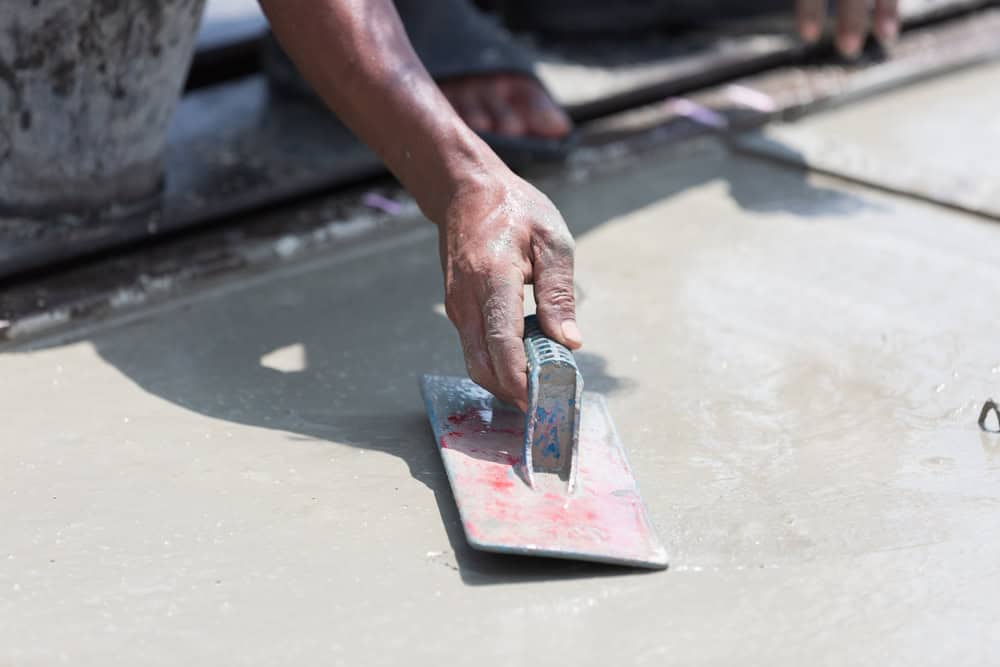
Every project starts with understanding your property’s specific drainage patterns and soil conditions. North Bellport’s sandy soil and coastal location require different approaches than inland areas, so the initial assessment covers water flow, existing grades, and how your space will handle seasonal changes.
Excavation goes to proper depth—typically 8-10 inches, sometimes deeper to reach below the 30-36 inch frost line Suffolk County requires. Base preparation uses crushed stone with proper compaction techniques that work with sandy soil rather than against it. Edge restraint installation prevents shifting over time.
Material installation follows manufacturer specifications while accounting for Long Island’s freeze-thaw cycles. Drainage systems get integrated during construction, not added as an afterthought. Final grading ensures water moves away from structures and toward appropriate outlets. You get a detailed walkthrough when everything’s complete, plus cleanup that leaves your property better than we found it.
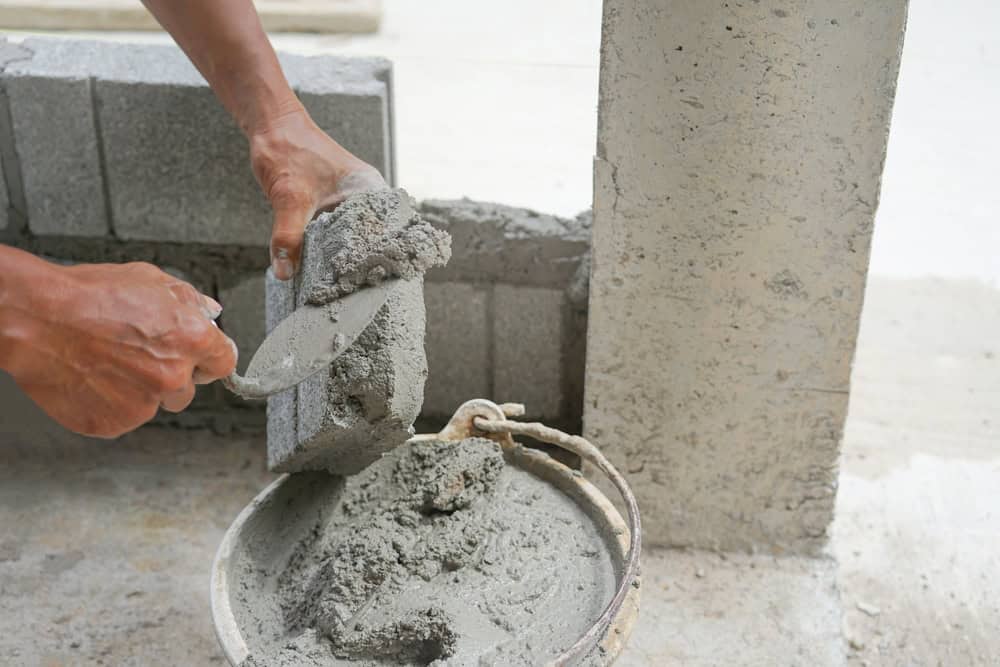
Ready to get started?
We specialize in paver patios, driveways, walkways, retaining walls, outdoor kitchens, fire features, water features, and poolscape installations. Every project addresses North Bellport’s specific challenges: sandy soil that drains well but can shift, coastal moisture that affects material selection, and freeze-thaw cycles that demand proper foundation work.
Our manufacturer certifications from Cambridge, Techo-Bloc, Unilock, Nicolock, Eldorado, and Boral ensure you’re getting materials designed to handle Long Island conditions. Proper drainage planning prevents the hydrostatic pressure issues that cause foundation problems in our high water table environment.
Projects include appropriate base layering for sandy soil conditions, drainage systems that actually work with Suffolk County’s rainfall patterns, and material selection that resists salt air and humidity. You get direct owner oversight, consistent crews, and construction methods proven to last decades in coastal environments. Licensed and insured work that passes inspection and protects your investment.

Masonry foundations in North Bellport need to extend below the frost line, which is 30-36 inches deep in Suffolk County. This prevents frost heave that can cause walls to shift, crack, or fail completely during freeze-thaw cycles.
Sandy soil common in North Bellport drains well but requires deeper foundations and specialized base preparation to prevent settling. The excavation typically goes 8-10 inches for standard installations, with additional depth for foundations that need to reach below frost line.
Proper foundation depth also accounts for North Bellport’s high water table and coastal conditions. Water infiltration and seasonal fluctuations can undermine shallow foundations, making adequate depth essential for long-term stability.
North Bellport’s coastal location creates unique drainage challenges including high water tables, seasonal water level fluctuations, and concentrated water flow during storms. Sandy soil drains quickly but can create channeled flow that undermines foundations if not properly managed.
Hydrostatic pressure from water accumulation can cause retaining walls to bow, crack, or fail. This is particularly problematic in Long Island due to frequent rainfall and the water table conditions near the coast. Proper drainage systems with French drains and appropriate gravel backfill are essential.
Without adequate drainage planning, water infiltration leads to freeze-thaw damage, foundation erosion, and structural instability. Professional installation includes drainage solutions designed specifically for North Bellport’s soil conditions and rainfall patterns.
Materials for North Bellport masonry need low water absorption, resistance to salt air damage, and ability to handle repeated freeze-thaw cycles. Natural stone, properly sealed concrete pavers, and freeze-thaw resistant mortars perform best in coastal environments.
Cambridge, Techo-Bloc, Unilock, and similar manufacturers design their products specifically for challenging climates like Long Island’s. These materials maintain structural integrity and appearance despite humidity, temperature fluctuations, and salt exposure from coastal air.
Cheap materials or improper sealers fail quickly in North Bellport’s conditions. We use coastal-rated sealers, appropriate mortars, and materials proven to last decades in similar environments rather than substituting cheaper alternatives that won’t perform.
Most residential masonry projects in North Bellport take 2-5 days depending on scope, weather conditions, and site preparation requirements. Simple repairs or small paver installations might complete in a day, while full driveways or extensive retaining walls can take a week or more.
North Bellport’s coastal location means weather considerations affect scheduling. High winds, rain, or temperature extremes can require adjustments to protect work quality. Mortar needs temperatures above 40°F to cure properly, and several days without hard frost after installation.
Sandy soil conditions often require additional base preparation time compared to other areas. Proper compaction and drainage installation can’t be rushed without compromising long-term performance. We provide realistic timelines upfront and communicate any weather-related adjustments.
Permit requirements in North Bellport depend on project scope, height, and location. Retaining walls over 4 feet typically require permits, as do projects affecting drainage or involving structural elements. We handle permit applications and know local building code requirements.
Suffolk County has specific regulations for masonry work, particularly regarding foundation depths, drainage systems, and structural requirements. We understand these codes and ensure compliance during installation rather than discovering issues during inspection.
Working without proper permits can result in fines, required removal of completed work, or problems when selling your property. As licensed contractors familiar with North Bellport’s requirements, we handle permitting as part of our professional service, protecting your investment and ensuring legal compliance.
Long Island’s sandy soil, coastal weather, and freeze-thaw cycles create unique challenges requiring specialized techniques and materials. Sandy soil drains well but can shift without proper compaction, while coastal conditions demand salt-resistant materials and enhanced drainage systems.
Freeze-thaw cycles are particularly damaging here, requiring frost-resistant materials and foundation depths that prevent heaving. The combination of high humidity, salt air, and temperature extremes eliminates many standard materials and installation methods used elsewhere.
We understand these specific conditions and use proven techniques like deeper excavation, specialized base preparation, and coastal-rated sealers. Generic approaches used in other climates often fail within a few years in our environment, making local expertise essential for lasting results.