

Hear from Our Customers

Your driveway doesn’t crack after one winter. Your patio doesn’t shift or settle because we excavate to 8-10 inches and use proper base layering that works with Miller Place’s sandy soil instead of fighting it.
Your outdoor kitchen becomes the centerpiece where friends actually want to gather, not just another expensive mistake. The retaining wall holds firm through storm surges and freeze-thaw cycles because we understand what Long Island’s coastal conditions demand.
You stop worrying about whether your investment will last. When masonry contractor services are done right for our specific environment, they perform for decades, not seasons.
Stone Escapes Masonry & Outdoor Design Inc has been solving Long Island’s toughest masonry challenges for over 15 years. We’re licensed in Suffolk County, Nassau County, Southampton, and East Hampton—not because we had to be, but because we choose to work where coastal conditions demand real expertise.
Owner Iain Traynor brings union masonry experience and stays on every job site from start to finish. No project managers you’ve never met. No crews working without oversight.
Miller Place’s transition from agricultural community to suburban haven created unique challenges that most residential masonry contractors don’t understand. We’ve built our reputation on getting it right the first time in exactly these conditions.
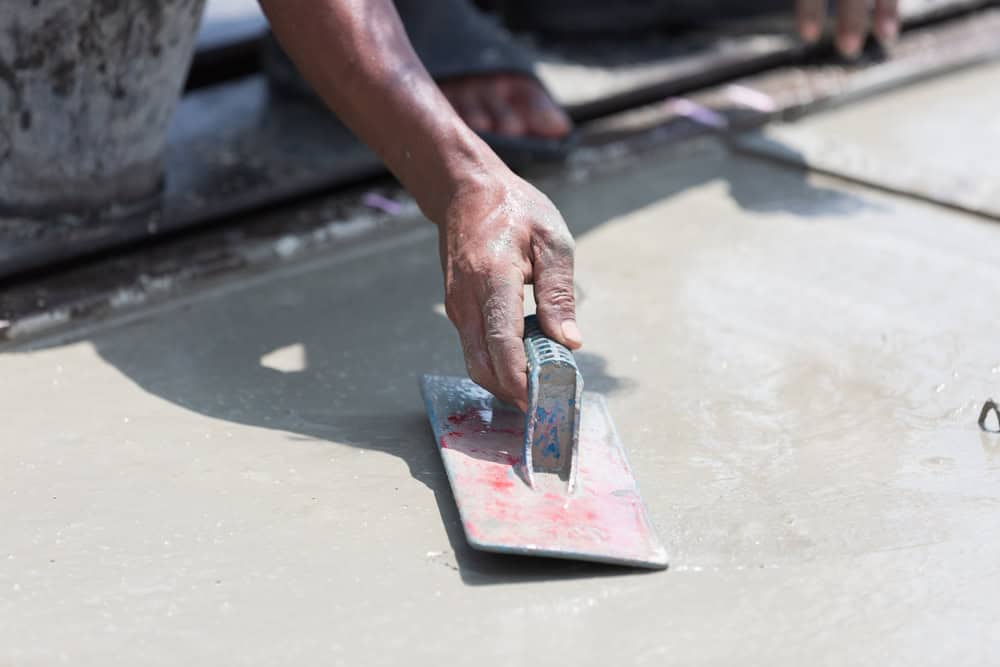
We start with an on-site estimate where Iain evaluates your specific soil conditions and drainage patterns. No generic quotes—every Miller Place property has unique challenges that require individual solutions.
Next comes proper excavation and base preparation. While other paving and masonry contractors might dig 4-6 inches, we go 8-10 inches deep because Long Island’s sandy soil and moisture fluctuations demand it. We install crushed stone base with proper compaction, then add drainage planning that directs water away from your structures.
Installation follows with precision placement and edge restraint systems that prevent shifting over time. We use materials specifically chosen for coastal exposure—Cambridge pavers with lifetime warranties, freeze-thaw resistant stone, and mortars formulated for salt air conditions.
Ready to get started?
Every patio masonry project includes site evaluation for Miller Place’s specific soil composition and drainage requirements. We handle permits, material delivery, and coordinate with local building codes that many out-of-area contractors miss.
You get proper foundation work that goes below the frost line—typically 30-36 inches in Suffolk County. Our base preparation includes geotextile fabric, graduated stone layers, and compaction that prevents the settling issues common with sandy soils.
Miller Place homeowners also receive ongoing communication throughout the project. No disappearing for weeks, no wondering what’s happening next. Iain provides direct updates and addresses concerns immediately because we understand that major home improvements require trust and transparency.

Properly installed masonry in Miller Place should last 20-30 years or more when built for our specific conditions. The key is understanding that Long Island’s coastal environment—with salt air, freeze-thaw cycles, and sandy soil—requires different techniques than inland areas.
We use materials specifically chosen for coastal exposure, like Cambridge pavers with lifetime structural warranties and freeze-thaw resistant natural stone. Our installation process includes deeper excavation (8-10 inches versus the typical 4-6 inches) and specialized base preparation that accommodates soil movement.
The projects that fail quickly are usually built with generic techniques that don’t account for Miller Place’s unique challenges. When masonry is designed for our environment from the start, it becomes a permanent improvement rather than a recurring expense.
Miller Place’s location in Suffolk County creates specific challenges that require local expertise. The sandy coastal soil drains quickly but lacks the stability needed for heavy masonry structures, requiring deeper foundations and specialized backfill materials.
Our proximity to the coast means higher water tables and seasonal fluctuations that affect foundation requirements. Storm surge considerations and salt air exposure demand corrosion-resistant materials and enhanced drainage systems that many licensed masonry contractors overlook.
The freeze-thaw cycles here aren’t just winter events—our coastal location means temperatures fluctuate above and below freezing multiple times, creating repeated stress on materials. This requires careful material selection and installation techniques that prevent the cracking and shifting common with improperly built masonry.
Sandy soil actually offers excellent drainage, but it requires specific techniques to prevent settling and erosion around masonry structures. We start with proper grading that directs water away from foundations and prevents pooling that can undermine stability.
Our installation process includes permeable base materials that allow water infiltration while maintaining structural support. We also install French drains and catch basins where needed to manage heavy rainfall and storm surge conditions common in coastal areas.
For patios and walkways, we often recommend permeable pavers that allow rainwater to drain naturally while reducing runoff. This addresses one of Miller Place’s biggest challenges—managing water flow during heavy rains and coastal storms while maintaining stable, long-lasting masonry surfaces.
Permit requirements in Miller Place depend on project scope and location within Suffolk County jurisdiction. Retaining walls over 4 feet, structures near property lines, and projects affecting drainage typically require permits and engineered plans.
We handle all permit applications and coordinate with local building officials who know our work. Being a licensed masonry contractor in Suffolk County means we understand the specific requirements and inspection processes that out-of-area contractors often miss.
The permit process also ensures your project meets current building codes for foundation depth, drainage requirements, and structural specifications. This protects your investment and prevents issues during home sales or insurance claims. We factor permit timing into project schedules so there are no surprises or delays.
Material selection for Miller Place requires understanding how coastal exposure affects different options over time. We prioritize low water absorption, resistance to salt air damage, and ability to handle repeated freeze-thaw cycles without deteriorating.
Cambridge pavers are our go-to choice because they come with lifetime structural warranties and proven performance in coastal environments. For natural stone, we avoid high-porosity options like limestone and sandstone that suffer acid damage from salt air, instead choosing dense materials like granite and bluestone.
The mortars and adhesives we use are specially formulated for coastal conditions, offering superior flexibility to accommodate temperature changes without losing bond strength. This attention to material performance is why our projects maintain their appearance and structural integrity while others crack and deteriorate within a few seasons.
Most masonry contractors near you use generic techniques that work fine inland but fail in Miller Place’s coastal environment. We’ve spent 15 years learning what actually works here—deeper excavation, specialized base preparation, and materials chosen specifically for salt air and sandy soil conditions.
The biggest difference is owner involvement. Iain evaluates every project personally and stays on-site throughout construction. You’re not dealing with project managers or crews working without direct oversight. This ensures quality control and immediate problem-solving when challenges arise.
We also focus on education rather than sales pressure. Most Miller Place homeowners have never dealt with coastal masonry requirements, so we explain why certain techniques and materials are necessary. This transparency helps you make informed decisions and understand the value of proper installation methods.