

Hear from Our Customers

You’re tired of patios that crack every winter and driveways that shift with Long Island’s sandy soil. We get it because we’ve been dealing with these exact conditions for years.
When your masonry is installed correctly from the start, you stop worrying about seasonal repairs and start enjoying your outdoor space. Our clients in Lake Ronkonkoma have patios that look the same after five winters as they did on installation day.
That’s what happens when someone understands that Long Island masonry isn’t the same as anywhere else. We excavate deeper, use proper drainage, and select materials that handle what this climate throws at them.
Stone Escapes has been serving Lake Ronkonkoma and surrounding Suffolk County communities with masonry work designed specifically for our local conditions. Owner Iain Traynor brings union masonry experience and carpentry background to every project.
We’re licensed in Suffolk, Nassau, Southampton, and East Hampton because we understand the different requirements across Long Island townships. More importantly, we know that Lake Ronkonkoma’s sandy soil and seasonal weather patterns require specific installation techniques that many contractors skip.
Every estimate is done in person, and you work directly with our crew throughout the project. No automated systems or project portals—just direct communication when you need answers.
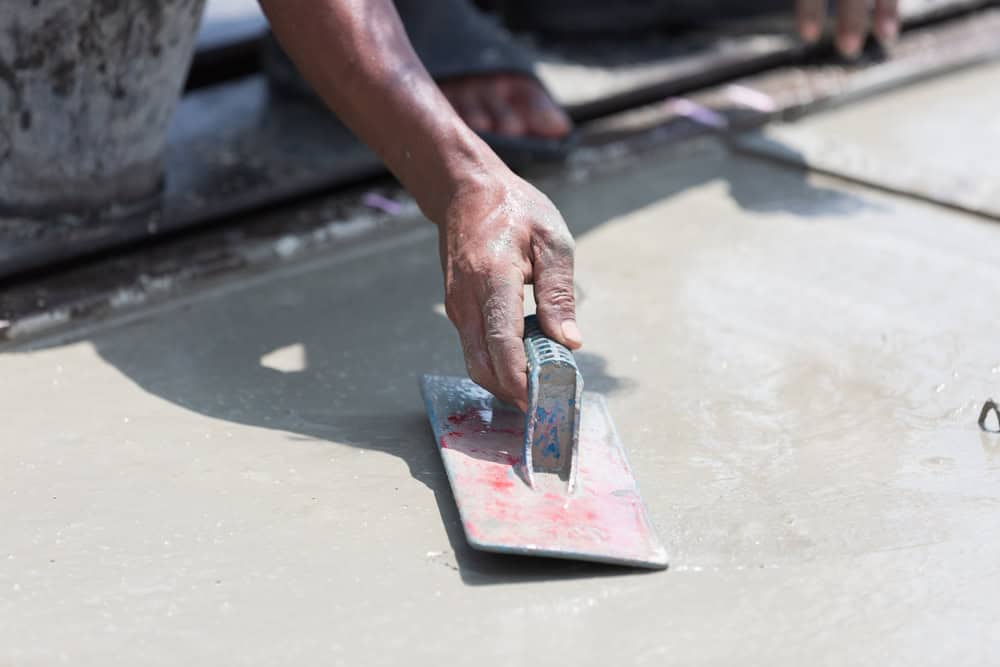
First, we assess your property’s specific challenges. Lake Ronkonkoma’s sandy soil drains well but shifts if not properly compacted, so we spend time understanding your site’s drainage patterns and soil conditions.
Next comes excavation to 8-10 inches with proper base layering. This isn’t standard everywhere, but it’s essential here because of our freeze-thaw cycles and soil composition. We install drainage planning and edge restraints to prevent shifting over time.
Finally, we use materials from manufacturers we’re certified with—Cambridge, Techo-Bloc, Unilock, Nicolock, Eldorado, and Boral. These aren’t just brand names; they’re materials we know perform in Long Island’s coastal moisture and temperature fluctuations. The result is masonry work that handles what our weather throws at it.
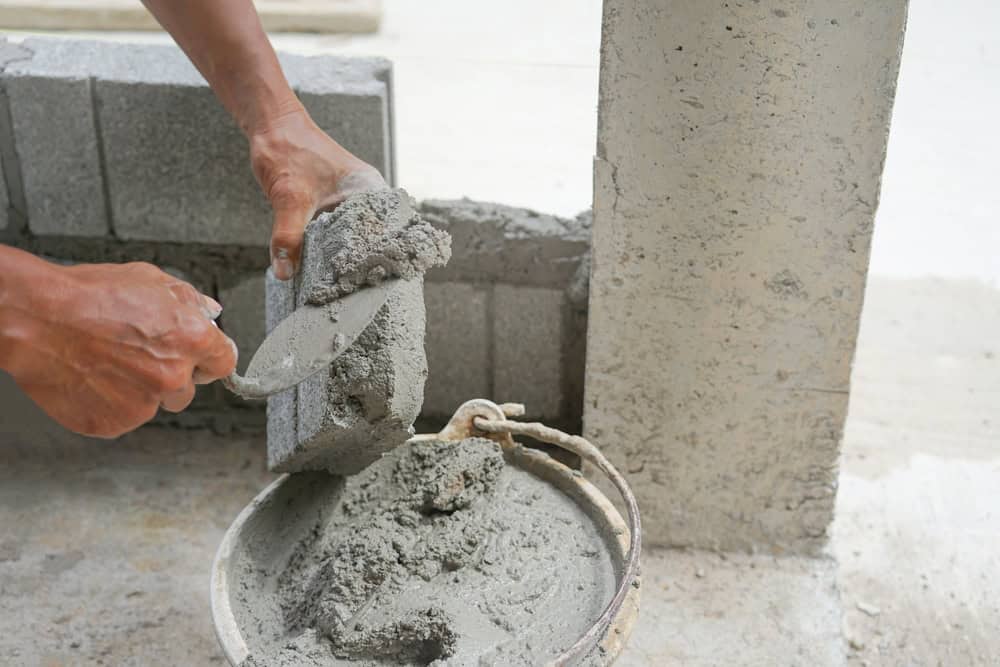
Ready to get started?
Every masonry project includes site-specific preparation designed for Lake Ronkonkoma conditions. That means excavation below the frost line, proper compaction for sandy soil, and drainage systems that handle our seasonal water table changes.
You get materials selected for Long Island’s coastal environment—not generic options that work elsewhere but fail here. We use sealers and mortars designed for salt air exposure and freeze-thaw resistance because that’s what actually lasts in this climate.
Your project also includes direct oversight from experienced crews who understand local building requirements. We handle permits when needed and ensure compliance with township regulations across Suffolk County. The result is masonry work that passes inspections and performs reliably for decades.

Most failures happen because contractors use generic installation methods that don’t account for Long Island’s specific challenges. Our sandy soil drains well but shifts easily if not properly compacted, and our freeze-thaw cycles are more severe than many contractors expect.
The biggest mistake is inadequate base preparation. Standard 4-6 inch excavation might work elsewhere, but Long Island conditions require 8-10 inches with proper layering and edge restraints. Without this foundation, even quality materials will shift and crack within a few seasons.
We also see problems when contractors don’t understand coastal moisture effects. Salt air and high humidity require specific sealers and mortar types that many generic contractors skip to save costs.
When installed correctly for Long Island conditions, quality masonry work lasts 20-30 years with minimal maintenance. The key is proper installation that accounts for our sandy soil, freeze-thaw cycles, and coastal moisture.
Projects that fail early usually have inadequate drainage or base preparation. Our standard 8-10 inch excavation with proper compaction and drainage planning prevents the settling and cracking that destroys masonry work within 5-10 years.
Material selection also matters significantly. We use manufacturers certified for coastal environments with freeze-thaw resistance. These materials cost more upfront but avoid the expensive repairs that cheaper alternatives require every few years.
We specialize in Long Island conditions rather than trying to use generic methods everywhere. Owner Iain Traynor has union masonry experience and understands exactly what works in Lake Ronkonkoma’s sandy soil and coastal climate.
Every project gets direct owner involvement from estimate through completion. You’re not handed off to different crews or managed through automated systems. When you have questions, you get answers from people who know your specific project.
We’re also licensed across multiple Long Island townships and certified with major manufacturers. This isn’t just paperwork—it means we understand local building requirements and have access to materials designed for our specific environmental challenges.
Yes, we handle permits when required and ensure compliance with Suffolk County and local township regulations. Many homeowners don’t realize that certain masonry projects require permits, especially retaining walls over specific heights or work near property lines.
Our experience with local building departments means we know what requires permits and what doesn’t. We also understand the specific requirements that vary between townships across Long Island, which saves time and prevents compliance issues.
When permits are needed, we handle the application process and ensure all work meets code requirements. This protects you from potential problems during inspections or if you sell your home later.
Late spring through early fall (May through October) provides the best conditions for masonry work in Lake Ronkonkoma. Mortar needs temperatures consistently above 40°F to cure properly, and we need several days without hard frost after installation.
Summer can be challenging due to heat affecting mortar working time, but it’s manageable with proper techniques and scheduling. We often start earlier in the day during peak summer months to work with better conditions.
Fall is actually ideal because temperatures are moderate and there’s less chance of unexpected weather disrupting the curing process. Winter work is possible for emergency repairs but requires special techniques and materials that increase costs significantly.
Sandy soil requires specific compaction techniques and deeper excavation than most contractors realize. We excavate to 8-10 inches and use specialized base materials designed for soil conditions that drain quickly but can shift under load.
Drainage planning is critical because even though sandy soil drains well, it can create concentrated water flow that undermines foundations. We design systems that direct water away from structures and prevent the pooling that causes long-term damage.
Our edge restraint installation prevents shifting that’s common in sandy conditions. Many contractors skip this step, but it’s essential for long-term stability in Lake Ronkonkoma’s soil composition. Combined with proper compaction, these techniques prevent the settling and cracking that destroys masonry work over time.