

Hear from Our Customers

You’re not just getting prettier stonework. You’re getting masonry that handles what East Setauket throws at it—sandy soil that shifts, freeze-thaw cycles that crack inferior work, and drainage challenges that destroy foundations.
When we excavate 8-10 inches deep and install proper base layers, your patio stays level while your neighbor’s sinks. When we use freeze-resistant materials and techniques, your retaining wall stands strong through harsh winters.
Your investment works harder because it’s built specifically for Long Island conditions, not generic approaches that fail when the weather turns.
Stone Escapes is owned and operated by Iain Traynor, a licensed masonry contractor East Setauket residents have relied on for years. We hold licenses in Suffolk County, Nassau County, Southampton, and East Hampton.
We’re certified by Cambridge, Techo-Bloc, Unilock, Nicolock, Eldorado, and Boral. That means we know which materials perform in our coastal climate and which ones crack after one winter.
You’ll speak directly with Iain from estimate through completion. No middlemen, no confusion—just straight answers about what your project needs and why.
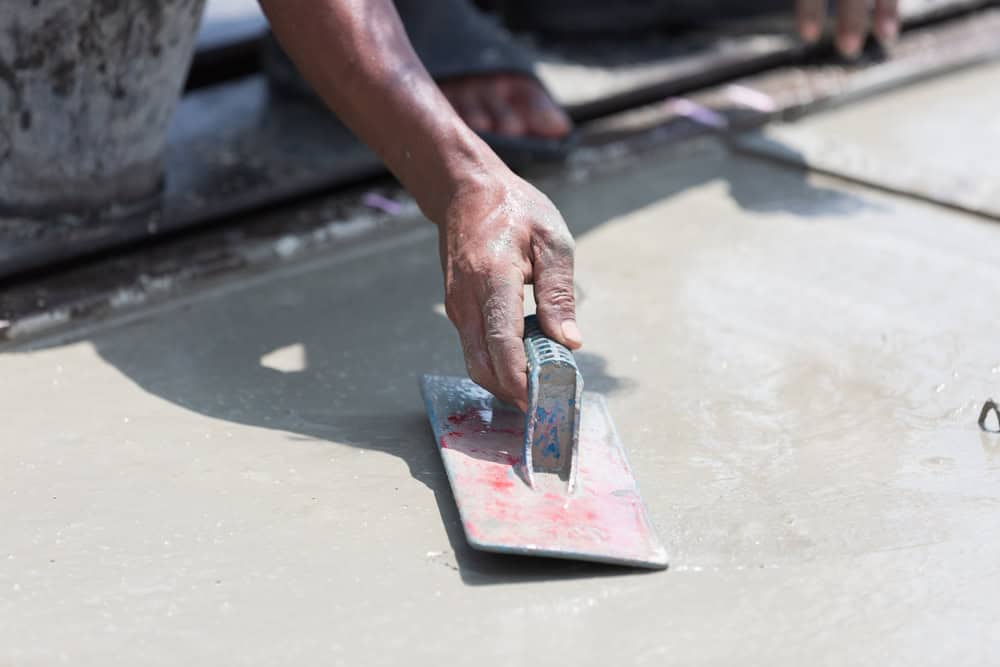
First, Iain evaluates your property’s specific conditions—soil type, drainage patterns, and grade requirements. East Setauket’s sandy soil and high water table demand different approaches than inland properties.
We excavate to proper depth, typically 8-10 inches, reaching below the frost line to prevent heaving. Our base preparation uses crushed stone with proper compaction techniques that work with sandy soil characteristics.
During installation, we focus on drainage planning and edge restraint systems that prevent shifting over time. Every project gets materials and techniques designed for Long Island’s freeze-thaw cycles and coastal moisture exposure.
You get updates throughout the process, and Iain stays on-site to ensure the work meets our standards and your expectations.
Ready to get started?
We specialize in paver patios, driveways, walkways, retaining walls, outdoor kitchens, fire features, water features, and poolscape installations. Each service addresses East Setauket’s specific challenges.
Your paver installation gets proper drainage systems to handle our 45+ inches of annual rainfall. Retaining walls include weep holes and gravel backfill designed for our high water table conditions. Outdoor kitchens use materials that resist salt air and temperature swings.
We’re not just installing features—we’re solving the drainage, soil, and weather problems that destroy typical installations. That’s why our work lasts decades while others need repairs after a few seasons.

Most failures happen because contractors don’t understand Long Island’s specific conditions. Our sandy soil drains quickly but creates concentrated water flow that undermines foundations. Freeze-thaw cycles expand trapped water by 9%, cracking materials not designed for it.
Generic installation methods that work elsewhere fail here because they don’t account for our coastal moisture, high water tables, and soil composition. When contractors skip proper excavation depth or use wrong materials, you get shifting, cracking, and drainage problems within a few years.
We prevent these issues by excavating deeper, using freeze-resistant materials, and installing drainage systems designed for Long Island conditions.
Foundations need to reach 30-36 inches deep to get below the frost line in Suffolk County. This prevents frost heave that causes walls to shift and crack during winter months.
East Setauket’s sandy soil requires even more attention to base preparation. We excavate 8-10 inches for most projects, then install crushed stone base with proper compaction. This creates stable support that accommodates soil movement from seasonal moisture changes.
Shallow installations might look fine initially, but they’ll fail when the ground freezes or when heavy rains saturate the soil. Proper depth costs more upfront but prevents expensive repairs later.
East Setauket gets over 45 inches of rainfall annually, and our high water table creates seasonal fluctuations that affect masonry structures. Without proper drainage, water accumulates behind retaining walls, under patios, and around foundations.
This creates hydrostatic pressure that causes walls to bow, pavers to sink, and foundations to crack. Salt air from our coastal location also accelerates deterioration when moisture gets trapped in materials.
We install French drains, weep holes, and gravel backfill systems that channel water away from structures. These aren’t optional extras—they’re essential for any masonry work that needs to last in our climate.
Winter masonry work costs more because mortar needs temperatures above 40°F to cure properly. When it’s colder, we need heating systems, protective enclosures, and special additives to prevent freezing during the curing process.
We also need several days without hard frost after installation for proper strength development. This limits working days and requires more scheduling flexibility, which increases labor costs.
Spring through fall (May through October) offers the best conditions and pricing for masonry work in East Setauket. Planning your project during these months saves money and ensures optimal installation conditions.
Materials need low water absorption, resistance to salt air damage, and ability to handle repeated freeze-thaw cycles. Natural stone like granite and limestone perform well, as do high-quality manufactured pavers from Cambridge, Techo-Bloc, and Unilock.
Avoid materials with high porosity or those not rated for freeze-thaw resistance. Cheap pavers and soft stones absorb water that expands when frozen, causing cracks and surface damage.
We only use materials certified for coastal climates and freeze-thaw conditions. This includes specialized mortars and sealers designed for Long Island’s humidity and temperature fluctuations. The right materials cost more initially but eliminate replacement costs.
You work directly with owner Iain Traynor from estimate through completion—no sales teams or project managers who’ve never done the work. Iain has union masonry background and understands Long Island’s specific challenges from years of experience.
We’re licensed in Suffolk, Nassau, Southampton, and East Hampton, with certifications from major manufacturers. This means we know which products and techniques actually work in our climate versus what looks good in brochures.
Most importantly, we focus on solving Long Island’s drainage and soil problems, not just installing pretty features. Our work lasts decades because it’s engineered for local conditions, not generic approaches that fail when weather turns challenging.