

Hear from Our Customers

You want masonry work that actually lasts through Long Island’s brutal winters and humid summers. Not the kind that starts cracking after two seasons because someone cut corners on drainage or base preparation.
When your project is complete, you’ll have outdoor spaces that handle everything our climate throws at them. Proper excavation to 8-10 inches. Engineered drainage that prevents water pooling. Base layers compacted specifically for our sandy soil conditions.
Your neighbors will notice the difference. More importantly, you’ll enjoy spaces that stay level, stable, and beautiful for decades instead of dealing with settling, shifting, or water damage down the road.
We’ve been serving East Farmingdale homeowners who expect more than just another contractor. Owner Iain Traynor brings union masonry training and carpentry expertise to every project, personally handling estimates and staying involved throughout construction.
We’re licensed in Suffolk County, Nassau County, Southampton, and East Hampton. BBB Accredited since 2020. Cambridge Pavingstone featured us in their magazine during our first year because our work stands out.
Most of our clients come from referrals, which tells you everything about how we handle projects. When you’re dealing with Long Island’s challenging soil conditions and coastal weather, experience matters.
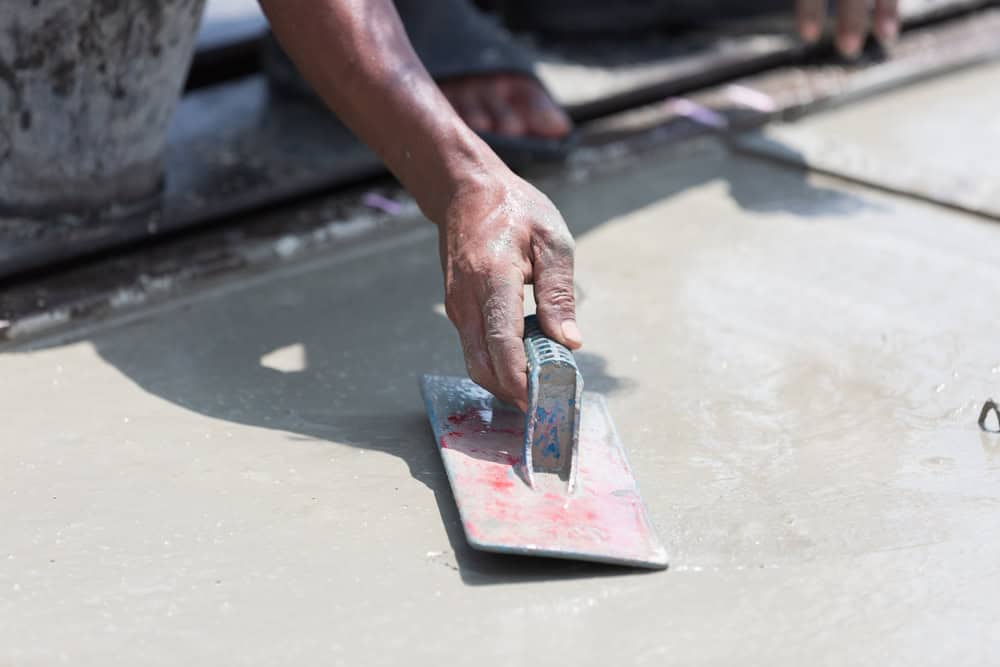
Your project starts with an in-person estimate where we evaluate your property’s specific conditions. Sandy soil, drainage patterns, grade requirements—everything that affects how your masonry will perform long-term.
Next comes proper excavation below frost line, typically 8-10 inches deep in our area. We install crushed stone base material with the right compaction for Long Island conditions. Drainage planning happens now, not as an afterthought.
Installation uses certified materials from Cambridge, Techo-Bloc, Unilock, or other premium manufacturers. Edge restraints prevent shifting. Proper backfilling and final grading ensure water moves away from structures instead of pooling behind them.
Ready to get started?
Your masonry project includes everything needed to handle East Farmingdale’s specific challenges. We excavate deeper than many contractors because our sandy soil requires it. Drainage systems include weep holes and proper gravel backfill to manage hydrostatic pressure.
Material selection considers salt air exposure from our coastal location. Freeze-thaw cycles that destroy poorly installed work. The way water moves across Long Island properties during heavy rains and snowmelt.
Projects include paver patios, driveways, walkways, retaining walls, outdoor kitchens, fire features, and poolscape installations. Each one engineered for our local conditions with certified materials and proper installation techniques that prevent the settling and cracking issues common with less experienced contractors.

Proper excavation depth in East Farmingdale typically ranges from 8-10 inches, but can go deeper depending on your specific soil conditions and project requirements. Long Island’s sandy soil composition requires reaching below the frost line to prevent heaving during freeze-thaw cycles.
We evaluate each property individually because soil conditions can vary even within the same neighborhood. Areas with poor drainage or high water tables may need additional depth and specialized base preparation. This upfront assessment prevents settling and structural issues that plague projects where contractors skip proper site evaluation.
Effective drainage for Long Island masonry requires understanding how water moves across your property during heavy rains and snowmelt. We install integrated weep holes in retaining walls, proper gravel backfill behind structures, and grade surfaces to direct water away from foundations.
French drains work well for properties with high water tables or areas where water tends to collect. The key is planning drainage during design, not trying to fix problems after installation. Long Island’s rainfall patterns and coastal moisture create unique challenges that require specialized solutions tailored to each property’s specific conditions.
Sandy soil requires different techniques than clay or loam soils found in other regions. We spend extra time on base layer preparation and compaction to create stable foundations that won’t shift over time. This includes proper material selection for base layers and understanding how our soil drains.
The advantage of sandy soil is excellent drainage, but it can create concentrated water flow that undermines foundations if not managed properly. We use specialized compaction techniques and sometimes add stabilizing materials to ensure your masonry stays level and stable through seasonal changes and weather extremes.
Owner involvement makes the biggest difference. Iain Traynor handles every estimate personally and stays involved throughout your project. You’re not dealing with sales reps who disappear once contracts are signed, or crews who show up without understanding your specific requirements.
We’re certified installers for Cambridge, Techo-Bloc, Unilock, Nicolock, Eldorado, and Boral materials. Licensed in Suffolk County, Nassau County, Southampton, and East Hampton. Most importantly, we understand Long Island conditions and engineer solutions that address coastal moisture, sandy soil, and freeze-thaw cycles that destroy improperly installed work.
Properly installed masonry should last decades in Long Island’s climate, but installation quality makes all the difference. Projects with proper excavation, drainage, and base preparation handle our freeze-thaw cycles and coastal conditions without settling or cracking.
Poor installations start showing problems within a few seasons—settling pavers, cracking walls, water damage from inadequate drainage. We engineer installations to handle Long Island conditions specifically, using techniques and materials proven to perform in our coastal environment. The investment in proper installation pays off through decades of stable, beautiful outdoor spaces.
Yes, we handle all necessary permits and inspections for your masonry project in East Farmingdale and throughout our service area. Building codes vary between Nassau County, Suffolk County, and individual townships, so local knowledge matters.
We’re familiar with requirements in East Farmingdale and work directly with local building departments to ensure your project meets all codes and regulations. This includes structural requirements for retaining walls, drainage specifications, and setback requirements. Proper permitting protects your investment and prevents issues when selling your property.