

Hear from Our Customers

Your Long Island property faces unique challenges most contractors don’t understand. Sandy soil that shifts. Coastal moisture that penetrates. Freeze-thaw cycles that crack inferior work within seasons.
You get outdoor spaces built specifically for these conditions. Proper excavation to 8-10 inches. Strategic base layering that accounts for soil movement. Drainage systems that actually work with Long Island’s rainfall patterns.
No callbacks for settling pavers or cracking walls. No water pooling where it shouldn’t. Just masonry that performs exactly as intended, year after year, through everything Long Island weather throws at it.
We understand what many masonry contractors in Brentwood miss. Long Island’s sandy soil requires specific compaction techniques. Coastal conditions demand proper moisture management. Local codes have requirements that generic approaches simply don’t address.
Owner Iain Traynor brings union masonry experience and carpentry background to every project. He’s involved in your estimate, planning, and execution—not just the sales pitch. You work with consistent crews who know your project from start to finish.
We’re licensed in Suffolk and Nassau Counties with certifications from Cambridge, Techo-Bloc, Unilock, and other leading manufacturers. This isn’t just paperwork—it’s proof of technical knowledge that shows in every installation.
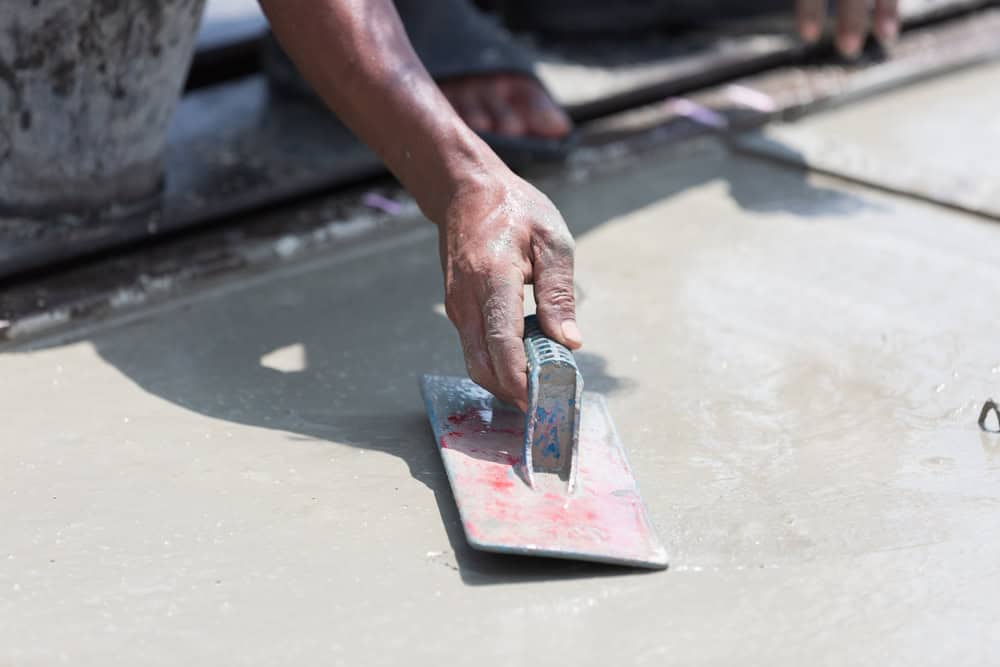
Your project starts with an in-person assessment of your property’s specific conditions. Soil composition, drainage patterns, existing structures—everything that affects long-term performance gets evaluated before any work begins.
Excavation goes to proper depth for your soil type, typically 8-10 inches. Base preparation includes appropriate material selection and compaction techniques that work with Long Island conditions. Drainage planning happens during construction, not as an afterthought.
Installation follows manufacturer specifications and local codes precisely. Edge restraints get installed to prevent shifting. Final grading ensures water moves away from structures. You get a walkthrough explaining maintenance requirements and warranty coverage before we consider the job complete.
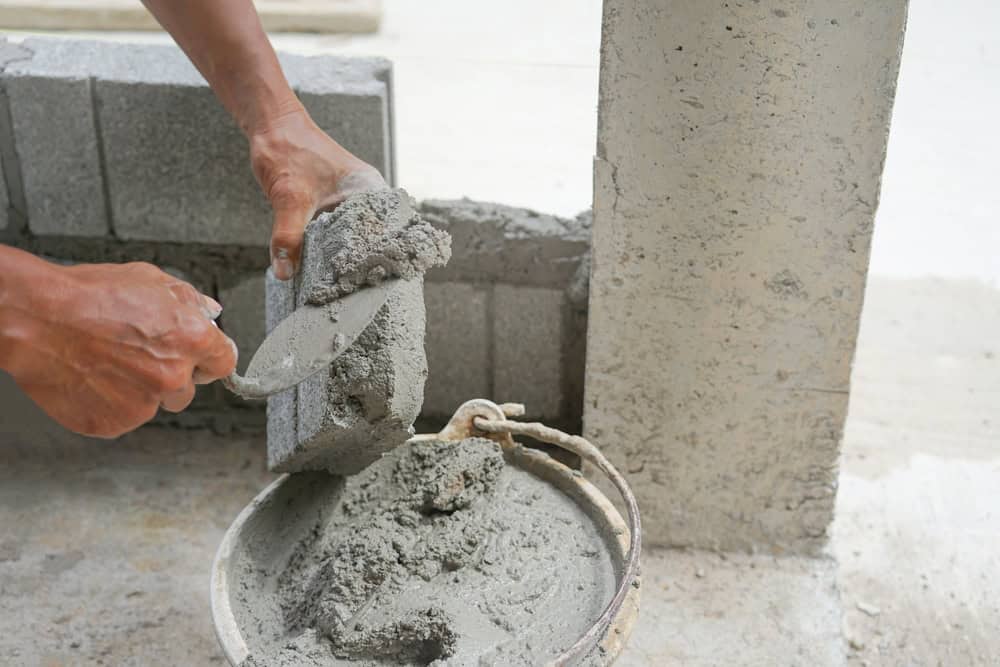
Ready to get started?
Brentwood homeowners deal with specific challenges that require specialized solutions. Sandy soil that doesn’t provide stable foundation support. High water table conditions that affect drainage. Seasonal temperature swings that cause expansion and contraction in inferior installations.
Our masonry services address these local realities directly. Paver patios and driveways get proper base preparation that prevents settling. Retaining walls include drainage systems designed for Long Island’s rainfall patterns. Outdoor kitchens and fire features use materials rated for coastal moisture exposure.
Every project accounts for freeze-thaw cycles that damage improperly installed masonry. We use manufacturer-certified techniques and materials that perform reliably in Nassau and Suffolk County conditions. Your investment stays protected through seasons of weather that destroy shortcuts and generic approaches.

Sandy soil presents unique challenges for masonry contractors in Brentwood because it lacks the natural compaction of clay-based soils. Water moves through it quickly, which sounds good but actually creates instability issues for foundations and base layers.
Proper installation requires excavating deeper than standard depths—typically 8-10 inches instead of the 6 inches some contractors use. The base material needs specific gradation and compaction techniques that work with sandy conditions. Edge restraints become critical because sand provides less lateral support than other soil types.
We also account for seasonal moisture changes that affect sandy soil differently than clay. Drainage systems get designed to work with rapid water movement rather than fighting it. This prevents the undermining and settling issues that plague improperly installed masonry on Long Island properties.
Coastal conditions in Brentwood create moisture challenges that inland contractors often underestimate. Salt air accelerates corrosion of metal components. Higher humidity affects mortar curing. Seasonal storms bring wind-driven rain that tests every joint and connection.
Material selection becomes critical in these conditions. We use stainless steel or hot-dip galvanized hardware that resists coastal corrosion. Mortar mixes get adjusted for proper curing in high humidity. Sealers and protective treatments are specified based on actual exposure conditions, not generic recommendations.
Drainage planning also differs significantly. Coastal areas deal with higher water tables and storm surge potential. Our installations include drainage systems designed for these realities, not standard suburban conditions. This prevents the water damage and structural issues that affect masonry installed without considering coastal environmental factors.
Freeze-thaw cycles are particularly damaging to masonry in Long Island because our climate creates frequent temperature fluctuations around the freezing point. Water penetrates small cracks, freezes, expands, and creates larger cracks that worsen with each cycle.
Prevention starts with proper material selection and installation techniques. We use freeze-thaw rated materials and ensure proper drainage so water doesn’t accumulate in vulnerable areas. Joint spacing and sealant selection account for thermal movement that happens with temperature changes.
Base preparation is equally important. Proper compaction and drainage prevent water from accumulating beneath installations where freeze-thaw damage often starts. We also install appropriate expansion joints and use flexible sealants that accommodate seasonal movement without cracking or failing.
Local licensing and experience with Long Island conditions should be your first priorities. Many contractors work multiple regions without understanding the specific challenges sandy soil and coastal climate create for masonry installations.
Verify licensing in Suffolk County and check for manufacturer certifications from companies like Cambridge, Techo-Bloc, or Unilock. These certifications require technical training and demonstrate knowledge of proper installation techniques. Ask about their specific approach to base preparation and drainage in sandy soil conditions.
Request references from recent projects in similar soil conditions, not just any masonry work. A contractor who excels with clay soil in Connecticut may struggle with the sandy conditions common in Brentwood. Look for someone who can explain how their techniques address local environmental factors, not just general masonry principles.
Properly installed masonry should perform reliably for decades in Long Island conditions, but longevity depends heavily on installation quality and material selection. Shortcuts in base preparation or drainage typically show problems within the first few seasons.
Quality paver installations with proper base preparation should maintain their appearance and structural integrity for 20-30 years or more. Natural stone work, when properly installed with appropriate mortar and drainage, can last generations. The key is accounting for local soil and climate conditions during installation.
Maintenance requirements vary by installation type, but properly designed systems need minimal intervention. Annual cleaning and occasional sealant renewal typically suffice for most installations. If you’re dealing with frequent repairs or recurring problems, the original installation likely didn’t account for Long Island’s specific environmental challenges.
Our masonry services cover the complete range of outdoor construction needs for Brentwood homeowners. This includes paver patios and driveways, retaining walls, outdoor kitchens, fire features, water features, and complete poolscape installations.
Each project includes proper site assessment, excavation to appropriate depth for soil conditions, base preparation using specified materials and techniques, and installation following manufacturer requirements. Drainage planning is integrated throughout the process, not added as an afterthought.
We also provide detailed maintenance guidance and warranty coverage that reflects actual Long Island conditions. You get direct communication with owner Iain Traynor throughout the project, consistent crews who know your specific installation, and follow-up to ensure everything performs as intended through seasonal changes.