Discover essential maintenance techniques to protect your masonry surfaces from Long Island's harsh weather and extend their lifespan significantly.
Share:
Summary:
Your masonry surfaces face a perfect storm of challenges here on Long Island. The coastal moisture, sandy soil conditions, and dramatic temperature swings create unique stresses that many contractors don’t fully address during installation.
The freeze-thaw cycle happens when water gets into small cracks and holes in masonry materials. When temperatures drop below freezing, that water turns into ice and expands, pushing against the material from the inside, and this cycle repeats over and over with each freeze.
What makes Long Island particularly challenging is our proximity to salt air and the frequency of these temperature fluctuations. Water expands by about 9% when it freezes, and in areas with cold winters and lots of freezing and thawing, this cycle can happen dozens of times in a season.
Understanding exactly how freeze-thaw damage occurs helps you prevent it before it starts. Concrete, bricks, blocks, and stone all have tiny cracks and pores that fill with water when wet. When temperatures drop, this water freezes and expands, putting pressure on the cracks and widening these weak spots.
The insidious part is how this damage compounds over time. When ice thaws, water drains away leaving bigger cracks. This cycle repeats, gradually breaking down the material until pieces crumble or fall off. What starts as barely visible hairline cracks becomes major structural damage requiring expensive replacement.
Freeze-thaw damage is worst where temperatures often hover around 0°C, causing repeated freezing and thawing cycles that widen cracks and let in more water. Luckily, severe damage requires high moisture levels, around 90% saturation.
This is why proper drainage and moisture management are absolutely critical for Long Island masonry. You can’t stop the weather, but you can control how much water reaches your surfaces and how quickly it drains away. The key is creating conditions where your masonry never reaches that dangerous saturation level.
Your paver joints, mortar lines, and surface texture all play roles in either protecting against or accelerating freeze-thaw damage. When these elements work together properly, they channel water away from vulnerable areas and prevent the saturation that leads to cracking.
Understanding exactly how freeze-thaw damage occurs helps you prevent it before it starts. Concrete, bricks, blocks, and stone all have tiny cracks and pores that fill with water when wet. When temperatures drop, this water freezes and expands, putting pressure on the cracks and widening these weak spots.
The insidious part is how this damage compounds over time. When ice thaws, water drains away leaving bigger cracks. This cycle repeats, gradually breaking down the material until pieces crumble or fall off. What starts as barely visible hairline cracks becomes major structural damage requiring expensive replacement.
Freeze-thaw damage is worst where temperatures often hover around 0°C, causing repeated freezing and thawing cycles that widen cracks and let in more water. Luckily, severe damage requires high moisture levels, around 90% saturation.
This is why proper drainage and moisture management are absolutely critical for Long Island masonry. You can’t stop the weather, but you can control how much water reaches your surfaces and how quickly it drains away. The key is creating conditions where your masonry never reaches that dangerous saturation level.
Your paver joints, mortar lines, and surface texture all play roles in either protecting against or accelerating freeze-thaw damage. When these elements work together properly, they channel water away from vulnerable areas and prevent the saturation that leads to cracking.
Effective masonry maintenance isn’t about expensive products or complex procedures. It’s about consistent, targeted actions that address the specific ways your surfaces deteriorate. The most successful maintenance programs focus on three core areas: moisture control, joint integrity, and surface protection.
Preventing water from getting into your brickwork or concrete is the best way to avoid freeze-thaw damage. Once water gets in and freezes, it expands, causing cracks and long-term structural issues. Stopping moisture at the source is key, and keeping water away from your walls and surfaces prevents most problems before they start.
The timing of your maintenance activities matters as much as the techniques themselves. Long Island’s climate creates specific windows when certain maintenance tasks are most effective and longest-lasting.
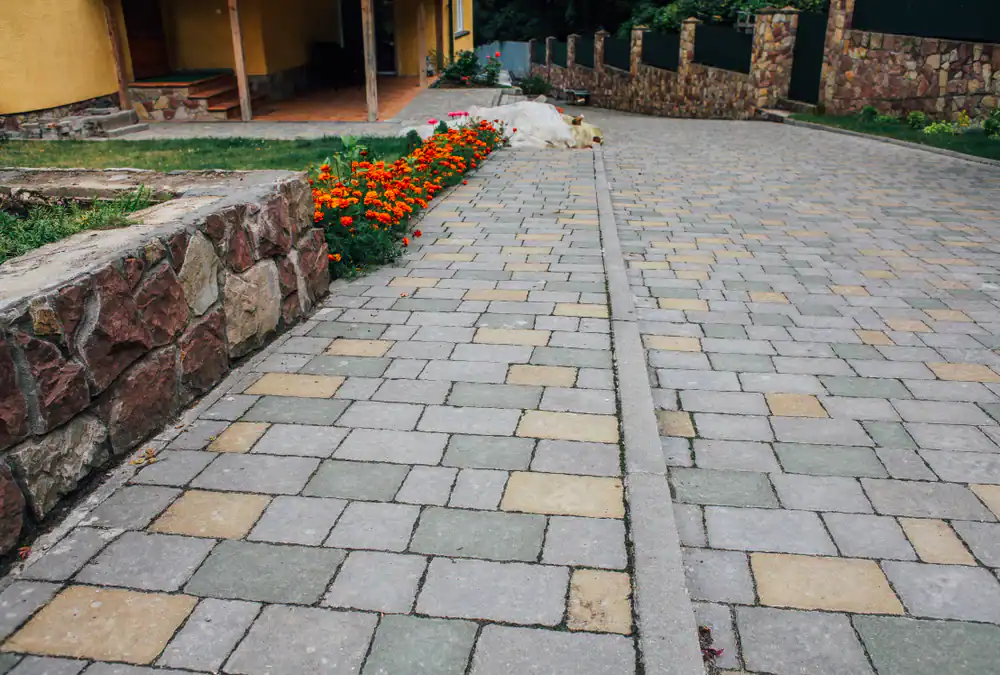
Sealing pavers is crucial for long-term protection. Over time, pavers can fade, crack, or become stained, but with proper sealing, you can extend the life of your pavers and boost the appearance of your surfaces.
The key to successful sealing is understanding that not all sealers work the same way. You need breathable water-repellent sealants designed for exterior brick or blockwork. These help reduce water absorption through cracks and pores without trapping moisture inside the materials.
Timing your sealing application is critical for Long Island conditions. Apply sealers during dry periods when temperatures will remain above 50°F for at least 48 hours after application. This typically means late spring through early fall, avoiding the humid summer months when moisture levels are highest.
The sealing process should include assessment of surface condition, thorough cleaning before sealing, and proper preparation. Whether your pavers are brand new or older, they need to be in top condition and completely clean for best results.
Different masonry materials require different sealing approaches. Concrete pavers respond well to acrylic-based sealers that enhance color while providing protection. Natural stone surfaces often need penetrating sealers that don’t change the appearance but create an invisible moisture barrier.
Every few years, you might need to refresh the polymeric sand between joints. This typically runs $100 to $300 for an average driveway and takes just a few hours. The sand helps lock pavers together and keeps weeds from growing between them.
Watch for signs that resealing is needed: water absorption instead of beading, faded colors, or increased staining. Most properly sealed surfaces need resealing every 3-5 years, but Long Island’s harsh conditions may require more frequent attention.
Water management separates successful masonry installations from those that fail prematurely. Gutters and roof overhangs help direct rainwater away from masonry, so check they’re working properly, especially in winter.
Proper drainage starts with understanding how water moves across your property. Look for areas where water pools during heavy rains or snow melts. These spots indicate drainage problems that will eventually cause masonry damage if not addressed.
Proper drainage is crucial to the longevity and functionality of your driveway. This includes both surface drainage that moves water away quickly and subsurface drainage that prevents water from accumulating under your masonry.
Check your masonry surfaces after every significant rain event. Water should drain away within a few hours, not pool in low spots or against edges. If you see standing water, you have a drainage issue that needs immediate attention.
Joint sand plays a crucial role in drainage management. Proper joint preparation and sealing techniques ensure the sealant penetrates deeply to protect against water and UV damage. When joints are properly filled and maintained, they channel water away from the base materials.
Consider the grade around your masonry surfaces. Water should always flow away from structures and toward appropriate drainage areas. Even small grade adjustments can make dramatic differences in how water affects your surfaces.
Regular maintenance of drainage systems prevents most water-related masonry problems. Clean gutters, clear drain outlets, and properly functioning downspouts protect your investment far more effectively than any sealer or repair product.
Your masonry surfaces can provide decades of beautiful, functional service when maintained properly. Concrete pavers typically last 30 to 50 years with minimal maintenance, nearly double the life of asphalt driveways, and properly installed pavers that still look fantastic after 40+ years prove that quality maintenance pays off.
The key is consistency rather than perfection. Regular attention to drainage, timely sealing, and prompt repair of small issues prevents the major problems that require expensive solutions. For a standard 480 square foot driveway, most homeowners spend $200 to $400 annually on maintenance, including cleaning, sand refresh costs, and occasional small repairs.
Remember that professional guidance makes a significant difference in maintenance success. When you need expert advice or professional maintenance services, we at Stone Escapes Masonry & Outdoor Design Inc have the experience and local knowledge to keep your masonry surfaces looking and performing their best for years to come.
Article details:
Share:
Continue learning: