Retaining Wall Contractor in Westhampton

Walls Built for Long Island's Toughest Conditions

Sandy soil, coastal storms, and drainage challenges demand specialized expertise—not guesswork.
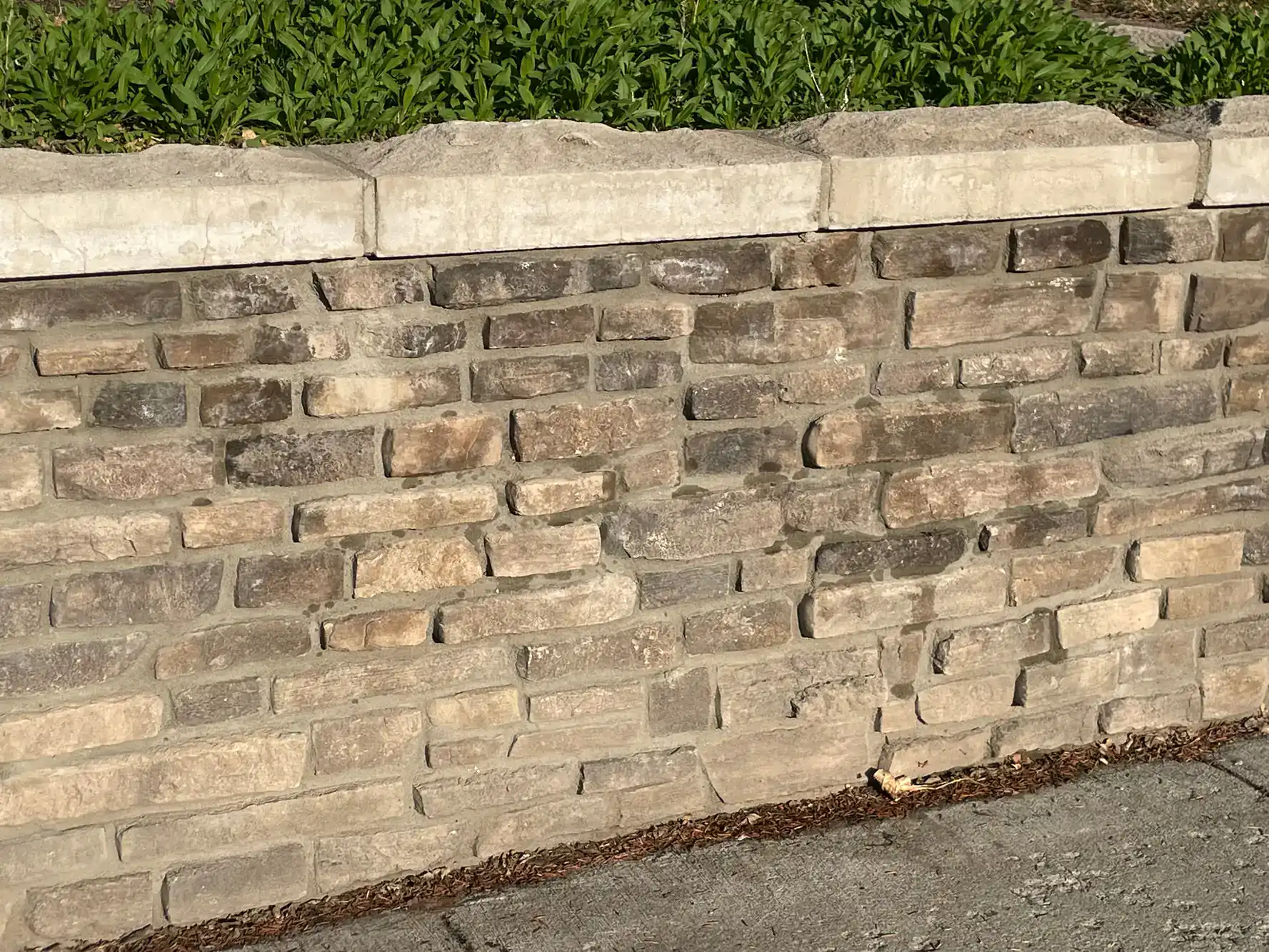
A stone retaining wall made of rectangular, tan and brown bricks supports a raised bed with green plants. Sunlight casts shadows on the textured wall and gray sidewalk below.

Hear from Our Customers

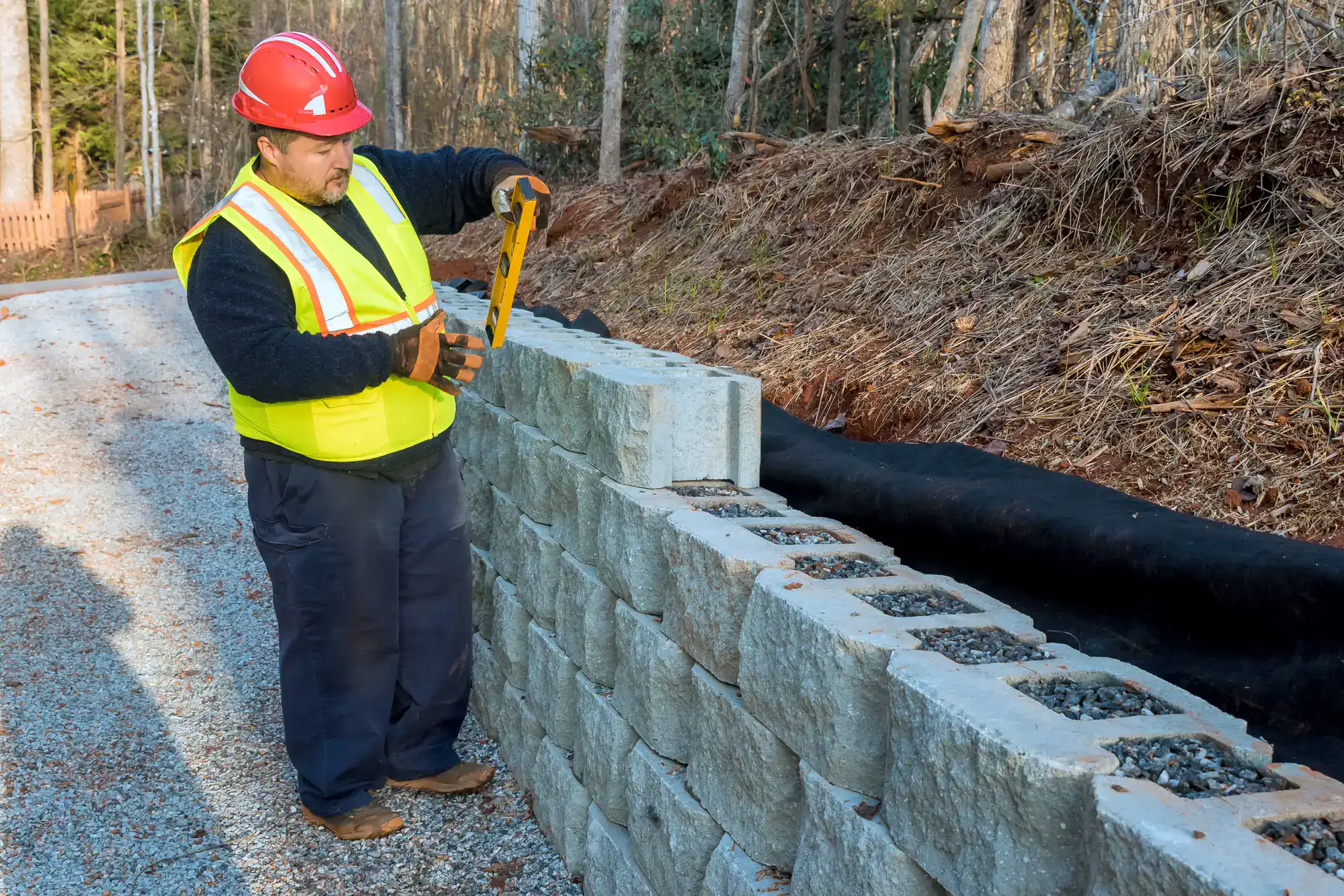
A construction worker in a yellow safety vest and red helmet uses a level to check concrete blocks while building a retaining wall next to a gravel road and a slope with trees.

Retaining Wall Installation Westhampton

Transform Problem Slopes Into Valuable Space
Your sloped yard isn’t just an eyesore—it’s a liability waiting to happen. Every heavy rain threatens to wash away soil, damage your foundation, and turn your landscape investment into a muddy mess. When we build your retaining wall, you get level ground where you once had unusable slopes. No more watching topsoil disappear down the hill. No more standing water that breeds mosquitoes and kills your grass. Instead, you have stable, usable space for gardens, patios, or simply a yard that doesn’t require constant repair. The difference shows immediately. Your drainage problems disappear. Your property value increases. And you finally have the outdoor space you’ve been wanting—without the constant worry about what the next storm might wash away.

Stone Wall Installer Westhampton

Licensed Masonry Contractor, Long Island Specialist
We’ve been solving Long Island’s toughest retaining wall challenges for property owners throughout Suffolk and Nassau Counties. Iain Traynor, our company owner, brings union masonry experience and carpentry expertise to every project—and he’s still the one doing your estimates and overseeing your installation. We’re not a franchise operation or a company that sends different crews to every job. You work directly with experienced professionals who understand Westhampton’s sandy soil, high water tables, and coastal weather patterns. Our certifications from Cambridge, Techo-Bloc, Unilock, Nicolock, Eldorado, and Boral mean we use proven materials designed for Long Island conditions. Every wall we build includes proper excavation to 8-10 inches, engineered base layering, drainage planning, and edge restraint installation. These aren’t shortcuts—they’re necessities for walls that need to handle freeze-thaw cycles, coastal moisture, and the soil movement that comes with Long Island’s unique geology.

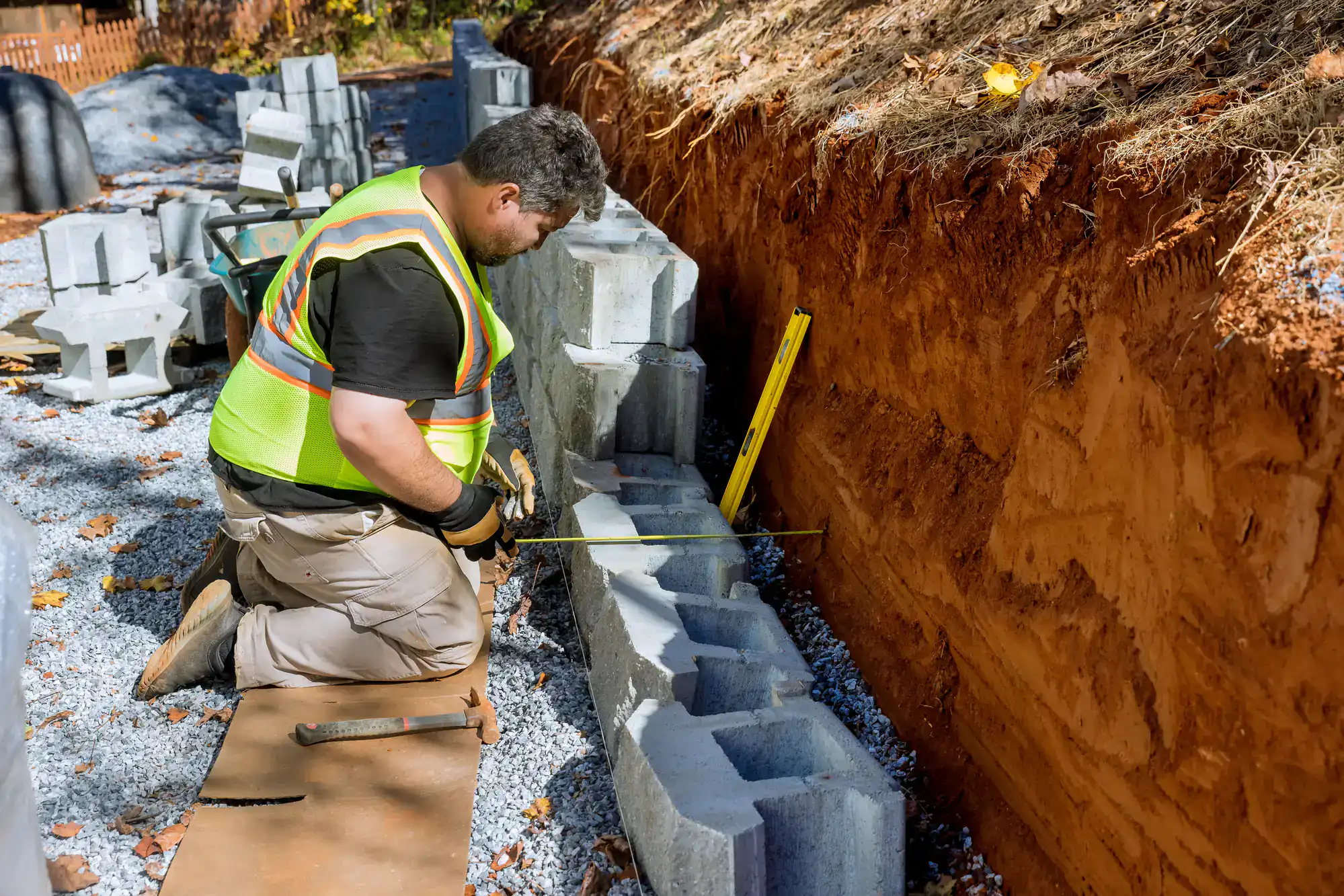
A construction worker in a safety vest kneels on gravel, measuring concrete blocks as he builds a retaining wall beside an exposed dirt slope. Tools and blocks are scattered around the worksite.

Retaining Wall Builder Westhampton

Engineered Process for Long Island Conditions
First, we assess your specific site conditions—soil type, drainage patterns, and slope requirements. This isn’t a quick walk-around. We need to understand how water moves on your property and what your soil composition looks like at depth. Next comes proper excavation. Long Island properties require foundations 30-36 inches deep to reach below the frost line. We excavate to the right depth, install the correct base materials, and ensure proper compaction. Shortcuts here mean wall failure later. The installation phase includes setting each course level, installing drainage systems behind the wall, and backfilling with appropriate materials. We don’t just stack blocks—we engineer each layer for the specific pressures and conditions your wall will face. Finally, we handle all finishing work, site cleanup, and walk you through proper maintenance to keep your investment protected for decades.
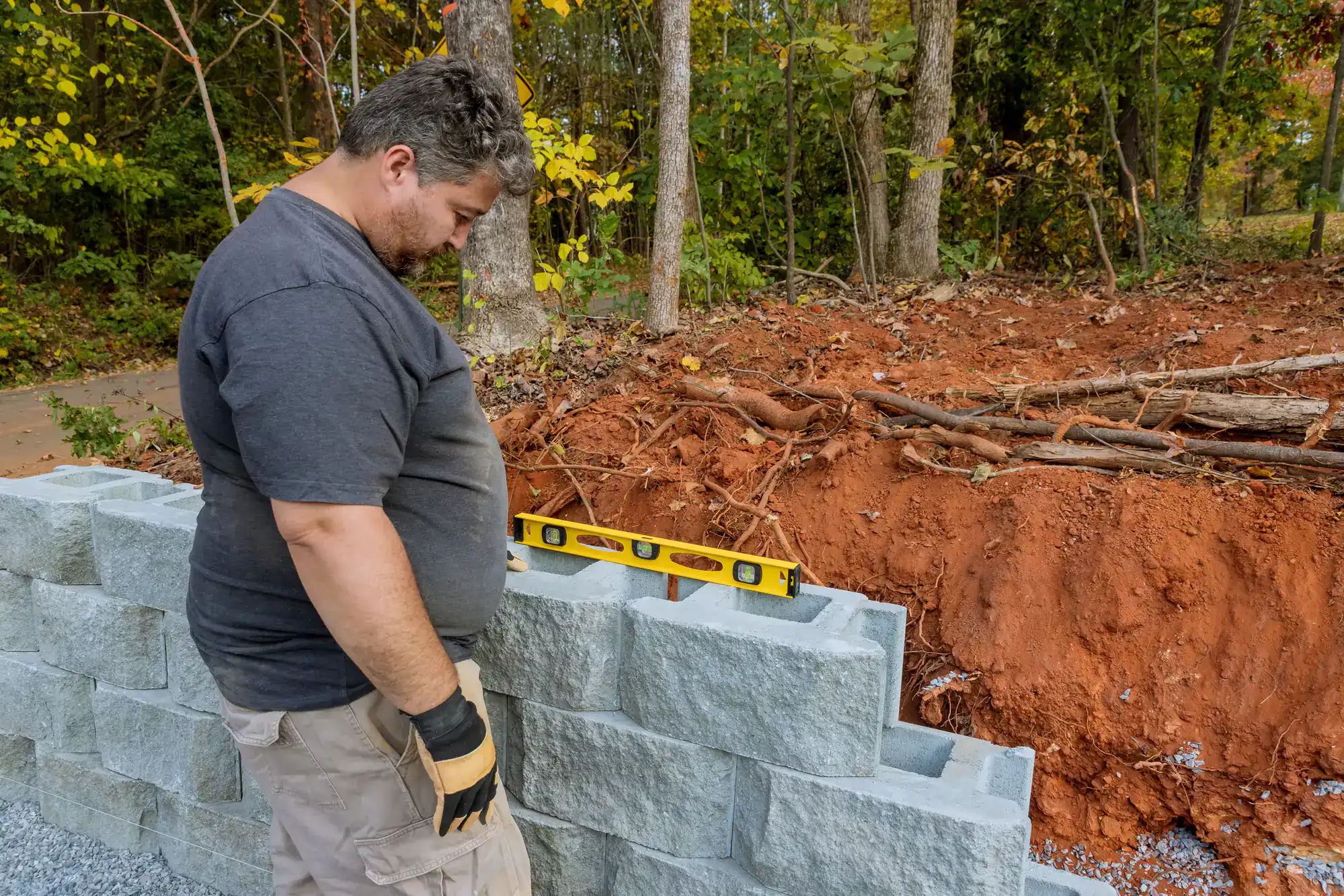
A man wearing gloves checks the level of a gray stone retaining wall with a yellow spirit level, next to a dirt embankment and forested area.

Ready to get started?

Explore More Services

About Stone Escapes Masonry & Outdoor Design

Get a Free Consultation

Retaining Wall Specialist Westhampton

What Your Wall Installation Includes
Every retaining wall project includes comprehensive site preparation designed specifically for Westhampton’s conditions. You get proper excavation depth, engineered base installation, and drainage systems that prevent the hydrostatic pressure buildup that destroys most walls. We use manufacturer-certified materials from companies like Cambridge and Unilock—not generic blocks that might look similar but lack the engineering specifications for Long Island’s freeze-thaw cycles and coastal exposure. Your wall includes proper edge restraints, backfill materials selected for drainage and stability, and installation techniques that account for the soil movement common in sandy conditions. Westhampton properties face unique challenges from coastal storms and seasonal water level fluctuations. Your installation includes enhanced drainage measures, corrosion-resistant components where needed, and construction techniques that accommodate the slight movement that’s normal in sandy soil while maintaining structural integrity. This isn’t cookie-cutter work—it’s engineering for your specific environment.
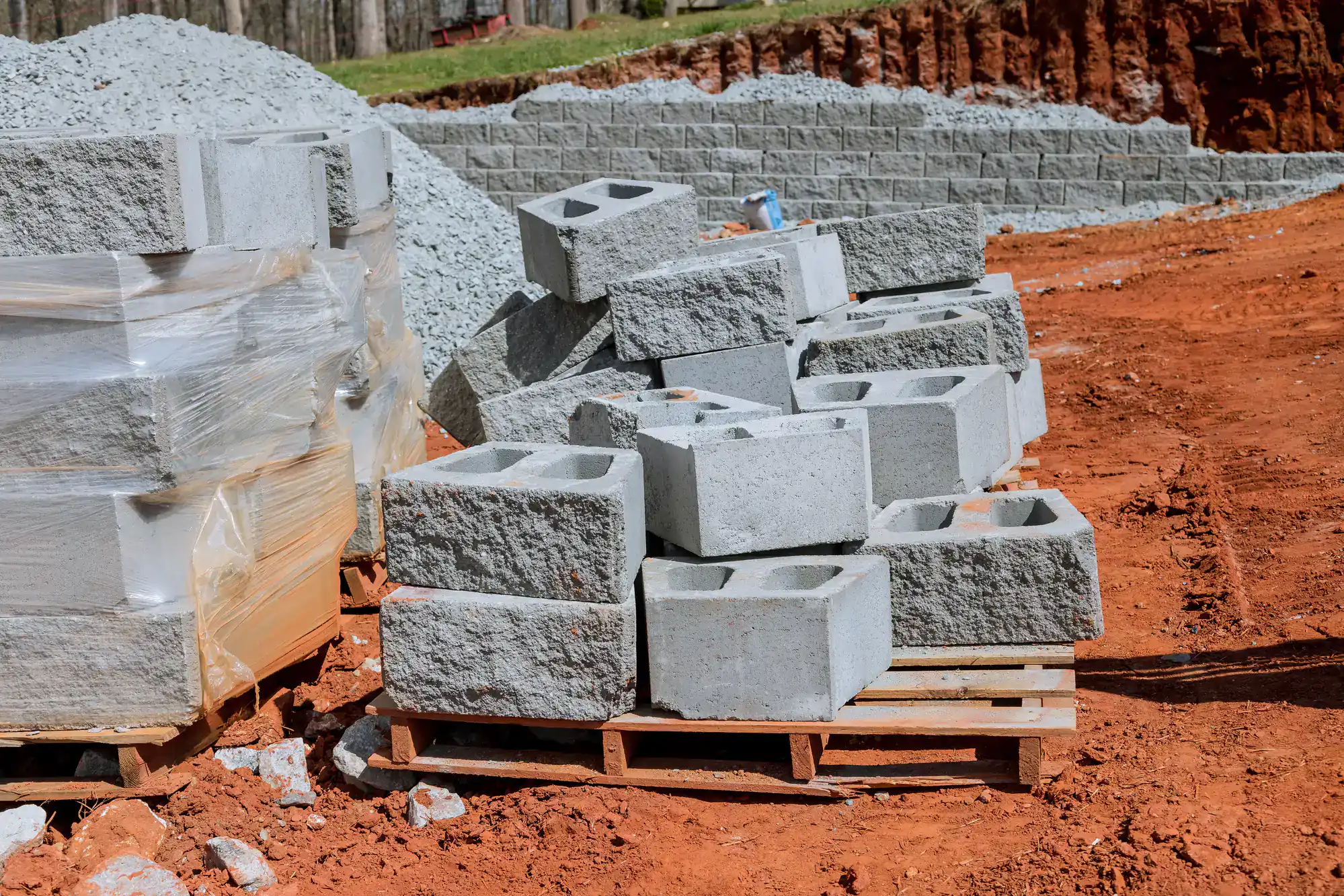
A stack of concrete cinder blocks is arranged on wooden pallets at a construction site with red soil and gravel. Wrapped blocks and a partially built stone retaining wall are visible in the background.

How deep do retaining wall foundations need to be in Westhampton?

Long Island properties require foundations 30-36 inches deep to reach below the frost line and ensure stability in sandy soil conditions. This depth prevents frost heave that can cause wall failure over time. The exact depth depends on your specific soil conditions and wall height, but anything less than 30 inches risks problems when the ground freezes and thaws. We excavate to the proper depth for your site, install crushed stone base material with proper compaction, and ensure the foundation can handle both the weight of the wall and the pressure from soil and water behind it. Shallow foundations are one of the most common causes of retaining wall failure on Long Island. The sandy soil that drains well in summer can still hold enough moisture to create frost heave in winter, and walls without proper foundation depth will shift, crack, or lean over time.
Poor drainage is the number one cause of retaining wall failure everywhere, but Long Island’s conditions make this even more critical. The sandy soil drains quickly most of the time, but heavy rains from nor’easters and hurricanes can saturate slopes and create dangerous hydrostatic pressure behind walls. Many contractors don’t account for Long Island’s high water tables and seasonal water level fluctuations. They install walls without proper drainage systems, use inappropriate backfill materials, or skip the edge restraints that prevent shifting in sandy soil. When water builds up behind the wall with no place to go, it creates pressure that cracks, leans, or collapses the structure. The coastal climate also brings salt air exposure and freeze-thaw cycles that require specific materials and construction techniques. Walls built with inland methods simply don’t last in our environment. That’s why we use manufacturer-certified materials and installation techniques designed specifically for coastal conditions.
Sandy soil offers excellent drainage but requires deeper foundations and specialized backfill materials to ensure long-term stability. Unlike clay soil that holds together, sand shifts easily and doesn’t provide much lateral support for wall foundations. This means we need to excavate deeper, use more robust base preparation, and select backfill materials that provide both drainage and structural support. The walls also need to accommodate slight movement that’s normal in sandy conditions while maintaining their structural integrity over time. Long Island’s sandy soil composition, formed by glacial deposits, also means we’re dealing with varying soil conditions even within the same property. Some areas might have more clay content, others more sand, and the water table can vary seasonally. Proper site assessment and engineered solutions are essential for walls that perform reliably in these conditions.
Professional retaining wall installation in the Long Island area typically costs $25-45 per square foot for segmental block systems, with costs varying based on wall height, site access, and specific material selection. Natural stone walls and more complex installations can range higher. The total project cost depends on several factors including wall length and height, site preparation requirements, drainage system complexity, and material choices. A typical residential retaining wall project in Westhampton ranges from $8,000 to $25,000, but every site is different. We provide detailed estimates that break down all costs including excavation, materials, drainage systems, and installation labor. There are no surprise charges or change orders for conditions we should have anticipated. The estimate you receive includes everything needed to complete your wall properly for Long Island conditions.
Most municipalities require permits for retaining walls over 3-4 feet tall, and some have additional requirements for walls in flood zones or near property lines. Westhampton has specific regulations that vary depending on your property location and the wall’s purpose. We handle permit applications as part of our service and ensure your wall meets all local building codes and engineering requirements. Walls over 4 feet typically need structural engineer approval, which we coordinate to keep your project on schedule. Skipping permits isn’t worth the risk. If you sell your property later, unpermitted work can create problems during inspections. More importantly, permitted work ensures your wall is built to code standards that protect your safety and investment. We make the permit process straightforward and include all necessary documentation in your project timeline.
With proper materials and expert installation designed for Long Island conditions, your retaining wall should perform reliably for 50-75 years or more. The key is using appropriate construction techniques for our sandy soil, coastal climate, and seasonal weather patterns. Walls that fail early usually have problems with inadequate drainage, improper foundation depth, or materials not suited for coastal exposure. When we build walls with manufacturer-certified materials, proper drainage systems, and construction techniques engineered for Long Island conditions, they’re built to last decades. Regular maintenance helps maximize lifespan, but properly constructed walls require minimal upkeep. Annual inspections for any settling or drainage issues, keeping vegetation away from the wall face, and ensuring drainage systems stay clear are usually all that’s needed to protect your investment for the long term.