Retaining Wall Contractor in Gordon Heights

Walls That Actually Hold Up

Built for Long Island’s sandy soil, coastal moisture, and freeze-thaw cycles—because your property deserves better than a wall that fails in three years.
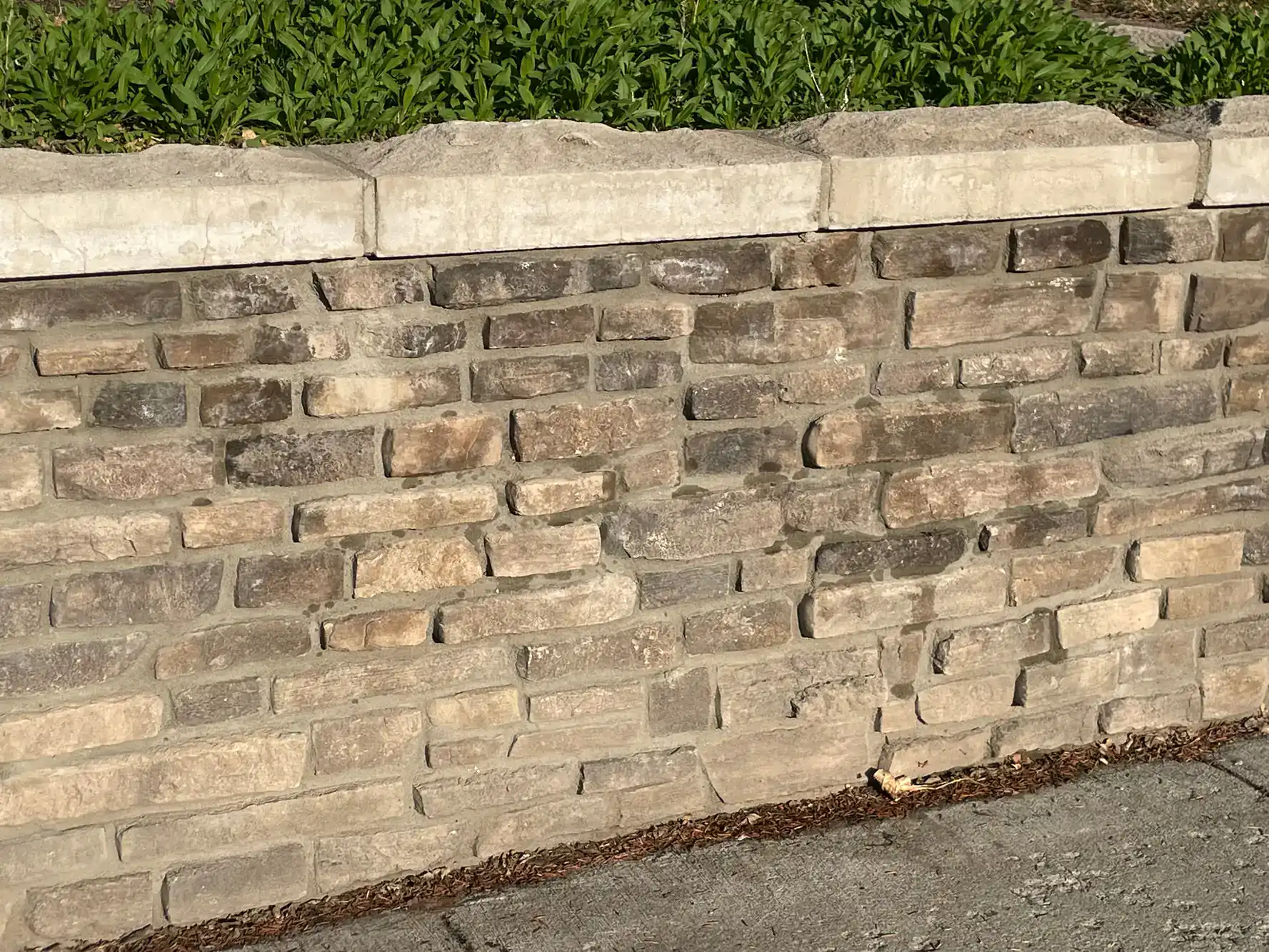
A stone retaining wall made of rectangular, tan and brown bricks supports a raised bed with green plants. Sunlight casts shadows on the textured wall and gray sidewalk below.

Hear from Our Customers

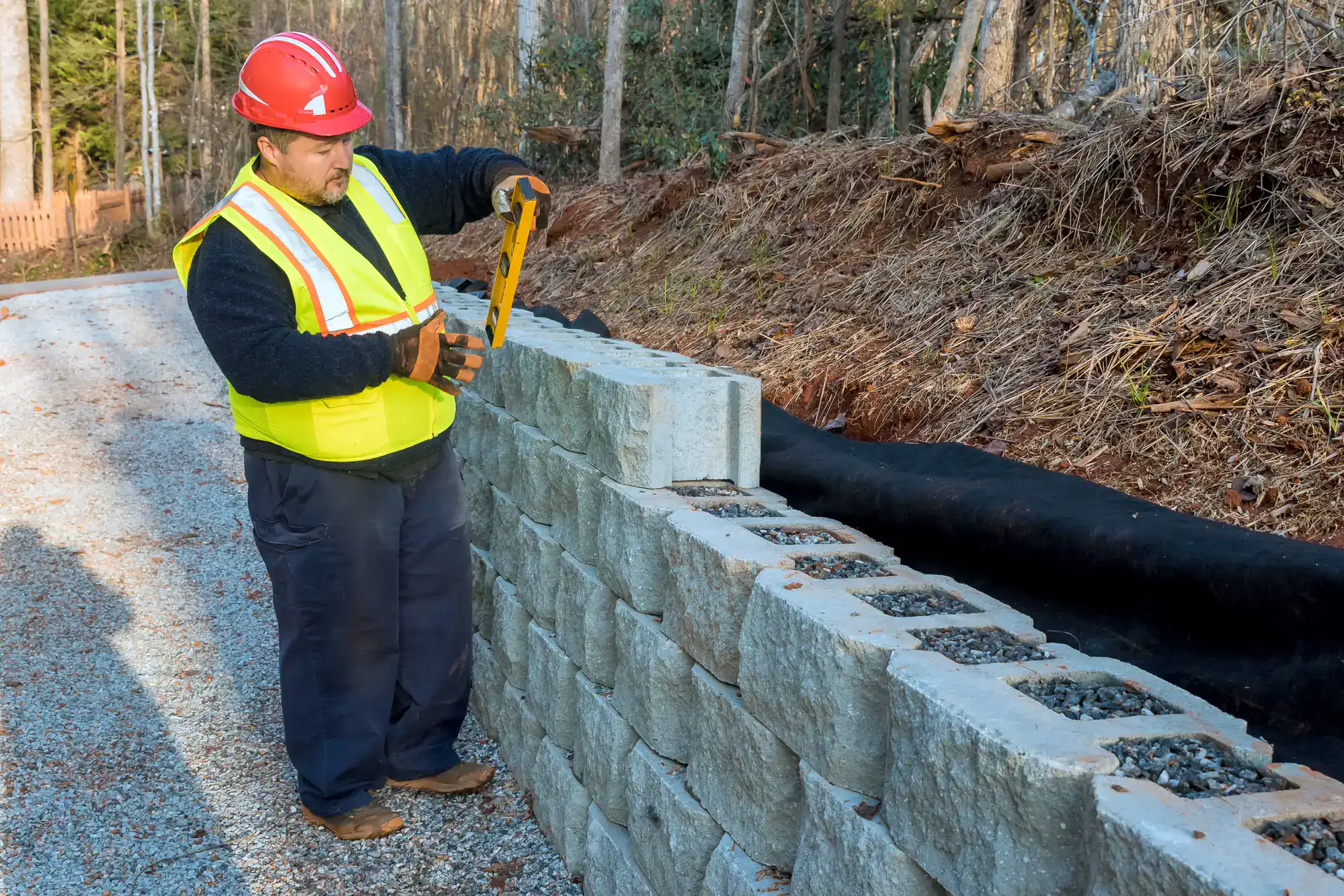
A construction worker in a yellow safety vest and red helmet uses a level to check concrete blocks while building a retaining wall next to a gravel road and a slope with trees.

Gordon Heights Retaining Wall Installation

Turn Problem Slopes Into Usable Space
You’re dealing with water washing away your landscaping after every storm. Your sloped yard is unusable space that could be a patio, garden, or outdoor living area. Maybe you’re watching soil creep toward your foundation, knowing it’s only getting worse. A properly built retaining wall stops all of that. You get level, usable space where there used to be erosion problems. Your drainage issues disappear because water gets directed where it should go instead of pooling against your foundation. The difference isn’t just functional—it’s financial. Properties with well-designed retaining walls see value increases up to 15%, and you finally have outdoor space you can actually use.

Licensed Masonry Contractor Gordon Heights

We Know Long Island Soil
Stone Escapes has been building retaining walls across Suffolk and Nassau Counties for over 15 years. Owner Iain Traynor comes from union masonry and carpentry backgrounds, and he’s still hands-on with estimates, planning, and execution on every project. We’re licensed in Suffolk, Nassau, and the townships across Long Island because we understand what works here. Sandy soil, coastal moisture, freeze-thaw cycles—these aren’t just challenges we read about. We build for them every day. Gordon Heights properties face the same drainage and slope issues we see throughout Long Island. The difference is knowing how to excavate properly, layer the base correctly, and install drainage that actually prevents the water buildup that kills most retaining walls.

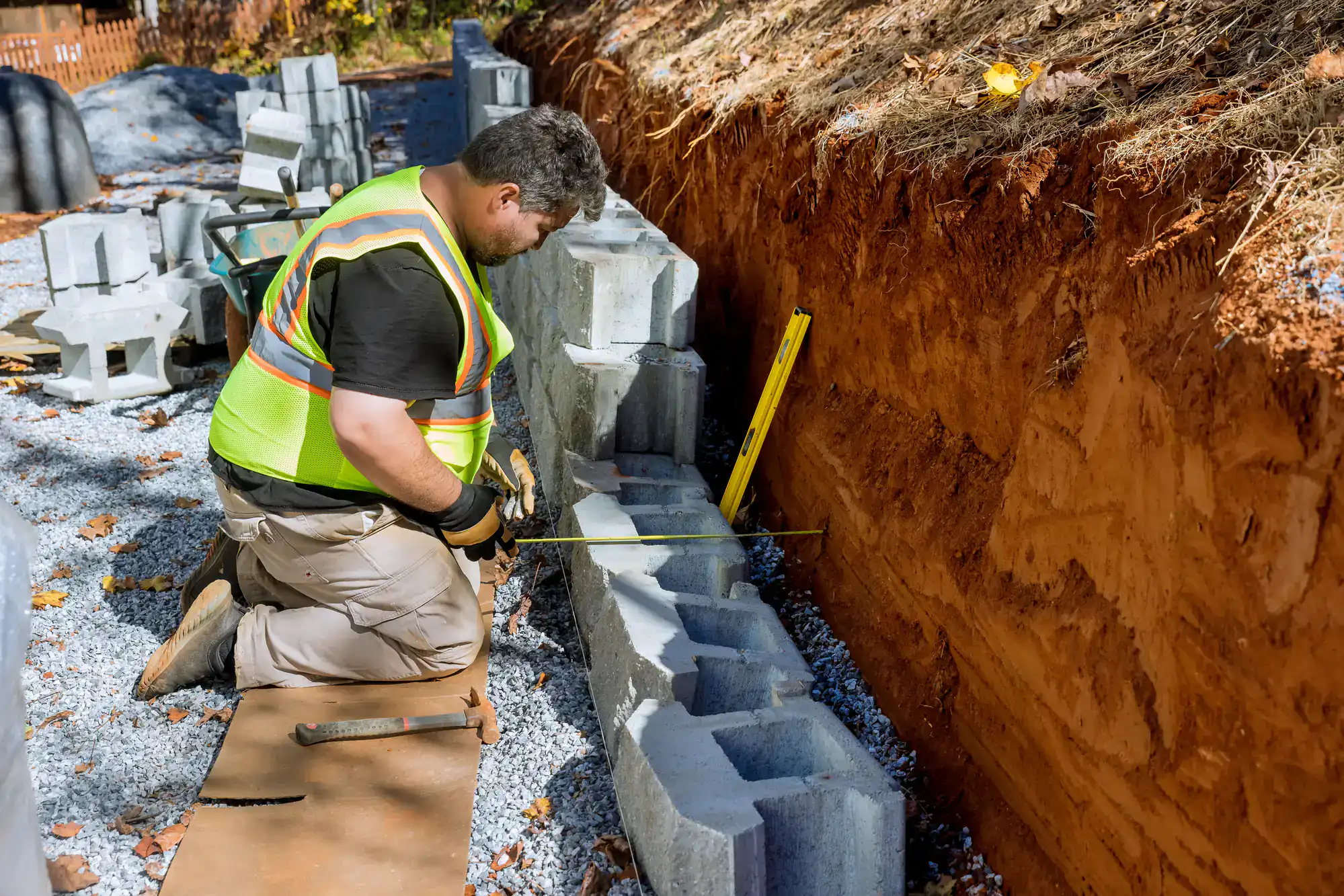
A construction worker in a safety vest kneels on gravel, measuring concrete blocks as he builds a retaining wall beside an exposed dirt slope. Tools and blocks are scattered around the worksite.

Retaining Wall Installation Process Gordon Heights

Built Right From The Ground Up
We start with an in-person estimate where you get direct access to the owner, not a sales rep. Iain evaluates your slope, drainage, and soil conditions to determine exactly what type of wall will work for your specific situation. Excavation goes 8-10 inches deep—deeper than most contractors bother with. We layer the base properly with the right materials for Long Island’s sandy soil conditions. Drainage planning happens during construction, not as an afterthought, because water buildup is the number one cause of retaining wall failure. Each course gets set with proper edge restraints to prevent shifting over time. We backfill with drainage rock and install exit spouts at the correct heights. The same crew that starts your project finishes it, so there’s consistency and accountability throughout the entire process.
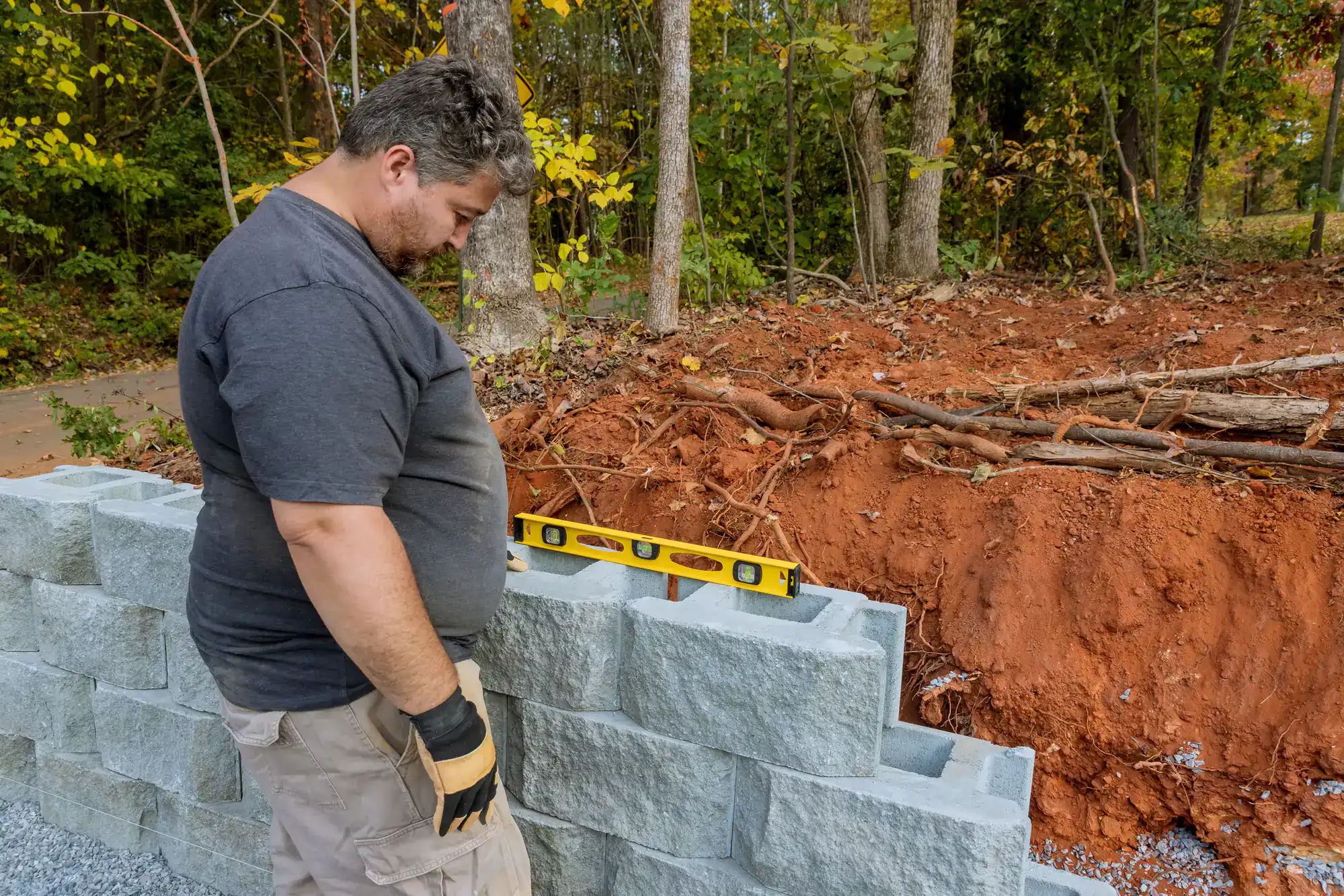
A man wearing gloves checks the level of a gray stone retaining wall with a yellow spirit level, next to a dirt embankment and forested area.

Ready to get started?

Explore More Services

About Stone Escapes Masonry & Outdoor Design

Get a Free Consultation

Stone Wall Contractor Gordon Heights NY

What You Actually Get
Your retaining wall includes proper foundation work that extends below the frost line to prevent heaving during Gordon Heights winters. We use manufacturer-certified materials from Cambridge, Techo-Bloc, Unilock, Nicolock, Eldorado, and Boral—not whatever’s cheapest that week. Drainage systems are built into every wall because Long Island’s high water table and sandy soil create unique challenges. You get perforated pipes, proper backfill materials, and exit spouts positioned to move water away from your foundation and prevent the pressure buildup that causes wall failure. Gordon Heights properties often deal with coastal moisture and salt air exposure. We account for these conditions in material selection and installation methods. Your wall gets built to handle what Long Island weather throws at it, not just what looks good in the short term.
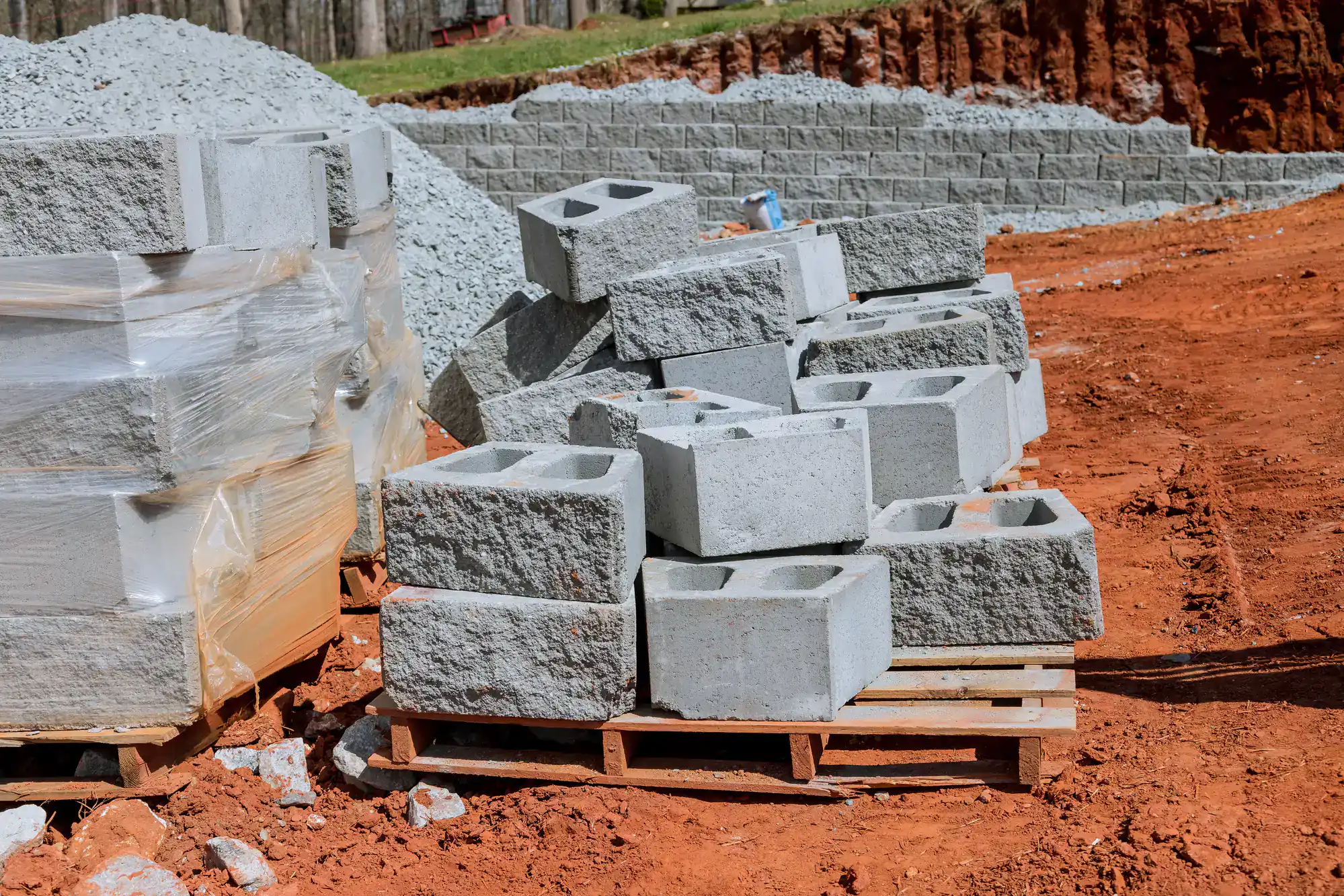
A stack of concrete cinder blocks is arranged on wooden pallets at a construction site with red soil and gravel. Wrapped blocks and a partially built stone retaining wall are visible in the background.

How much does a retaining wall cost in Gordon Heights NY?

Retaining wall costs in Gordon Heights typically run $35-65 per square foot, depending on height, materials, and site conditions. A basic segmental block wall might cost less, while natural stone or walls requiring engineering will cost more. The real cost comes from cutting corners on excavation, drainage, or materials. Cheap installations fail within a few years, and rebuilding costs double what you would have spent doing it right the first time. We provide detailed estimates that break down exactly what you’re getting so there are no surprises. Long Island’s sandy soil and drainage challenges mean proper installation is more important than material choice for long-term value. We’ll walk through your options and explain what makes sense for your specific situation and budget.
Most retaining walls over 3-4 feet require permits in Gordon Heights and throughout Suffolk County. Walls holding back significant soil loads or near property lines often need permits regardless of height. Building without proper permits can create problems when you sell your property. We handle permit applications as part of our service because we know local requirements and have relationships with municipal offices. Engineering may be required for taller walls or challenging soil conditions, which we coordinate with licensed structural engineers. The permit process typically takes 2-4 weeks, but it’s worth doing correctly. Unpermitted work can force you to tear down and rebuild if discovered during inspections or property sales. We make sure everything is legal and documented from the start.
Poor drainage is the number one cause of retaining wall failure on Long Island. Water builds up behind walls without proper exit routes, creating pressure that cracks, tilts, or collapses the structure. Sandy soil and high water tables make drainage even more critical here. Inadequate excavation and foundation work also cause failures. Many contractors don’t dig deep enough or use proper base materials for Long Island conditions. Frost heaving during winter months pushes walls out of alignment when foundations aren’t below the frost line. Using the wrong materials for coastal conditions accelerates deterioration. Salt air, freeze-thaw cycles, and moisture exposure require specific material choices and installation methods. We’ve seen expensive walls fail because contractors used inland techniques for Long Island conditions.
Properly built retaining walls in Gordon Heights can last 50-100+ years depending on materials and installation quality. Segmental block systems typically last 50-75 years, while natural stone walls can exceed 100 years with minimal maintenance. The key is proper installation for Long Island conditions. Walls built with correct excavation depth, drainage systems, and frost-line foundations will outlast your ownership of the property. Cheap installations might look fine initially but often fail within 5-10 years. We use manufacturer-certified materials and installation methods that come with warranties. Regular inspection for drainage clogs or minor settling issues can extend wall life even further. Most maintenance involves clearing drainage outlets and checking for vegetation growth that might affect stability.
Segmental concrete block systems work best for most Gordon Heights properties because they handle Long Island’s sandy soil conditions and slight ground movement. These interlocking systems offer design flexibility, proven performance, and reasonable costs compared to poured concrete or natural stone. Natural stone provides the longest lifespan and premium appearance but requires higher upfront investment and specialized installation. Concrete works for taller walls or heavy-duty applications but needs proper reinforcement and drainage to prevent cracking. Wood retaining walls are budget-friendly but only last 10-20 years in Long Island’s coastal climate. The choice depends on your budget, aesthetic preferences, and how long you plan to stay in the property. We’ll recommend what makes sense for your specific situation rather than pushing the most expensive option.
Drainage is built into every retaining wall we install because water management is critical for Long Island properties. We install perforated drainage pipes, proper backfill materials, and exit spouts positioned to direct water away from foundations and prevent pressure buildup behind walls. Gordon Heights properties often have existing drainage problems that retaining walls can help solve. We can incorporate French drains, dry wells, and grading solutions that work with your new wall to manage water flow across your entire property. Our drainage systems account for Long Island’s sandy soil, high water table, and heavy storm events. We’ve seen too many walls fail because contractors treated drainage as optional. Every wall gets proper water management whether it’s required by code or not, because it’s required for long-term performance.