
Hear from Our Customers
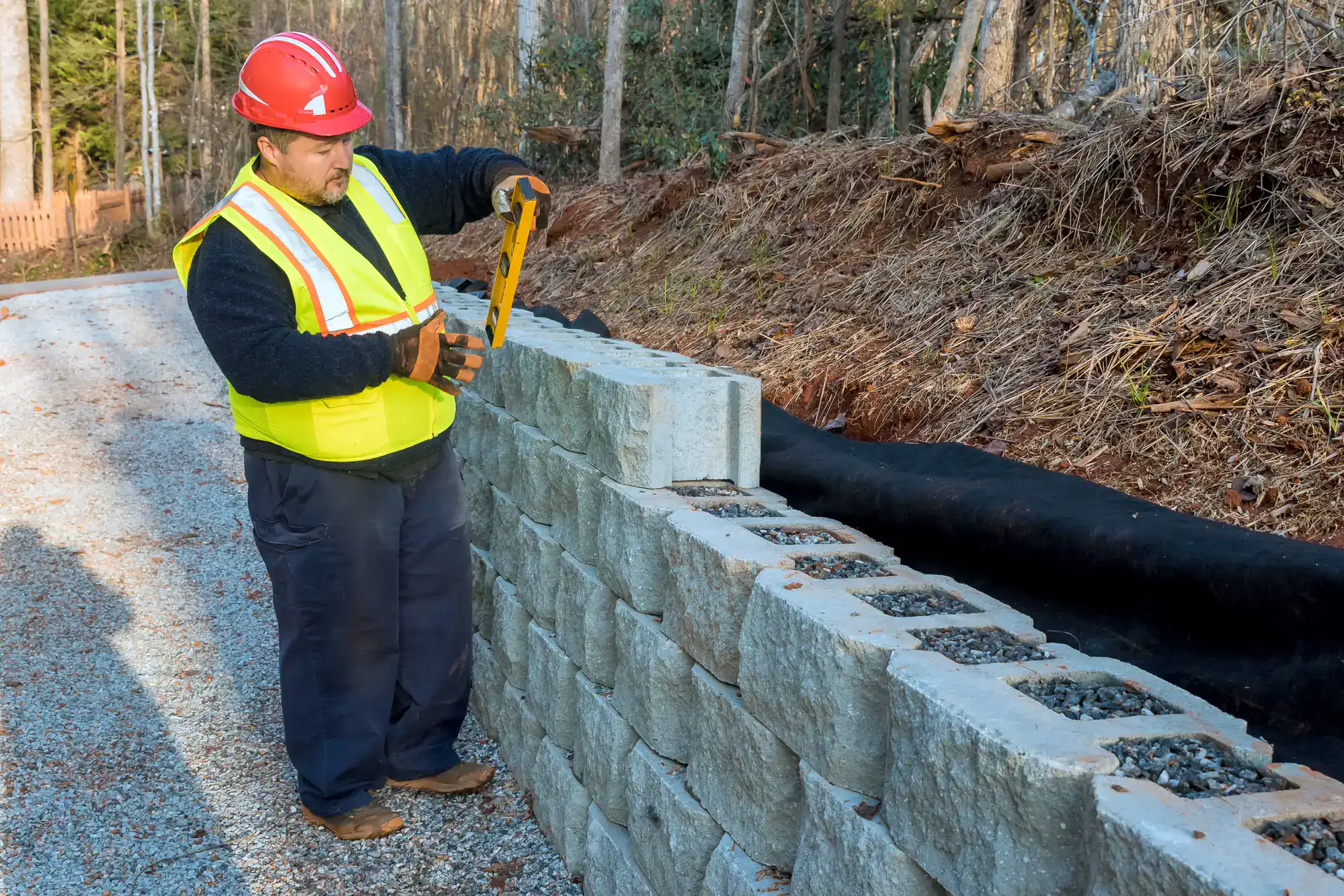
That steep slope eating up your yard isn’t just an eyesore—it’s wasted space and a potential erosion problem waiting to happen. Professional retaining wall installation turns problem areas into level ground you can actually use for patios, gardens, or safe access around your property.
The change is immediate and lasting. Water stops pooling in the wrong places. Soil stays where it belongs, even after heavy storms. You get clean property lines and the functional outdoor areas you’ve been planning.
Our retaining wall installations in Wheatley Heights address the specific challenges every Long Island property faces: sandy soil that shifts, coastal moisture that tests materials, and freeze-thaw cycles that crack poorly constructed walls. You get structural solutions designed for your conditions, not generic approaches that fail within a few seasons.
Stone Escapes operates differently than most contractors. Owner Iain Traynor handles every estimate personally and remains involved throughout your project. His masonry background includes union training with Local 1 Bricklayers in Manhattan, where he advanced to head foreman based on technical skill and project management ability.
We hold licenses in Suffolk County, Nassau County, and the townships of Southampton and East Hampton. This means we understand the building codes, soil conditions, and permit requirements that affect retaining wall construction throughout Long Island—not just general contracting knowledge.
When you hire us for retaining wall installation in Wheatley Heights, you work directly with the people building your wall. No project managers who’ve never mixed mortar. No subcontractors we met last month. Just experienced stone wall installers who’ve served this area with the same hands-on approach since 2019.
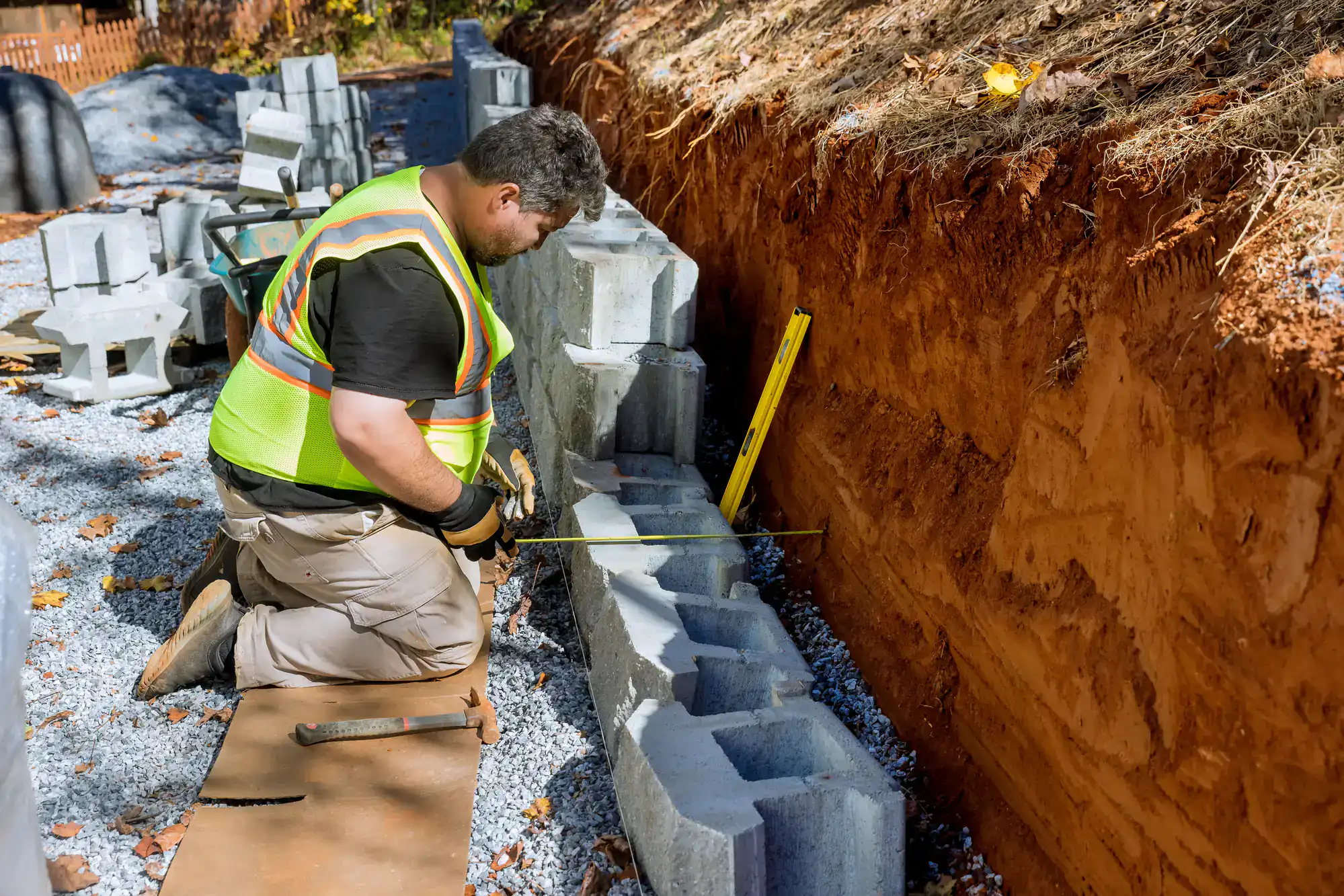
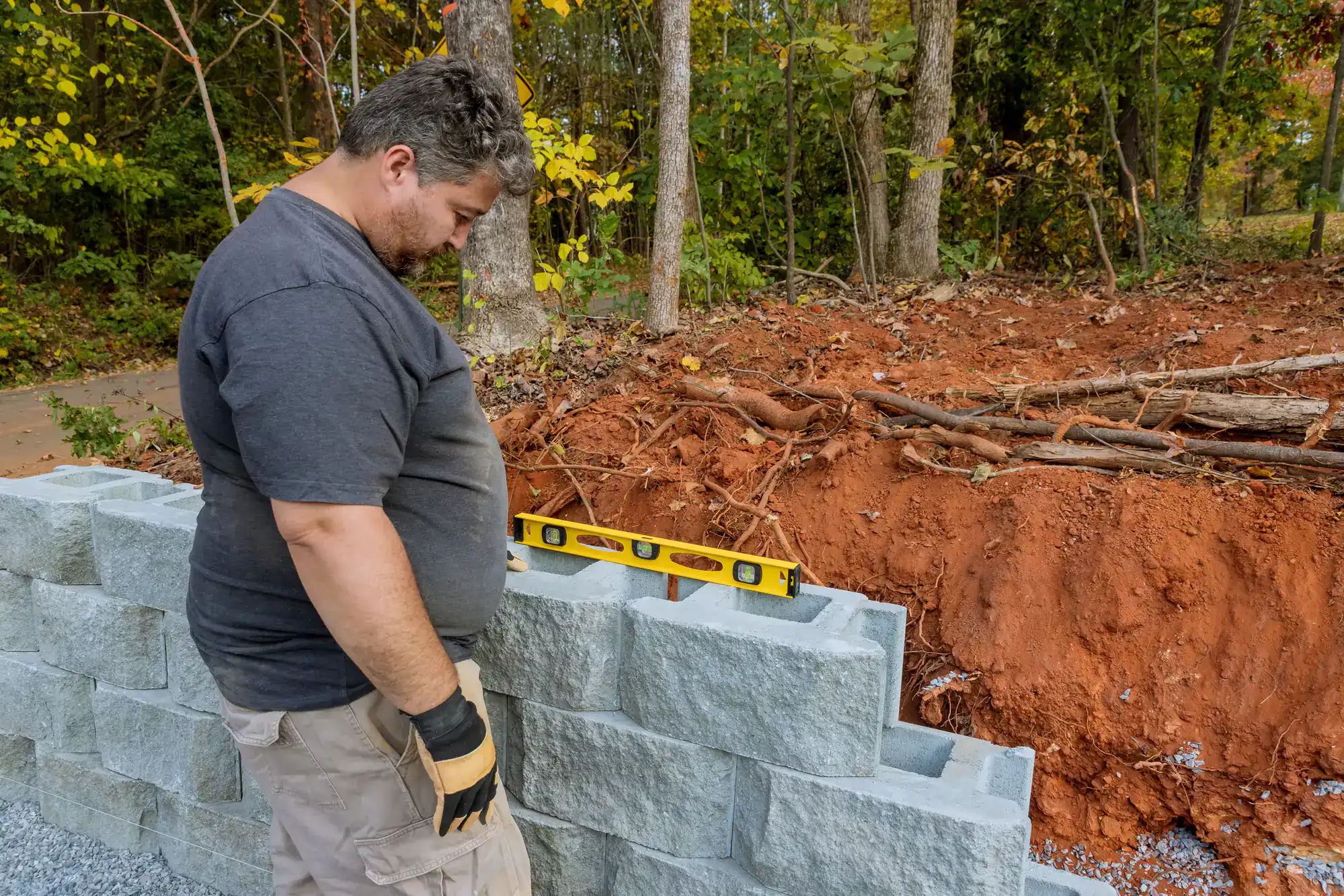
Every retaining wall project starts with site evaluation. We assess your property’s drainage patterns, soil composition, and grade requirements before any excavation begins. Most wall failures trace back to contractors who skip this crucial step and build on assumptions.
Excavation goes 30 to 36 inches deep to reach below the frost line—a requirement many contractors ignore to save time and money. We prepare foundations with compacted crushed stone that creates stable support while working with Long Island’s sandy soil characteristics rather than fighting them.
Wall construction uses materials from manufacturers like Cambridge, Techo-Bloc, and Unilock, but material quality means nothing without proper installation. We install comprehensive drainage systems including perforated pipes, appropriate backfill materials, and water management that moves moisture away from your wall instead of through it. This prevents the hydrostatic pressure that destroys most retaining walls within five to ten years.
Ready to get started?
Every retaining wall we build in Wheatley Heights includes foundation work to frost line depth, drainage systems engineered for Long Island conditions, and materials selected specifically for coastal weather exposure. You get solutions designed for your site’s specific challenges, not cookie-cutter approaches.
Wheatley Heights properties typically feature sandy soil that drains well but can shift over time without proper foundation work. Our installation process accounts for this with deeper excavation and specialized backfill techniques. We also plan for coastal moisture and salt air exposure that accelerates deterioration when inferior materials or shortcuts are used.
The result is a retaining wall system that manages water runoff effectively, stabilizes slopes permanently, and creates functional landscape areas that add value to your property. Whether you’re dealing with modest backyard slopes or significant grade changes affecting your entire lot, we build walls that solve drainage and erosion problems for decades, not just seasons.
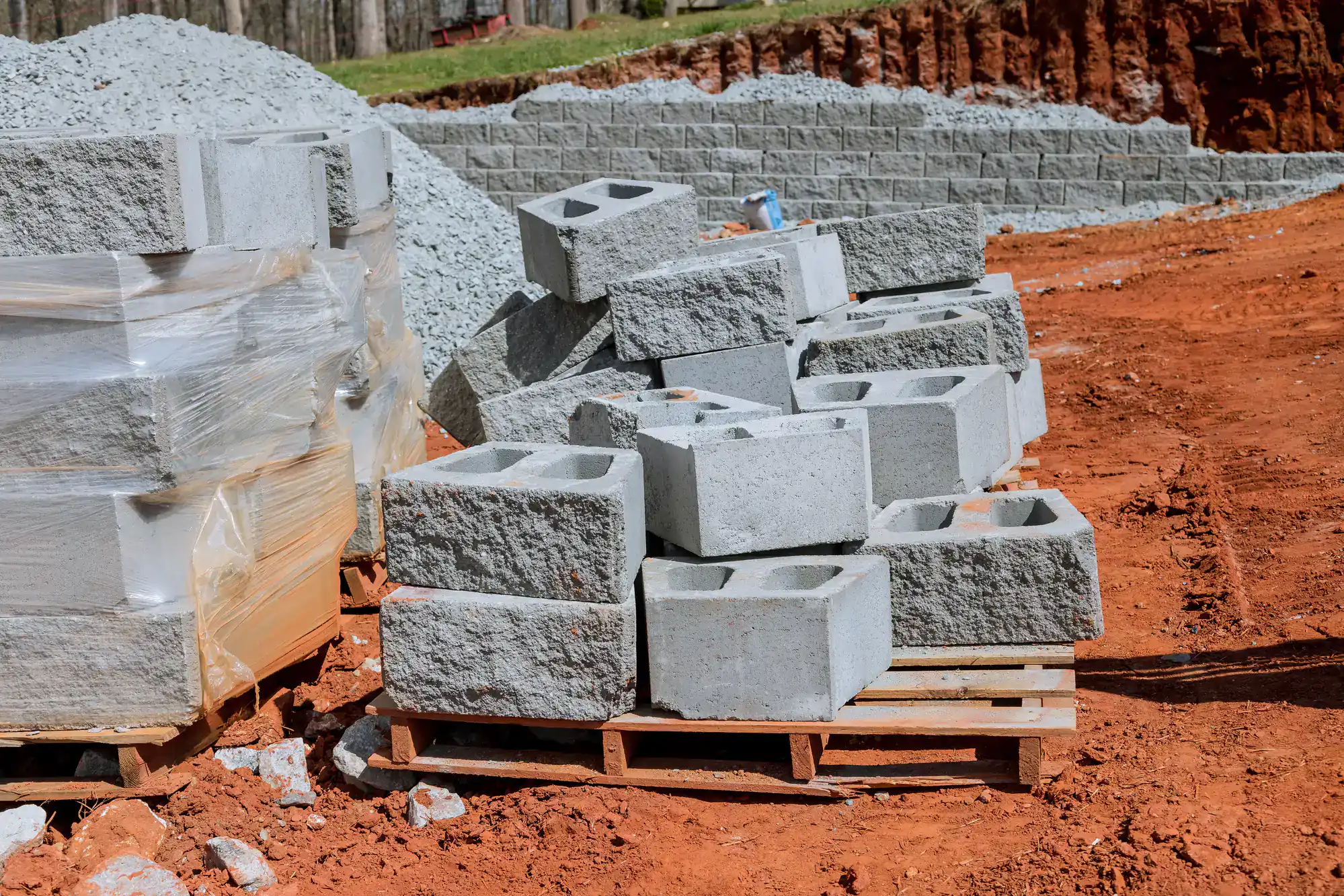
Retaining wall foundations in Wheatley Heights must extend 30 to 36 inches deep to reach below the frost line. This prevents frost heave during Long Island’s winter freeze-thaw cycles, which can crack or shift walls with shallow foundations.
The sandy soil common throughout Suffolk County drains well but requires deeper foundations for long-term stability. We excavate to proper depth and install compacted crushed stone bases that create stable support while accommodating local soil characteristics.
Shallow foundations cause most premature retaining wall failures. When contractors cut corners on excavation depth, you end up with walls that shift, lean, or develop structural cracks within the first few seasons. Proper foundation work costs more upfront but prevents expensive rebuilds later.
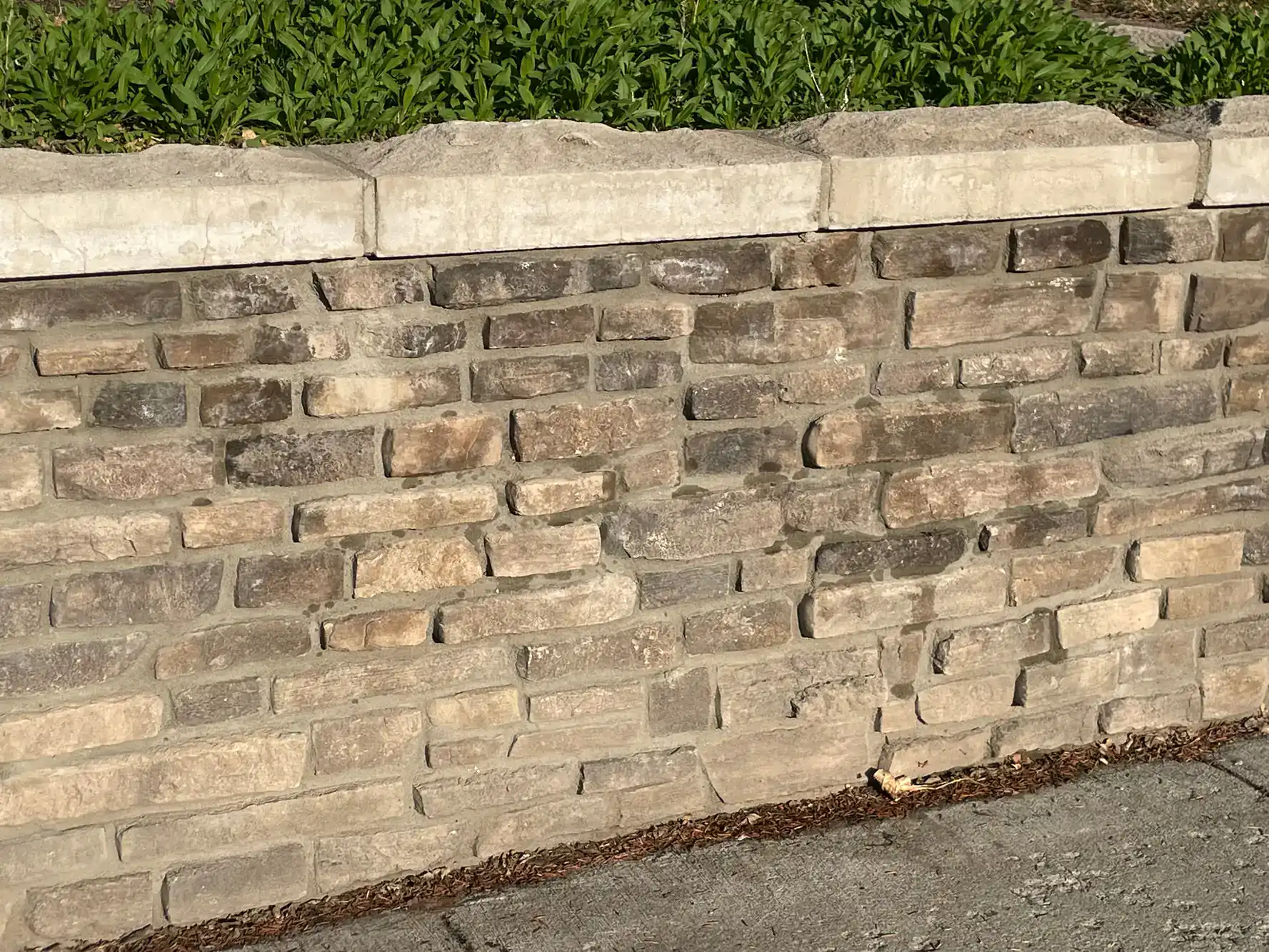
Segmental concrete block systems perform exceptionally well for Long Island retaining wall installations because they accommodate slight soil movement while maintaining structural integrity. Products from Cambridge, Techo-Bloc, and Unilock are engineered for coastal conditions and resist salt air exposure that degrades inferior materials.
Natural stone also works well when installed by experienced stone wall installers who understand proper stacking and drainage techniques. We avoid materials like railroad ties or untreated lumber that deteriorate rapidly in our humid coastal climate.
Success depends on using materials designed for our environmental challenges rather than generic products. Coastal moisture, freeze-thaw cycles, and sandy soil conditions all affect how different materials perform over time. The right material selection prevents the premature deterioration that forces expensive repairs or complete replacement.
Suffolk County requires permits for retaining walls exceeding 3 to 4 feet in height. This typically includes structural engineering requirements for taller installations to ensure compliance with local building codes and safety standards.
Permit fees range from $50 to $450 depending on wall size and complexity. Engineering costs for walls requiring structural design add $500 to $2,000 to project budgets, but they’re essential for preventing dangerous failures that could damage property or injure people.
We handle permit applications as part of our retaining wall installation service because we understand local requirements and building codes. This ensures your wall meets all regulatory standards and protects your investment through proper documentation and inspection compliance.
Professional retaining wall installation in Wheatley Heights typically costs $25 to $45 per square foot for segmental block systems, depending on wall height, site accessibility, and material selection. Natural stone installations cost more due to specialized labor requirements and material costs.
Total project investment depends on excavation requirements, drainage system complexity, and permit fees. Most residential retaining wall projects range from $3,000 to $8,000, though larger installations or challenging site conditions can increase costs significantly.
The investment pays off through increased usable outdoor space, prevented erosion damage, and enhanced property values. Properly constructed retaining walls also eliminate the costly repairs or complete rebuilds that result from inferior construction methods or inappropriate material choices.
Most retaining wall failures result from inadequate drainage, insufficient foundation depth, or using materials inappropriate for Long Island conditions. Water buildup behind walls creates hydrostatic pressure that causes leaning, bulging, or complete structural collapse over time.
We prevent these problems through comprehensive drainage installation including perforated pipes, gravel backfill, and weep holes that channel water away from wall structures. Foundation preparation extends below frost line with properly compacted stone base materials that provide stable support.
Material selection matters significantly for long-term performance. Using products designed for coastal conditions and sandy soil ensures your retaining wall withstands Long Island’s environmental challenges rather than deteriorating like walls built with inferior materials or installation shortcuts.
Professionally installed retaining walls using quality materials typically last 50 to 100 years in Long Island conditions when constructed with proper drainage and foundation systems. Well-built segmental concrete block walls often outlast the properties they protect.
Longevity depends on foundation depth, drainage system effectiveness, and material quality. Walls built without adequate drainage or proper foundations may fail within 5 to 10 years, requiring expensive repairs or complete reconstruction that costs more than doing it right initially.
Regular maintenance like clearing drainage outlets and addressing minor settling helps maximize wall lifespan. However, retaining walls built correctly from the start require minimal ongoing maintenance compared to those constructed with shortcuts or inappropriate installation techniques.