
Hear from Our Customers
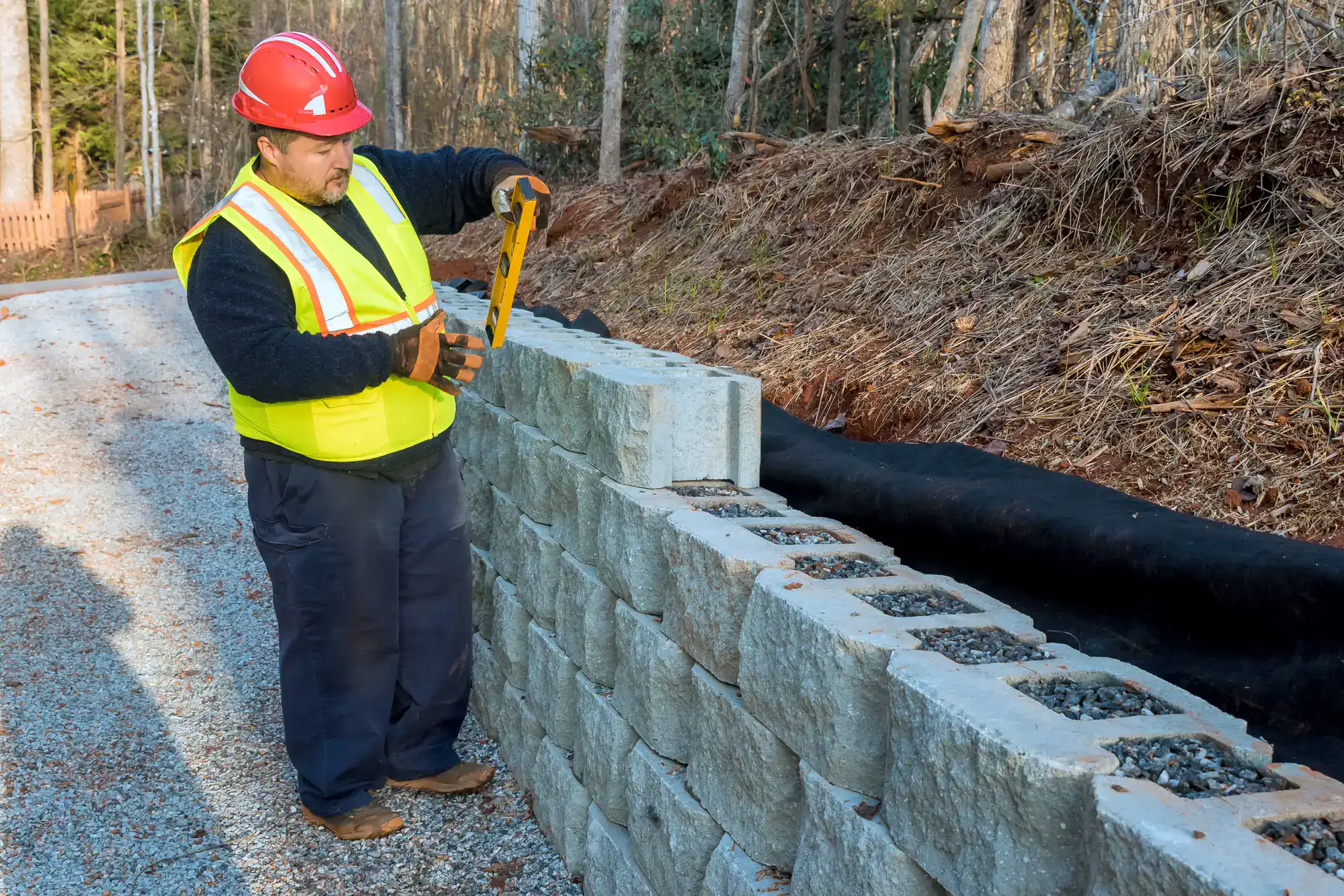
Your sloped yard isn’t just an eyesore—it’s wasted potential and a drainage nightmare waiting to happen. Every heavy rain sends more soil washing away, threatening your foundation and making your property less functional.
A properly built retaining wall changes everything. You get level, usable space where there used to be erosion problems. Your landscaping stays put instead of sliding downhill. Water flows where it should instead of pooling against your foundation.
The difference isn’t just visual. Property values increase up to 15% with well-designed retaining walls, and you finally have outdoor space you can actually use for patios, gardens, or entertainment areas.
At Stone Escapes, we understand what other retaining wall builders miss about Long Island construction. Our sandy soil drains fast but shifts easily. Coastal moisture and freeze-thaw cycles destroy walls that aren’t built right from the start.
Owner Iain Traynor brings union masonry experience and stays involved in every estimate, plan, and build. We’re licensed in Suffolk County, Nassau County, East Hampton, and Southampton—not just another retaining wall specialist hoping to figure it out as we go.
We’ve been building retaining walls specifically for Long Island conditions, with certifications from Cambridge, Techo‑Bloc, Unilock, Nicolock, Eldorado, and Boral. That means we know which materials work here and which ones fail when the next nor’easter hits Bayport.
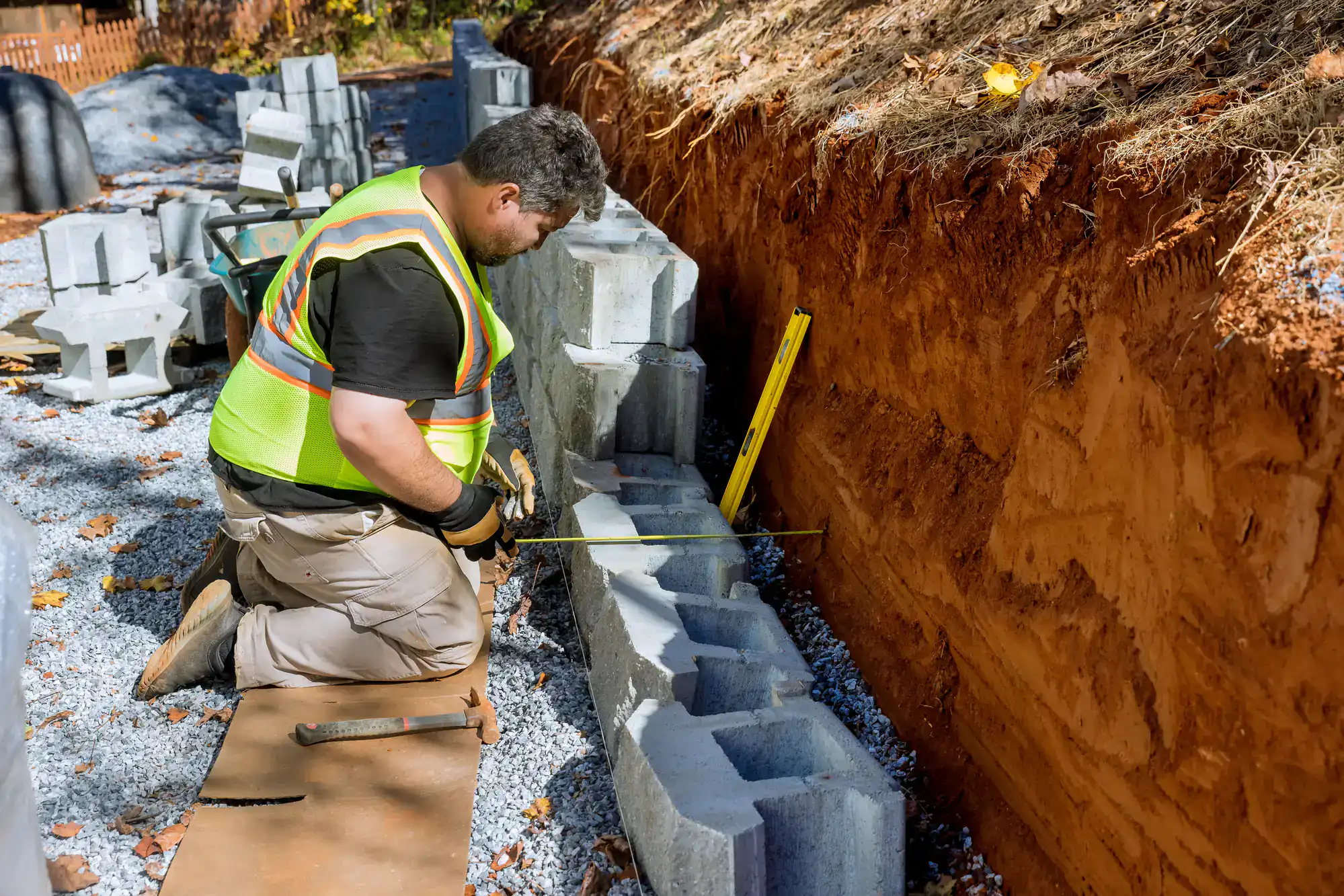
Every retaining wall installation starts with an in-person assessment of your specific drainage patterns, soil conditions, and grade requirements. We excavate 8-10 inches deep—going below the frost line at 30-36 inches for structural walls—because shallow foundations fail in Long Island’s freeze-thaw cycles.
Proper base preparation comes next: crushed stone foundation with compaction that accommodates our sandy soil characteristics. We install drainage systems during construction, not as an afterthought, because poor drainage is the number one cause of retaining wall failure.
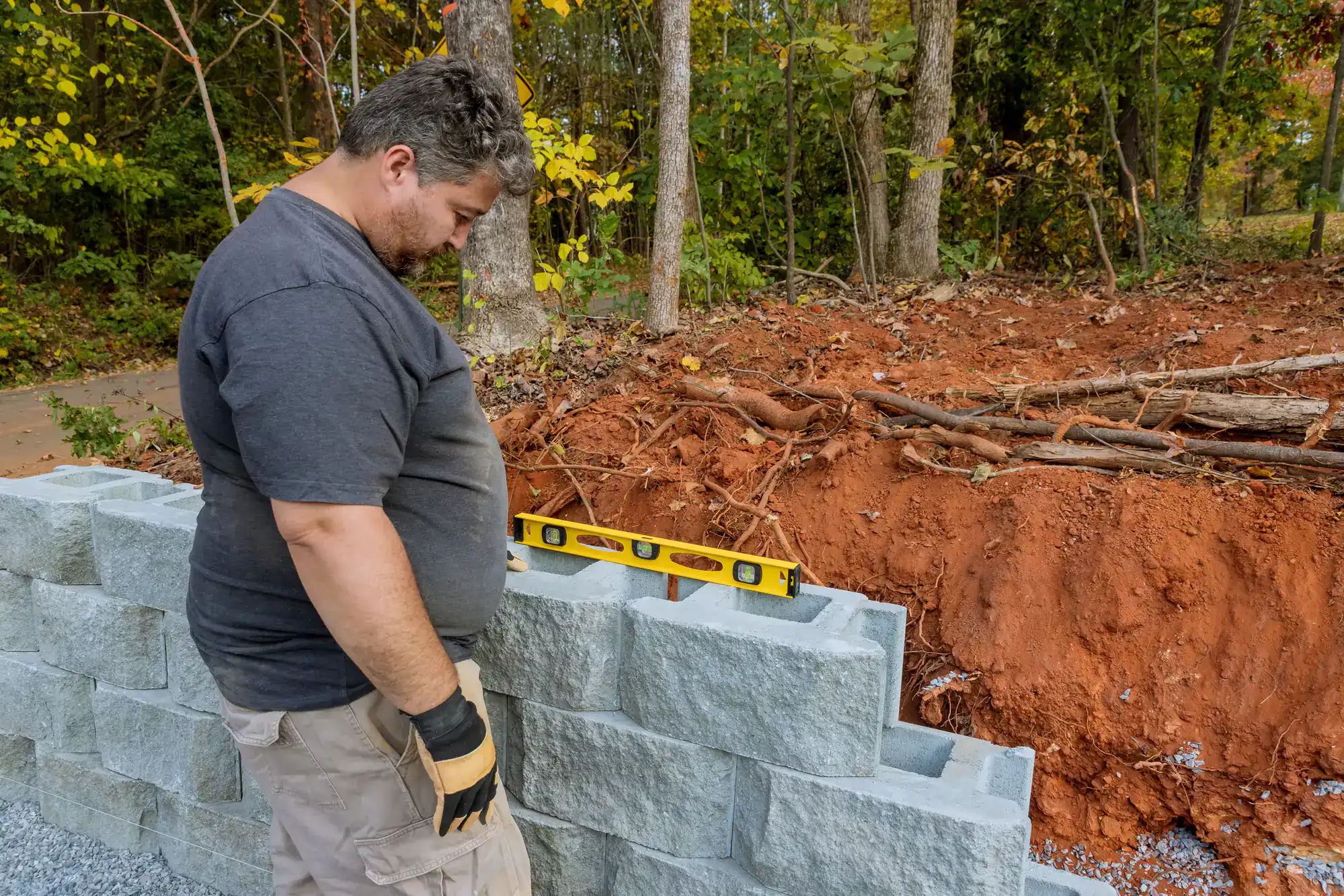
Wall construction uses manufacturer-certified materials with proper edge restraints to prevent shifting. Each project includes backfill planning and final grading to direct water away from both the wall and your foundation. You get a finished installation designed to handle everything from summer storms to winter freeze cycles.
Ready to get started?
Long Island’s coastal environment demands specific material choices that many retaining wall contractors don’t understand. Salt air, high water tables, and storm surge require corrosion-resistant materials and enhanced drainage systems that go beyond basic construction.
We use segmental block systems, natural stone, and manufactured materials specifically rated for coastal conditions. Every retaining wall installation includes proper drainage with geo-grid reinforcements, landscape fabrics, and dead men anchoring for walls that need structural support.
Bayport’s location means your retaining wall faces unique challenges: nor’easters that saturate soil, freeze-thaw cycles that crack inferior materials, and sandy soil that shifts without proper foundation work. Our material selection and construction methods address these specific local conditions instead of using generic approaches that fail when tested by Long Island weather.
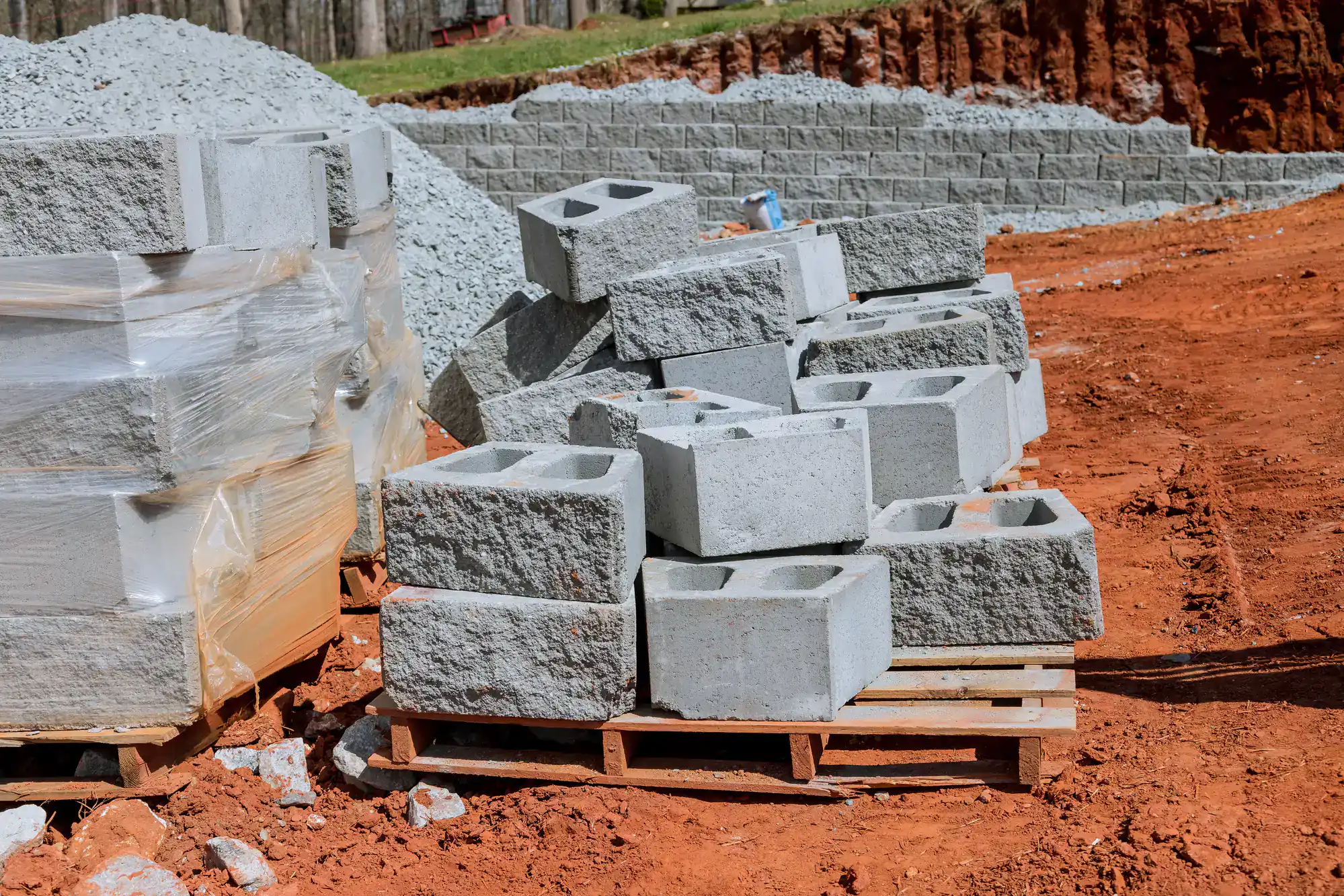
Retaining wall foundations in Bayport need to reach 30-36 inches deep to get below the frost line, which prevents frost heave damage during winter freeze-thaw cycles. Sandy soil drains well but lacks the stability of clay, so we excavate deeper and use more substantial base preparation than you’d need in other soil types.
The foundation includes 8-10 inches of excavation for base materials, followed by crushed stone layering and proper compaction. This depth and preparation method accommodates how sandy soil behaves during seasonal moisture changes and prevents the shifting that causes wall failure over time.
Poor drainage causes 90% of retaining wall failures on Long Island. Water builds up behind walls during storms, creating hydrostatic pressure that cracks, tilts, or collapses the structure. Our coastal location makes this worse because nor’easters and hurricanes saturate soil faster than it can drain naturally.
We prevent failure by installing drainage systems during construction, not after problems develop. This includes proper backfill materials, weep holes or drainage pipes, and grading that directs water away from the wall. Every wall gets geo-grid reinforcement and edge restraints designed for sandy soil movement patterns.
Segmental block systems perform best in Bayport because they accommodate slight soil movement while maintaining structural integrity. Natural stone works well for aesthetic projects, but manufactured blocks from Cambridge, Techo‑Bloc, or Unilock offer better consistency for structural applications.
Materials need to resist salt air corrosion and freeze-thaw damage. We avoid wood retaining walls in coastal areas because moisture accelerates rot, and we’re selective about concrete applications because improper drainage causes cracking. The key is matching material choice to your specific site conditions and intended wall height.
Professional retaining wall installation in Bayport typically costs $25-45 per square foot for segmental block systems, with natural stone running higher depending on material selection. A 50-foot wall averages $4,000-$10,000, but final cost depends on height, site access, drainage requirements, and material choice.
Proper installation costs more upfront but prevents expensive repairs later. Cheap installations that skip drainage systems or use inadequate foundations typically fail within 5-10 years, requiring complete reconstruction. Factor in excavation, proper base preparation, drainage systems, and materials rated for coastal conditions when comparing estimates.
Retaining walls over 3-4 feet typically require permits in Suffolk County, with costs ranging $50-450 depending on wall size and location. Structural walls near property lines or supporting driveways often need engineering plans regardless of height.
We handle permit applications and ensure compliance with local building codes. Some homeowner associations have additional requirements for retaining walls, especially in waterfront areas. Getting permits upfront prevents problems during construction and ensures your wall meets safety standards for Long Island soil conditions.
Properly built retaining walls last 50-100+ years in Long Island’s climate when constructed with appropriate materials and drainage systems. Segmental block walls typically outlast natural stone in coastal conditions because they’re engineered for movement and moisture exposure.
Wall lifespan depends more on installation quality than material choice. Walls without proper drainage fail within 10-15 years regardless of materials used. Our installations include drainage systems, frost-resistant foundations, and materials rated for coastal exposure to ensure maximum lifespan despite nor’easters, freeze-thaw cycles, and salt air exposure.