
Hear from Our Customers
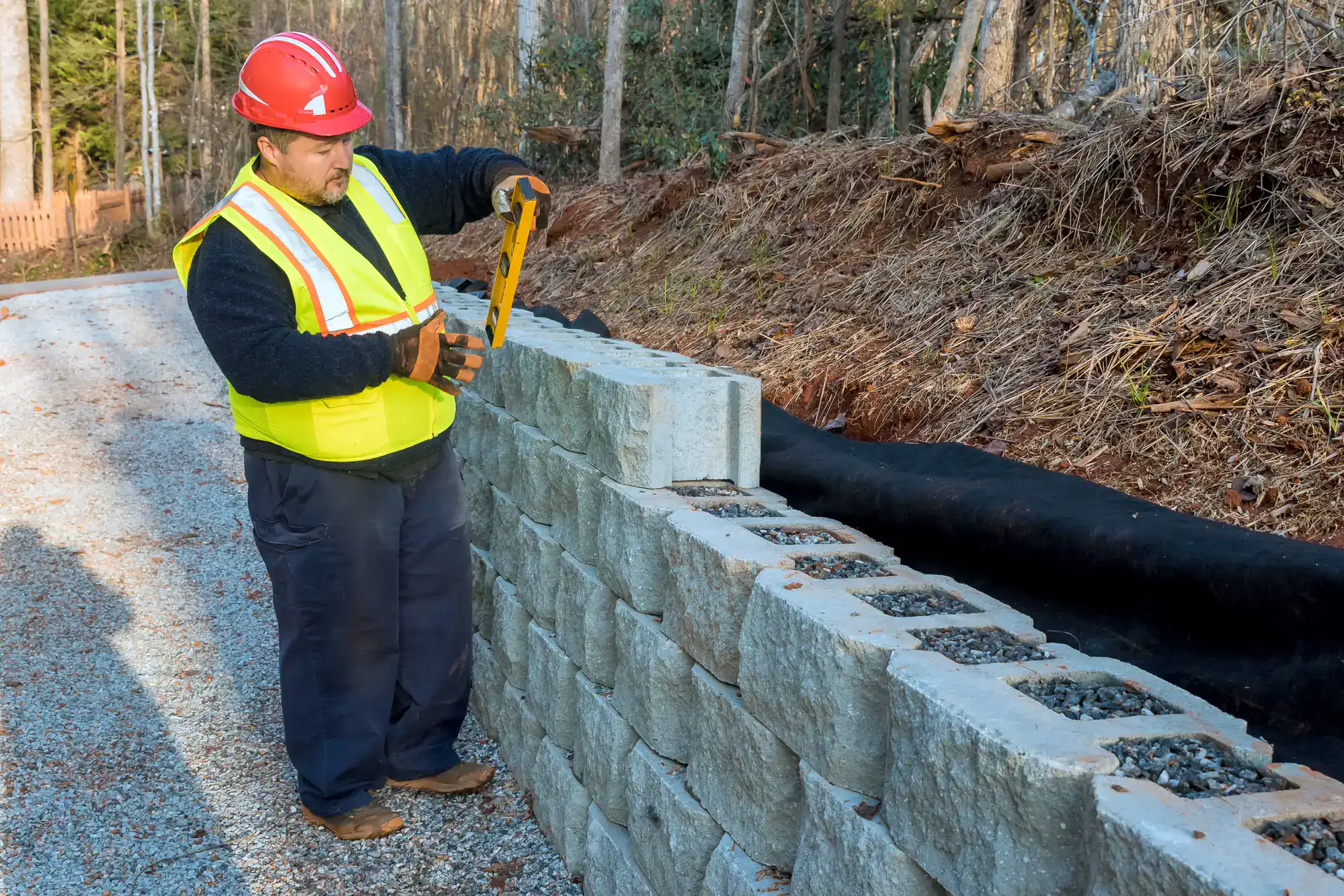
Your sloped yard doesn’t have to be a limitation anymore. A properly built retaining wall turns challenging terrain into valuable outdoor living space while protecting your property from soil erosion and water damage.
Long Island’s sandy soil and coastal climate demand specialized construction techniques. When done right, your retaining wall becomes a permanent solution that enhances your property value while creating the functional outdoor areas you’ve been wanting.
You get more than just soil retention—you get expanded usable space, improved drainage, and protection that lasts decades in Elwood’s unique environment.
We understand what it takes to build retaining walls that perform in Elwood’s specific conditions. Owner Iain Traynor brings union masonry experience and hands-on involvement to every project, from initial estimate through completion.
Licensed and insured across Suffolk and Nassau Counties, we hold certifications from Cambridge, Techo-Bloc, Unilock, and other leading manufacturers. This isn’t just about moving dirt and stacking blocks—it’s about understanding Long Island’s sandy soil, coastal moisture, and freeze-thaw cycles.
Every project starts with proper excavation depth, specialized drainage systems, and materials selected for local conditions. You work directly with experienced crews who know how to build walls that stay straight, drain properly, and last for decades.
Our process begins with an on-site consultation where Iain evaluates your property’s specific soil conditions, drainage patterns, and structural requirements. You get a detailed plan that addresses Elwood’s unique challenges before any digging starts.
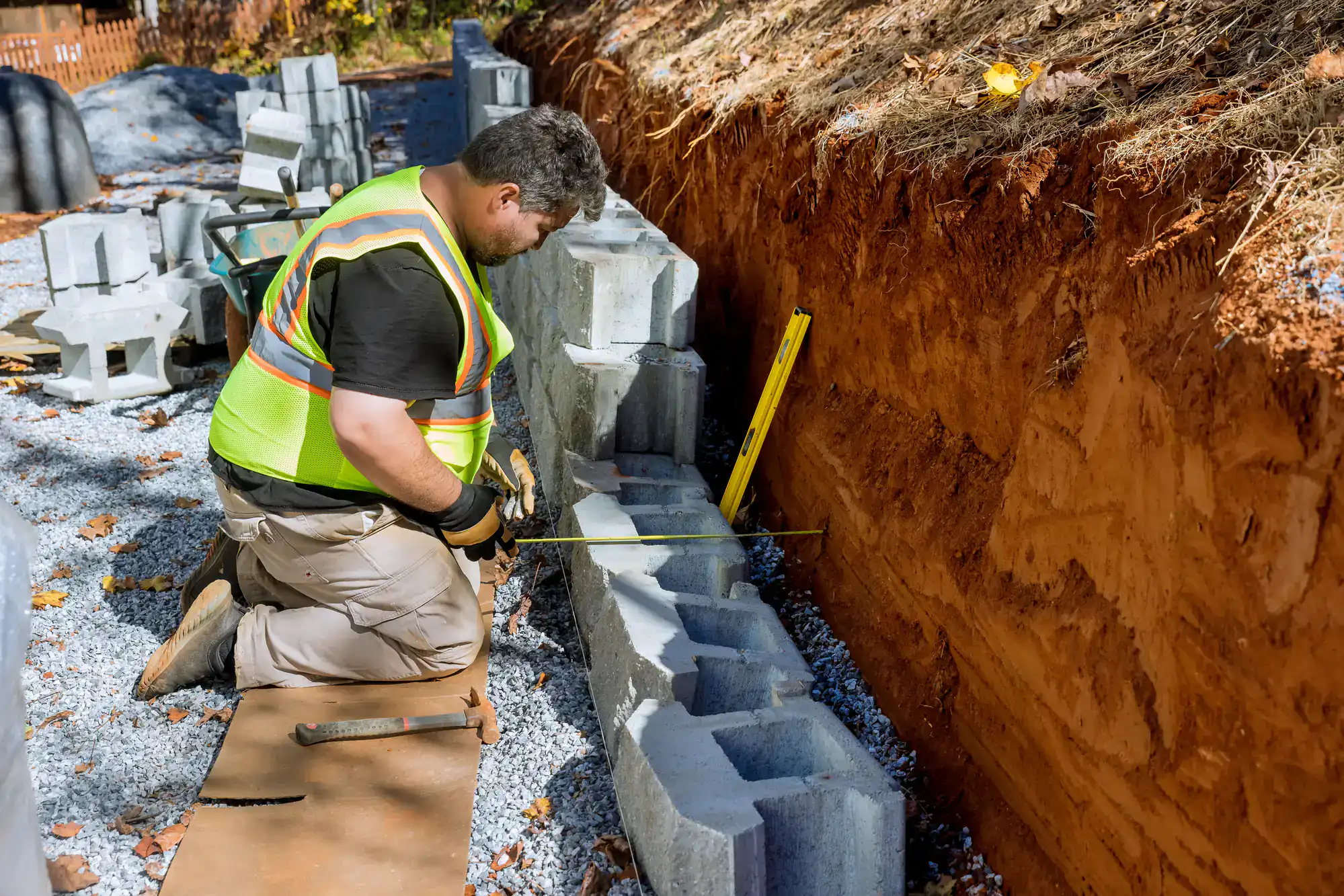
Excavation goes 8-10 inches deep with proper base preparation using compacted stone. We install drainage systems behind the wall with perforated pipes, gravel backfill, and filter fabric to prevent water buildup that causes wall failure.
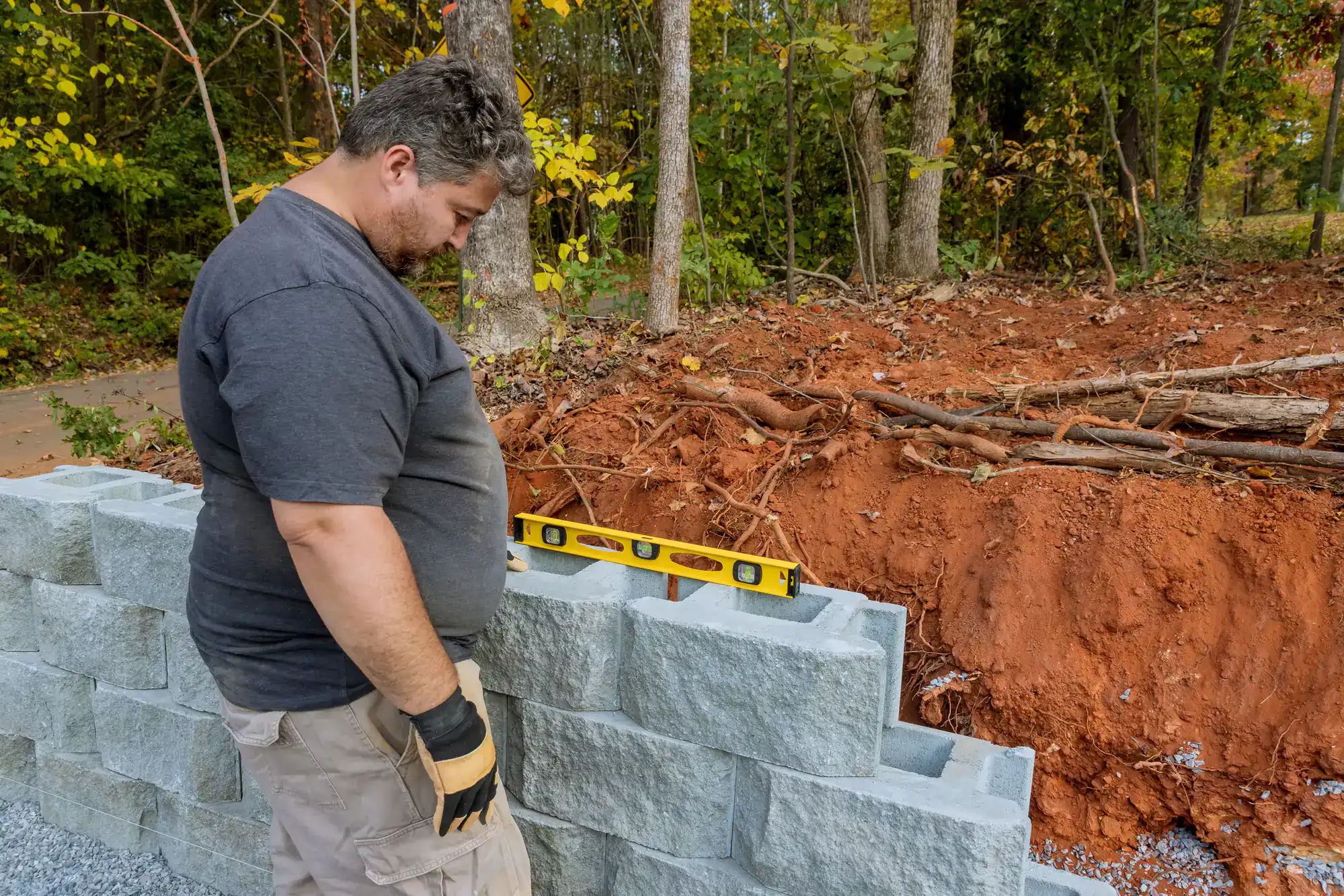
Each course is carefully leveled and secured with appropriate edge restraints. Our backfill process uses clean stone rather than native soil, ensuring long-term stability. You’re kept informed throughout the process, with direct communication from start to completion.
Ready to get started?
Every retaining wall installation includes proper foundation preparation below Elwood’s frost line, comprehensive drainage systems, and materials certified for coastal conditions. You get manufacturer-backed products from Cambridge, Techo-Bloc, Unilock, and Nicolock.
Our construction process addresses Long Island’s specific challenges: sandy soil that requires deeper foundations, coastal moisture that demands proper waterproofing, and freeze-thaw cycles that can damage improperly built walls. Edge restraint systems prevent shifting over time.
Elwood properties often deal with drainage issues from the area’s flat topography and sandy soil. Your retaining wall project includes gravel backfill, perforated drainage pipes, and proper grading to direct water away from both the wall and your property’s foundation.
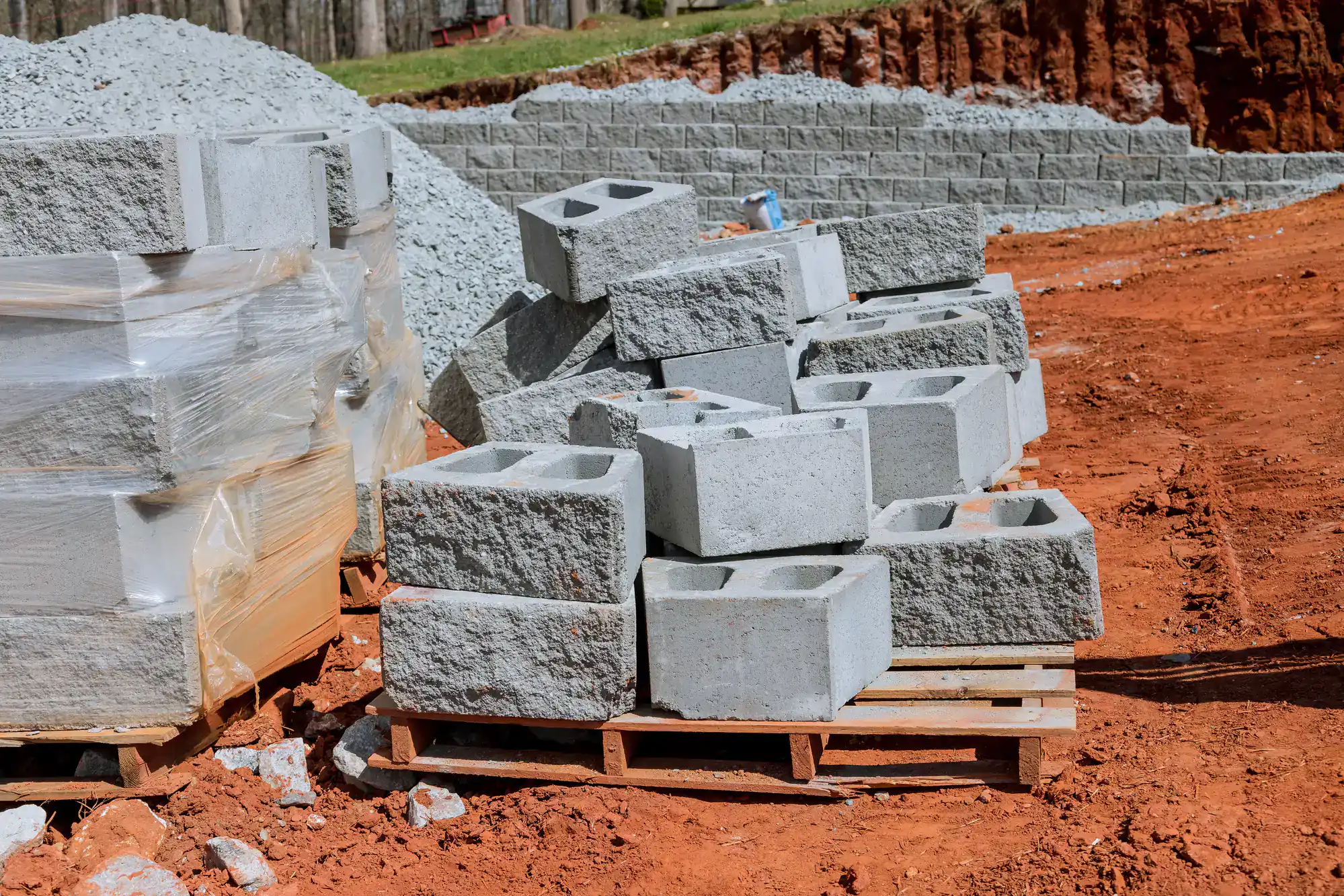
Retaining wall foundations in Elwood need to extend below the frost line, typically 30-36 inches deep for Long Island conditions. This depth prevents frost heave during winter freeze-thaw cycles that can crack or shift improperly built walls.
The foundation includes 8-10 inches of compacted stone base with proper drainage considerations. Sandy soil in Elwood drains well but requires deeper foundations and specialized backfill materials to ensure long-term stability against lateral soil pressure.
Proper drainage prevents the hydrostatic pressure buildup that causes most retaining wall failures. Every installation includes perforated drainage pipes behind the wall, surrounded by clean gravel and wrapped in filter fabric to prevent soil infiltration.
The drainage system extends the full height of the wall, not just partway up, preventing the “bathtub effect” where water accumulates at different levels. Gravel backfill allows water to flow freely rather than building pressure against the wall structure.
Surface drainage also matters—proper grading directs water away from the wall area, and weep holes at the base allow any accumulated water to escape before it can cause structural problems.
Well-built retaining walls using quality materials and proper installation techniques last 20-50 years or more in Long Island conditions. The key factors are foundation depth below the frost line, comprehensive drainage systems, and materials rated for coastal moisture exposure.
Walls built with manufacturer-certified blocks like Cambridge or Unilock, combined with proper drainage and backfill techniques, handle Elwood’s freeze-thaw cycles and sandy soil conditions without the cracking or shifting seen in cheaper installations.
Regular inspection and clearing drainage paths help maintain wall integrity, but properly built walls require minimal maintenance over their lifespan.
Interlocking concrete block systems from manufacturers like Cambridge, Techo-Bloc, and Unilock perform best in Long Island’s coastal climate. These materials resist freeze-thaw damage, salt air exposure, and provide built-in features for proper alignment and stability.
Natural stone offers excellent durability but requires experienced installation to handle properly. Concrete blocks engineered for retaining wall applications include drainage features and interlocking systems that maintain structural integrity over decades.
The material choice depends on wall height, soil pressure, and aesthetic preferences, but manufactured concrete systems typically provide the best combination of performance, longevity, and cost-effectiveness for Elwood properties.
Most municipalities require permits for retaining walls over 3-4 feet in height, and Elwood follows similar requirements. Permits ensure the wall meets local building codes and safety standards for the specific soil and drainage conditions.
Walls over 4 feet typically require structural engineering to calculate soil pressure, foundation requirements, and reinforcement needs. The engineering ensures your wall can safely handle the loads it will face over its lifespan.
We handle permit applications and work with local building departments to ensure compliance. This includes providing proper plans, material specifications, and inspection scheduling as required by Elwood’s building codes.
Retaining wall costs in the Long Island area typically range from $54-58 per square foot, depending on materials, height, and site conditions. Factors affecting price include soil conditions, drainage requirements, access to the work area, and material selection.
Simple gravity walls using interlocking blocks cost less than engineered walls requiring reinforcement or complex drainage systems. Stone walls and walls over 4 feet requiring engineering add to the project cost but provide enhanced durability and structural capacity.
The investment pays off through increased property value, expanded usable space, and protection from soil erosion. Quality installation prevents the costly repairs and rebuilding that result from cheaper, improperly built walls.