Retaining Wall Contractor in Montauk, NY

Coastal Retaining Walls Built to Last

Protect your Montauk property from erosion while creating usable outdoor space with our specialized coastal retaining wall contractor expertise.
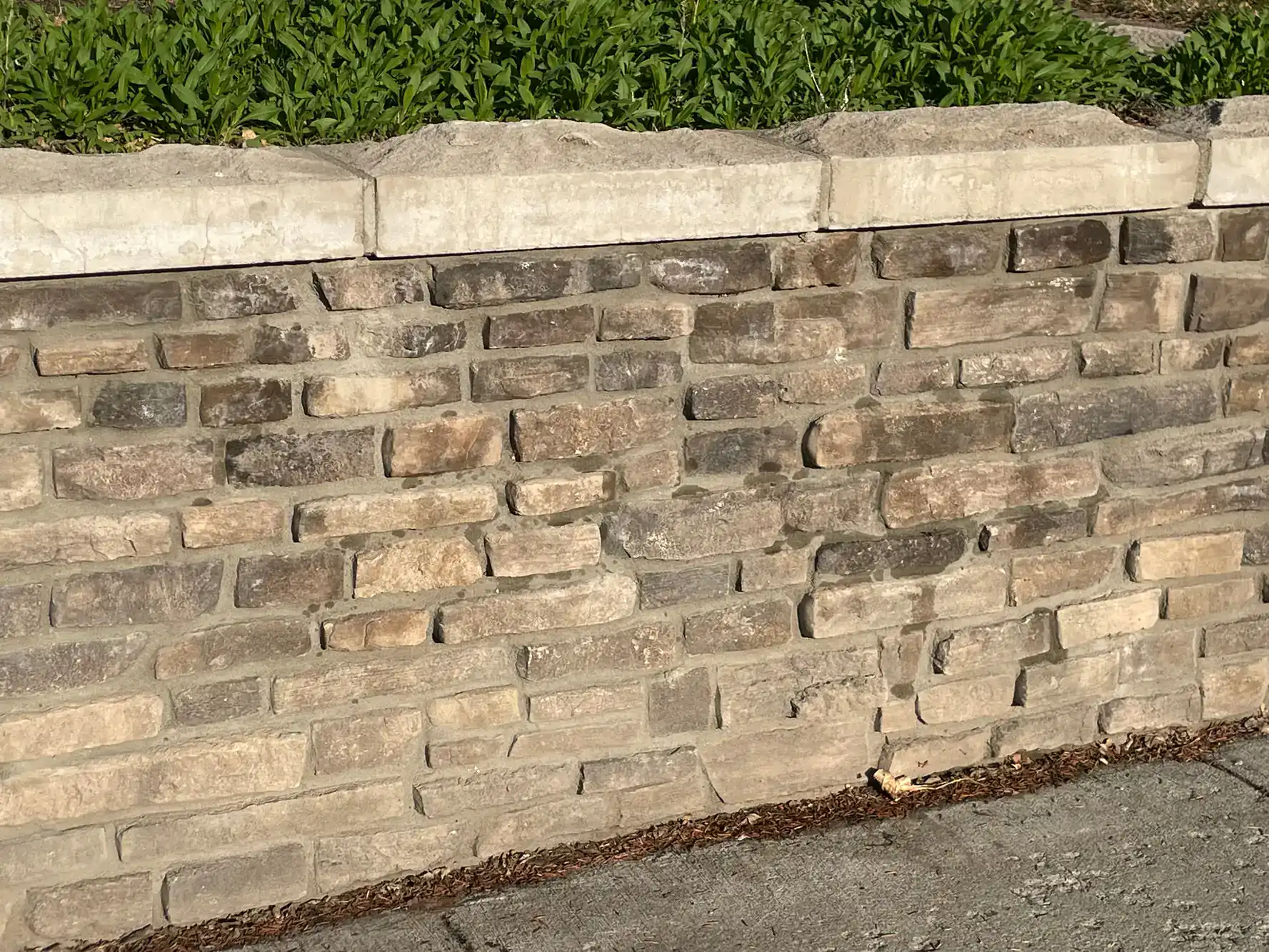
A stone retaining wall made of rectangular, tan and brown bricks supports a raised bed with green plants. Sunlight casts shadows on the textured wall and gray sidewalk below.

Hear from Our Customers

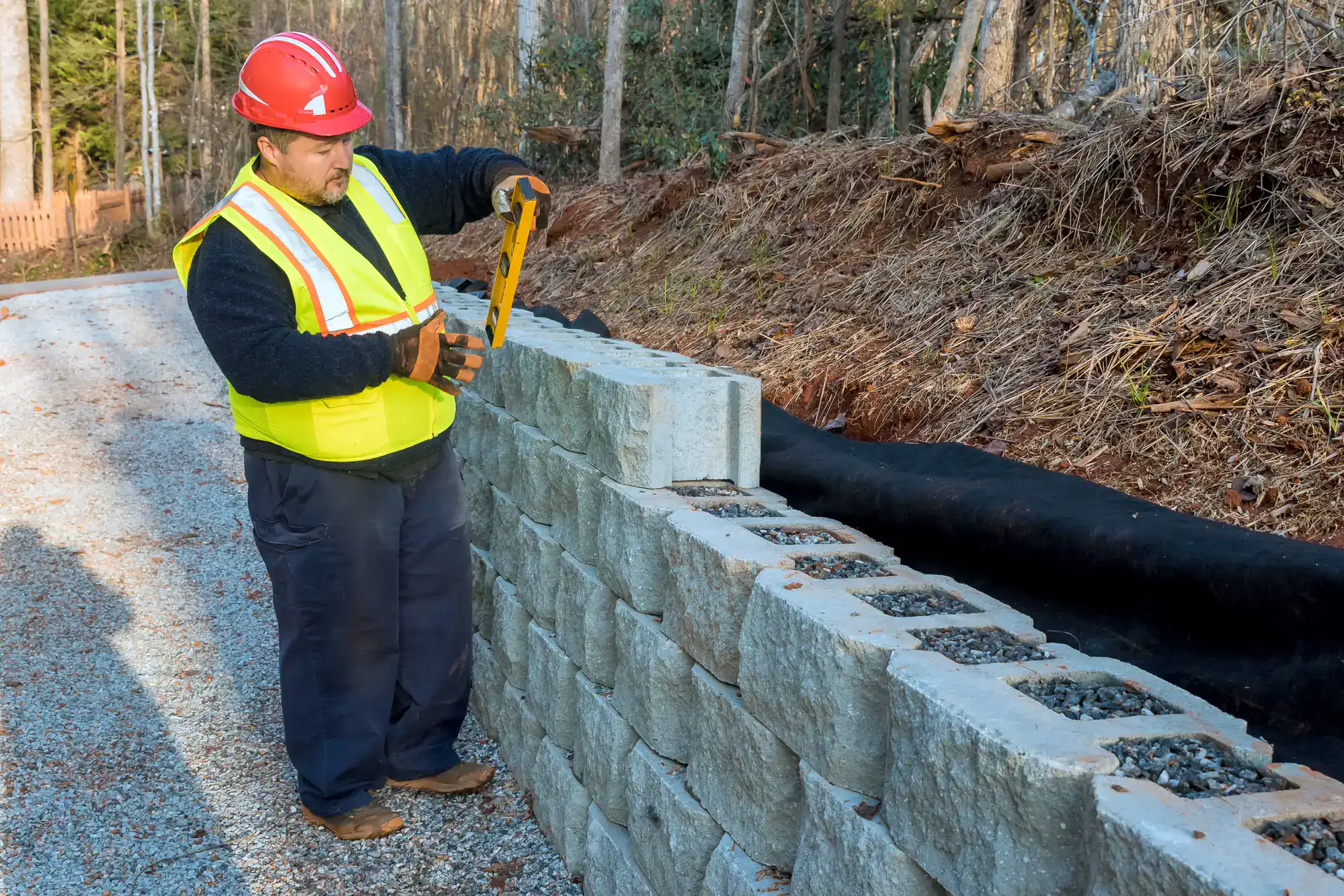
A construction worker in a yellow safety vest and red helmet uses a level to check concrete blocks while building a retaining wall next to a gravel road and a slope with trees.

Montauk Retaining Wall Installation

Stop Erosion Before It Costs You
Your Montauk property faces unique coastal challenges that most contractors don’t understand. Sandy soil shifts. High water tables fluctuate. Freeze-thaw cycles crack poorly built walls. We build retaining walls that work with Montauk’s conditions, not against them. Our installations include proper drainage systems that prevent the water buildup behind walls that causes most failures. Deep foundations reach below the frost line to prevent shifting. The result? Stable slopes that protect your property value and create the level outdoor spaces you want for entertaining, gardening, or simply enjoying your coastal location without worrying about the next storm.

Licensed Montauk Stone Wall Installer

We Know Montauk's Soil Conditions
Stone Escapes has been building retaining walls throughout Suffolk County and the East End for over 15 years. We hold licenses in Suffolk County, Nassau County, Southampton, and East Hampton. Owner Iain Traynor brings union masonry experience and understands the specific challenges of Montauk’s sandy soil, coastal moisture, and seasonal weather patterns. We’re not general landscapers trying to figure it out as we go. Every project gets the same thorough approach: 8-10 inch excavation, proper base layering, drainage planning, and materials selected for Long Island’s freeze-thaw cycles. You’ll work directly with Iain from estimate through completion.
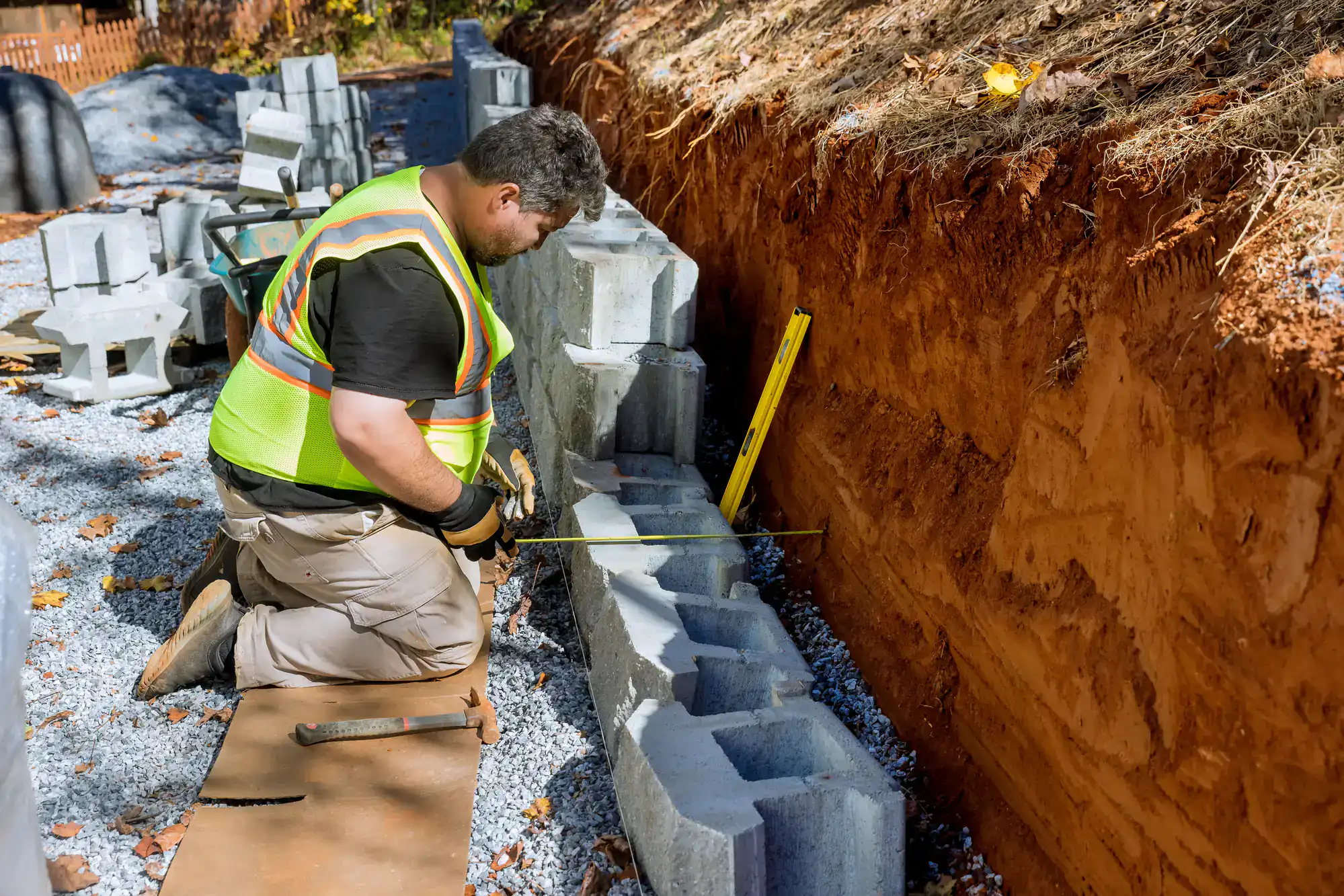
A construction worker in a safety vest kneels on gravel, measuring concrete blocks as he builds a retaining wall beside an exposed dirt slope. Tools and blocks are scattered around the worksite.

Retaining Wall Builder Near Montauk

Built Right the First Time
We start with an on-site assessment of your soil conditions, drainage patterns, and the specific challenges your property faces. This isn’t a quick walk-around—we need to understand how water moves across your land and what’s causing the erosion or instability. Next comes proper excavation and foundation work. In Montauk’s sandy soil, we dig deeper than most contractors—typically 30-36 inches to get below the frost line. We install the base materials and drainage systems before any blocks go in place. The wall construction uses interlocking systems that can accommodate slight soil movement without failing. We finish with proper backfill, drainage connections, and any necessary permits. You get a wall that works with Montauk’s conditions for decades, not just until the next big storm.
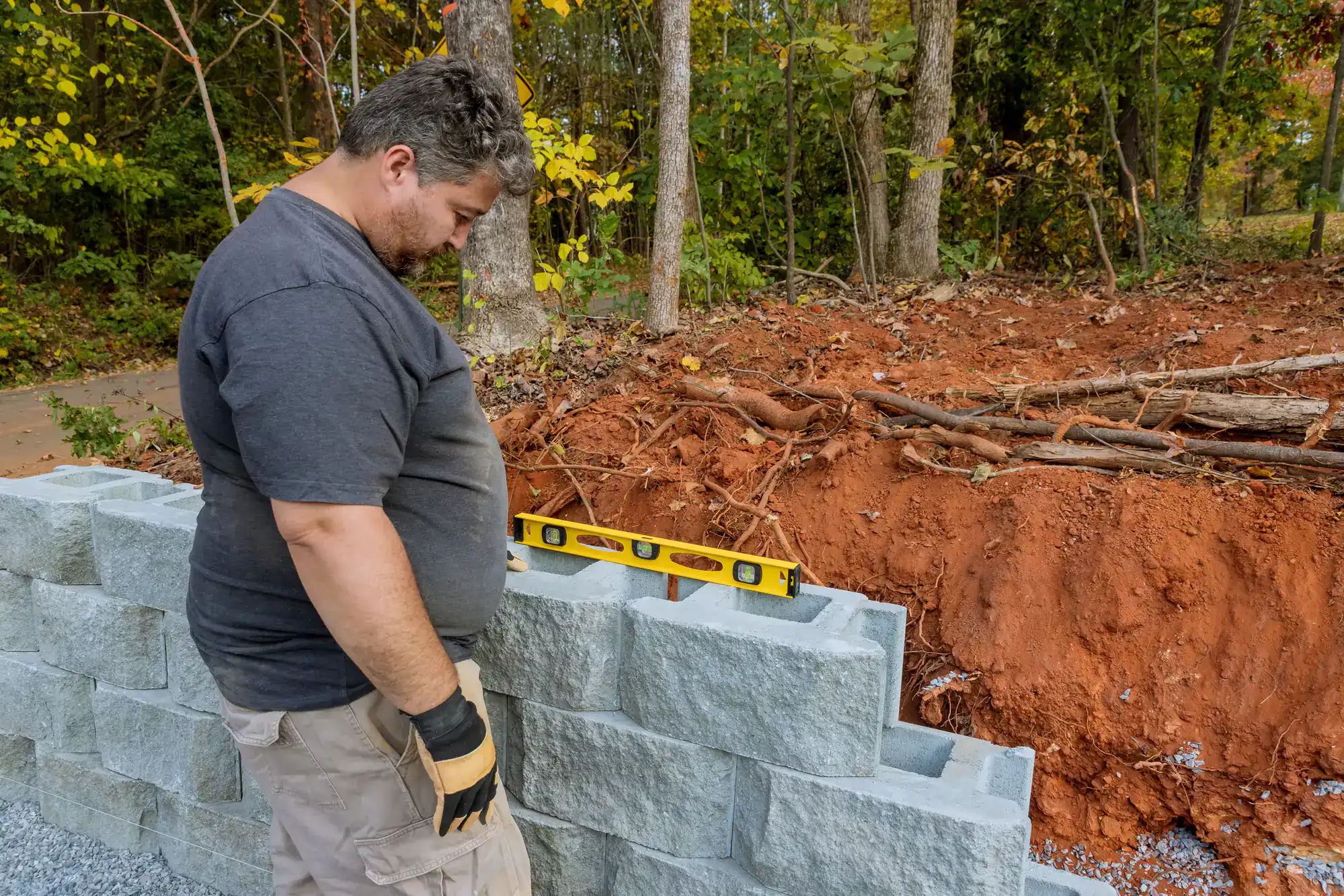
A man wearing gloves checks the level of a gray stone retaining wall with a yellow spirit level, next to a dirt embankment and forested area.

Ready to get started?

Explore More Services

About Stone Escapes Masonry & Outdoor Design

Get a Free Consultation

Montauk Retaining Wall Specialist Services

What Your Project Includes
Every retaining wall installation includes site assessment, proper excavation, foundation preparation, drainage system installation, and professional-grade materials from manufacturers like Cambridge, Techo-Bloc, and Unilock. For Montauk properties, we pay special attention to coastal erosion management permit requirements and building codes specific to coastal areas. Many retaining walls in coastal zones require permits, and we handle that process. We also address the drainage challenges unique to this area. Montauk’s high water table and seasonal fluctuations mean standard drainage approaches often fail. Our systems include perforated pipes, proper backfill materials, and outlet planning that prevents water from undermining your wall over time.

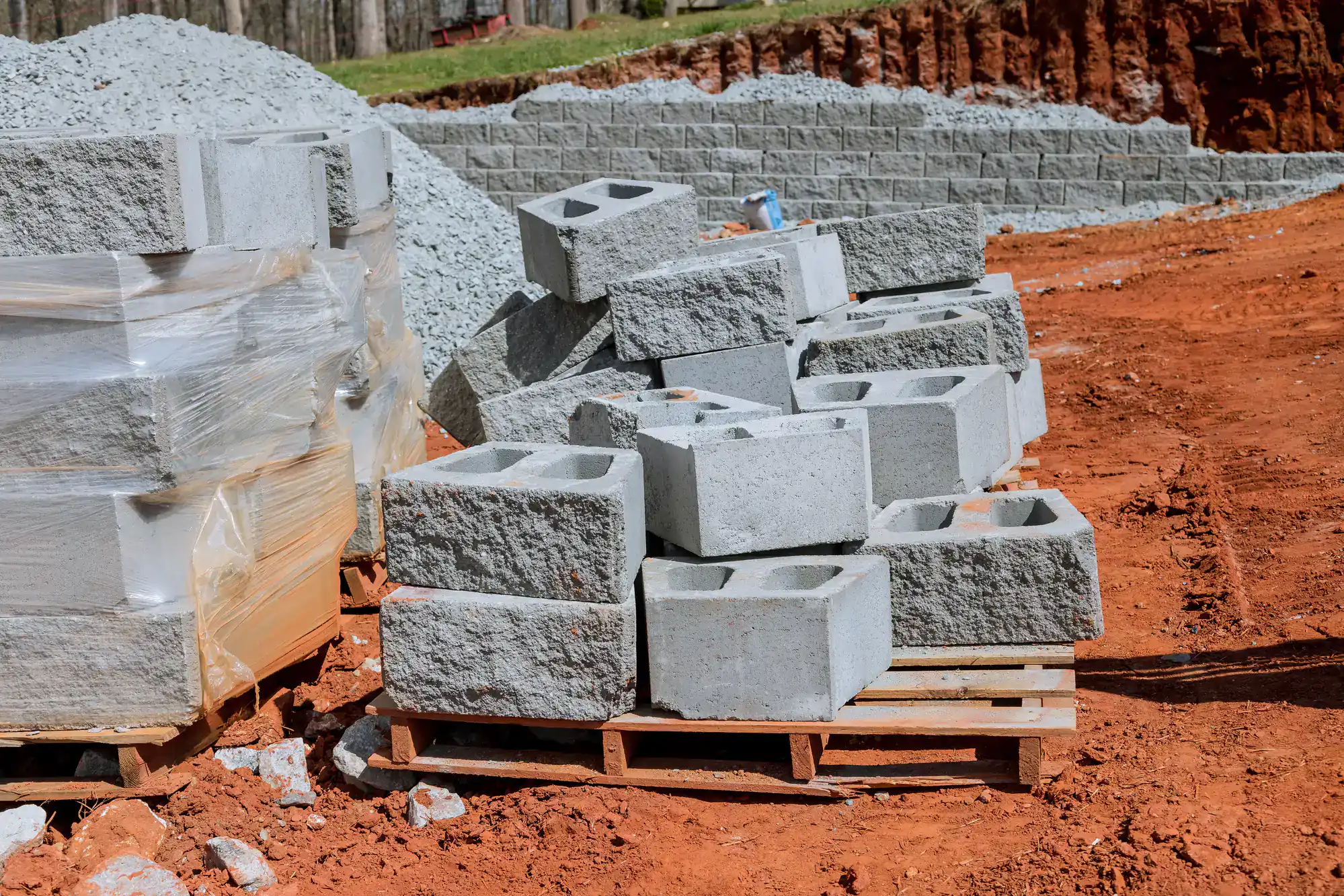
A stack of concrete cinder blocks is arranged on wooden pallets at a construction site with red soil and gravel. Wrapped blocks and a partially built stone retaining wall are visible in the background.

How much does a retaining wall cost in Montauk, NY?

Retaining wall costs in Montauk typically range from $25-60 per square foot depending on materials, height, and site conditions. Segmental block walls are usually $25-45 per square foot, while natural stone can run $40-60 per square foot. Coastal properties often require additional drainage work and deeper foundations due to sandy soil conditions, which can add to the base cost. Permits are required for walls over 3-4 feet tall and cost $50-450 depending on the specific requirements. We provide detailed estimates that break down all costs including materials, labor, drainage systems, and permit fees so you know exactly what you’re paying for.
Yes, most retaining walls in Montauk require permits, especially walls over 3-4 feet tall or in coastal erosion hazard areas. Montauk falls under East Hampton Town jurisdiction and New York State coastal erosion management regulations. The permit process includes structural plans, drainage specifications, and compliance with coastal building codes. Walls in certain coastal zones may require additional engineering review to ensure they won’t worsen erosion on adjacent properties. We handle the permit application process as part of our service, including working with engineers when required. This ensures your wall meets all local requirements and passes inspection.
Segmental block retaining walls work exceptionally well in Montauk’s sandy soil conditions because they can accommodate slight soil movement without cracking. The interlocking design distributes weight evenly and allows for natural settling. Sandy soil actually provides excellent drainage, but it requires deeper foundations and specialized backfill materials. We typically excavate 30-36 inches deep to reach stable soil below the frost line and use engineered base materials. Natural stone walls also work well but require more extensive foundation work. Poured concrete walls are generally not recommended in sandy coastal areas because they’re too rigid and prone to cracking when soil shifts.
Properly built retaining walls in Montauk can last 30-50 years or more with minimal maintenance. The key is using materials rated for coastal conditions and installing proper drainage systems from the start. Coastal areas present unique challenges including salt air, freeze-thaw cycles, and higher moisture levels. We use materials specifically designed for these conditions and include drainage systems that prevent the water buildup that causes most wall failures. Regular inspection every few years and occasional drainage cleaning are typically the only maintenance required. Walls built without proper drainage or using inappropriate materials often fail within 10-15 years.
Retaining walls can help manage surface water runoff and create better drainage patterns, but they’re not flood barriers. In Montauk, proper retaining wall design includes drainage systems that direct water away from your property and prevent pooling. The walls help by creating level areas where water can be properly channeled rather than causing erosion as it flows down slopes. We often incorporate French drains and other drainage solutions as part of the wall system. For properties with serious flooding concerns, retaining walls work best as part of a comprehensive drainage plan that may include additional measures like rain gardens, permeable surfaces, or storm water management systems.
Drainage is critical for retaining wall success in Montauk due to sandy soil and high water tables. We install perforated drain pipes behind every wall, surrounded by graded gravel that filters water while preventing soil migration. The drainage system connects to proper outlets that direct water away from the wall and your property. In sandy soil, we use filter fabric to prevent fine particles from clogging the drainage system over time. We also account for seasonal water table fluctuations and design drainage capacity for heavy rainfall events. Poor drainage is the number one cause of retaining wall failure, so we never cut corners on this critical component.