Retaining Wall Contractor North Great River

Walls That Actually Last

Professional retaining wall contractor serving North Great River with specialized expertise in Long Island’s sandy soil and coastal drainage challenges.
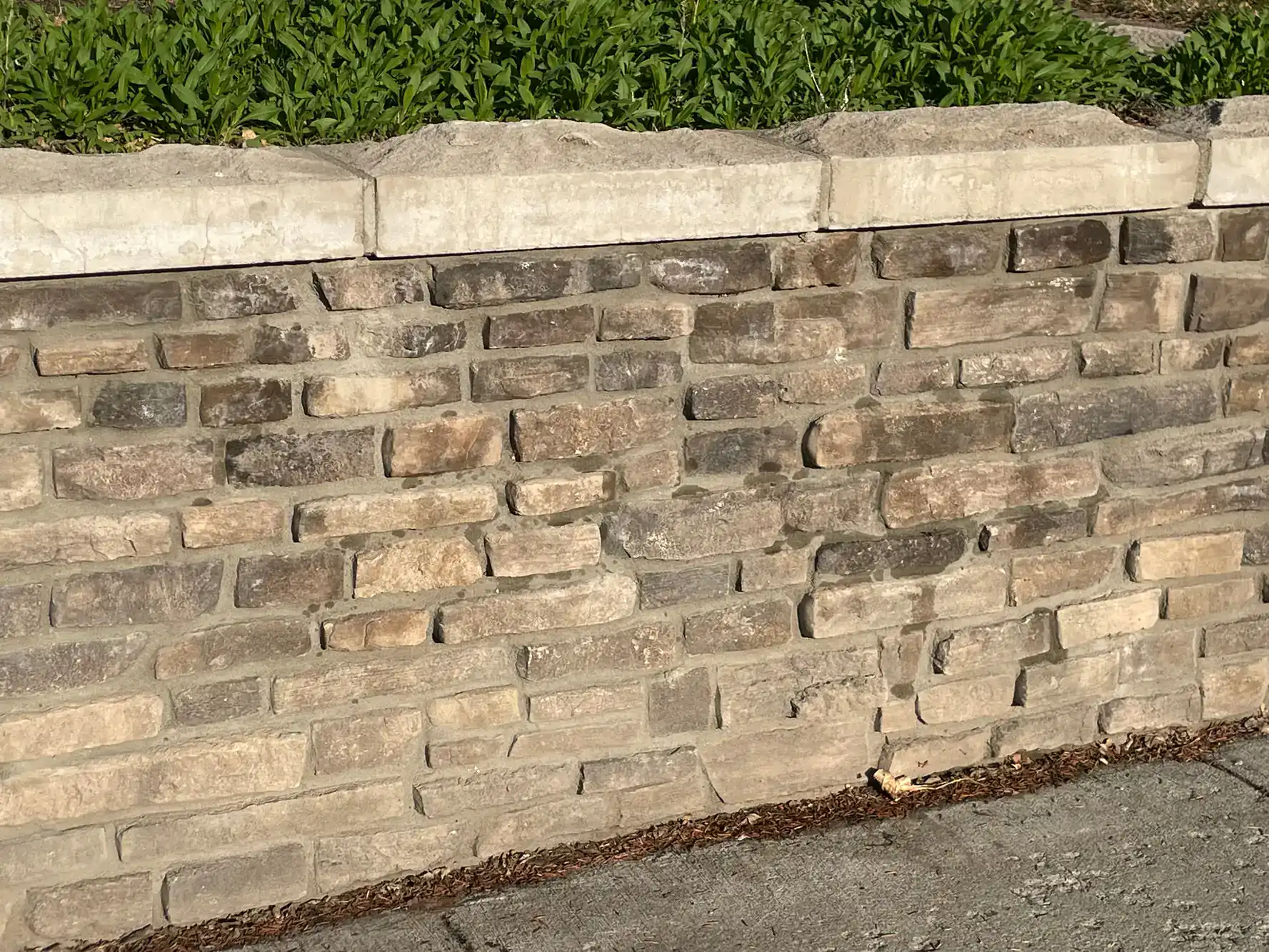
A stone retaining wall made of rectangular, tan and brown bricks supports a raised bed with green plants. Sunlight casts shadows on the textured wall and gray sidewalk below.

Hear from Our Customers

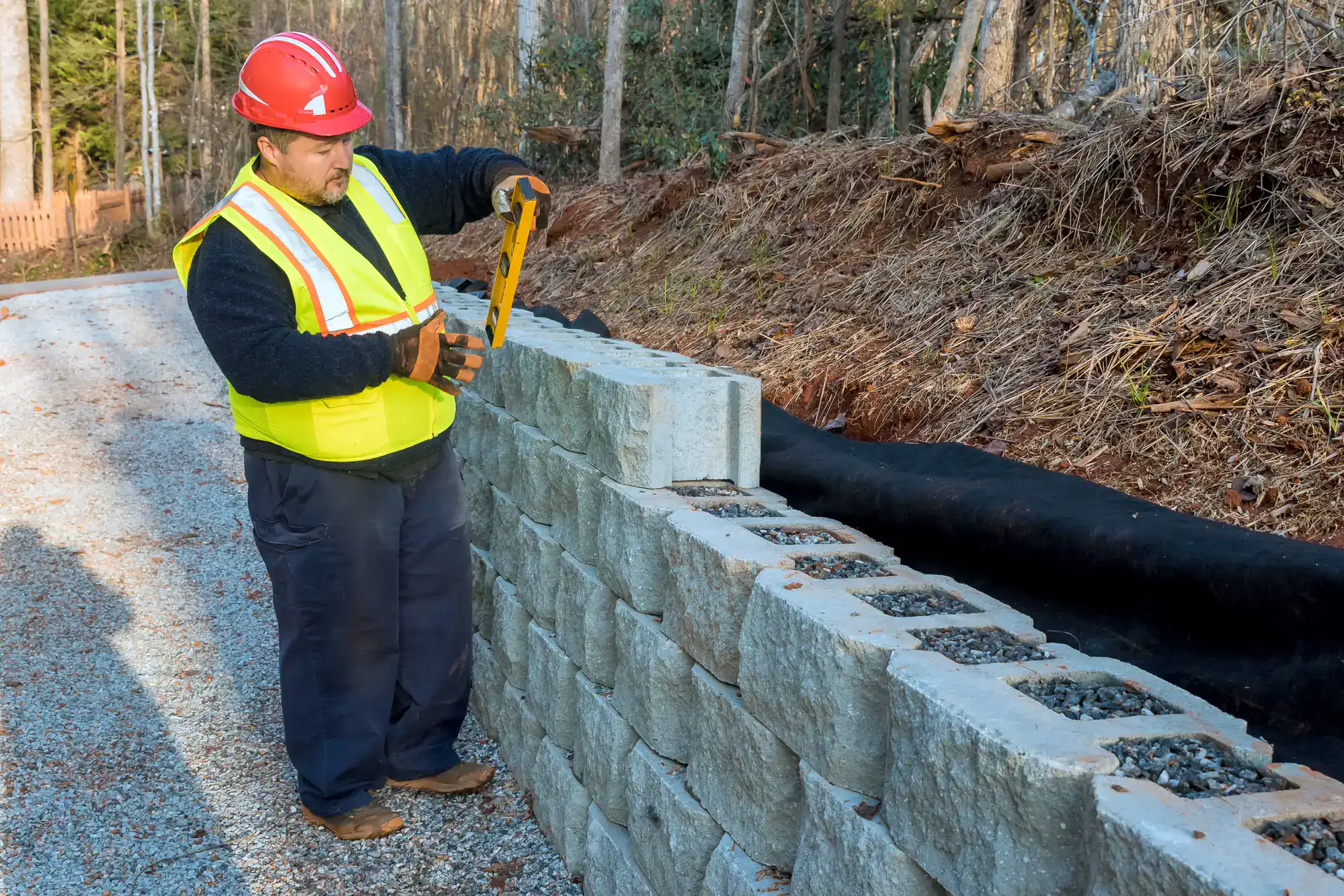
A construction worker in a yellow safety vest and red helmet uses a level to check concrete blocks while building a retaining wall next to a gravel road and a slope with trees.

Retaining Wall Installation North Great River

Turn Slopes Into Valuable Space
Your sloped yard becomes usable space instead of a maintenance headache. No more soil washing away during storms or unusable hillsides that just collect debris. Proper retaining wall installation creates stable, level areas perfect for patios, gardens, or outdoor living spaces. You get erosion control that actually works and property improvements that increase your home’s value. With drainage systems designed for North Great River’s unique conditions, your wall handles seasonal water fluctuations and coastal weather without the failures that plague poorly installed walls.

Stone Wall Installer North Great River

Local Knowledge Makes the Difference
We’ve been the trusted retaining wall contractor for North Great River properties for over 15 years. We understand what most contractors miss about Long Island installations. Sandy soil, high water tables, and coastal weather aren’t just details—they determine whether your wall lasts five years or fifty. Owner Iain Traynor brings union masonry experience and manufacturer certifications from Cambridge, Techo‑Bloc, Unilock, and Nicolock. Every North Great River project gets foundation work designed for local soil conditions, drainage systems that handle seasonal water changes, and materials rated for coastal exposure. That’s the difference between a retaining wall contractor who knows Long Island and one who doesn’t.

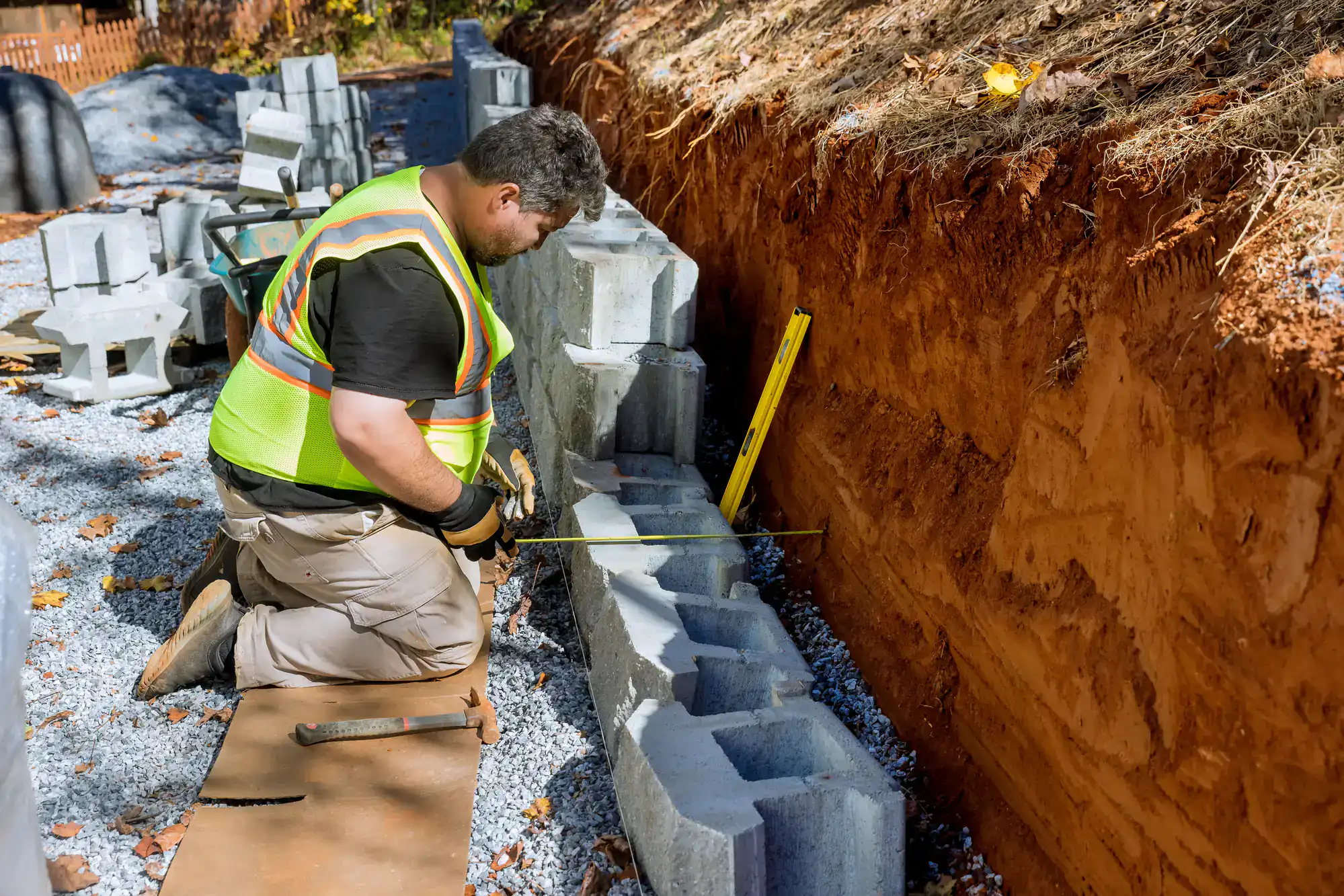
A construction worker in a safety vest kneels on gravel, measuring concrete blocks as he builds a retaining wall beside an exposed dirt slope. Tools and blocks are scattered around the worksite.

Retaining Wall Builder North Great River

The Right Process Every Time
Your retaining wall installation starts with our on-site evaluation of soil conditions, drainage patterns, and slope requirements. We measure frost line depth and check for utilities before any excavation begins. Foundation preparation involves digging to proper depth—30-36 inches below frost line—then installing base materials that work in North Great River’s sandy soil. Drainage planning happens during foundation work, not as an afterthought. Wall construction includes proper backfill materials, edge restraints, and grading that directs water away from your property. Each step follows manufacturer specifications and local building requirements to ensure long-term performance.
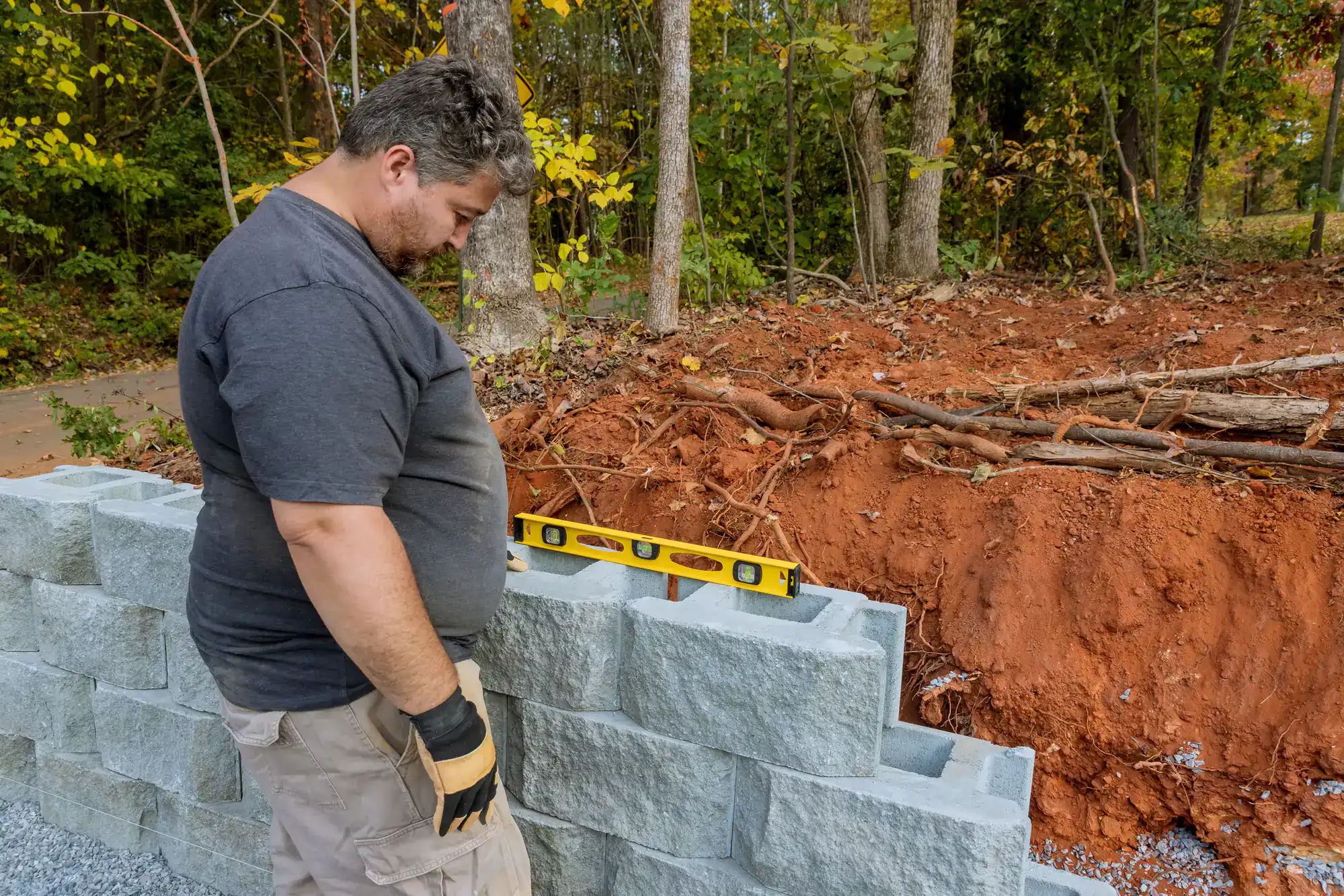
A man wearing gloves checks the level of a gray stone retaining wall with a yellow spirit level, next to a dirt embankment and forested area.

Ready to get started?

Explore More Services

About Stone Escapes Masonry & Outdoor Design

Get a Free Consultation

Retaining Wall Specialist North Great River

Built for Long Island Conditions
Your retaining wall includes comprehensive drainage systems designed for North Great River’s high water table and seasonal fluctuations. Perforated pipes, proper backfill, and weep holes prevent water buildup that destroys most walls. Foundation work goes deeper than standard contractors use—below the frost line that causes heaving and structural damage. Materials are selected for coastal exposure resistance, handling salt air and storm effects that inland products can’t withstand. Every installation includes manufacturer warranties and compliance with Suffolk County building codes. This isn’t just about building a wall—it’s about creating a permanent solution that protects your property investment and increases home value for decades.
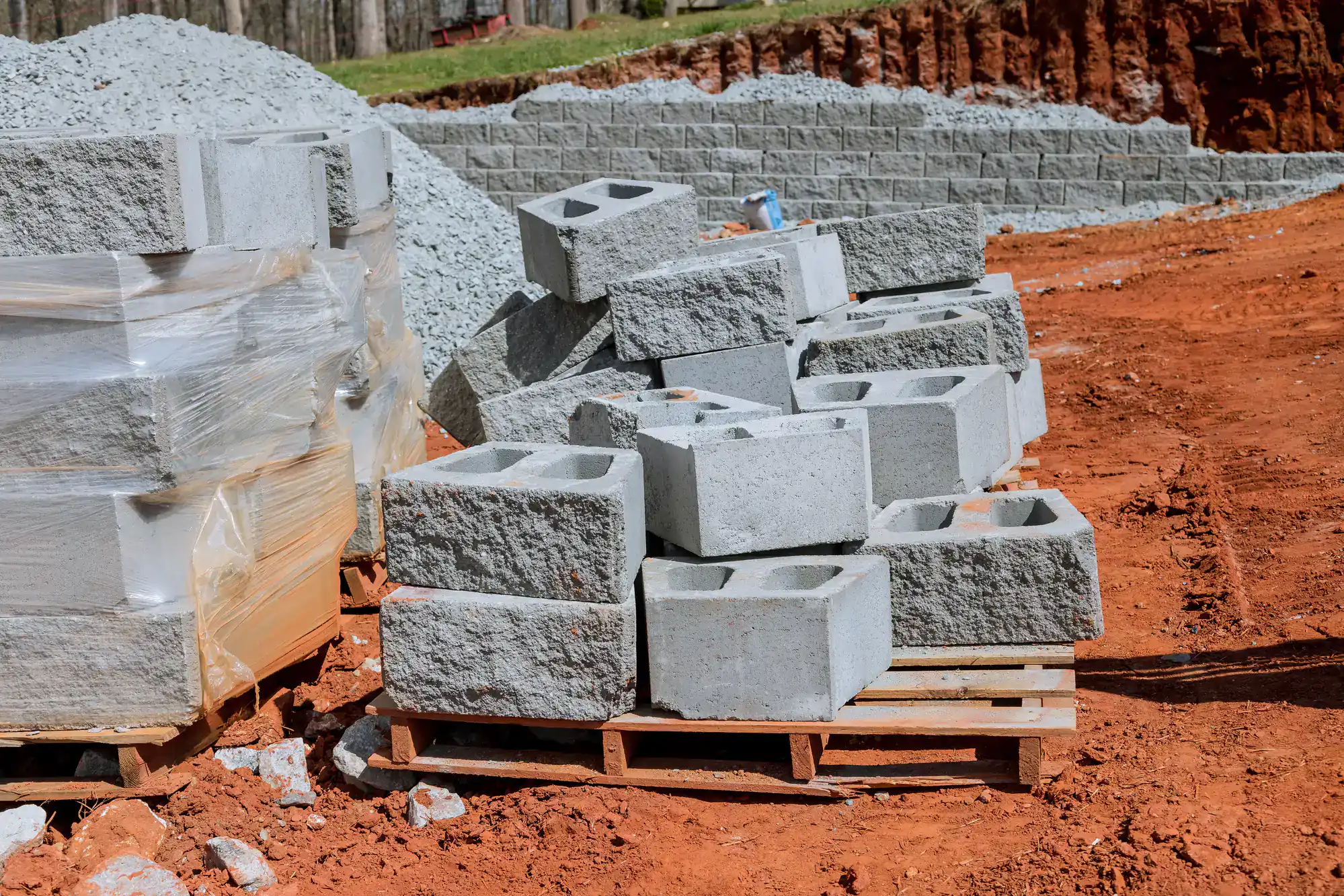
A stack of concrete cinder blocks is arranged on wooden pallets at a construction site with red soil and gravel. Wrapped blocks and a partially built stone retaining wall are visible in the background.

Why do retaining walls fail in North Great River?

Poor drainage causes most retaining wall failures in North Great River. Long Island’s sandy soil and high water table create hydrostatic pressure that many contractors don’t properly address. When water builds behind a wall with no escape route, it creates pressure that cracks, bows, or collapses the structure. North Great River’s coastal location makes this worse with seasonal water level changes and storm surge effects. Most failures happen because contractors use standard methods that don’t account for local conditions. Successful installations require drainage systems designed for sandy soil and foundations deep enough to handle Long Island’s freeze-thaw cycles.
Retaining wall foundations in North Great River must extend 30-36 inches deep to reach below the frost line. This prevents frost heaving that causes cracking and structural failure during winter freeze-thaw cycles. Many contractors cut costs by going only 18-24 inches deep, which fails in Long Island’s climate. Our coastal location creates deeper frost penetration than inland areas, requiring proper foundation depth for stability. Proper preparation also includes specialized base materials and drainage planning during excavation. This extra depth and attention prevent the settling and shifting that destroy improperly installed walls within five to ten years.
Long Island retaining walls need comprehensive drainage including perforated pipes, crushed stone backfill, and weep holes. Sandy soil drains naturally, but high water tables and seasonal changes create pressure that basic drainage can’t handle. Drainage pipes must be installed at the wall base and “daylighted” to direct water away from the structure. Backfill requires clean, crushed stone instead of native soil to maintain proper water flow during heavy rains. Weep holes provide additional water escape during North Great River’s storm seasons and spring water table rises. Without these systems, even well-built walls fail from hydrostatic pressure that builds during seasonal water changes.
Professional retaining wall installation in North Great River typically costs $25-45 per square foot, depending on height, materials, and site conditions. Long Island pricing reflects the specialized work needed for local soil and coastal requirements. A typical residential project ranges $4,000-$10,000 for 50 linear feet. Costs include proper foundation depth, drainage systems, and materials rated for coastal exposure—elements that cheaper installations often skip. Quality installation with manufacturer-certified materials provides 20-50 year lifespan and increases property value up to 15%. Cutting corners on drainage or foundation work leads to failures that cost more to repair than proper installation.
We recommend professional installation for most North Great River retaining wall projects due to local soil conditions and drainage requirements. DIY might work for decorative walls under 3 feet, but Long Island’s sandy soil creates challenges requiring specialized knowledge. Proper installation requires understanding frost line depth, drainage design, and soil compaction techniques specific to coastal conditions. Mistakes in foundation or drainage work lead to expensive failures within five to ten years. Professional contractors ensure building code compliance, proper permits, and warranty coverage. For walls over 4 feet or areas with drainage challenges, professional installation provides safety and long-term performance that DIY cannot match.
Segmental concrete blocks perform best in North Great River because they accommodate soil movement while maintaining structural integrity. These interlocking systems offer design variety while providing reliable performance in coastal conditions. Natural stone provides premium appearance and exceptional longevity but requires experienced installation. Both materials resist salt air and storm effects better than wood or standard concrete alternatives. Material selection must account for coastal weather exposure, requiring corrosion-resistant components and proper weatherproofing. Manufacturer certifications from Cambridge, Techo‑Bloc, and Unilock ensure materials meet Long Island’s environmental demands and provide warranty protection.