Retaining Wall Contractor in East Farmingdale

Walls That Actually Hold Against Long Island Weather

Built for sandy soil, coastal storms, and the peace of mind you deserve.
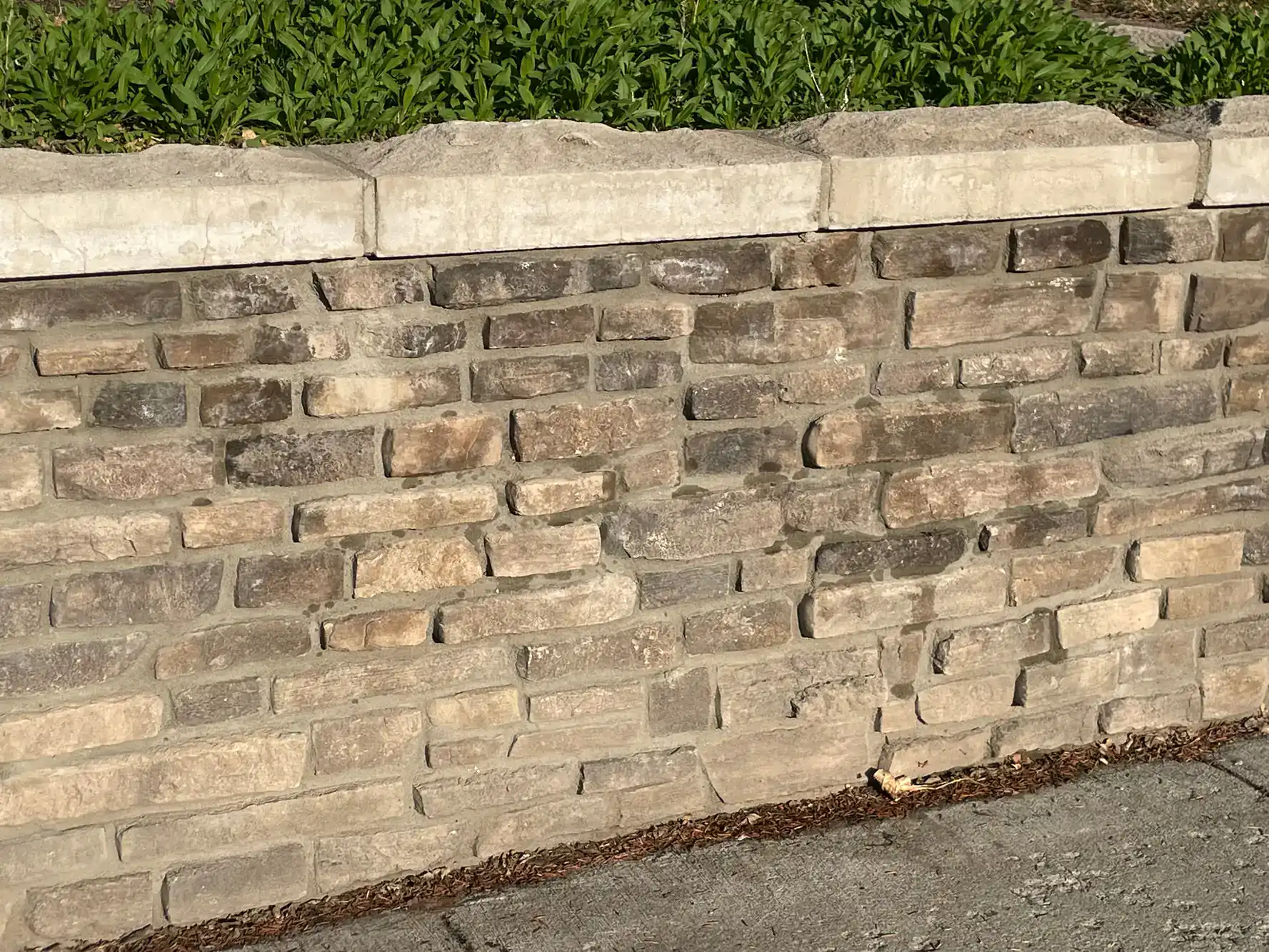
A stone retaining wall made of rectangular, tan and brown bricks supports a raised bed with green plants. Sunlight casts shadows on the textured wall and gray sidewalk below.

Hear from Our Customers

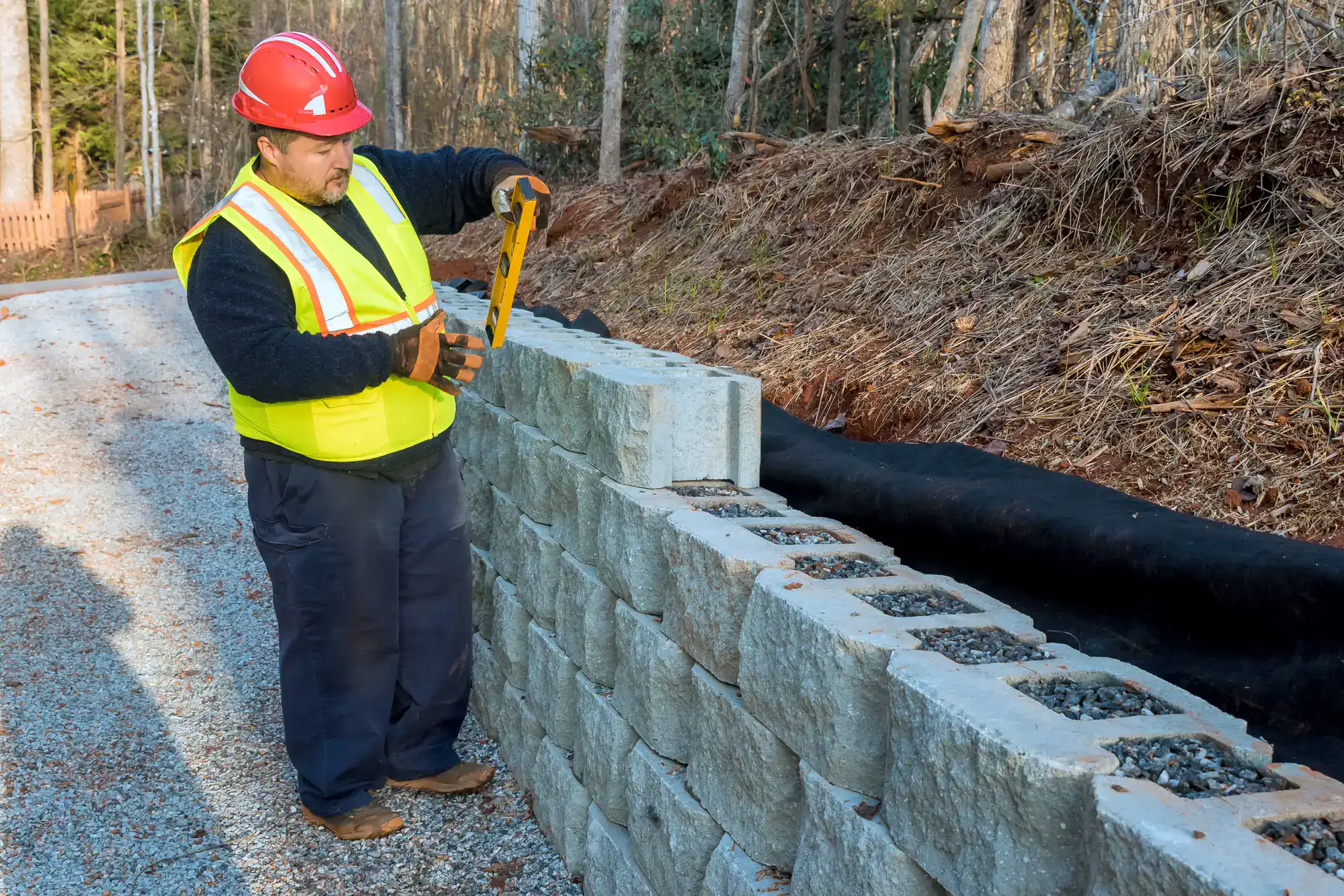
A construction worker in a yellow safety vest and red helmet uses a level to check concrete blocks while building a retaining wall next to a gravel road and a slope with trees.

Retaining Wall Installation East Farmingdale NY

Stop Losing Your Yard To Erosion
You’re watching your property wash away every storm season. That sloped area could be usable space—a patio, garden, or level lawn—if you had a retaining wall built by someone who actually understands Long Island soil. Long Island’s predominantly sandy soil composition, formed by glacial deposits, presents unique challenges for wall construction. This soil type offers excellent drainage but requires deeper foundations and specialized backfill materials to ensure long-term stability. Most contractors treat all soil the same. The area’s sandy soils drain quickly but also shift easily. Heavy rains from nor’easters and hurricanes can saturate slopes, causing dangerous soil movement that threatens property infrastructure and home foundations. We build retaining walls that work with East Farmingdale’s soil conditions, not against them. This connects to retaining wall design because soil type determines foundation depth requirements and drainage needs, with Long Island properties typically requiring foundations 30-36 inches deep to reach below the frost line. Your wall gets proper drainage systems, foundations built to the right depth, and materials that handle coastal weather. The result? Stable ground that stays put, and no more watching your investment erode away.

Stone Wall Installer East Farmingdale NY

15+ Years Of Long Island Expertise
Stone Escapes has been solving Long Island’s unique construction challenges since before most contractors even knew sandy soil required different techniques. Owner Iain Traynor brings carpentry and union masonry experience to every project, and he’s still the one handling your estimate and overseeing your build. We’re skilled and experienced in both residential and commercial projects, and Stone Escapes Masonry is licensed and insured in Suffolk County, Nassau County, East Hampton and Southampton. We hold manufacturer certifications from Cambridge, Techo-Bloc, Unilock, Nicolock, Eldorado, and Boral—companies that make materials specifically designed for coastal conditions like ours. You won’t get bounced between call centers or see different crews every week. We understand the struggle of putting your property into the hands of the right masonry contractors, which is why you can expect full transparency from start to completion of work. Client satisfaction is our top priority and guarantee.
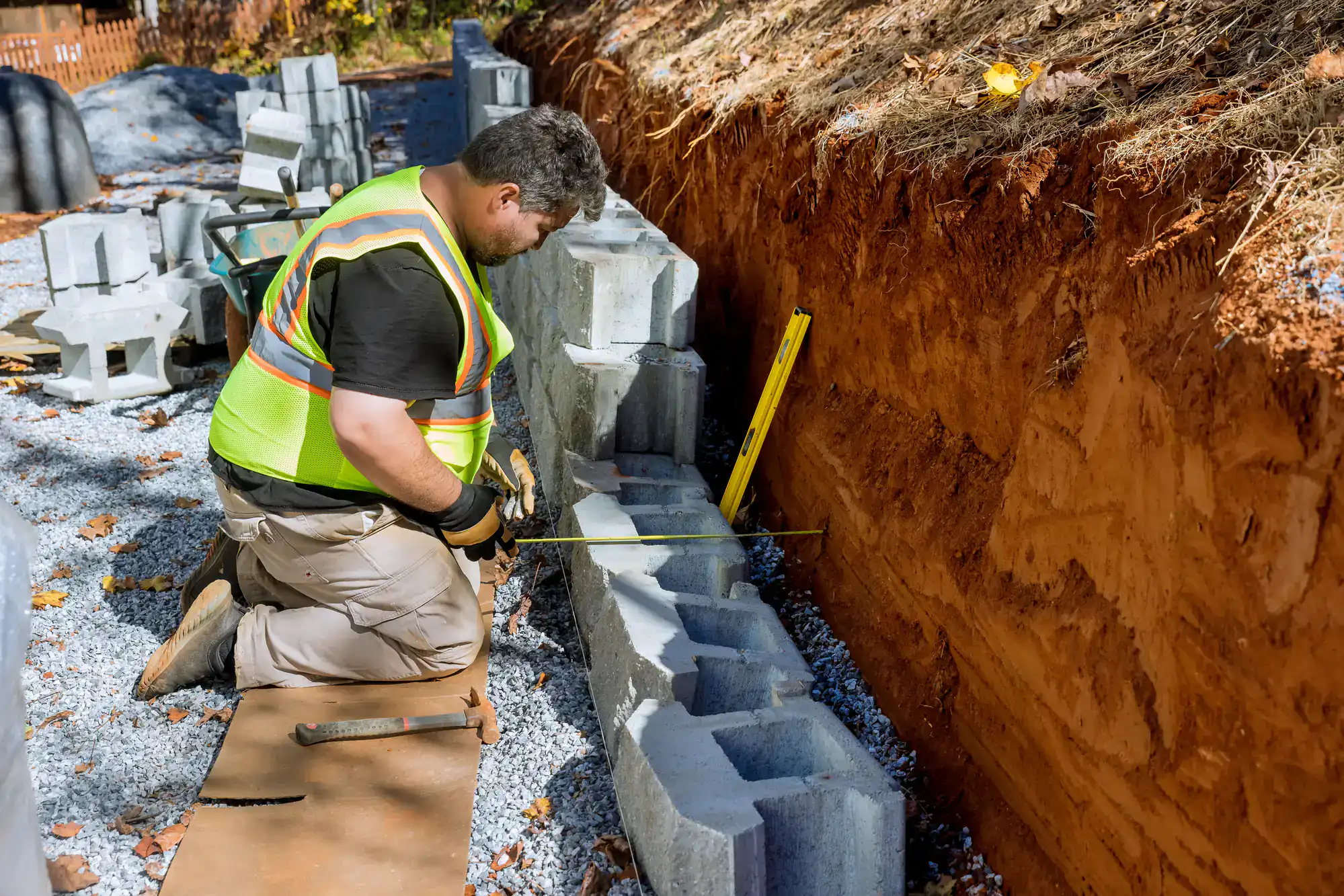
A construction worker in a safety vest kneels on gravel, measuring concrete blocks as he builds a retaining wall beside an exposed dirt slope. Tools and blocks are scattered around the worksite.

Retaining Wall Specialist East Farmingdale NY

The Right Process For Long Island Conditions
We start with an in-person assessment of your soil, drainage patterns, and specific site challenges. No cookie-cutter estimates or one-size-fits-all solutions. Excavation goes deep enough to matter. We excavate to below frost line (30-36 inches in Nassau and Suffolk Counties) to prevent frost heave that can cause wall failure over time. We install proper base materials and compaction designed for sandy soil characteristics, not whatever’s cheapest at the supply yard. Drainage gets planned before we place the first block because the #1 cause of retaining wall failure is poor drainage. If water builds up behind the wall with no place to go, it creates pressure that can crack, lean, or even collapse the structure. Your wall gets backfill materials that handle freeze-thaw cycles and edge restraints that prevent the shifting common in sandy soil. Every installation addresses the specific challenges of East Farmingdale properties and Long Island weather patterns.
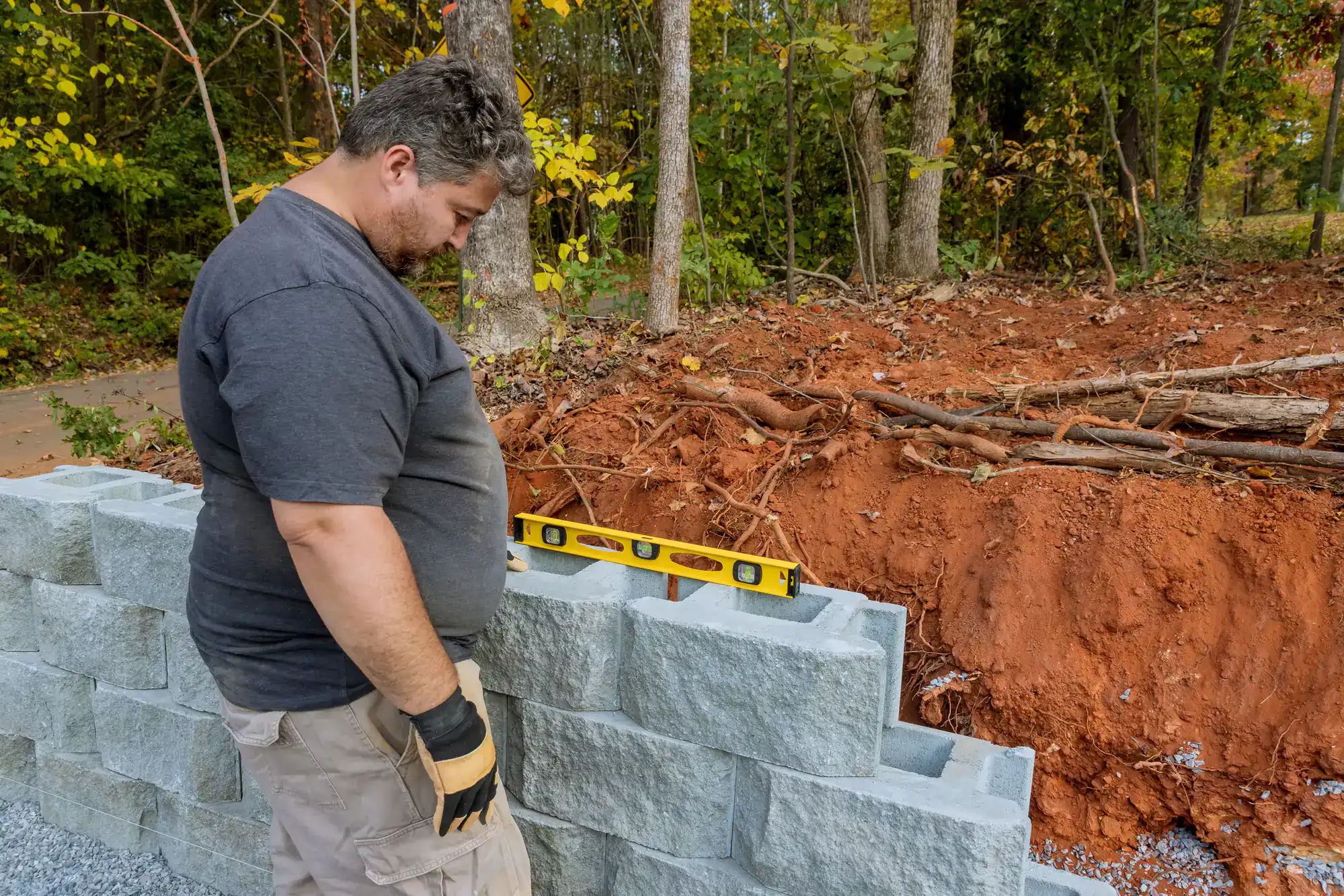
A man wearing gloves checks the level of a gray stone retaining wall with a yellow spirit level, next to a dirt embankment and forested area.

Ready to get started?

Explore More Services

About Stone Escapes Masonry & Outdoor Design

Get a Free Consultation

Retaining Wall Builder East Farmingdale NY

Built For East Farmingdale's Unique Challenges
Your retaining wall installation includes comprehensive site evaluation, excavation to proper depth for local frost line requirements, and foundation preparation engineered for Long Island’s sandy soil conditions. We use manufacturer-certified materials and proven installation techniques that address coastal weather exposure. The coastal climate brings salt air exposure and storm surge considerations that demand corrosion-resistant materials and enhanced drainage systems. Building on soil knowledge, unlike inland areas, Long Island’s coastal climate requires additional weatherproofing measures and material specifications to ensure wall systems can withstand decades of coastal weather exposure. Your drainage system gets designed to prevent the hydrostatic pressure buildup that destroys walls during heavy rain events. We handle permit coordination when required and ensure compliance with Nassau County building codes. Furthermore, local zoning regulations often require engineered retaining walls for properties with significant elevation changes, especially in flood zones. You get consistent crews, direct project oversight, and transparent communication throughout construction. No surprise costs for work that should have been included from day one.
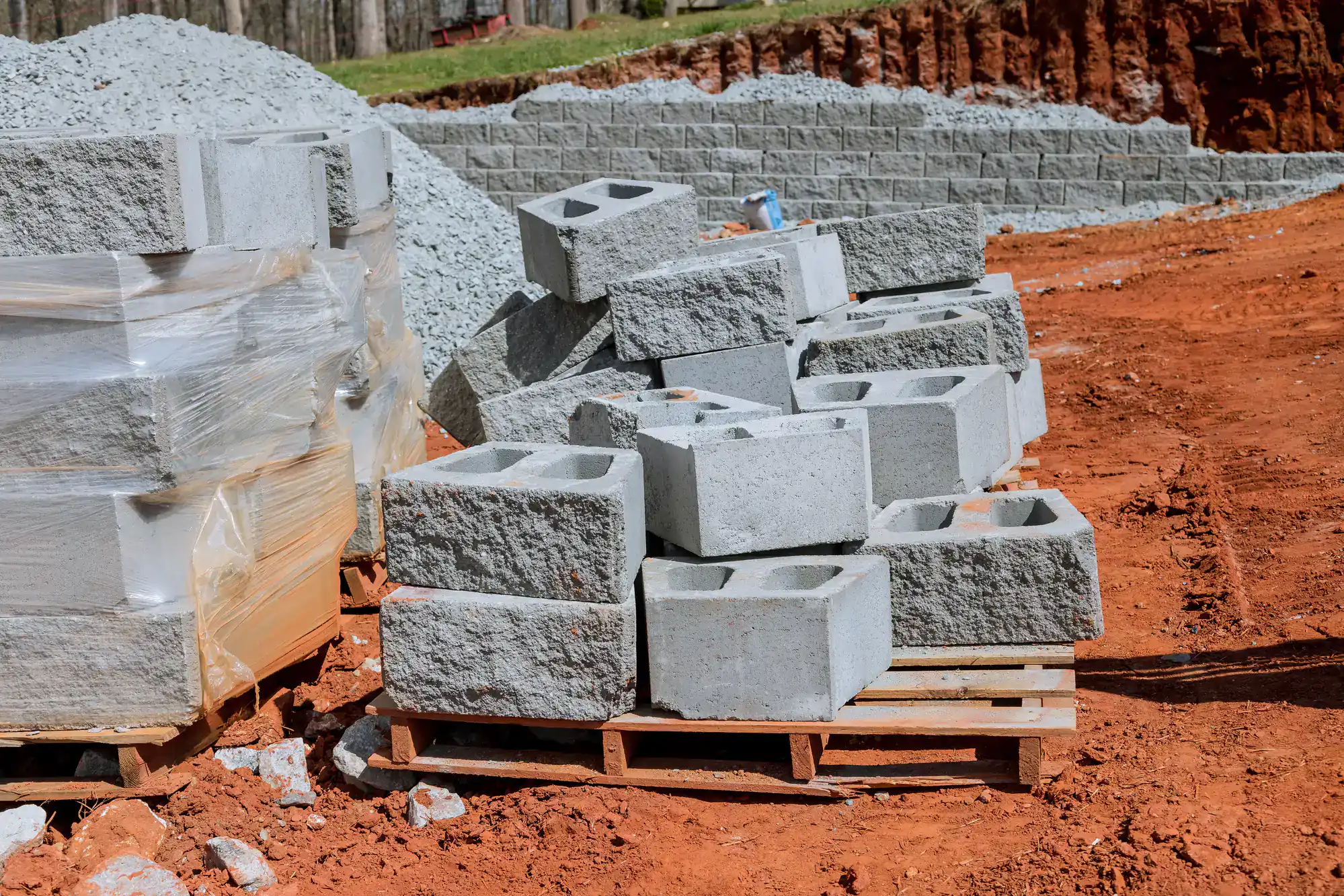
A stack of concrete cinder blocks is arranged on wooden pallets at a construction site with red soil and gravel. Wrapped blocks and a partially built stone retaining wall are visible in the background.

Why do so many retaining walls fail on Long Island?

The #1 cause of retaining wall failure is poor drainage. If water builds up behind the wall with no place to go, it creates pressure that can crack, lean, or even collapse the structure. But Long Island’s sandy soil and coastal weather create additional challenges most contractors don’t understand. The area’s sandy soils drain quickly but also shift easily. Heavy rains from nor’easters and hurricanes can saturate slopes, causing dangerous soil movement that threatens property infrastructure and home foundations. Walls fail when contractors don’t excavate deep enough for our frost line, use generic backfill materials, or skip drainage systems designed for coastal conditions. We prevent these failures by following Long Island-specific construction requirements and using materials proven to work in sandy soil and salt air.
This connects to retaining wall design because soil type determines foundation depth requirements and drainage needs, with Long Island properties typically requiring foundations 30-36 inches deep to reach below the frost line. The exact depth depends on your wall height, soil conditions, and proximity to existing structures. We excavate to below frost line (30-36 inches in Nassau and Suffolk Counties) to prevent frost heave that can cause wall failure over time. Foundation Preparation: We install crushed stone base material with proper compaction to create stable foundation support that accommodates Long Island’s sandy soil characteristics. We evaluate each property individually because sandy soil characteristics can vary significantly even within the same neighborhood. Proper foundation depth prevents frost damage and ensures your wall stays stable through decades of freeze-thaw cycles.
High water tables, common in coastal areas, increase hydrostatic pressure on a wall, making professional design with robust drainage critical. Effective drainage systems for Long Island conditions go beyond basic solutions because we deal with nor’easters, storm surge, and seasonal water table fluctuations. Dry Wells: Underground chambers that collect stormwater and allow it to slowly percolate into the soil, used when a daylight outlet isn’t feasible. Sump Pumps: In low-lying areas, an automatic sump pump can be integrated with the drainage system to actively remove water when levels rise. By using these smart strategies, we ensure your retaining wall and property are prepared to handle Long Island’s heavy rains, protecting your investment for decades to come. We design drainage systems that handle the specific water management challenges of East Farmingdale properties.
A retaining wall built with proper materials and techniques for Long Island conditions should provide reliable service for decades. Long Island’s freeze-thaw cycles impact material selection and construction techniques, requiring frost-resistant materials and proper foundation depth to prevent wall failure. The coastal climate brings salt air exposure and storm surge considerations that demand corrosion-resistant materials and enhanced drainage systems. Longevity depends on using construction methods designed for our specific environmental challenges. Walls that fail early typically have drainage problems, inadequate foundations, or materials not suited for sandy soil and coastal weather. We use manufacturer-certified materials from Cambridge, Techo-Bloc, Unilock, and other companies specifically because they’re engineered to handle Long Island’s unique conditions. With proper installation and basic maintenance, your retaining wall should protect your property for decades.
Furthermore, local zoning regulations often require engineered retaining walls for properties with significant elevation changes, especially in flood zones. Permit requirements in Nassau County depend on wall height, location relative to property lines, and proximity to septic systems or flood zones. When to use professional installation: Projects over 3 feet in height, walls requiring permits, or any installation on properties with drainage challenges. Generally, walls over 4 feet require permits and engineering, but requirements vary based on your specific property conditions. We handle permit coordination when necessary and ensure your installation meets all local building codes. It’s much easier to get permits right upfront than deal with violations and costly corrections later.
We specialize exclusively in Long Island’s unique construction challenges and have the manufacturer certifications and local experience to prove it. We’re skilled and experienced in both residential and commercial projects, and Stone Escapes Masonry is licensed and insured in Suffolk County, Nassau County, East Hampton and Southampton. Our masonry contractors have 10+ years of experience working in all phases of masonry, stonework and flatwork. You get direct access to owner Iain Traynor throughout your project, consistent experienced crews, and construction techniques specifically developed for sandy soil and coastal weather conditions. We understand the struggle of putting your property into the hands of the right masonry contractors, which is why you can expect full transparency from start to completion of work. Client satisfaction is our top priority and guarantee. No automated phone systems, no subcontractors you’ve never met—just proven professionals who understand what actually works in East Farmingdale.