Retaining Wall Contractor in Islip Terrace

Retaining Walls Built Right for Long Island

Professional retaining wall contractor in Islip Terrace specializing in sandy soil conditions, proper drainage, and coastal weather resistance for lasting results.
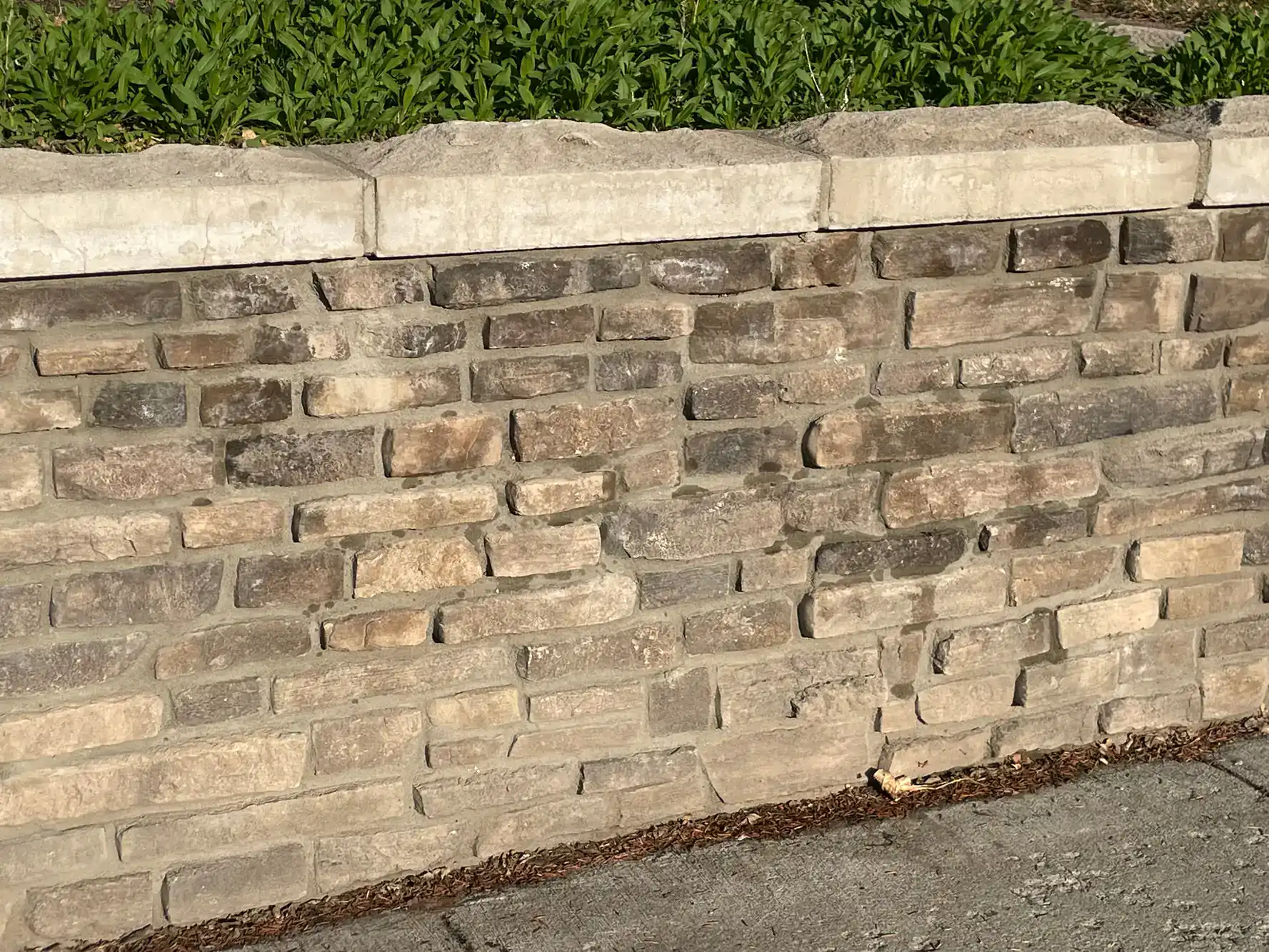
A stone retaining wall made of rectangular, tan and brown bricks supports a raised bed with green plants. Sunlight casts shadows on the textured wall and gray sidewalk below.

Hear from Our Customers

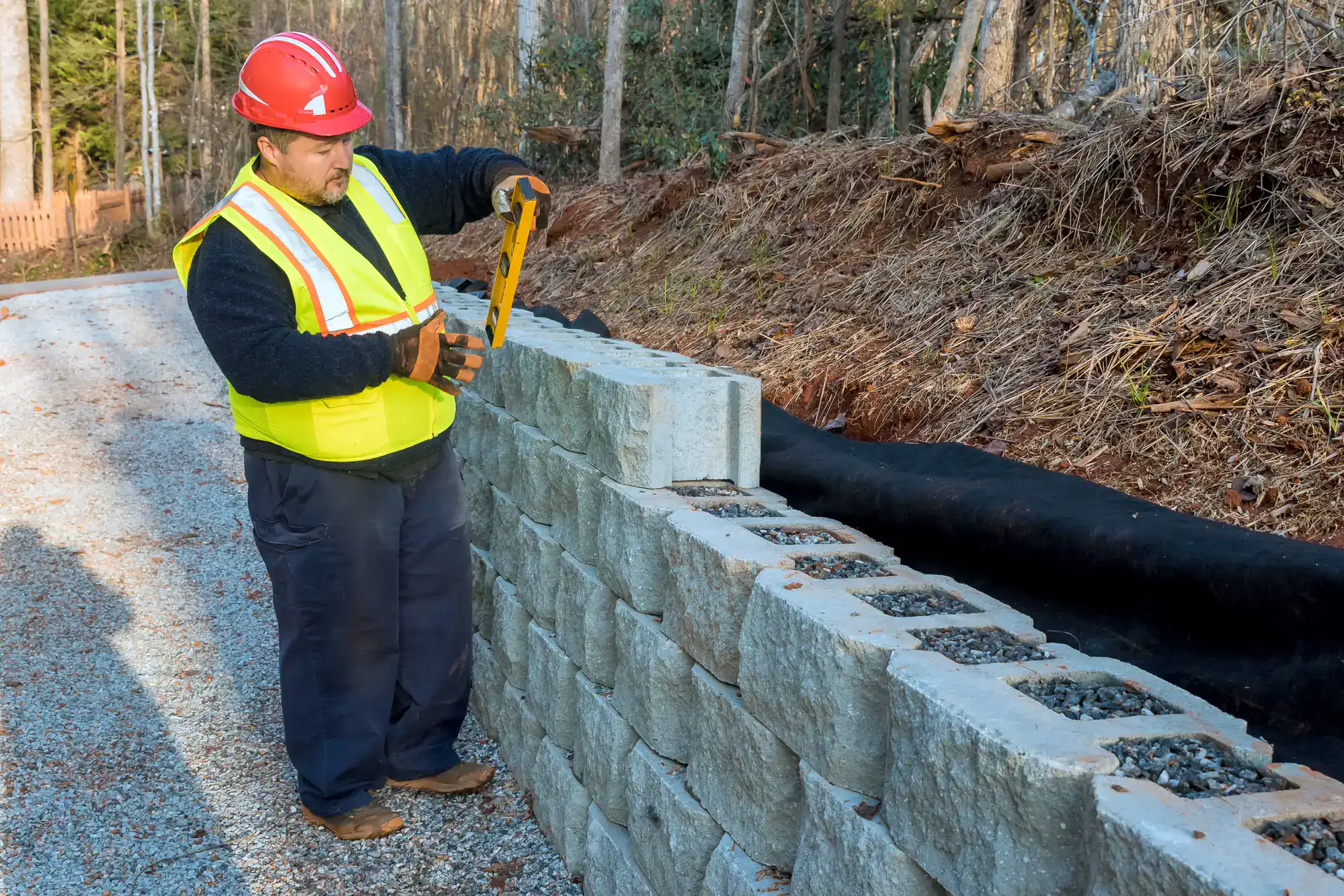
A construction worker in a yellow safety vest and red helmet uses a level to check concrete blocks while building a retaining wall next to a gravel road and a slope with trees.

Long Island Retaining Wall Installation

Stop Soil Loss, Create Usable Space
Your sloped property doesn’t have to mean lost soil and drainage headaches. A properly built retaining wall transforms unusable slopes into functional outdoor space while protecting your investment from erosion. Long Island’s sandy soil and coastal conditions demand specialized installation techniques. When your wall is engineered correctly with proper drainage and foundation depth, you get decades of reliable performance instead of costly repairs. You’ll finally have the terraced yard you’ve wanted, plus the peace of mind that comes from working with contractors who understand exactly what Long Island properties need.

Stone Escapes Masonry Islip Terrace

Owner-Supervised, Union-Trained Expertise Since Day One
We’ve been serving Islip Terrace and Suffolk County with hands-on masonry expertise for years. Owner Iain Traynor brings union training from Local 1 Bricklayers and personally oversees every project from estimate to completion. We’re licensed in Suffolk County, Nassau County, Southampton, and East Hampton because we understand the specific challenges Long Island properties face. Sandy soil, coastal moisture, and freeze-thaw cycles require different approaches than inland construction. You’ll work directly with Iain and manager Meagan throughout your project—no sales teams or subcontractors. This direct communication means your questions get answered quickly and your project stays on track.
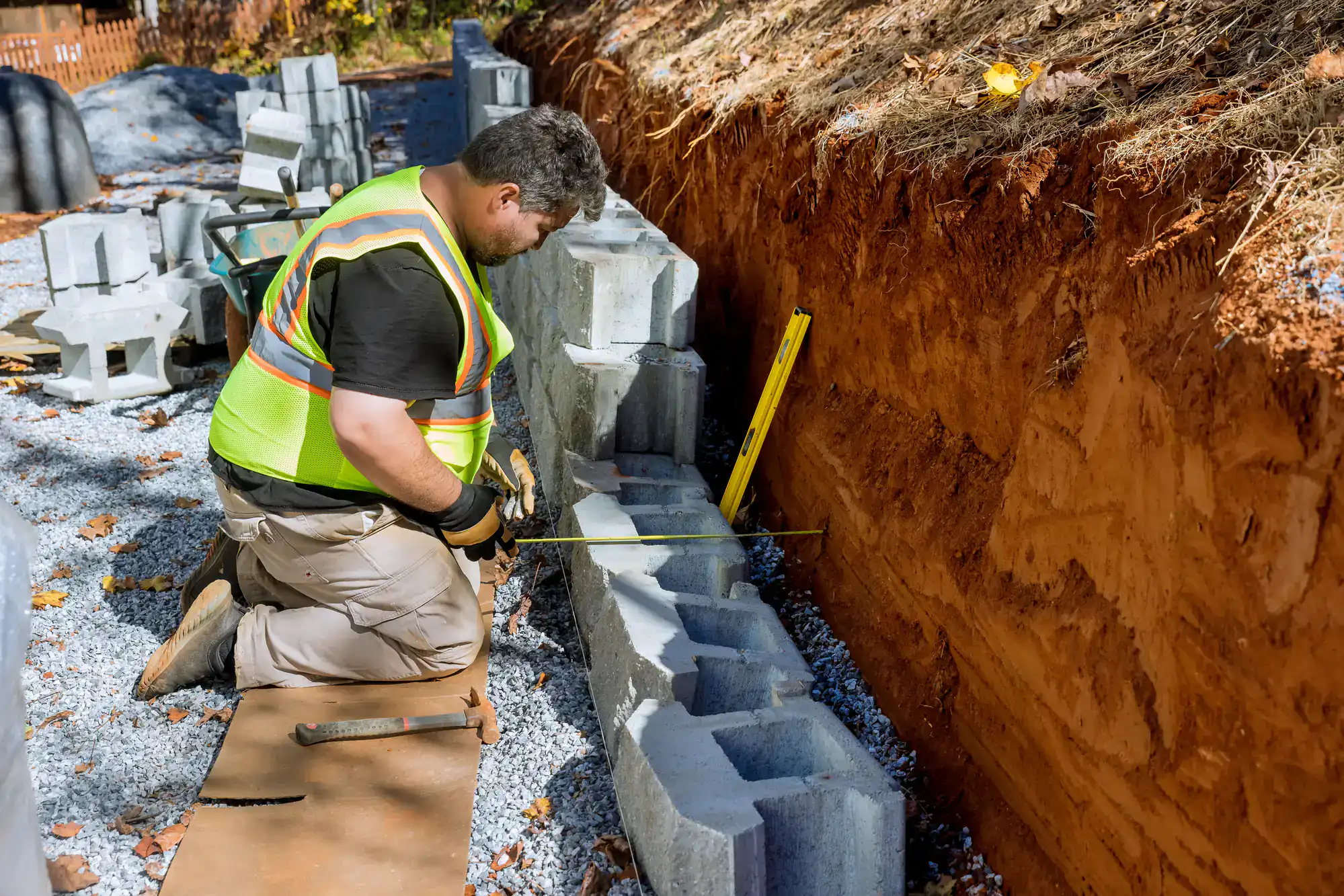
A construction worker in a safety vest kneels on gravel, measuring concrete blocks as he builds a retaining wall beside an exposed dirt slope. Tools and blocks are scattered around the worksite.

Retaining Wall Installation Process

From Site Evaluation to Final Inspection
Every retaining wall project starts with Iain personally evaluating your property’s drainage patterns, soil conditions, and grade requirements. This isn’t a quick walkthrough—it’s a thorough assessment that determines the right foundation depth and drainage approach for your specific site. Next comes excavation to proper depth, typically 30-36 inches below ground to reach below Long Island’s frost line. We install a crushed stone base with proper compaction, then build your wall with integrated drainage systems including gravel backfill and perforated pipes where needed. The final step involves backfilling with appropriate materials and ensuring water flows away from the structure. You’ll get a walkthrough of the completed work and maintenance guidelines to keep your wall performing properly for decades.
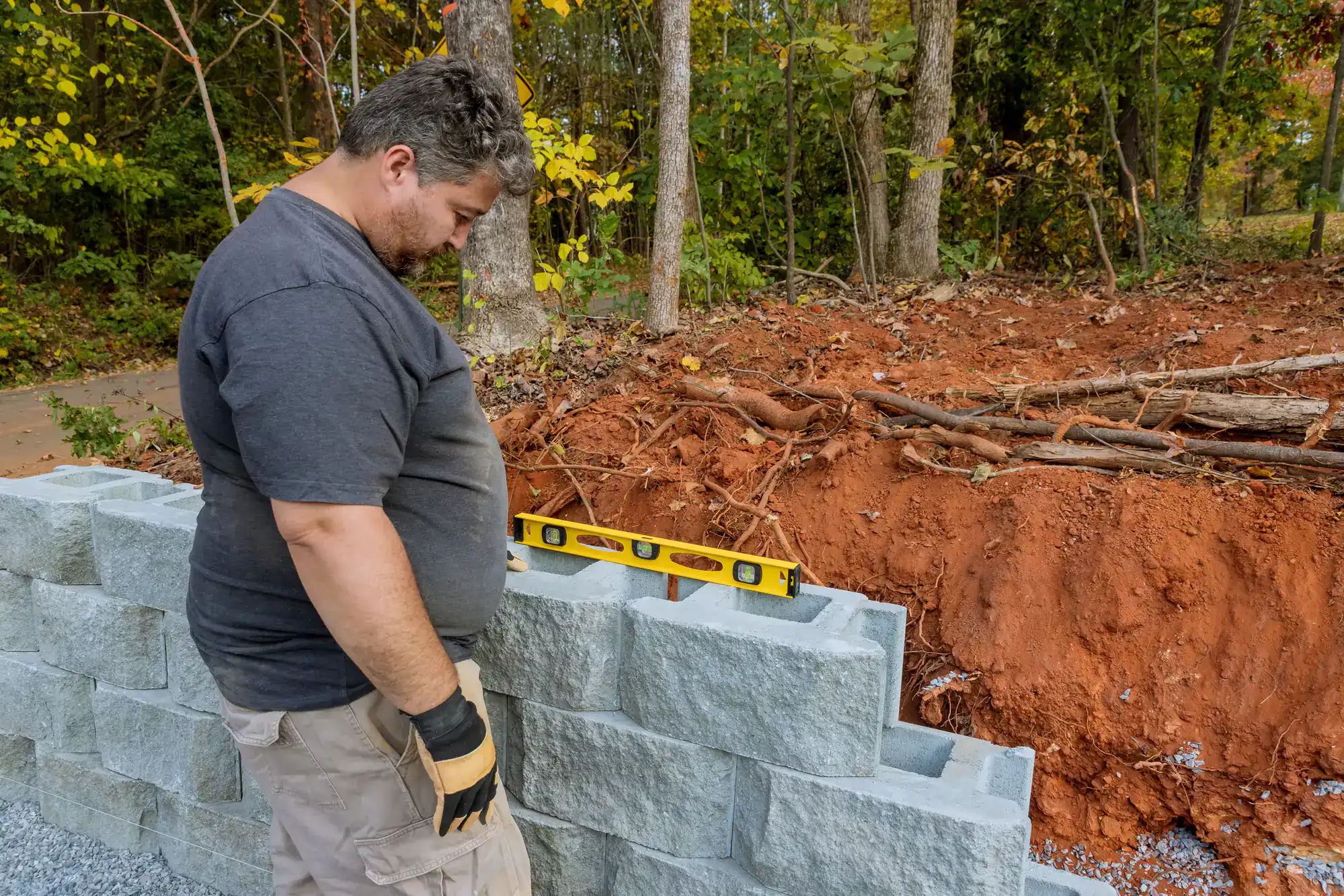
A man wearing gloves checks the level of a gray stone retaining wall with a yellow spirit level, next to a dirt embankment and forested area.

Ready to get started?

Explore More Services

About Stone Escapes Masonry & Outdoor Design

Get a Free Consultation

Islip Terrace Retaining Wall Solutions

Built for Long Island's Unique Conditions
Our retaining wall installations address the specific challenges Islip Terrace properties face. Sandy soil requires additional stabilization techniques, while coastal moisture demands corrosion-resistant materials and enhanced waterproofing measures. We use materials from certified manufacturers including Cambridge, Techo-Bloc, Unilock, Nicolock, Eldorado, and Boral. These aren’t just aesthetic choices—they’re engineered for Long Island’s coastal climate and soil conditions. Every installation includes proper drainage systems with gravel backfill, perforated drainage pipes, and weep holes where appropriate. This prevents the hydrostatic pressure buildup that causes most retaining wall failures on Long Island. Your investment stays protected through heavy rains, storm surges, and freeze-thaw cycles.
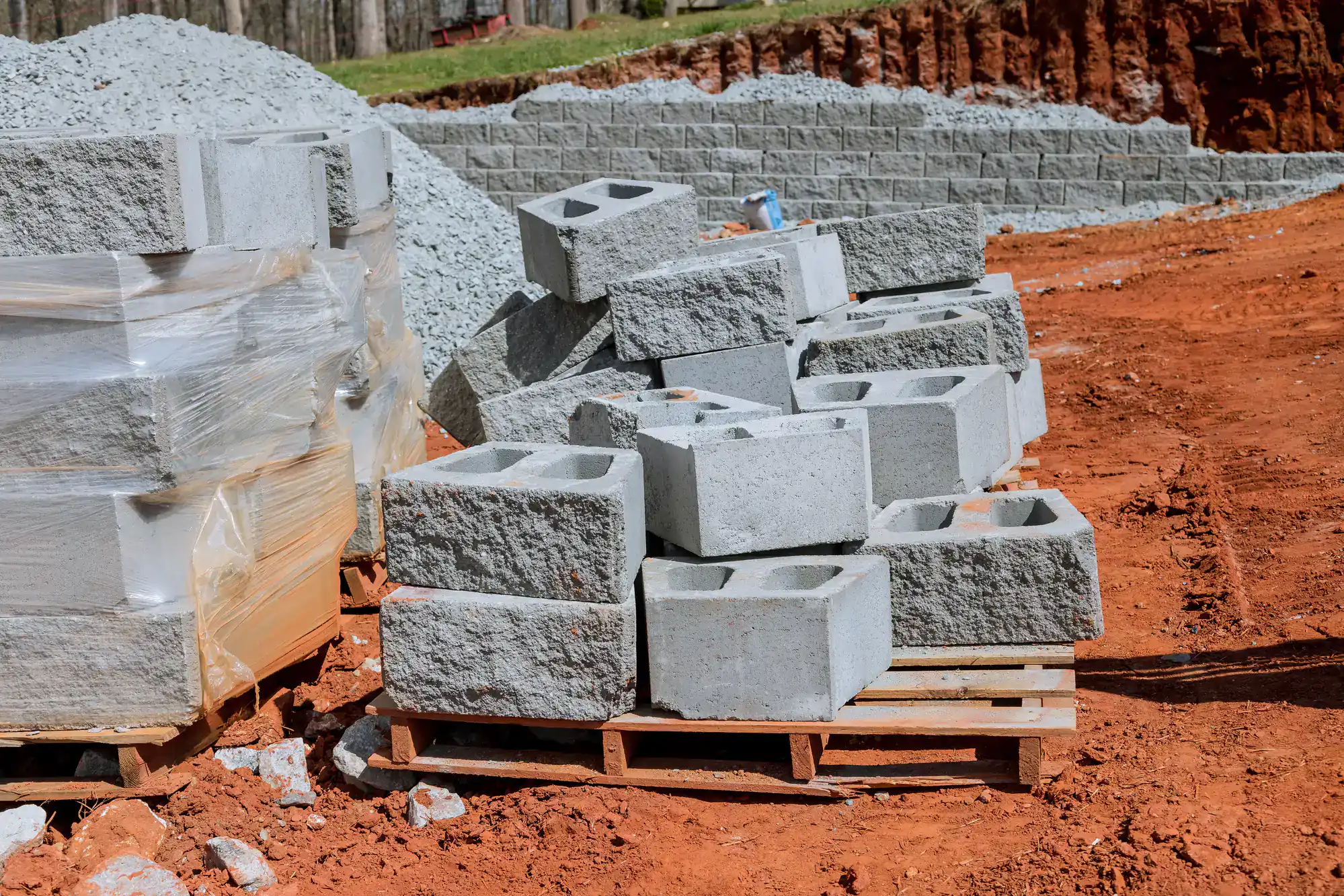
A stack of concrete cinder blocks is arranged on wooden pallets at a construction site with red soil and gravel. Wrapped blocks and a partially built stone retaining wall are visible in the background.

How deep should retaining wall foundations be in Islip Terrace?

Retaining wall foundations in Islip Terrace need to extend 30-36 inches below ground level to reach below the frost line. This depth prevents frost heave that can cause wall failure during Long Island’s freeze-thaw cycles. The exact depth depends on your wall height and soil conditions. Taller walls require deeper foundations, and sandy soil may need additional stabilization measures. We excavate to the proper depth for your specific project, then install a compacted crushed stone base that provides stable support for decades. Cutting corners on foundation depth is one of the most common mistakes that leads to expensive repairs later. Proper excavation costs more upfront but saves you from having to rebuild the entire wall in a few years.
Long Island retaining walls require comprehensive drainage systems to handle our coastal climate and soil conditions. At minimum, this includes 12 inches of granular backfill directly behind the wall and perforated drainage pipes at the base level. We also install weep holes, gravel-wrapped drainage pipes, and proper grading to direct water away from the wall structure. Without these systems, hydrostatic pressure builds up behind the wall during heavy rains, eventually pushing it outward and causing failure. The drainage approach varies based on your property’s specific conditions. Properties with high water tables or clay soil need more aggressive drainage solutions than well-draining sandy sites. We design the drainage system based on your site evaluation, not a one-size-fits-all approach.
Most retaining walls over 3-4 feet in height require permits in Islip Terrace and Suffolk County. Permit costs typically range from $50 to $450 depending on the wall size and complexity. Walls over 4 feet also usually require structural engineering plans to ensure safety and code compliance. Engineering fees add $500 to $2,000+ to the project cost, but they’re essential for preventing dangerous failures. We handle permit applications as part of our service and know the local requirements for Suffolk County and surrounding townships. This ensures your wall meets all building codes and passes inspections without delays or costly revisions.
Properly constructed retaining walls using quality materials can last 50-100 years on Long Island when built with correct foundation depth, drainage systems, and coastal-resistant materials. The key factors for longevity are proper installation techniques and materials suited for our climate. Walls that fail early typically have inadequate drainage, insufficient foundation depth, or materials not designed for coastal exposure and freeze-thaw cycles. We use manufacturer-certified materials and installation methods specifically chosen for Long Island conditions. This includes corrosion-resistant components, proper waterproofing, and drainage systems that handle our heavy rains and storm surges. Regular maintenance like clearing drainage outlets helps ensure maximum lifespan.
Retaining wall costs in Islip Terrace typically range from $54 to $58 per square foot, though final pricing depends on wall height, materials, site conditions, and drainage requirements. A typical residential retaining wall project ranges from $3,500 to $8,700, with some complex installations reaching $14,000. Factors that affect cost include excavation requirements, permit fees, drainage complexity, and material choices. Higher upfront costs for proper installation and quality materials save money long-term by avoiding repairs and rebuilds. We provide detailed estimates that break down all costs including permits, drainage systems, and site preparation so you understand exactly what you’re getting.

Most retaining wall failures on Long Island result from inadequate drainage, insufficient foundation depth, or installation methods that don’t account for our coastal conditions and sandy soil. Common failure points include walls built without proper drainage systems that allow hydrostatic pressure to build up, foundations that don’t reach below the frost line, and backfill materials that don’t provide adequate support or drainage. Successful long-term walls have comprehensive drainage systems, foundations excavated to proper depth, and materials chosen specifically for Long Island’s climate. The installation process matters just as much as the materials—proper compaction, grading, and drainage integration require experienced contractors who understand local conditions.