
Hear from Our Customers
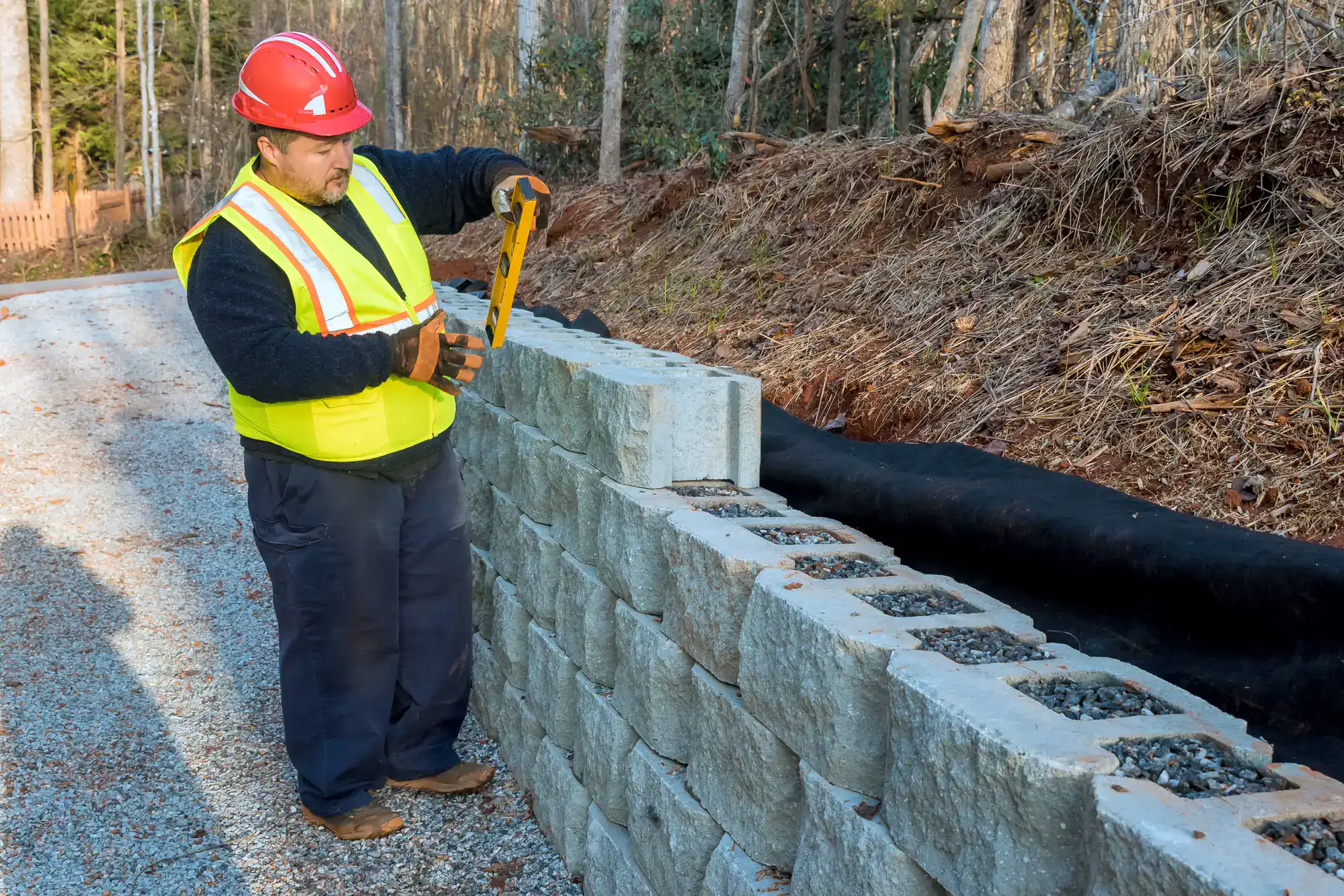
Your sloped yard stops being a headache. Instead of watching soil wash away every storm season, you get stable, level ground you can actually use. No more erosion eating away at your landscaping or threatening your foundation.
The drainage issues that come with Long Island’s sandy soil and coastal weather get handled properly from day one. Your wall doesn’t just hold back dirt—it manages water flow so you don’t end up with soggy spots or structural problems down the road.
You get outdoor space that works for your family, not against it. Whether that’s a level area for a patio, protection for your driveway, or just peace of mind during the next nor’easter.
We’ve been handling retaining walls across Suffolk and Nassau Counties long enough to understand what works here and what doesn’t. Owner Iain Traynor brings union masonry experience and stays directly involved in every project—from your initial estimate through completion.
We’re licensed in Lake Grove and throughout Long Island because we know the local building requirements. More importantly, we know how Long Island’s sandy soil, high water tables, and freeze-thaw cycles affect wall construction. That’s why our installation process includes proper excavation depth, specialized drainage systems, and materials that can handle coastal conditions.
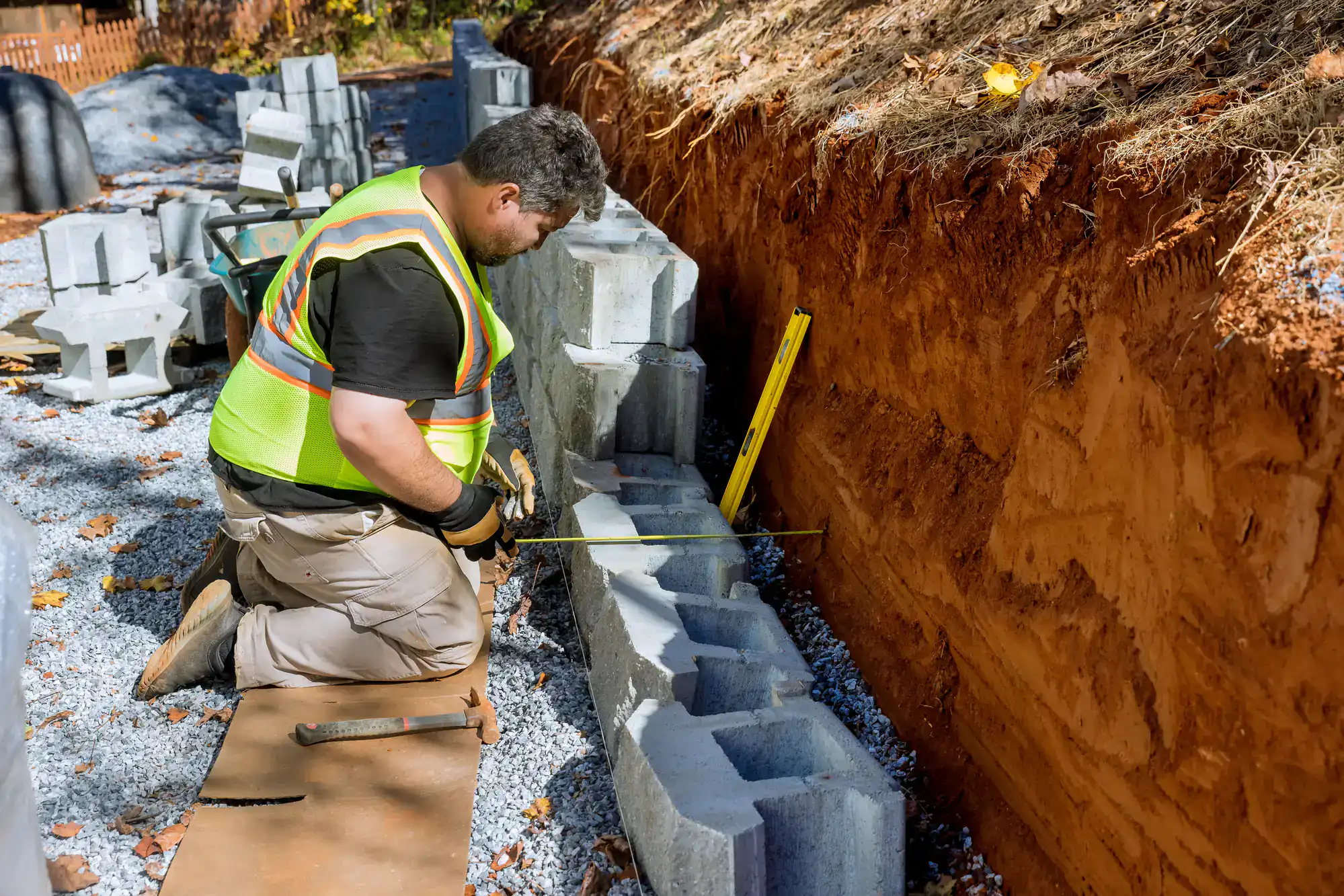
We start with an in-person assessment of your specific site conditions. Every property in Lake Grove deals with different drainage patterns, soil composition, and grade requirements. We measure, evaluate, and plan the wall system that makes sense for your situation.
Excavation goes 8-10 inches deep—sometimes deeper depending on wall height and local frost line requirements. We install proper base layering with the right materials for Long Island’s sandy soil conditions. This isn’t just digging a trench and stacking blocks.
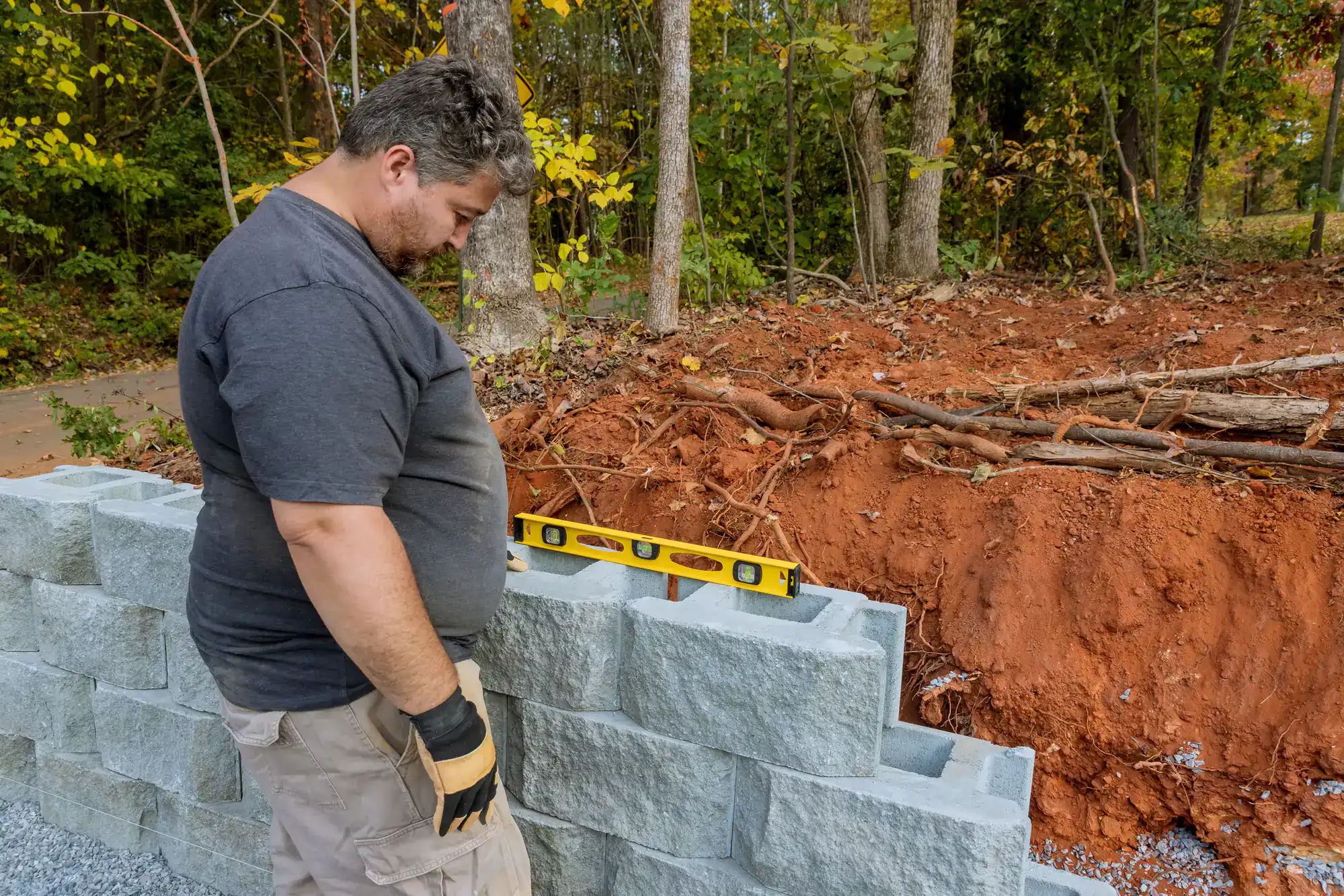
The drainage system gets built as we go, not added as an afterthought. Perforated pipes, gravel backfill, and proper water management prevent the hydrostatic pressure that causes most retaining wall failures. We use materials from manufacturers we’re certified with—Cambridge, Techo-Bloc, Unilock, Nicolock—because quality matters when you’re building something permanent.
Ready to get started?
Your retaining wall project includes everything needed for Long Island conditions. Proper excavation to below frost line, engineered base preparation, and drainage systems designed for our coastal climate. We handle permits when required and ensure compliance with local building codes.
Materials are selected specifically for Lake Grove’s environment. Sandy soil requires different foundation approaches than inland areas. Coastal moisture and salt air exposure mean we use corrosion-resistant components and enhanced weatherproofing measures. The wall system is built to handle freeze-thaw cycles that can destroy improperly constructed walls.
Edge restraint installation prevents shifting over time. Filter fabric and proper backfill materials ensure long-term stability. The project includes cleanup and final grading so your property looks finished, not like a construction zone. You get direct communication throughout—no project portals or automated systems, just straightforward updates from the people doing the work.
Foundation depth depends on wall height and local frost line requirements, but we typically excavate 30-36 inches deep for Lake Grove installations. Long Island’s sandy soil and coastal climate require deeper foundations than many other areas.
The frost line in Suffolk County runs about 32 inches deep, so foundations must extend below this point to prevent frost heave damage. Sandy soil also shifts more easily than clay or rock, which means proper foundation preparation is critical for long-term stability. We use concrete footings for taller walls and ensure proper compaction of base materials regardless of wall size.
Long Island’s high water tables and sandy soil require comprehensive drainage solutions, not just basic weep holes. We install perforated drainage pipes at the wall’s base, surrounded by gravel backfill that allows water to flow freely without creating pressure behind the wall.
Filter fabric prevents soil migration into the drainage system while maintaining water flow. For properties with significant drainage challenges, we may recommend French drains or additional water management systems. The key is preventing hydrostatic pressure buildup, which is the leading cause of retaining wall failure in coastal areas like Lake Grove.
Permit requirements in Lake Grove depend on wall height and location, but most walls over 3-4 feet require building permits. We handle the permit application process and ensure your project complies with local regulations and building codes.
Suffolk County has specific requirements for retaining walls, especially in areas with drainage concerns or proximity to property lines. The permitting process typically takes 2-4 weeks, and we factor this timeline into project scheduling. Having proper permits protects you legally and ensures the work meets safety standards for Long Island conditions.
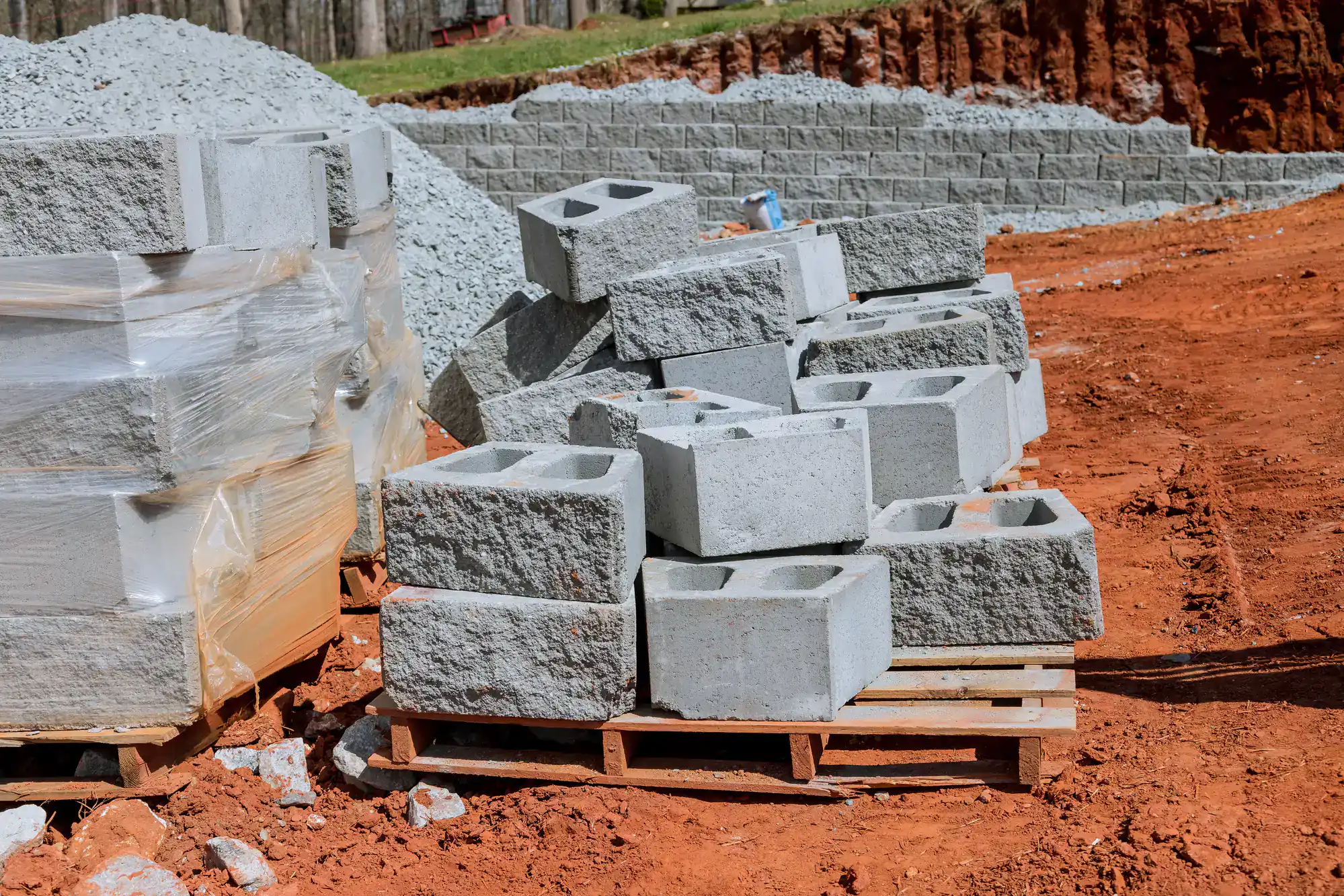
Interlocking concrete block systems perform exceptionally well in Lake Grove’s coastal environment. These systems handle freeze-thaw cycles better than solid concrete and allow for proper drainage behind the wall. We work with certified manufacturers like Cambridge, Techo-Bloc, and Unilock that engineer products specifically for northeastern coastal conditions.
Natural stone can work but requires careful selection and installation techniques. Wood retaining walls aren’t recommended for Long Island’s climate due to moisture exposure and salt air. The material choice also depends on wall height—taller walls need engineered solutions that can handle greater soil pressure and water management requirements.
Properly installed retaining walls in Lake Grove typically last 25-50 years or more, depending on materials and maintenance. Long Island’s coastal climate is demanding, but walls built with appropriate drainage systems and quality materials perform well long-term.
The biggest factor in wall longevity is drainage management. Walls that fail prematurely usually have inadequate water management systems that allow hydrostatic pressure to build up behind the structure. We provide 3-year warranties on installations and recommend annual inspections to catch any maintenance needs early. Regular debris removal from drainage outlets and minor crack sealing when needed help maximize wall lifespan.
Retaining wall costs in Lake Grove typically range from $25-60 per square foot, depending on materials, wall height, and site conditions. Simple gravity walls using interlocking blocks start around $25-35 per square foot, while engineered walls with complex drainage systems can reach $50-60 per square foot.
Site accessibility affects pricing significantly. Walls in tight spaces or difficult terrain require more manual labor and specialized equipment. Additional factors include permit costs ($50-450), drainage system complexity, and any required soil testing or engineering. We provide detailed estimates that break down all project components so you understand exactly what you’re investing in.