Retaining Wall Contractor in East Patchogue

Walls That Actually Hold

Built for Long Island’s sandy soil, coastal weather, and drainage challenges—not just thrown together and hoped for the best.
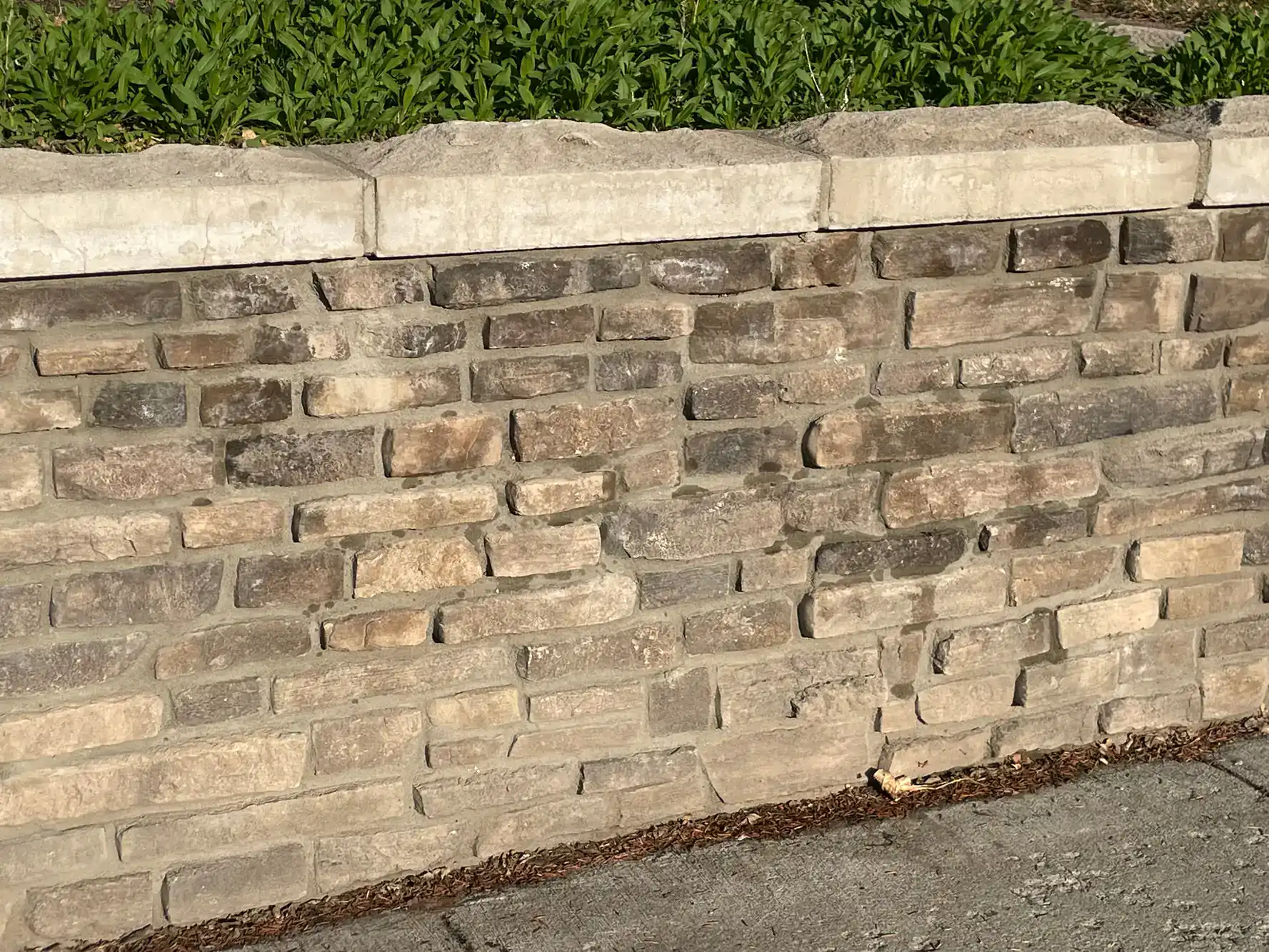
A stone retaining wall made of rectangular, tan and brown bricks supports a raised bed with green plants. Sunlight casts shadows on the textured wall and gray sidewalk below.

Hear from Our Customers

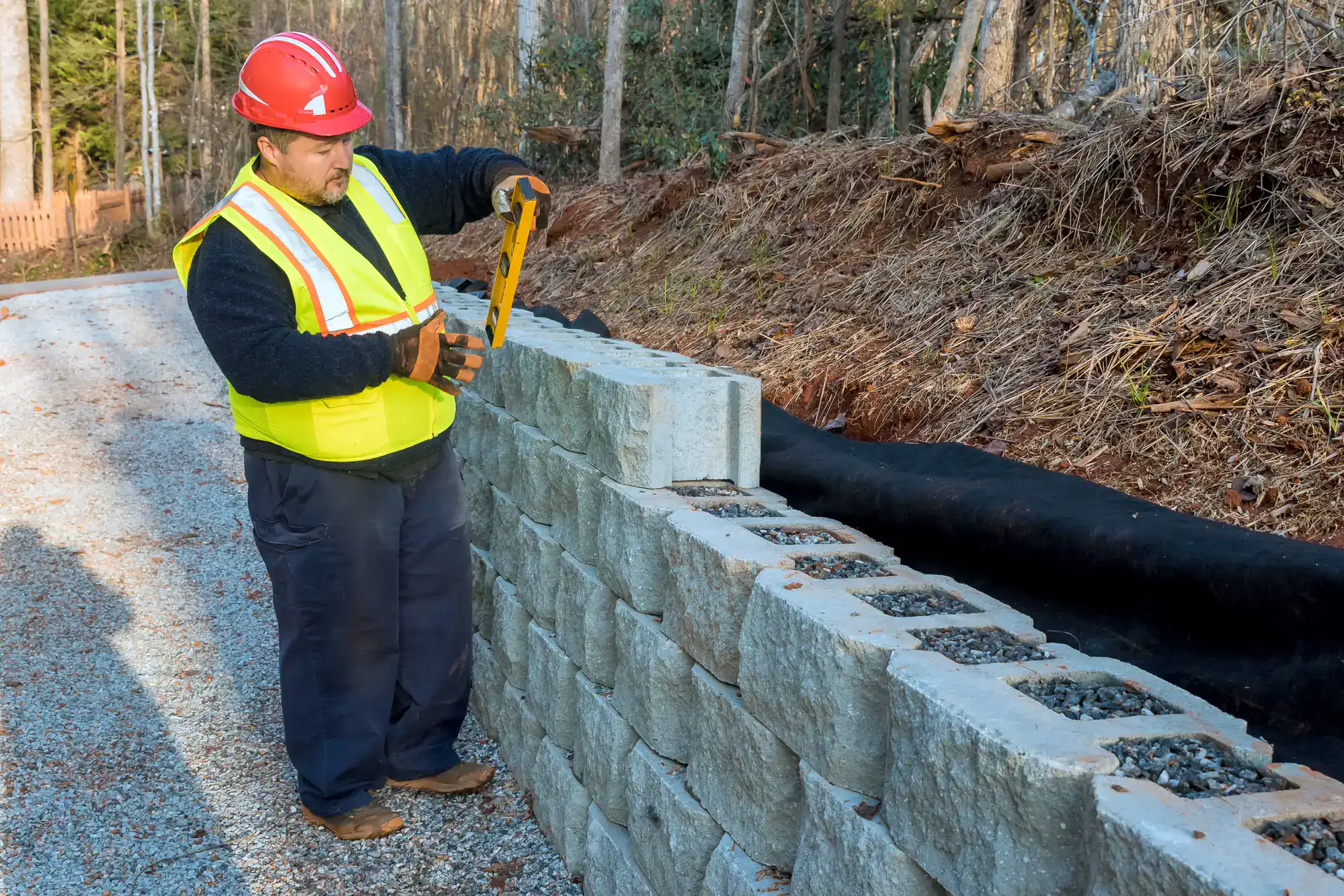
A construction worker in a yellow safety vest and red helmet uses a level to check concrete blocks while building a retaining wall next to a gravel road and a slope with trees.

Retaining Wall Installation East Patchogue

Your Slope Problem Solved Right
You get usable space where there used to be a muddy mess. Your foundation stays dry instead of dealing with water damage every storm. Your property value goes up instead of watching soil wash away year after year. That’s what happens when retaining walls are built to handle East Patchogue’s specific conditions. Sandy soil that shifts. Coastal moisture that never seems to go away. Freeze-thaw cycles that crack poorly built walls within a few seasons. Most contractors treat every job the same. We excavate 8-10 inches deep, plan proper drainage from day one, and use materials that actually work in Long Island’s climate. Because a wall that fails in three years isn’t saving you money.

Stone Wall Installer East Patchogue

Licensed Where It Matters
Stone Escapes holds licenses in Suffolk County, Nassau County, and the townships where we work. Iain Traynor, our owner, stays involved from estimate to final cleanup—no handoffs to random crews or disappearing project managers. We’ve been handling Long Island’s unique masonry challenges since our early recognition in Cambridge Pavingstone publications. That kind of manufacturer attention doesn’t happen by accident. East Patchogue properties deal with specific soil and drainage issues that inland contractors often miss. We plan for sandy soil settlement, coastal moisture exposure, and the freeze-thaw cycles that destroy improperly built walls. Your project gets the local expertise it needs, not generic construction methods.
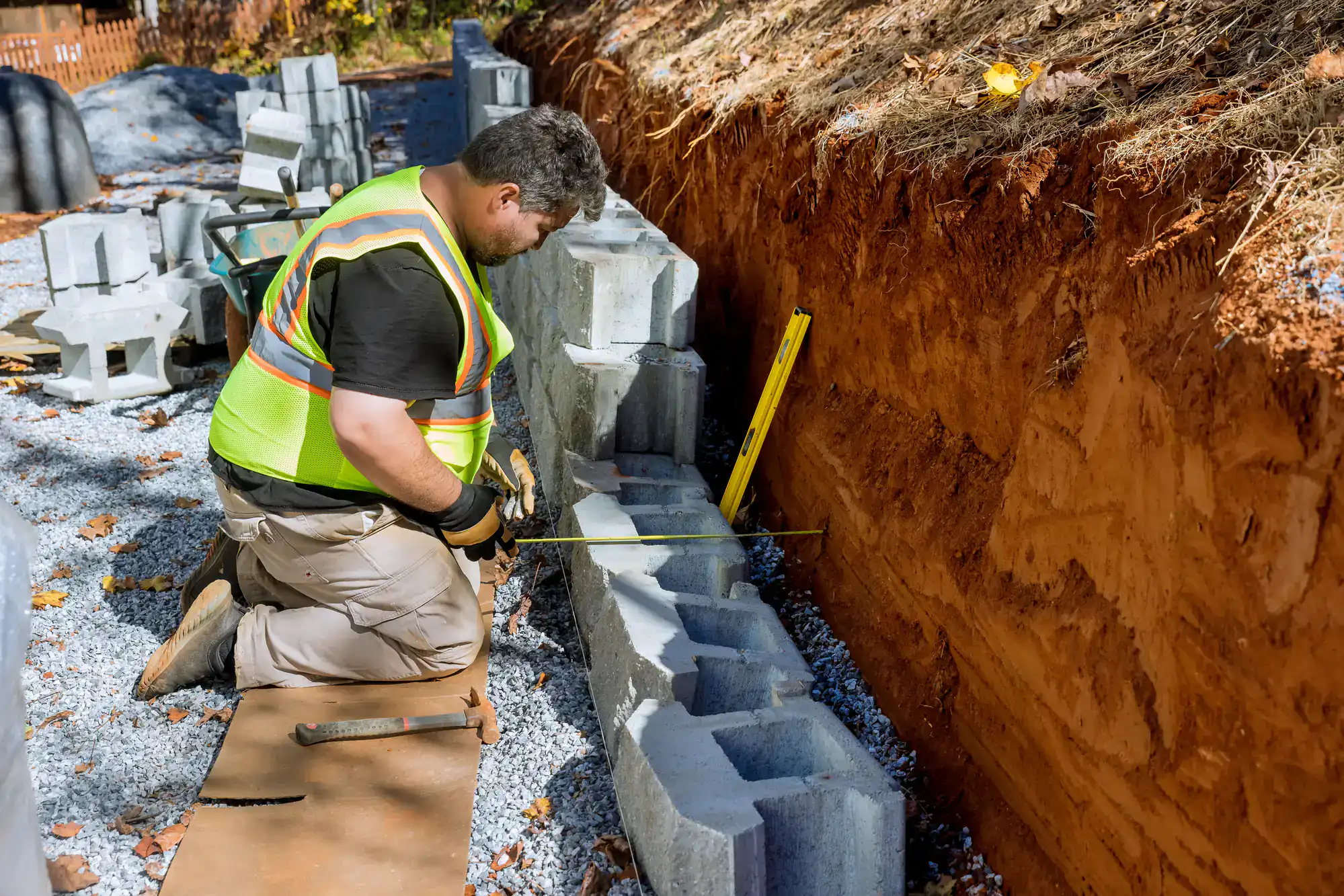
A construction worker in a safety vest kneels on gravel, measuring concrete blocks as he builds a retaining wall beside an exposed dirt slope. Tools and blocks are scattered around the worksite.

Retaining Wall Builder East Patchogue

How We Build Walls That Last
First, Iain comes out personally to assess your specific site conditions. Soil type, drainage patterns, slope angles—the details that determine whether your wall succeeds or fails. You get an honest evaluation, not a cookie-cutter estimate. Next comes proper excavation. We go 8-10 inches deep with proper base layering and drainage planning built in from the start. This isn’t where we cut corners to beat competitors’ prices. It’s where we prevent the water damage and settling issues that cost you thousands later. Installation follows manufacturer specifications for Long Island conditions. Edge restraints to prevent shifting. Drainage systems to handle coastal moisture. Materials certified for freeze-thaw resistance. Iain oversees the work personally, so you’re dealing with the owner when questions come up, not trying to track down whoever showed up that day.
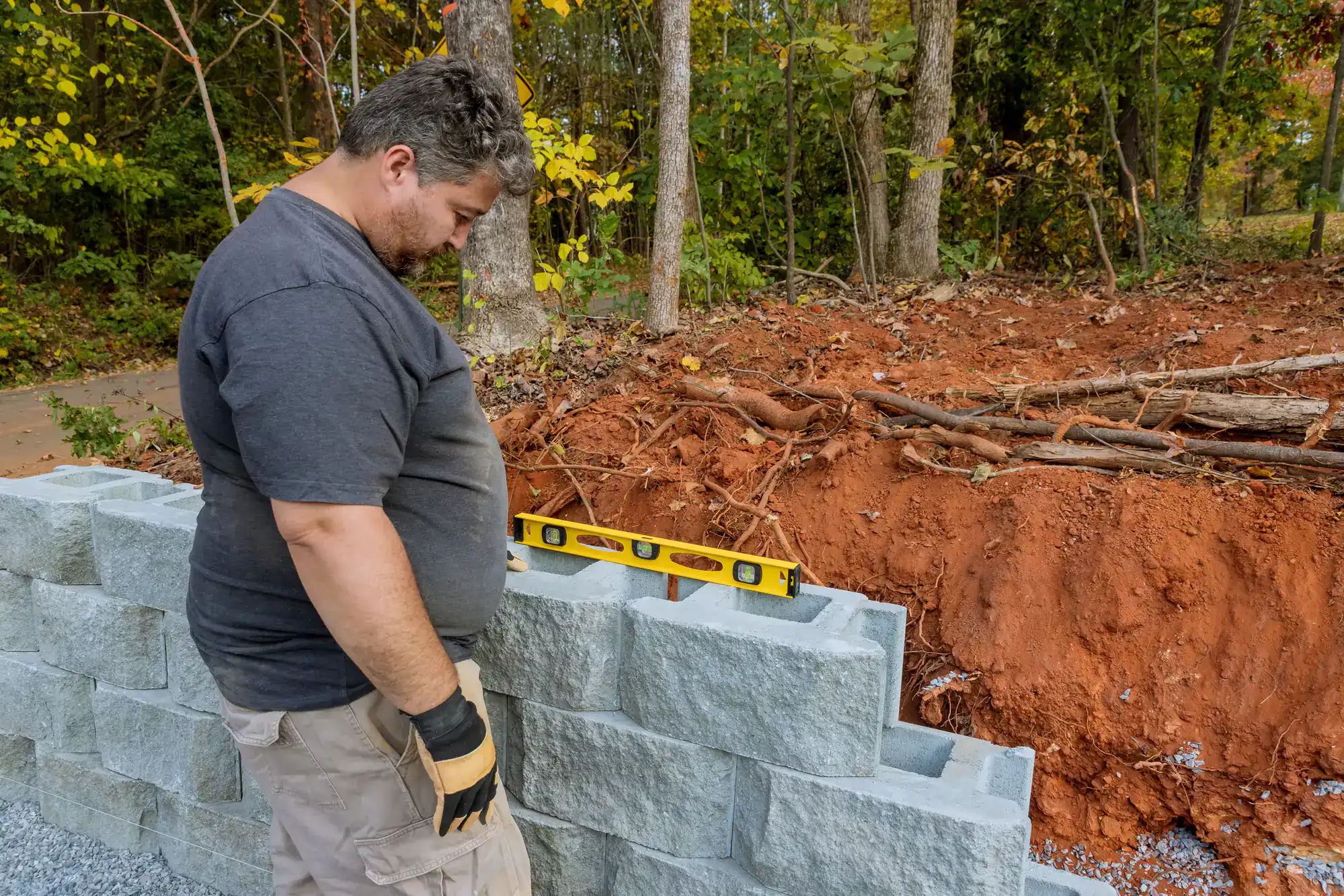
A man wearing gloves checks the level of a gray stone retaining wall with a yellow spirit level, next to a dirt embankment and forested area.

Ready to get started?

Explore More Services

About Stone Escapes Masonry & Outdoor Design

Get a Free Consultation

Retaining Wall Specialist East Patchogue

What Your Project Actually Includes
You get proper site preparation designed for East Patchogue’s sandy soil conditions. Foundation work that reaches below the frost line—typically 30-36 inches deep in our area. Base materials selected and compacted to prevent settling. Drainage systems aren’t an add-on or upgrade. They’re built into every retaining wall because Long Island’s coastal climate demands it. We install the gravel backfill, drainage pipes, and weep holes that keep water pressure from building up behind your wall. Materials come from certified manufacturers: Cambridge, Techo-Bloc, Unilock, Nicolock, Eldorado, and Boral. These aren’t random suppliers—they’re companies that understand Long Island construction requirements and stand behind their products in our climate. Your project includes direct communication with Iain throughout construction. No project portals or automated updates. When you call, you talk to the person responsible for getting your job done right.

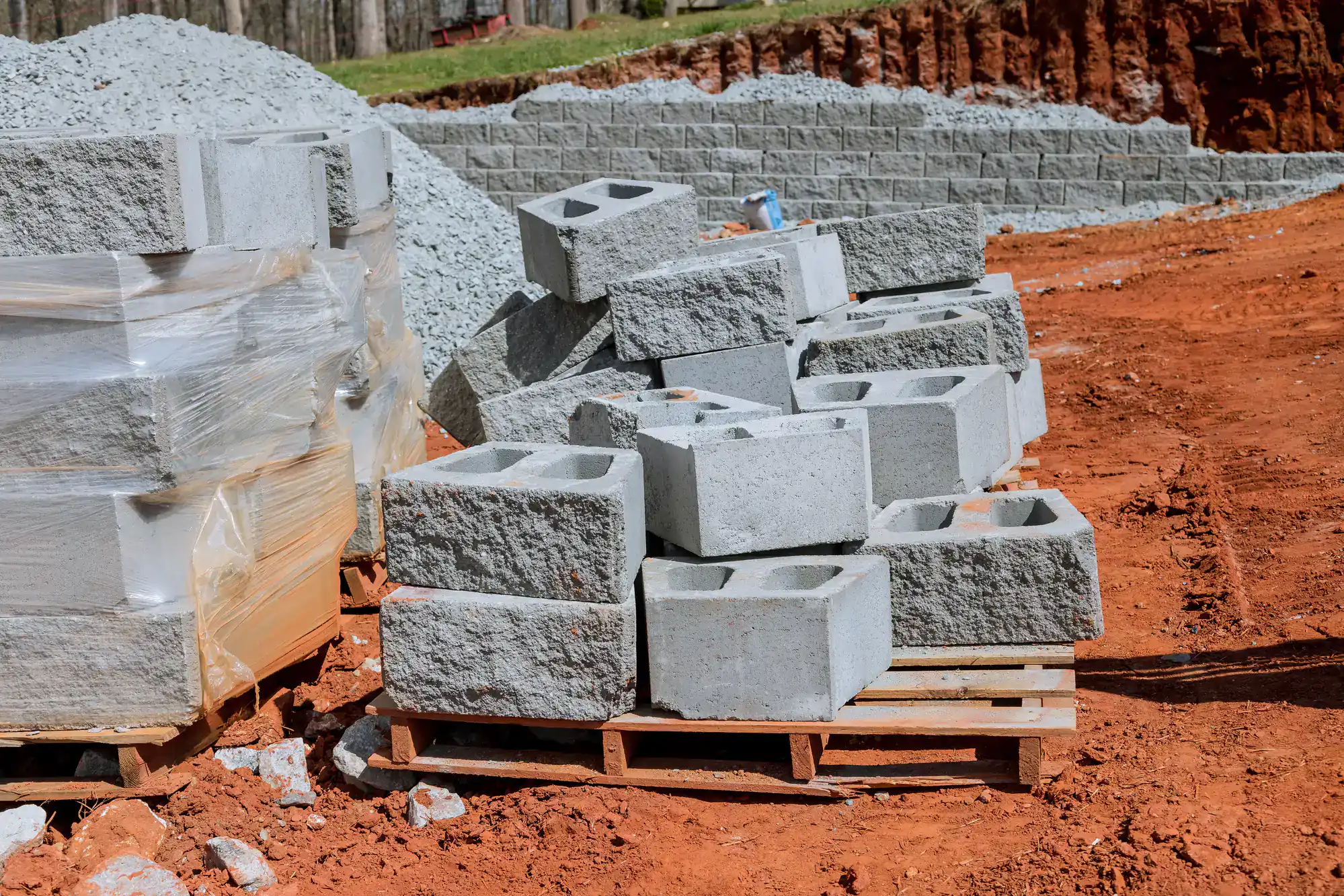
A stack of concrete cinder blocks is arranged on wooden pallets at a construction site with red soil and gravel. Wrapped blocks and a partially built stone retaining wall are visible in the background.

How deep should retaining walls be in East Patchogue?

Retaining walls in East Patchogue need foundations that reach below the frost line, typically 30-36 inches deep. This prevents frost heave that can cause wall failure during Long Island’s freeze-thaw cycles. The depth also depends on your wall height and soil conditions. Sandy soil common in our area requires different foundation preparation than clay or rock. We excavate to the proper depth for your specific site, then install compacted base materials that accommodate East Patchogue’s soil characteristics. Shallow foundations are a major cause of retaining wall failure. Walls that aren’t properly anchored below the frost line shift, crack, or lean within a few years. Proper depth costs more upfront but prevents expensive rebuilds later.
Every retaining wall in East Patchogue needs built-in drainage because of our coastal moisture and storm conditions. This includes gravel backfill directly behind the wall, perforated drainage pipes at the base, and weep holes to release water pressure. Without proper drainage, water builds up behind the wall creating hydrostatic pressure that can cause bulging, cracking, or complete failure. East Patchogue’s sandy soil actually makes drainage more critical because water moves through it differently than clay soils. We install at least 12 inches of granular backfill behind every wall, with drainage pipes surrounded by gravel and wrapped in filter fabric. The system channels water away from your foundation and prevents the pressure buildup that destroys improperly built walls.
Retaining wall costs in East Patchogue typically range from $35-$65 per square foot, depending on materials, height, and site conditions. Long Island pricing runs higher than inland areas due to local soil requirements and coastal construction standards. Your actual cost depends on factors like excavation depth needed for your soil type, drainage complexity, and access to your property. Walls requiring permits (typically over 4 feet) add engineering and approval costs. Materials range from concrete blocks to natural stone, each with different price points. The cheapest bid usually means shortcuts on foundation depth, drainage, or materials that won’t last in Long Island’s climate. Proper installation costs more upfront but prevents the expensive failures and rebuilds that happen when walls aren’t built for local conditions.
Most retaining walls over 3-4 feet high require permits in East Patchogue. The exact requirements depend on your property location and wall specifications. We handle permit applications as part of our service. Walls over 4 feet typically need structural engineering to ensure safety and code compliance. Engineering fees range from $500-$2,000 depending on complexity. These requirements add upfront costs but they’re essential for preventing dangerous failures. Permit requirements also cover setbacks from property lines, drainage specifications, and foundation depth. Trying to skip permits can result in fines and requirements to tear down completed work. We make sure your project meets all local requirements from the start.
The best materials for East Patchogue retaining walls resist freeze-thaw cycles, coastal moisture, and salt air exposure. We typically recommend concrete blocks, interlocking systems, or natural stone depending on your specific needs and budget. Concrete blocks offer excellent durability and often include built-in drainage features. Interlocking systems like those from Cambridge or Unilock provide both structural integrity and design flexibility. Natural stone gives a premium appearance but requires skilled installation for proper performance. Wood retaining walls generally don’t perform well in East Patchogue’s coastal environment due to moisture and salt exposure. Metal options need special coatings to prevent corrosion. We recommend materials based on your site conditions, not just appearance or initial cost.
Properly built retaining walls in East Patchogue last 20-50+ years depending on materials and construction quality. The key is proper foundation depth, drainage systems, and materials selected for Long Island’s coastal climate. Walls that fail early usually have inadequate drainage, shallow foundations, or materials not suited for our freeze-thaw cycles. Poor installation techniques like inadequate base preparation or missing edge restraints also cause premature failure. Regular maintenance helps maximize lifespan. This includes checking for cracks or bulging, ensuring drainage systems stay clear, and addressing small issues before they become major problems. Quality installation with proper materials minimizes maintenance requirements and extends wall life significantly.