
Hear from Our Customers
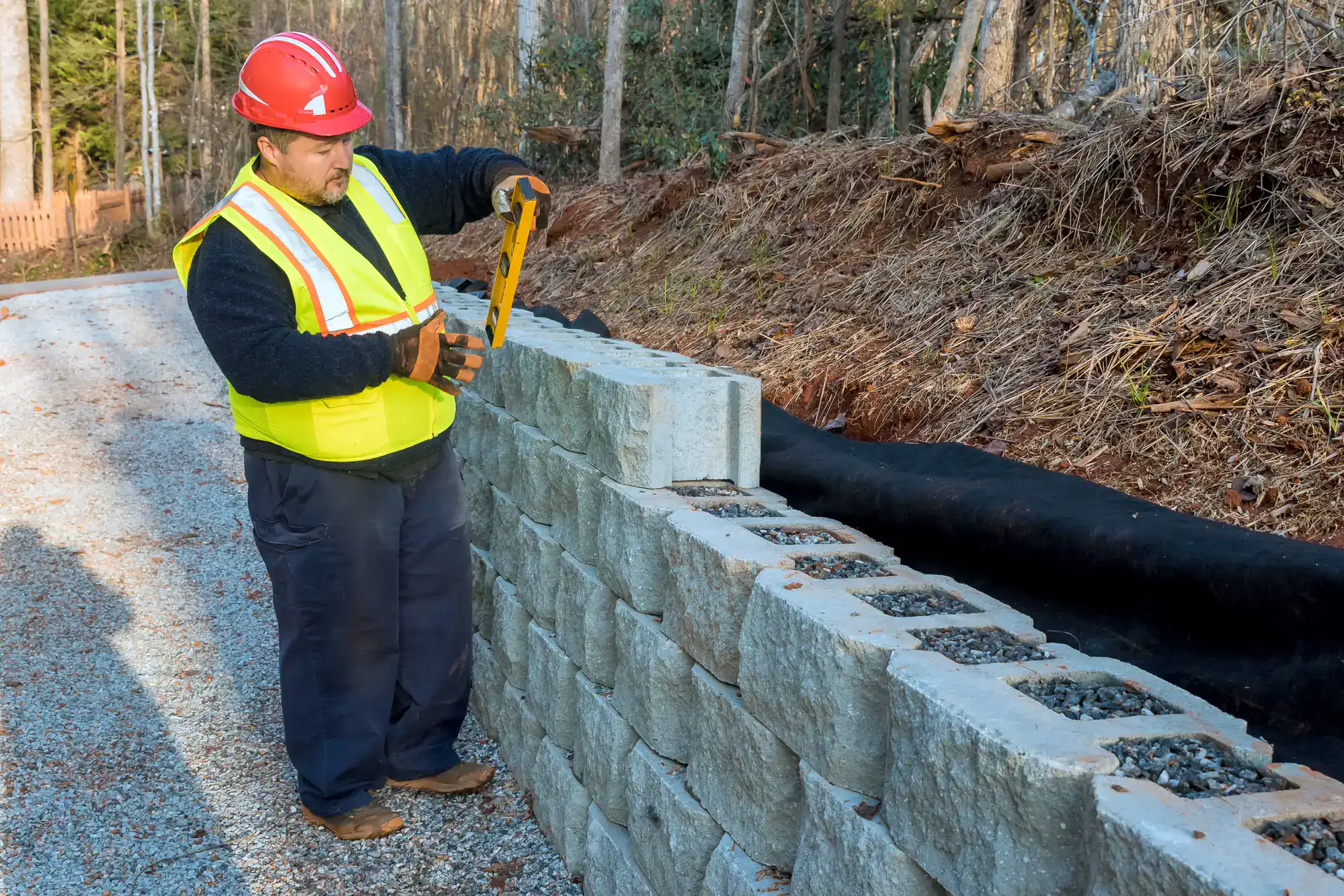
Your sloped yard doesn’t have to limit your outdoor plans. A properly built retaining wall transforms unusable terrain into functional space while protecting your property from erosion.
You get level areas perfect for patios, gardens, or entertainment spaces. No more watching topsoil wash away during storms or dealing with water pooling near your foundation.
The right wall system manages Bay Shore’s challenging conditions—from sandy soil that shifts to coastal weather that tests every structure. You end up with outdoor space that actually works for your family.
We’ve served Bay Shore and surrounding Long Island communities for years, understanding exactly what works in our local conditions. Owner Iain Traynor brings union masonry experience and stays directly involved in every project.
We’re licensed across Suffolk and Nassau Counties and certified by major manufacturers like Cambridge, Techo-Bloc, and Unilock. This isn’t just about credentials—it’s about knowing which materials and techniques actually perform in Bay Shore, NY’s sandy soil and coastal environment.
Every estimate happens in person. Every project gets direct oversight. You work with the same experienced crew from start to finish, not a rotating cast of subcontractors.
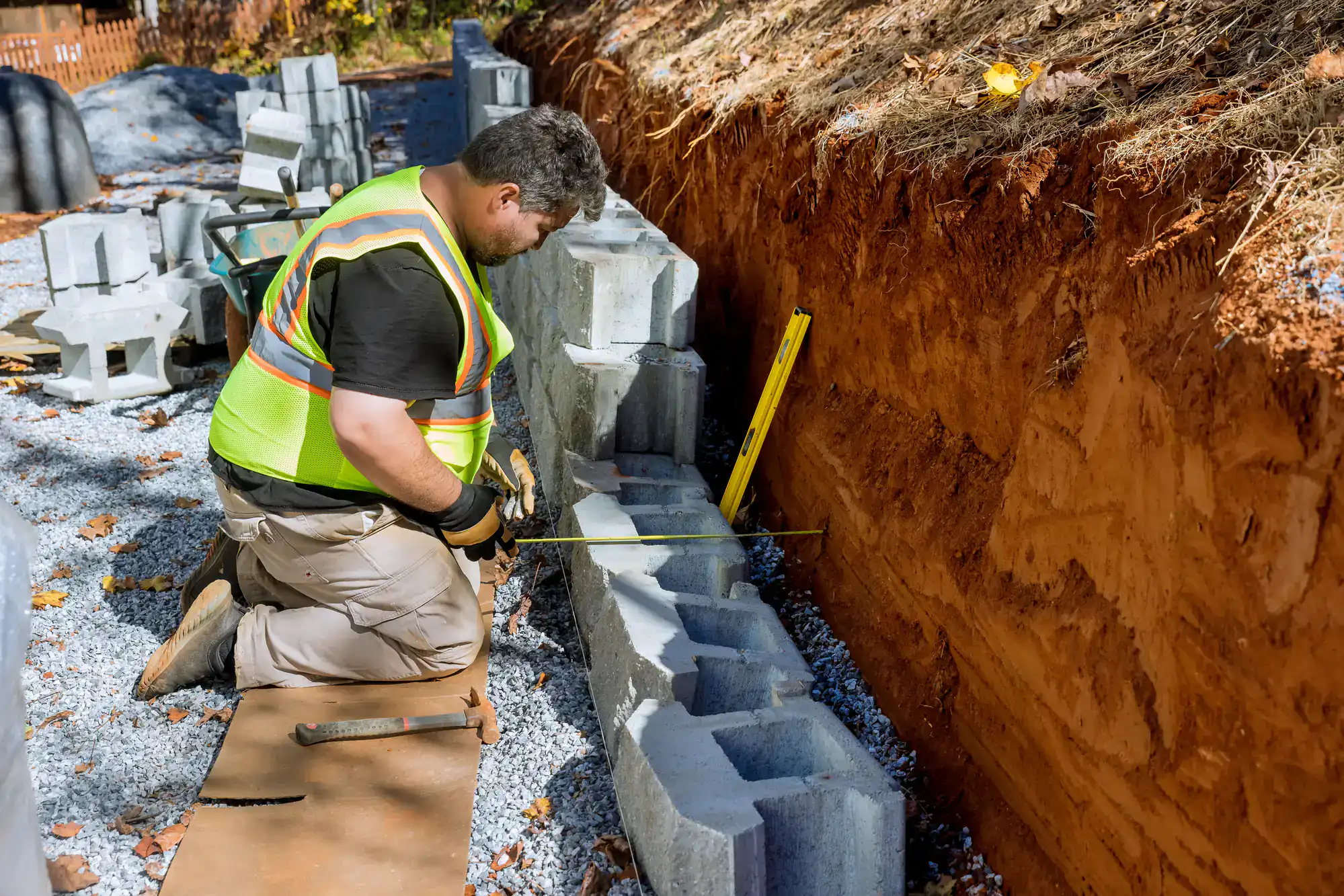
We start with proper excavation—going 8 to 10 inches deep for standard projects, deeper for taller walls. Bay Shore, NY’s sandy soil requires specific foundation preparation that many contractors skip.
Next comes base layering with proper drainage planning. This step prevents the water buildup that destroys most retaining walls over time. We install drainage systems, filter fabric, and exit spouts at the right heights.
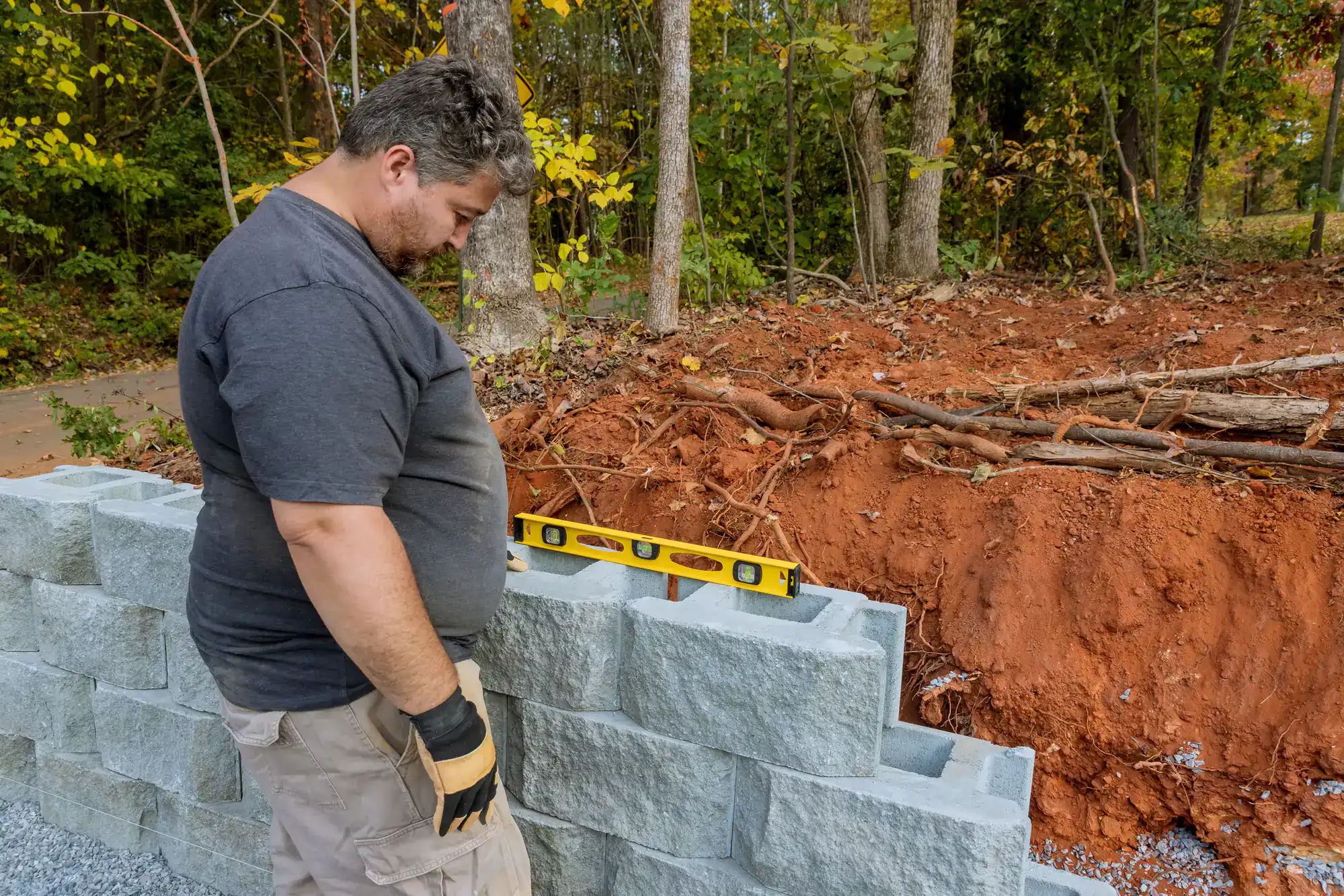
Each course gets set with precision, using manufacturer-approved adhesives and techniques. For larger walls, we pour concrete footings and add geo-grid reinforcement. The final result handles Long Island’s freeze-thaw cycles and coastal moisture without shifting or cracking.
Ready to get started?
We use retaining wall systems specifically chosen for Long Island’s environment. Segmental block walls, natural stone, and reinforced concrete—all selected because they perform reliably in sandy soil with high water tables.
Bay Shore, NY properties face unique challenges. Storm surges, nor’easters, and seasonal weather changes test every outdoor structure. That’s why we focus on proper drainage, frost-resistant materials, and foundation depths that reach below the frost line.
Your wall system includes built-in drainage, landscape fabric, and edge restraints that prevent shifting. These aren’t extras—they’re essential for any retaining wall that needs to last decades in our coastal climate.
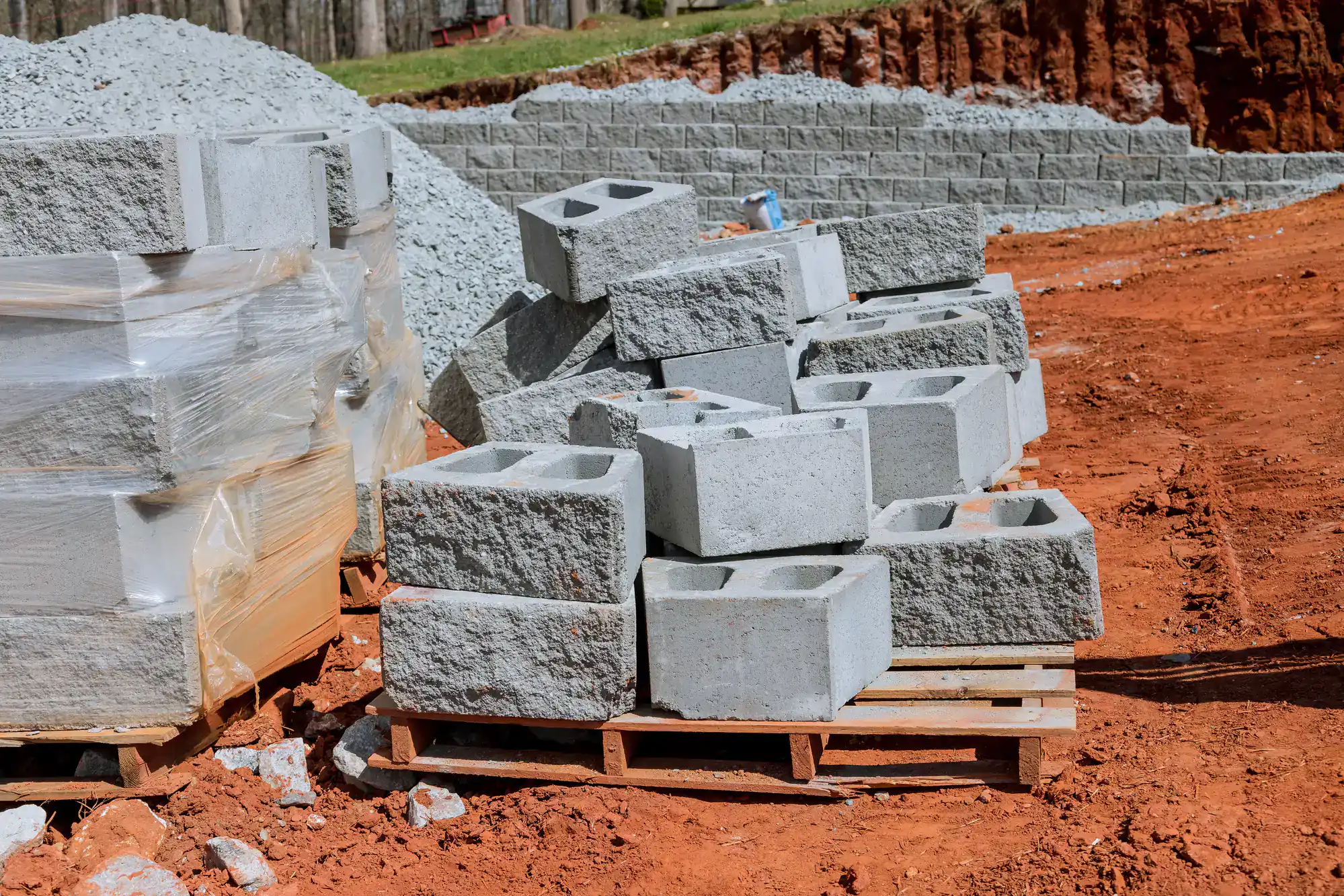
Foundation depth depends on wall height and Bay Shore’s specific soil conditions. For standard residential walls, we excavate 8-10 inches and add proper base materials.
Taller walls require deeper foundations—typically 30-36 inches to get below Long Island’s frost line. This prevents frost heave that can crack or shift walls during winter freeze-thaw cycles.
Bay Shore’s sandy soil actually drains well, but it also shifts more easily than clay soil. That’s why proper foundation preparation with compacted base materials is crucial for long-term stability.
Stone, concrete block, and interlocking concrete pavers perform best in our coastal climate. These materials resist freeze-thaw damage and handle moisture exposure without deteriorating.
We avoid wood systems for most Bay Shore projects because coastal moisture accelerates rot. Railroad ties contain toxic treatments, and basic timber walls typically fail within 10-15 years in our environment.
Segmental block systems work exceptionally well here. They accommodate slight soil movement while maintaining structural integrity, and they come in colors and textures that complement Bay Shore’s architectural styles.
Most Bay Shore retaining walls over 3-4 feet require permits and engineering review. We handle permit applications and work with structural engineers when needed.
Permit costs typically range from $50-450 depending on wall size and complexity. Engineering fees add $500-2,000+ for taller walls, but this ensures your wall meets local building codes and safety requirements.
Even shorter walls benefit from professional installation. Proper drainage, foundation depth, and material selection prevent costly failures that often plague DIY projects.
Properly built stone and concrete retaining walls last 40-100+ years with minimal maintenance. The key is correct installation from the start—proper drainage, adequate foundation depth, and quality materials.
Most retaining wall failures happen because of poor drainage or inadequate foundations, not material problems. When water builds up behind walls, it creates pressure that causes cracking, bulging, and eventual collapse.
We include 10-year craftsmanship warranties on our installations, plus lifetime structural warranties through our Cambridge partnership. This covers both materials and installation quality.
Poor drainage causes most retaining wall failures in our area. When water accumulates behind walls with no exit path, it creates enormous pressure that leads to cracking, leaning, or complete collapse.
Inadequate foundations also cause problems. Bay Shore’s sandy soil requires specific foundation depths and base preparation. Walls built without proper excavation or base materials often shift or settle unevenly.
Using mismatched materials creates weak points where different materials join. That’s why we use complete wall systems from single manufacturers rather than piecing together random materials.
Professional retaining wall installation typically costs $25-45 per square foot in the Bay Shore area, depending on height, materials, and site conditions. This includes proper excavation, drainage, and foundation work.
Factors affecting cost include wall height, accessibility, soil conditions, and material choice. Taller walls require engineering and deeper foundations. Difficult access sites need more manual labor.
The investment pays off through increased property value—retaining walls can add 15% to home value with 100-200% return on investment. More importantly, proper installation prevents costly erosion damage and foundation problems.