Retaining Wall Contractor in Shirley, NY

Stop Soil Erosion Before It Damages Your Property

Long Island’s sandy soil and coastal storms create serious erosion risks that threaten your foundation and property value. Professional retaining wall installation protects what matters most.
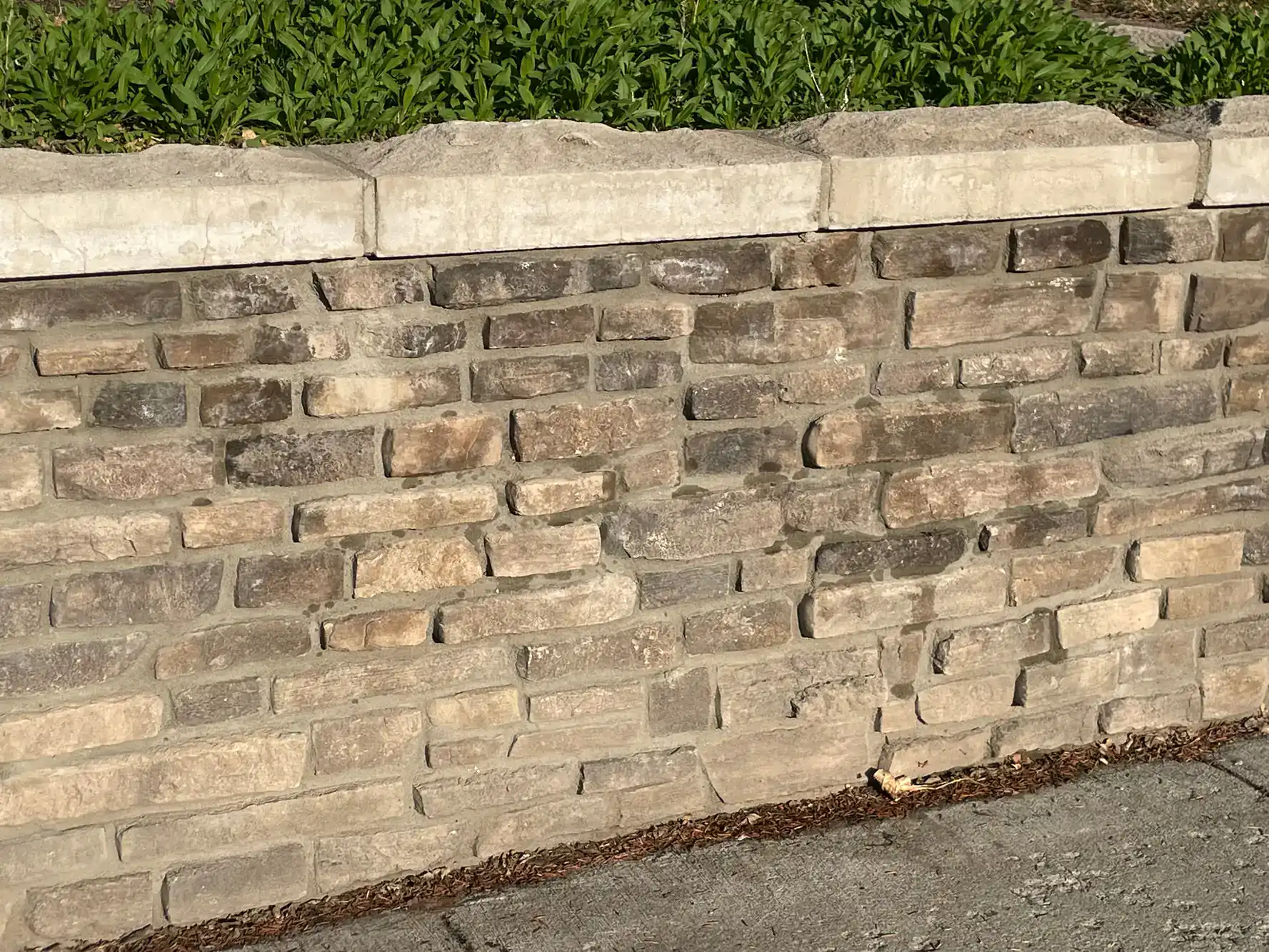
A stone retaining wall made of rectangular, tan and brown bricks supports a raised bed with green plants. Sunlight casts shadows on the textured wall and gray sidewalk below.

Hear from Our Customers

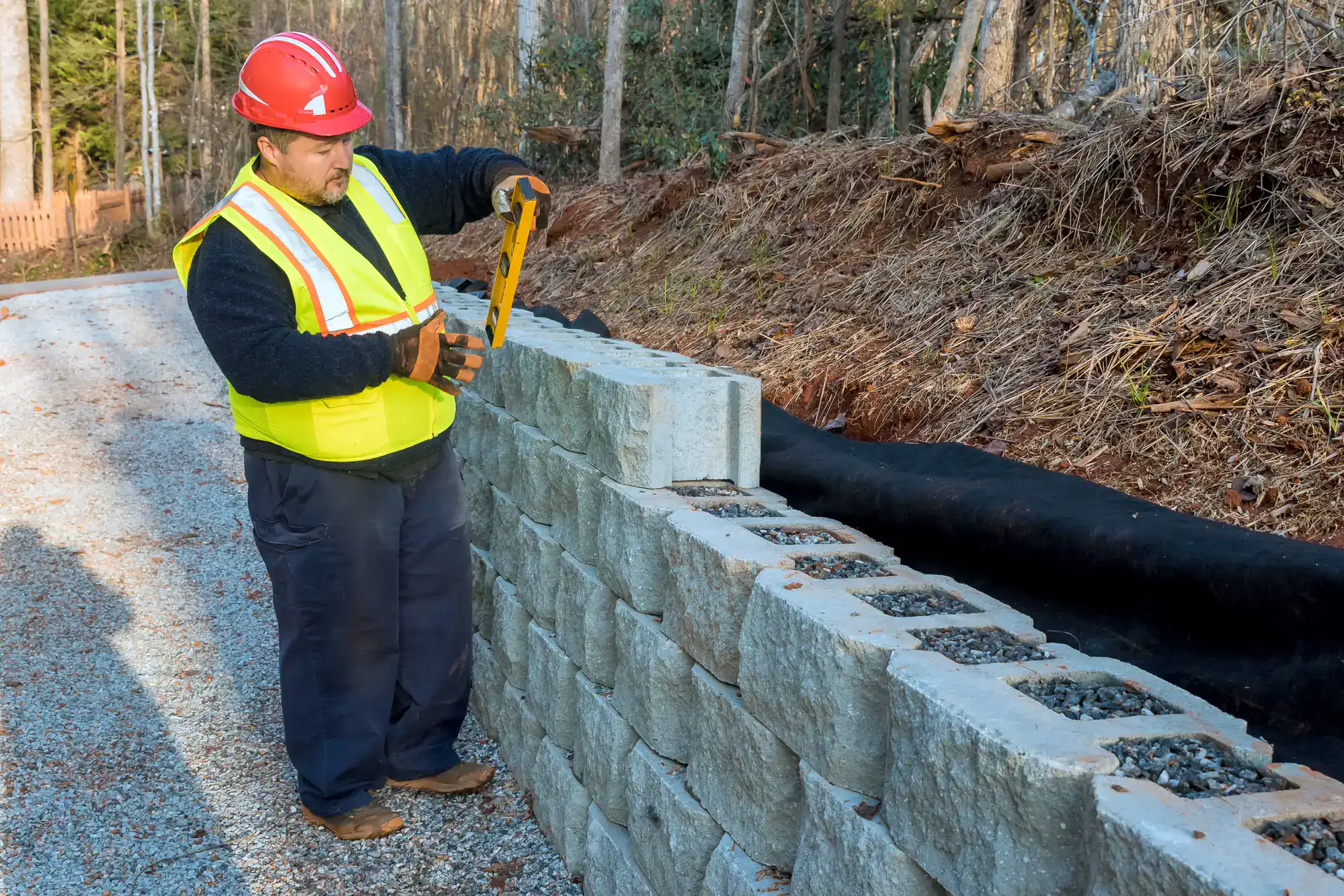
A construction worker in a yellow safety vest and red helmet uses a level to check concrete blocks while building a retaining wall next to a gravel road and a slope with trees.

Retaining Wall Installation Shirley NY

Turn Problem Slopes Into Protected, Usable Space
Your sloped yard stops being a liability when you have the right retaining wall system in place. You get stable ground that handles Long Island’s weather extremes, from nor’easters to summer storms. Sandy soil that used to wash away after every heavy rain becomes contained and controlled. Areas where you couldn’t plant, build, or even walk safely transform into functional outdoor space you can actually use. The constant worry about foundation damage or property erosion disappears. Your investment is protected, your insurance claims become a thing of the past, and your property value increases by up to 15% with professional installation.

Stone Wall Installer Shirley NY

We Know Long Island Soil Like Nobody Else
We’ve built retaining walls across Suffolk County for years, and we understand exactly what Long Island’s sandy soil and coastal conditions demand. Owner Iain Traynor personally handles every estimate and stays involved throughout your project. Iain’s background includes union masonry work in Manhattan and certifications from major manufacturers like Cambridge, Techo‑Bloc, and Unilock. This isn’t side work for us—it’s what we do, and we do it right the first time. We excavate deeper than most contractors (8-10 inches minimum), install proper drainage systems, and use base materials specifically chosen for Long Island’s freeze-thaw cycles. Every wall we build is designed to handle decades of coastal weather and storm surge conditions.
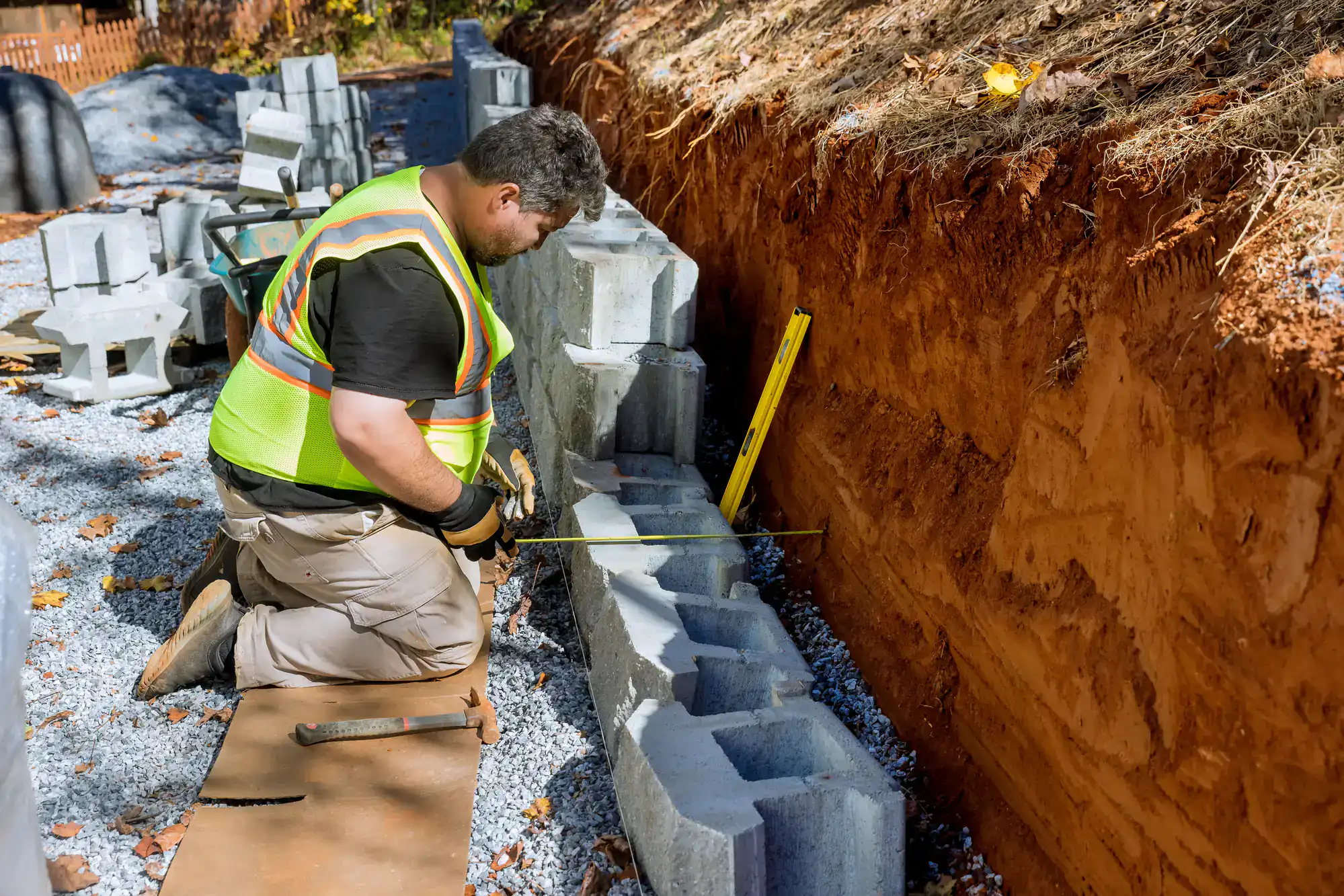
A construction worker in a safety vest kneels on gravel, measuring concrete blocks as he builds a retaining wall beside an exposed dirt slope. Tools and blocks are scattered around the worksite.

Retaining Wall Builder Shirley NY

Our Process Handles Every Long Island Challenge
We start with an on-site assessment where Iain evaluates your soil conditions, drainage patterns, and the specific challenges your property faces. This isn’t a quick look-around—we dig test holes and check grade levels to understand exactly what your wall needs to accomplish. Excavation goes down to proper depth (30-36 inches minimum to get below the frost line). We remove unstable soil and replace it with engineered base materials that won’t shift or settle over time. The drainage system gets installed before any blocks go in place. This includes proper backfill materials, drainage pipes where needed, and grading that directs water away from the wall structure. Poor drainage is the number one cause of retaining wall failure, so we handle this step with extreme care. Wall construction uses manufacturer-approved techniques with proper base preparation, edge restraints, and backfill compaction. Every course gets checked for level and alignment before we move to the next.
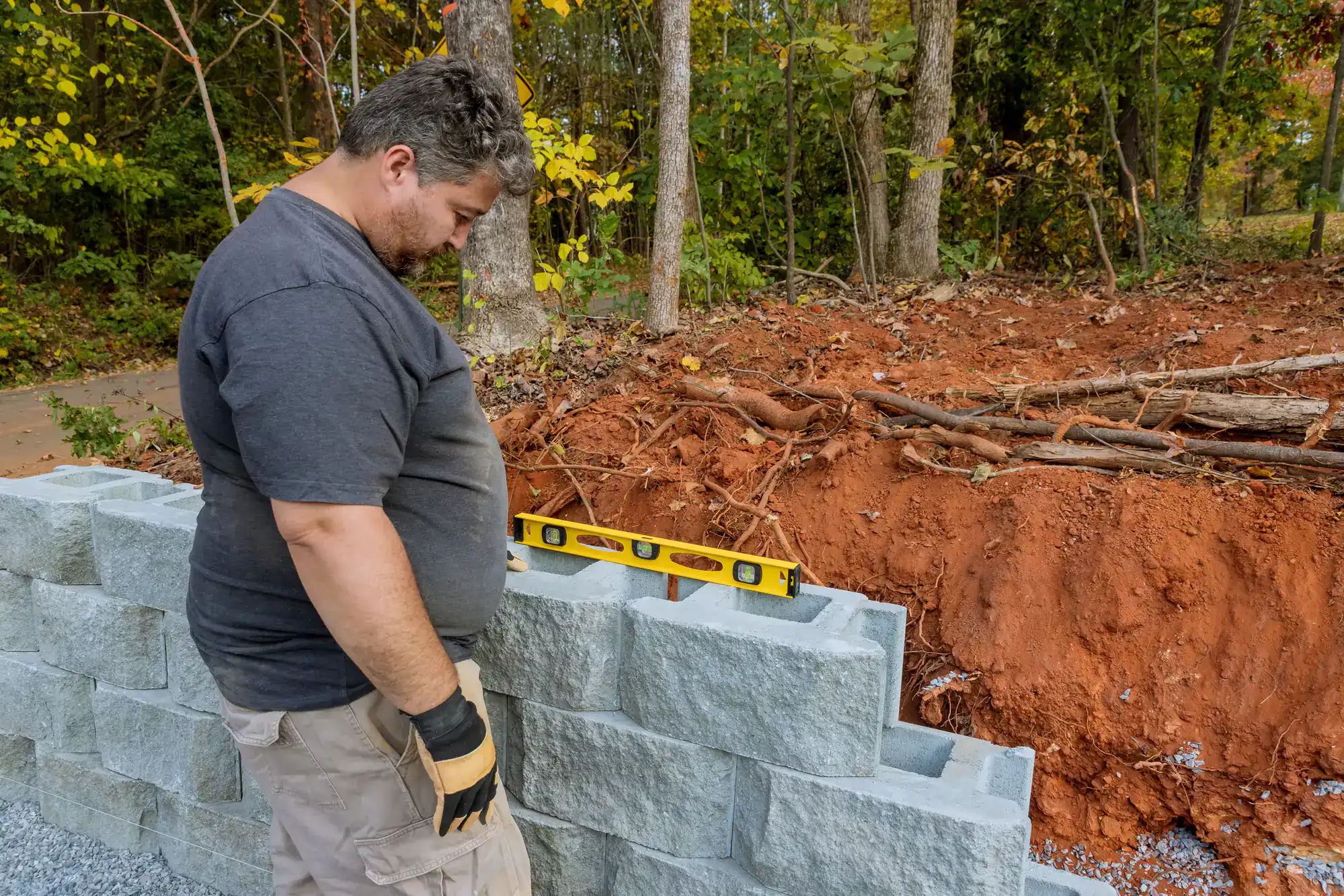
A man wearing gloves checks the level of a gray stone retaining wall with a yellow spirit level, next to a dirt embankment and forested area.

Ready to get started?

Explore More Services

About Stone Escapes Masonry & Outdoor Design

Get a Free Consultation

Retaining Wall Specialist Shirley NY

Built for Long Island's Specific Conditions
Your retaining wall needs to handle more than just holding back soil. In Shirley and throughout Suffolk County, walls face sandy soil that drains fast but shifts easily, coastal moisture that can cause freeze-thaw damage, and storm surge conditions that test every installation. We use interlocking concrete systems from certified manufacturers because they perform best in Long Island’s conditions. These systems allow for natural drainage while maintaining structural integrity through decades of seasonal changes. Every installation includes engineered drainage solutions designed specifically for your property’s conditions. This might include French drains, weep holes, or specialized backfill materials depending on your site’s water table and soil composition. The wall systems we install are backed by manufacturer warranties and our own workmanship guarantee. You’re not just getting a wall—you’re getting a system designed to protect your property for decades while handling everything Long Island weather can deliver.
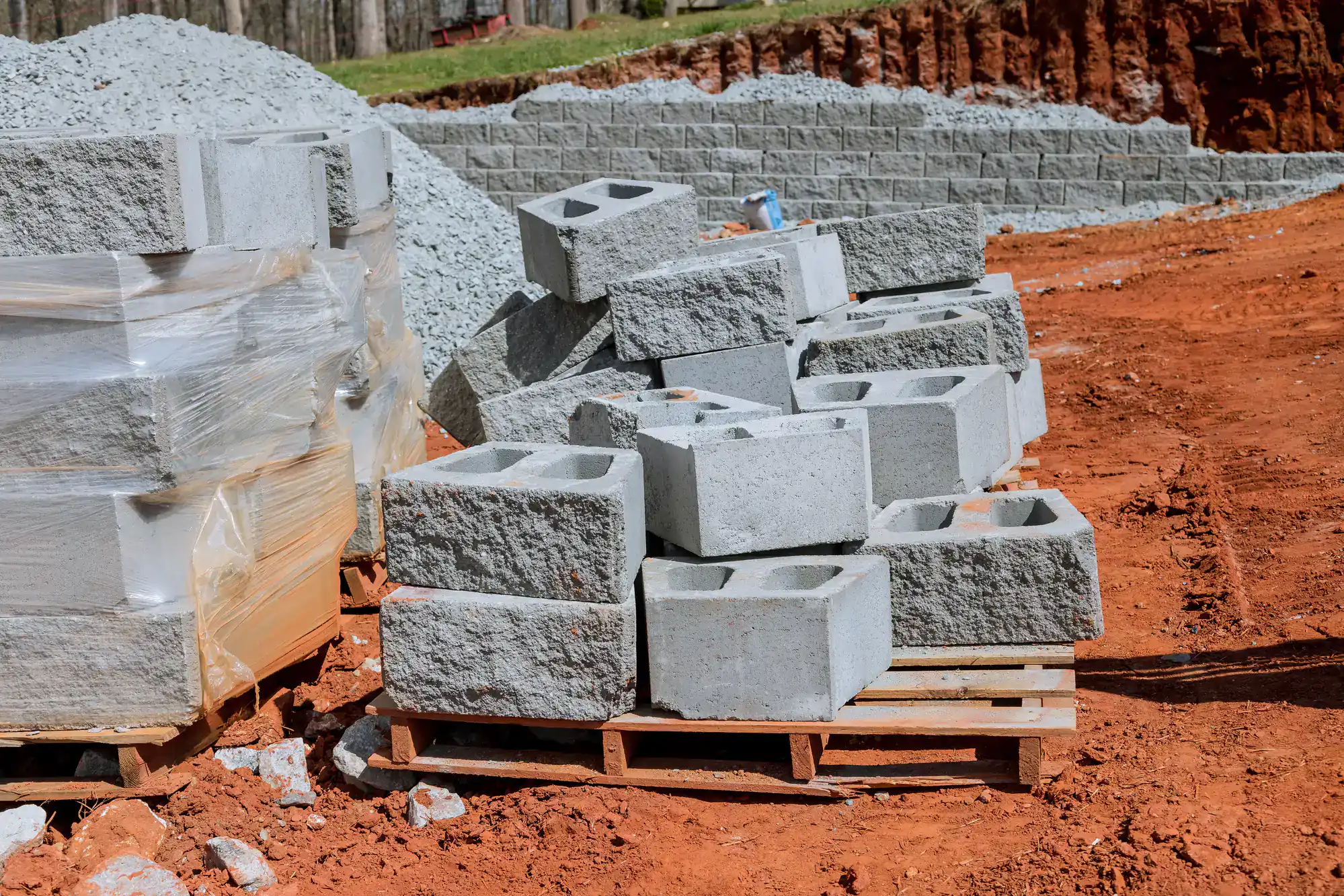
A stack of concrete cinder blocks is arranged on wooden pallets at a construction site with red soil and gravel. Wrapped blocks and a partially built stone retaining wall are visible in the background.

How deep do retaining walls need to be in Shirley, NY?

Retaining walls in Shirley need foundations that extend 30-36 inches below ground to get below Long Island’s frost line. This prevents frost heave damage that can destroy walls over time. We excavate deeper than many contractors because Long Island’s sandy soil requires it. The base preparation includes 8-10 inches of compacted crushed stone, which creates stable support that won’t shift or settle. Shallow installations might look fine initially, but they fail within a few years when freeze-thaw cycles push them out of alignment. Proper depth costs more upfront but saves you from complete reconstruction later.
Long Island’s sandy soil drains quickly but also shifts easily, especially during heavy storms. Coastal conditions add salt air exposure and higher water tables that affect wall design and material selection. Our walls include specialized drainage systems because Long Island gets hit with nor’easters and hurricane conditions that saturate soil quickly. Standard drainage isn’t enough—we install systems designed for extreme weather events. The freeze-thaw cycles here are more severe than inland areas because of coastal moisture. We use materials and installation techniques specifically rated for these conditions, not generic approaches that work elsewhere but fail on Long Island.
Retaining wall costs in Shirley typically run $54-58 per square foot for professional installation with proper materials and drainage. The total depends on wall height, length, site conditions, and material choice. A typical residential wall (3-4 feet high, 50 feet long) ranges from $10,800 to $14,500 including excavation, proper base preparation, drainage installation, and quality materials. Walls requiring permits or engineering add $500-2,000 to the project. The investment pays back through increased property value (up to 15%), prevented foundation damage, and usable space creation. Cheap installations that skip proper drainage or base preparation cost more long-term when they fail and need replacement.

Most retaining walls over 3-4 feet high require permits in Shirley and throughout Suffolk County. Walls in flood zones or near property lines often need permits regardless of height. We handle permit applications as part of our service because we know local requirements and have relationships with building departments. Permits typically cost $50-450 depending on wall size and complexity. Walls over 4 feet usually require structural engineering, which adds $500-2,000 to the project. This might seem expensive, but it’s required by code and ensures your wall can handle soil pressure safely for decades.
Properly installed retaining walls with correct drainage systems last 30-50 years or more on Long Island. The key factors are professional installation, quality materials, and drainage systems designed for local conditions. Walls that fail early usually have drainage problems or inadequate base preparation. Long Island’s coastal conditions are tough on retaining walls, but the right installation techniques handle these challenges effectively. We see walls we installed 15+ years ago that still look and function like new because they were built right from the start. The upfront investment in proper installation pays off through decades of reliable performance.
The biggest mistake is choosing contractors who don’t understand Long Island’s specific soil and drainage challenges. Generic installation techniques that work inland often fail here because of sandy soil and coastal conditions. Many homeowners also focus only on upfront cost without considering long-term performance. Cheap installations without proper drainage fail within 5-10 years, requiring complete reconstruction at much higher cost. Skipping permits for taller walls is another costly mistake. Unpermitted walls can cause insurance problems, legal issues with neighbors, and expensive corrections when discovered during property sales.