
Hear from Our Customers
Your sloped yard becomes level, functional outdoor space that actually works for your family. No more watching soil wash away after every storm or dealing with unusable terrain that limits your property’s potential.
We handle Long Island’s tricky sandy soil conditions with proper excavation depths, drainage planning, and base preparation that prevent the shifting and settling problems you see with other installations. Your new retaining wall creates stable ground for patios, gardens, or play areas while protecting your foundation from erosion damage.
The result? More usable property, better drainage management, and peace of mind knowing your investment is built to handle everything from nor’easters to freeze-thaw cycles.
Stone Escapes has been serving Commack and surrounding Long Island communities with specialized masonry expertise that addresses your area’s unique challenges. Owner Iain Traynor brings union masonry experience and stays involved in every project from estimate to completion.
We’re licensed in Suffolk County, Nassau County, Southampton, and East Hampton—which means we understand the local soil conditions, building codes, and drainage requirements that make or break retaining wall projects in your area. Our certifications with Cambridge, Techo-Bloc, Unilock, and other premium manufacturers ensure access to materials designed for Long Island’s coastal environment.
Unlike larger companies where you never know who’s handling your project, you’ll work directly with our owner throughout the entire process. That’s how we’ve built our reputation on referrals from satisfied customers across Commack and Suffolk County.
We start with an on-site evaluation where owner Iain assesses your specific soil conditions, drainage patterns, and slope challenges. This isn’t a quick look—we dig into what’s causing your erosion or drainage problems and design a solution that addresses the root cause.
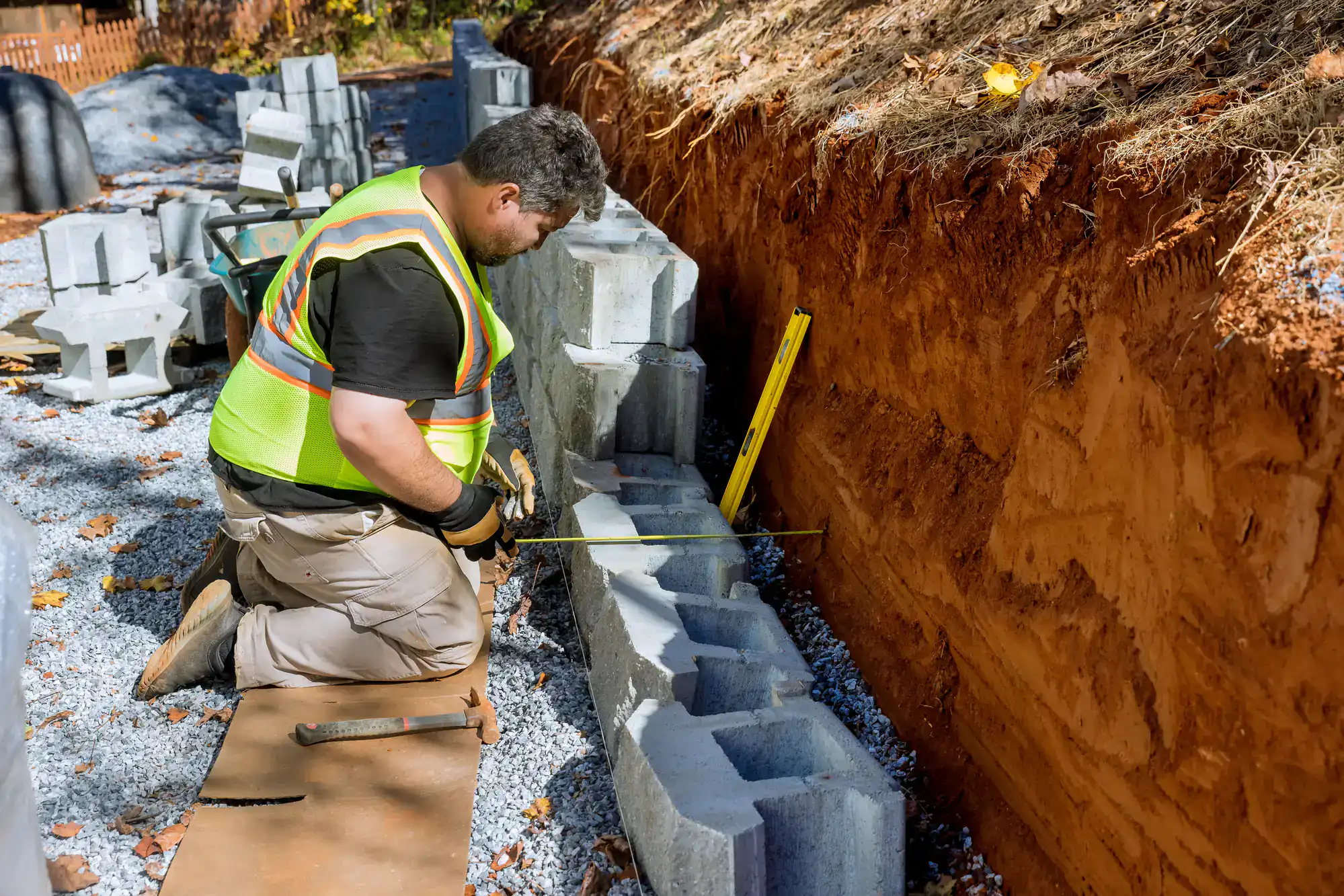
Excavation goes 8-10 inches deep with proper base preparation using crushed stone and compaction techniques that work with Commack’s sandy soil. We install drainage systems before any wall construction begins because water management is critical for long-term stability in your area.
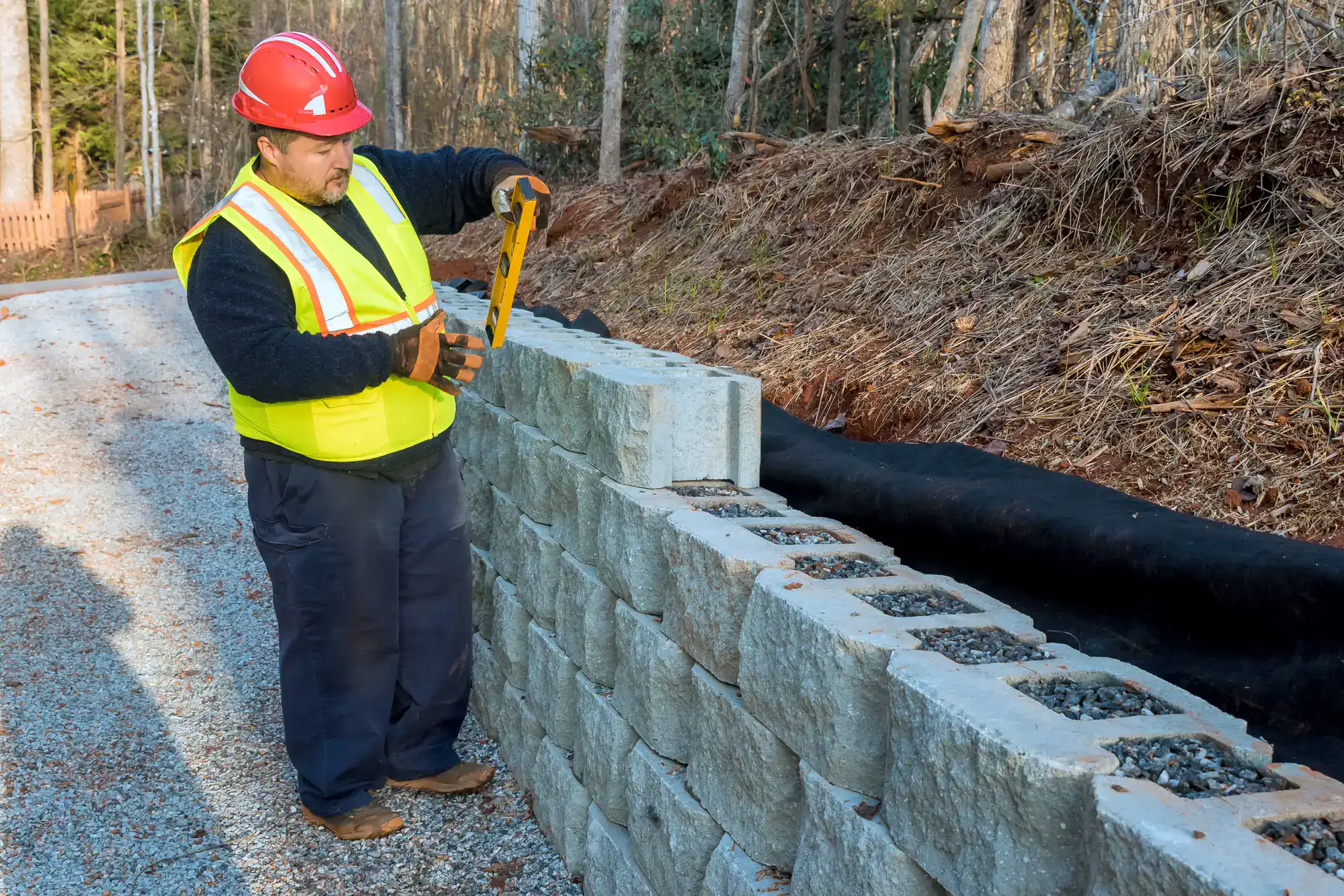
Wall construction uses manufacturer-certified techniques with materials specifically chosen for Long Island conditions. We handle edge restraint installation and backfilling with drainage-friendly materials that prevent the hydrostatic pressure issues that cause wall failures. The final result is a retaining wall system engineered to handle your property’s specific challenges while meeting all local code requirements.
Ready to get started?
Every retaining wall project includes comprehensive site evaluation, proper excavation to frost line depth (30-36 inches in Suffolk County), and engineered base preparation with crushed stone compaction. We install integrated drainage systems with weep holes and backfill materials designed for Long Island’s high water table conditions.
Material selection focuses on freeze-thaw resistant options from Cambridge, Techo-Bloc, Unilock, Nicolock, and other manufacturers we’re certified to install. This means your wall uses products specifically tested for coastal weather exposure and sandy soil movement.
Commack properties often deal with storm water runoff from nor’easters and seasonal flooding, so our installations include drainage planning that directs water away from foundations and prevent the hydrostatic pressure that damages walls. We also handle all permit requirements and ensure compliance with Suffolk County building codes for walls over 4 feet.
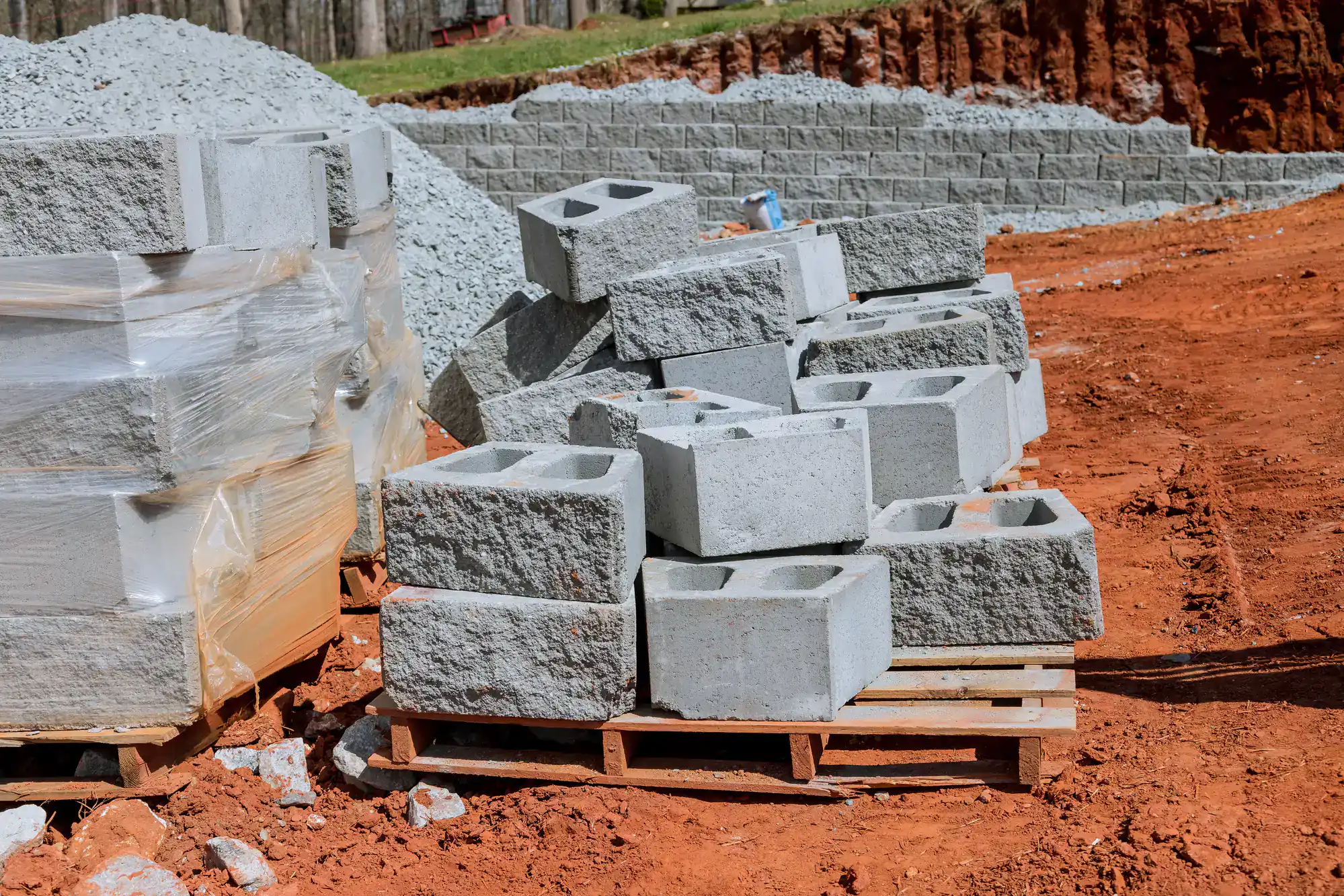
Retaining wall costs in Commack typically range from $25-45 per square foot for professional installation, depending on wall height, material selection, and site access conditions. A typical residential project ranges from $4,000-$12,000 for most homeowners.
Several factors affect your specific cost: wall height and length, material choice (segmental blocks, natural stone, or concrete), drainage requirements, and site accessibility for equipment. Long Island’s sandy soil conditions often require deeper excavation and specialized base preparation, which can impact pricing.
We provide detailed estimates that break down material, labor, and drainage costs so you understand exactly what’s included. Since every Commack property has unique soil and drainage challenges, we always do on-site evaluations before providing final pricing.
Most retaining wall failures in the Commack area result from poor drainage planning and inadequate foundation preparation for our sandy soil conditions. Long Island’s high water tables and seasonal weather create hydrostatic pressure that pushes against walls not designed for these conditions.
Sandy soil shifts more easily than other soil types, especially when saturated by nor’easters or heavy spring rains. Walls built without proper excavation depth (below the 30-36 inch frost line) or adequate base compaction will settle and lean over time.
The other major cause is using contractors who don’t understand Long Island’s unique conditions. Techniques that work inland don’t always work with our coastal weather, salt exposure, and freeze-thaw cycles. That’s why we use manufacturer-certified installation methods specifically designed for Suffolk County conditions.
Suffolk County requires permits for retaining walls over 4 feet in height, with costs typically ranging from $50-450 depending on wall size and complexity. Walls supporting driveways or near property lines may have additional requirements regardless of height.
The permit process includes submitting engineered plans that show proper drainage, foundation depth, and structural specifications. For walls over 6 feet or in challenging soil conditions, you’ll need structural engineering calculations to ensure safety and code compliance.
We handle all permit applications and work directly with Suffolk County building departments to ensure your project meets local requirements. This includes coordinating inspections during construction and providing all documentation needed for permit approval.
Properly installed retaining walls in Commack typically last 50-100+ years when built with appropriate materials and drainage systems for Long Island conditions. The key is using freeze-thaw resistant materials and proper installation techniques that handle our coastal climate.
Segmental block walls from manufacturers like Cambridge and Techo-Bloc are specifically engineered for northeastern weather conditions, including salt exposure from ocean storms and seasonal temperature fluctuations. Natural stone walls can last even longer but require proper mortaring techniques for coastal conditions.
The biggest factor in longevity is drainage management. Walls with integrated drainage systems that prevent water buildup behind the structure will significantly outlast those without proper water management. That’s why we always include comprehensive drainage planning in every installation.
Retaining wall construction in Commack is possible during winter months, but timing depends on ground frost conditions and material requirements. We can typically work through mild winter weather but avoid periods when ground is frozen below excavation depth.
The biggest challenge is achieving proper base compaction when temperatures drop below freezing. Frozen ground prevents proper excavation to the required 30-36 inch depth, and base materials don’t compact properly in freezing conditions.
Spring through fall offers the best construction conditions for Long Island retaining walls. This timing allows for proper curing of any concrete elements and ensures base materials achieve maximum compaction. We typically schedule winter consultations and planning with construction beginning in early spring.
Absolutely—drainage systems are critical for retaining wall success in Commack due to Long Island’s sandy soil, high water tables, and heavy seasonal rainfall. Without proper drainage, hydrostatic pressure will eventually cause wall failure regardless of construction quality.
Long Island properties face unique drainage challenges from nor’easters, spring snowmelt, and summer storms that can saturate soil quickly. Sandy soil drains faster than clay but can still create pressure against walls when water can’t escape properly.
We install comprehensive drainage systems including weep holes, drainage pipes, and proper backfill materials that allow water to move away from the wall structure. This prevents the pressure buildup that causes walls to lean, crack, or fail completely. Proper drainage is especially important in Commack where many properties deal with seasonal water table fluctuations.