Retaining Wall Contractor in Farmingville, NY

Retaining Walls Built to Last in Long Island

Professional retaining wall installation that handles Farmingville’s sandy soil and coastal conditions without the drainage headaches.
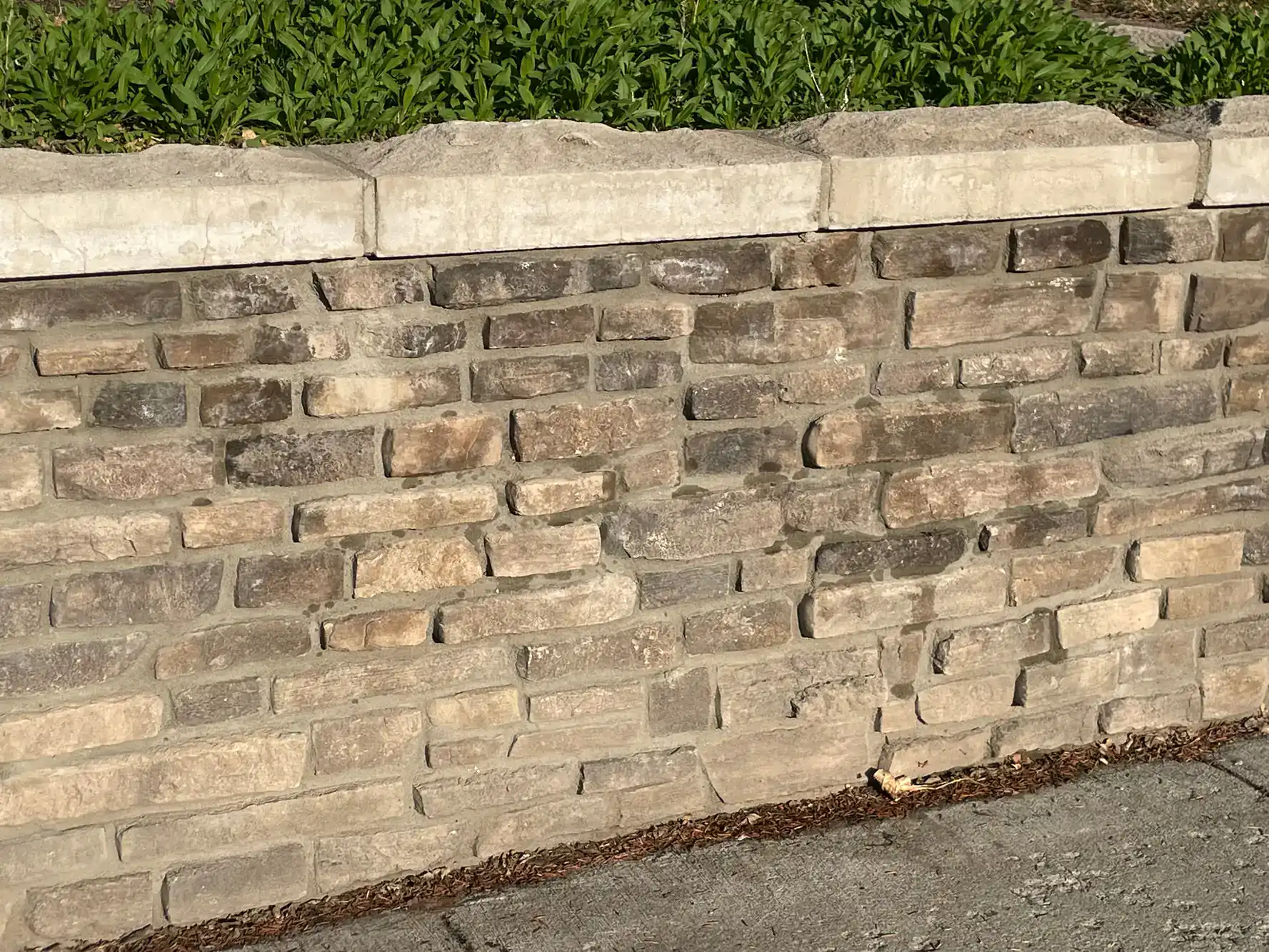
A stone retaining wall made of rectangular, tan and brown bricks supports a raised bed with green plants. Sunlight casts shadows on the textured wall and gray sidewalk below.

Hear from Our Customers

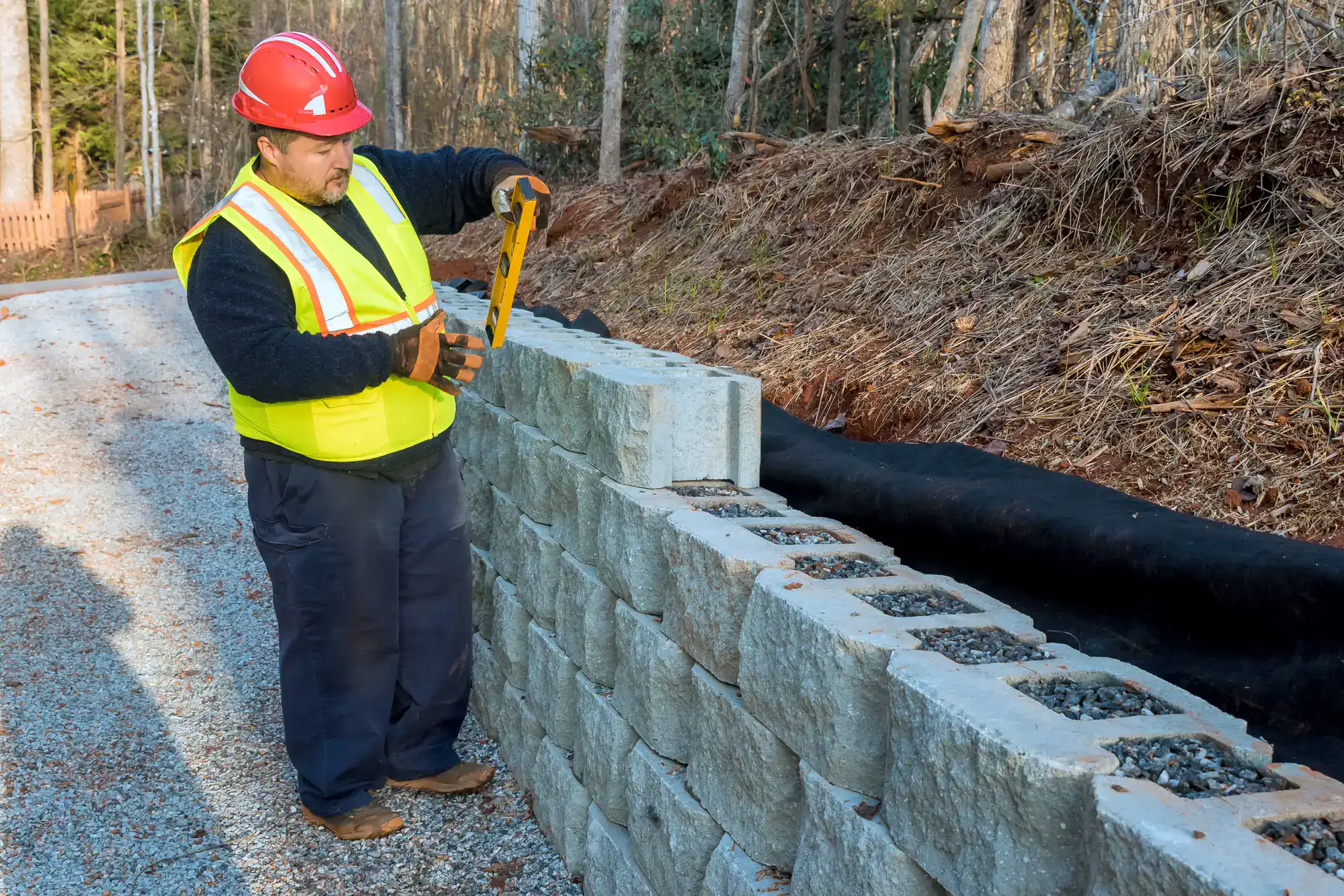
A construction worker in a yellow safety vest and red helmet uses a level to check concrete blocks while building a retaining wall next to a gravel road and a slope with trees.

Retaining Wall Installation Farmingville NY

Stop Losing Soil and Start Using Space
Your sloped yard doesn’t have to stay unusable. A properly built retaining wall transforms that problem area into functional space while protecting your property from erosion. You get level ground for landscaping, entertaining, or simply mowing without fighting gravity. No more watching topsoil wash away during heavy rains or dealing with unstable slopes that limit what you can do with your property. The right retaining wall installation handles Long Island’s unique challenges—sandy soil, high water tables, and freeze-thaw cycles—so you’re not dealing with wall failure or costly repairs down the road.

Farmingville NY Retaining Wall Specialist

Built for Long Island's Tough Conditions
Stone Escapes Masonry & Outdoor Design has been serving Farmingville and Long Island since 2019, with owner Iain Traynor bringing years of union masonry and carpentry experience to every project. We understand what works in Suffolk County’s sandy soil and coastal climate. That means proper drainage systems, foundations that go below the frost line, and materials that handle salt air and seasonal weather changes. Our team holds certifications from Cambridge, Techo-Bloc, Unilock, Nicolock, Eldorado, and Boral—the manufacturers whose products perform best in Long Island conditions. We’re licensed in Suffolk County and handle everything from estimates to completion with the same crew.
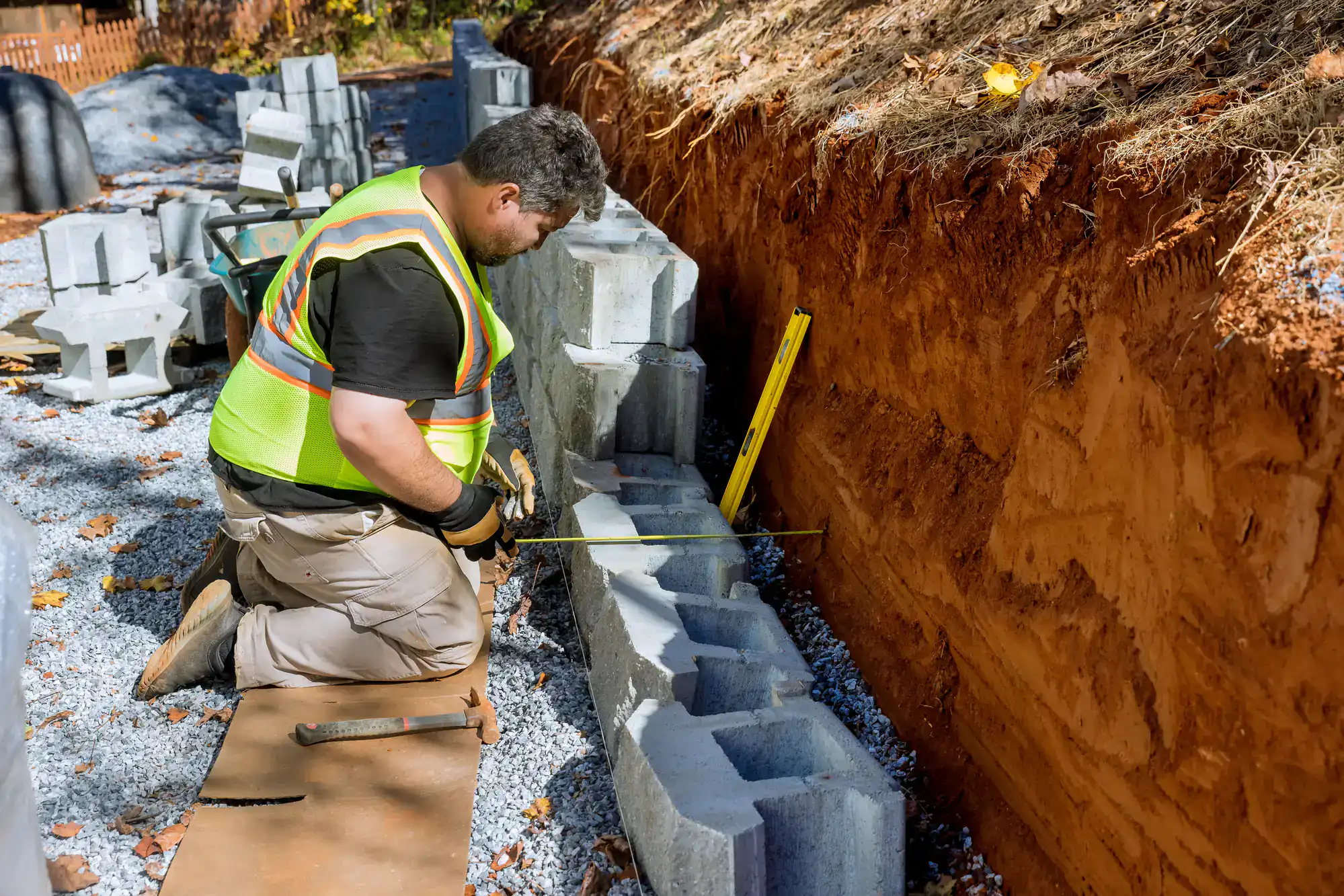
A construction worker in a safety vest kneels on gravel, measuring concrete blocks as he builds a retaining wall beside an exposed dirt slope. Tools and blocks are scattered around the worksite.

Retaining Wall Builder Farmingville NY

No Shortcuts, Just Proper Construction
We start with an in-person estimate where we evaluate your soil conditions, drainage needs, and the specific challenges your property faces. No generic solutions—every wall design addresses your site’s requirements. Excavation goes 8-10 inches deep minimum, often deeper to reach stable soil and get below the frost line. We install proper base preparation with compacted gravel, not just dirt backfill that leads to settling and failure. Drainage gets built in from the start—perforated pipes, gravel backfill, and proper grading to handle Long Island’s water table issues. Each course gets set with attention to alignment and structural integrity, using manufacturer-approved installation methods that come with warranties.
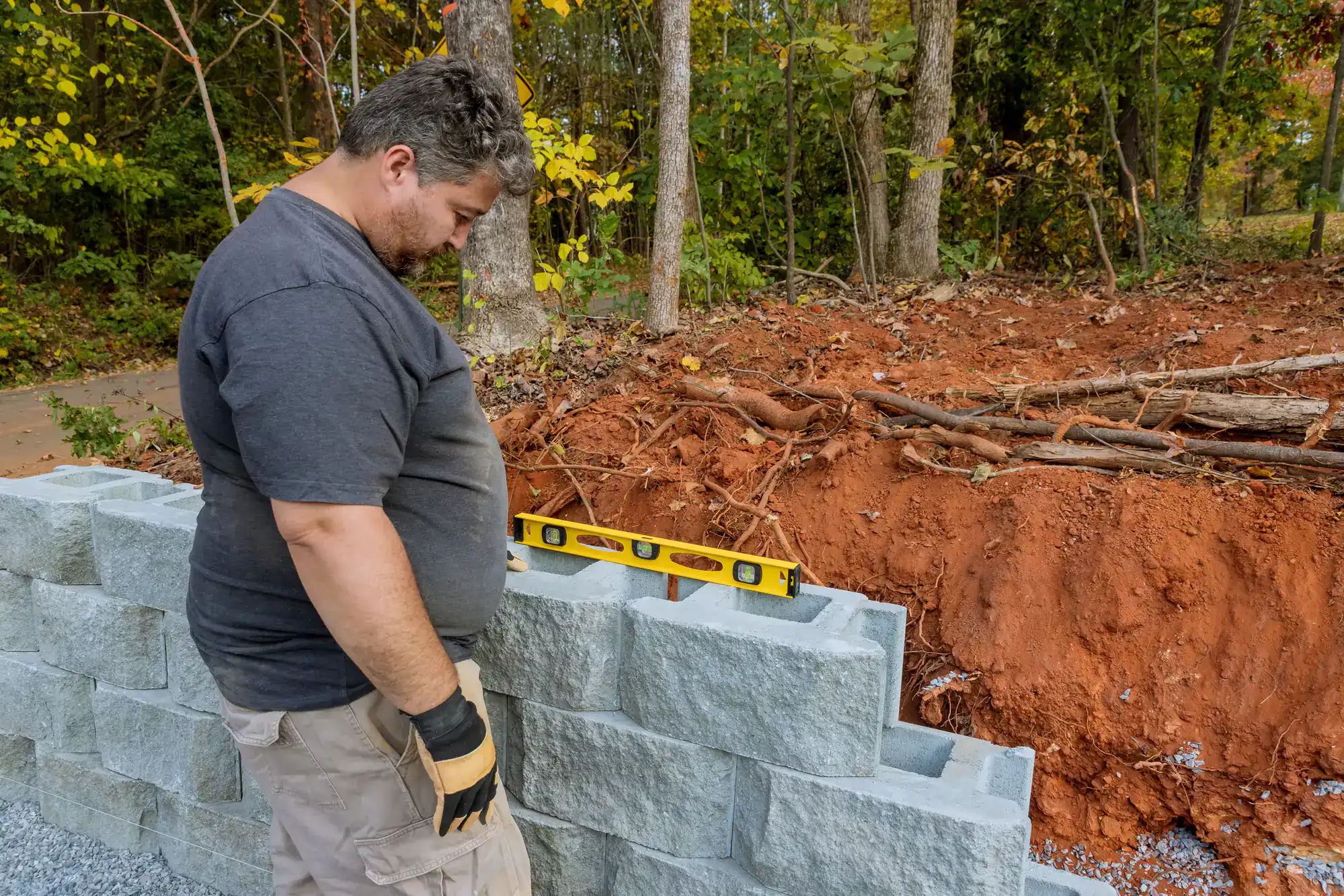
A man wearing gloves checks the level of a gray stone retaining wall with a yellow spirit level, next to a dirt embankment and forested area.

Ready to get started?

Explore More Services

About Stone Escapes Masonry & Outdoor Design

Get a Free Consultation

Stone Wall Installer Farmingville NY

Materials That Handle Coastal Conditions
Long Island’s environment demands specific material choices and construction techniques. We use segmental block systems, natural stone, and concrete products that resist freeze-thaw damage and handle the region’s sandy soil conditions. Every retaining wall includes proper drainage design—not an afterthought, but engineered from the beginning to prevent hydrostatic pressure buildup. In Farmingville’s climate, this means perforated drainage pipes, graded stone backfill, and exit points that channel water away from the structure. Foundation depth follows Long Island standards—typically 30-36 inches to reach below the frost line and provide stable support in sandy soil. We use geogrid reinforcement when needed and follow manufacturer specifications that ensure your wall performs as designed for decades, not just years.
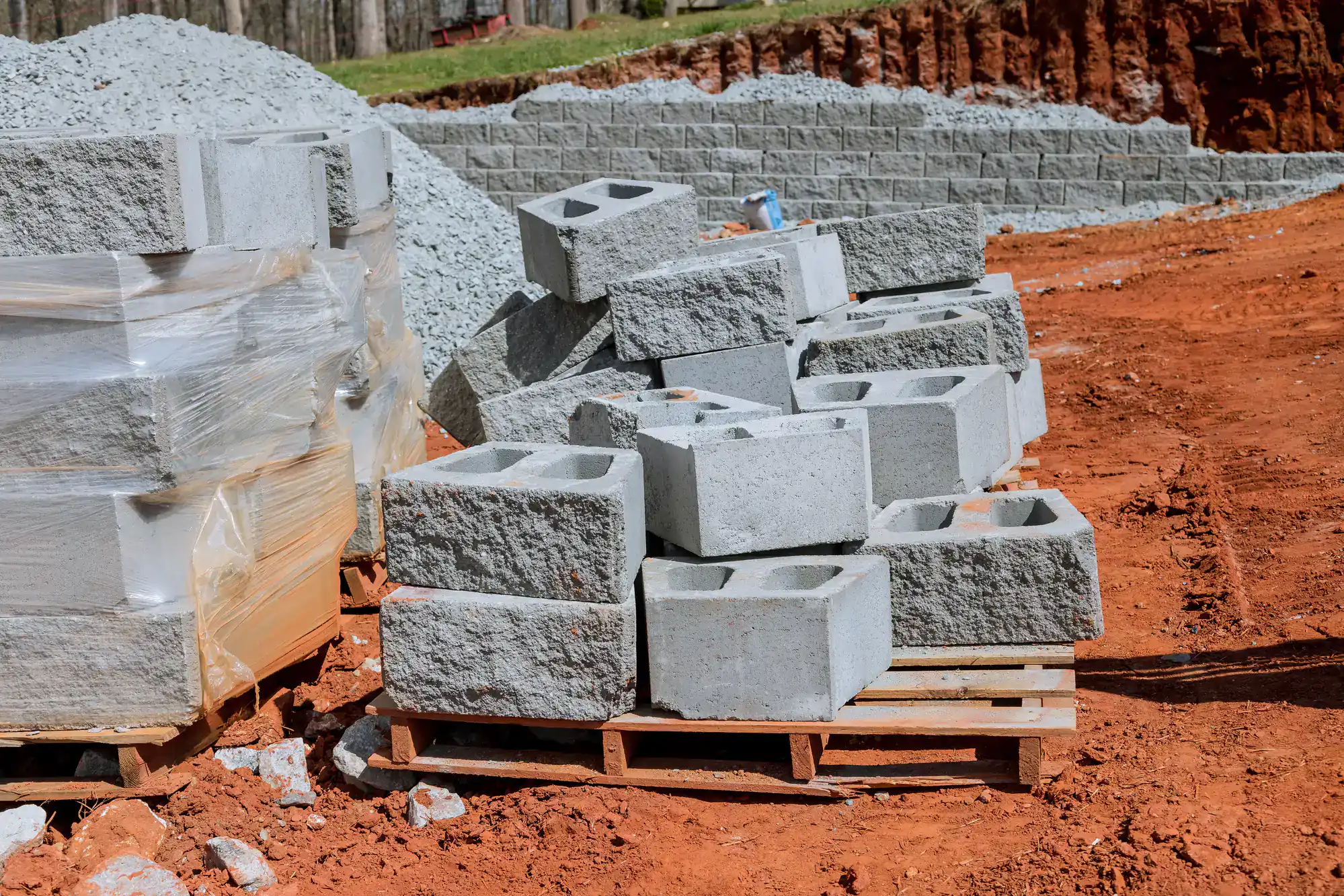
A stack of concrete cinder blocks is arranged on wooden pallets at a construction site with red soil and gravel. Wrapped blocks and a partially built stone retaining wall are visible in the background.

How much does a retaining wall cost in Farmingville, NY?

Retaining wall costs in the Farmingville area typically range from $25-58 per square foot depending on height, materials, and site conditions. A basic segmental block wall runs $25-45 per square foot, while natural stone or complex designs cost more. Several factors affect pricing: wall height, soil conditions, accessibility for equipment, drainage requirements, and material choice. Walls over 4 feet require deeper foundations and often engineering, which increases costs but ensures long-term stability. We provide detailed estimates that break down material, labor, and site preparation costs so you understand exactly what you’re paying for. Every quote includes proper drainage and foundation work—not optional extras that get added later.

Long Island’s sandy soil and coastal climate create unique challenges that require specialized construction approaches. The predominant sandy soil drains well but needs deeper foundations and specific backfill materials to prevent settling. High water tables and seasonal fluctuations mean drainage systems must be more robust than inland areas. We typically install deeper drainage pipes and more extensive gravel backfill to handle water pressure that builds behind walls. Freeze-thaw cycles and salt air exposure demand materials that resist corrosion and thermal expansion. Foundation depths must reach 30-36 inches below grade to get below the frost line, preventing movement during winter months that can crack or shift walls.
Most residential retaining walls in Farmingville take 3-7 days to complete, depending on length, height, and site conditions. Simple walls under 4 feet often finish in 2-3 days, while taller or more complex installations take a full week. Weather affects timing, especially during excavation and concrete work. We schedule projects to avoid conflicts with Long Island’s wet seasons when possible, but proper drainage installation can continue in most conditions. Site accessibility impacts schedule—walls that require hand-digging or limited equipment access take longer than those with clear access for machinery. We provide realistic timelines during estimates and keep you updated if conditions change the schedule.
Suffolk County typically requires permits for retaining walls over 4 feet in height, though specific requirements can vary by location and intended use. Walls supporting driveways or near property lines may have additional restrictions. The permit process usually takes 2-4 weeks and costs $100-450 depending on wall size and complexity. We handle permit applications and ensure all work meets local building codes and manufacturer specifications. Some homeowner association areas have additional design requirements or approval processes. We check these requirements during the estimate phase so there are no surprises that delay your project or require design changes.
Poor drainage is the leading cause of retaining wall failure on Long Island. Without proper drainage systems, water builds up behind walls creating hydrostatic pressure that can cause bulging, cracking, or complete collapse. Inadequate foundation preparation is another common issue. Walls built without reaching below the frost line or using proper base materials often shift during freeze-thaw cycles, leading to alignment problems and structural failure. Using inappropriate materials for coastal conditions accelerates deterioration. Walls built with materials that can’t handle salt air, moisture, or thermal expansion often show premature aging, cracking, or surface degradation that compromises structural integrity.
Every retaining wall we install includes a comprehensive drainage system designed for Long Island’s soil and water table conditions. This starts with perforated drainage pipes placed at the wall’s base, surrounded by clean gravel and wrapped in filter fabric. Backfill consists of 12+ inches of drainage stone directly behind the wall, not native soil that retains water. We grade the area to direct surface water away from the wall and install exit points every 30-50 feet to ensure water has a clear path away from the structure. For areas with high water tables or clay soil conditions, we install additional drainage measures like French drains or extended pipe systems. Proper drainage isn’t optional—it’s the difference between a wall that lasts decades and one that fails within a few years.