Retaining Wall Contractor in Nesconset

Stop Erosion Before It Damages Your Property

Turn sloped, unstable ground into usable space with retaining walls built for Long Island’s challenging soil conditions.
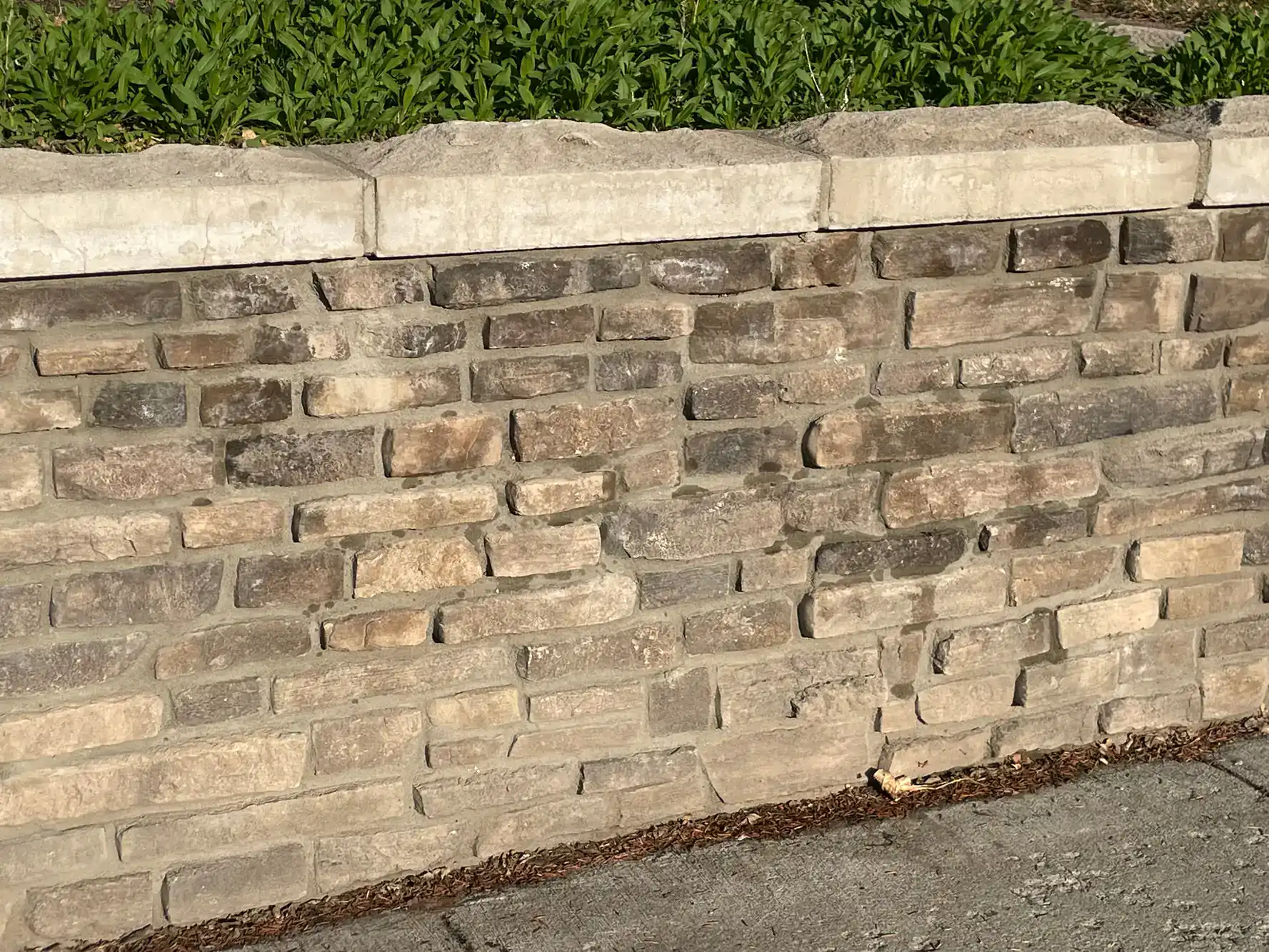
A stone retaining wall made of rectangular, tan and brown bricks supports a raised bed with green plants. Sunlight casts shadows on the textured wall and gray sidewalk below.

Hear from Our Customers

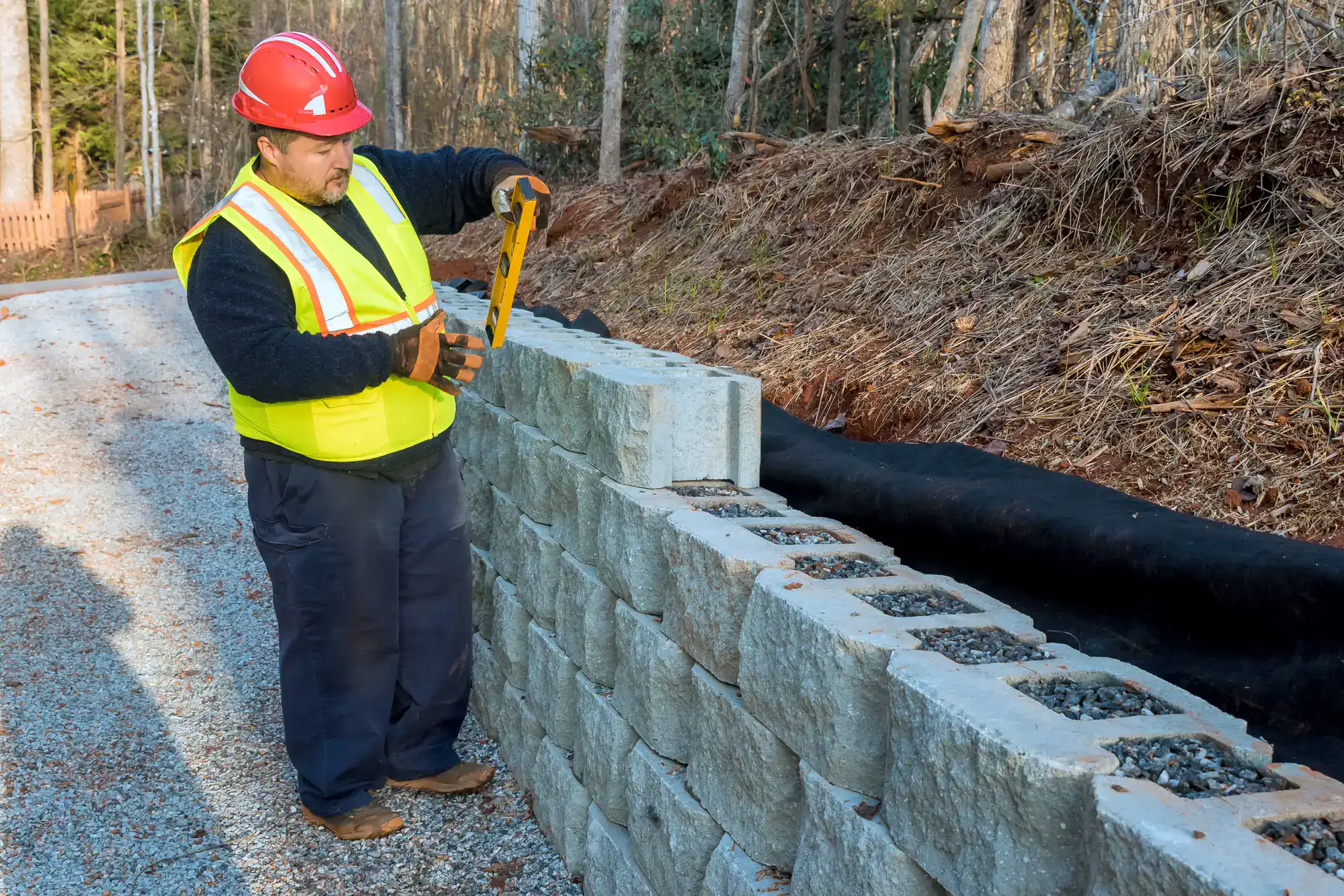
A construction worker in a yellow safety vest and red helmet uses a level to check concrete blocks while building a retaining wall next to a gravel road and a slope with trees.

Retaining Wall Installation Nesconset NY

What You Get With Professional Installation
Your property becomes stable and usable instead of fighting constant erosion and drainage problems. No more watching soil wash away during storms or dealing with unusable sloped areas that serve no purpose. You get solid ground where you can actually build, plant, or simply enjoy your yard without worrying about foundation damage or safety issues. The right retaining wall installation in Nesconset, NY creates level space from previously unusable terrain while protecting your property investment. Professional installation means your wall handles Long Island’s sandy soil, coastal moisture, and freeze-thaw cycles without shifting or cracking over time.

Stone Wall Installer Suffolk County

Long Island Soil Conditions Require Local Knowledge
Stone Escapes has been handling Suffolk and Nassau County projects since gaining early recognition through Cambridge Pavingstone publications. Owner Iain Traynor brings carpentry and union masonry experience to every estimate and installation. We hold certifications from Cambridge, Techo-Bloc, Unilock, Nicolock, Eldorado, and Boral—manufacturers who understand what works in coastal climates. We’re licensed in Suffolk, Nassau, and various Long Island townships. Every project we handle addresses Nesconset’s specific challenges: sandy soil that drains fast but shifts easily, coastal moisture that affects materials over time, and drainage issues that can undermine walls if not handled properly.
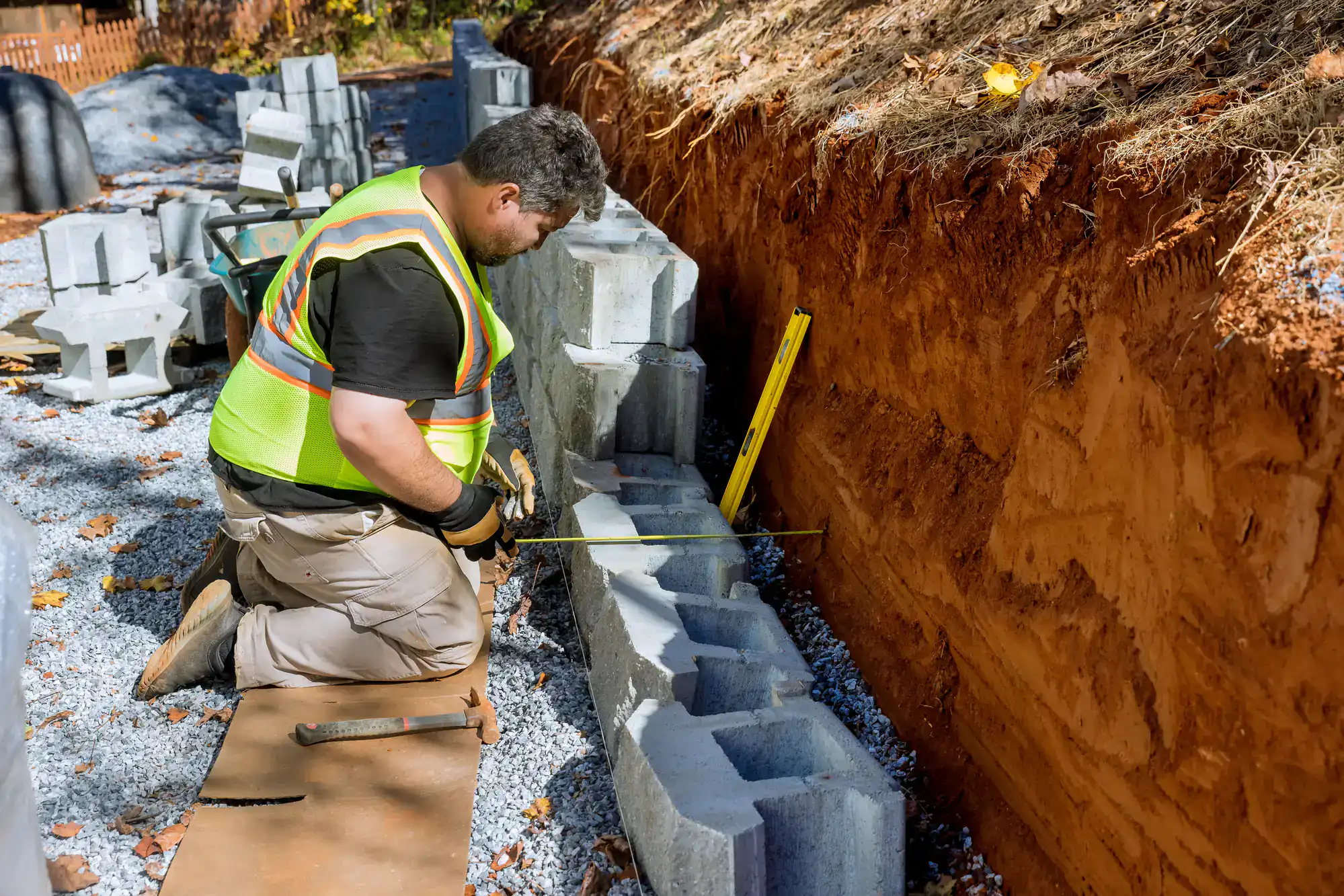
A construction worker in a safety vest kneels on gravel, measuring concrete blocks as he builds a retaining wall beside an exposed dirt slope. Tools and blocks are scattered around the worksite.

Retaining Wall Builder Near You

The Process That Prevents Future Problems
First, we excavate 8-10 inches deep, going beyond Long Island’s frost line to prevent heaving and shifting. This isn’t negotiable—shallow foundations fail in our climate. Next comes proper base preparation with compacted gravel and drainage planning. Sandy soil drains quickly but needs guidance, so we install systems that direct water away from the wall rather than letting it pool and create pressure. Wall installation follows manufacturer specifications with edge restraints that reduce shifting over time. Each course gets checked for level and proper setback. Finally, backfilling uses the right materials in the right sequence to support the wall without creating hydrostatic pressure that leads to failure.
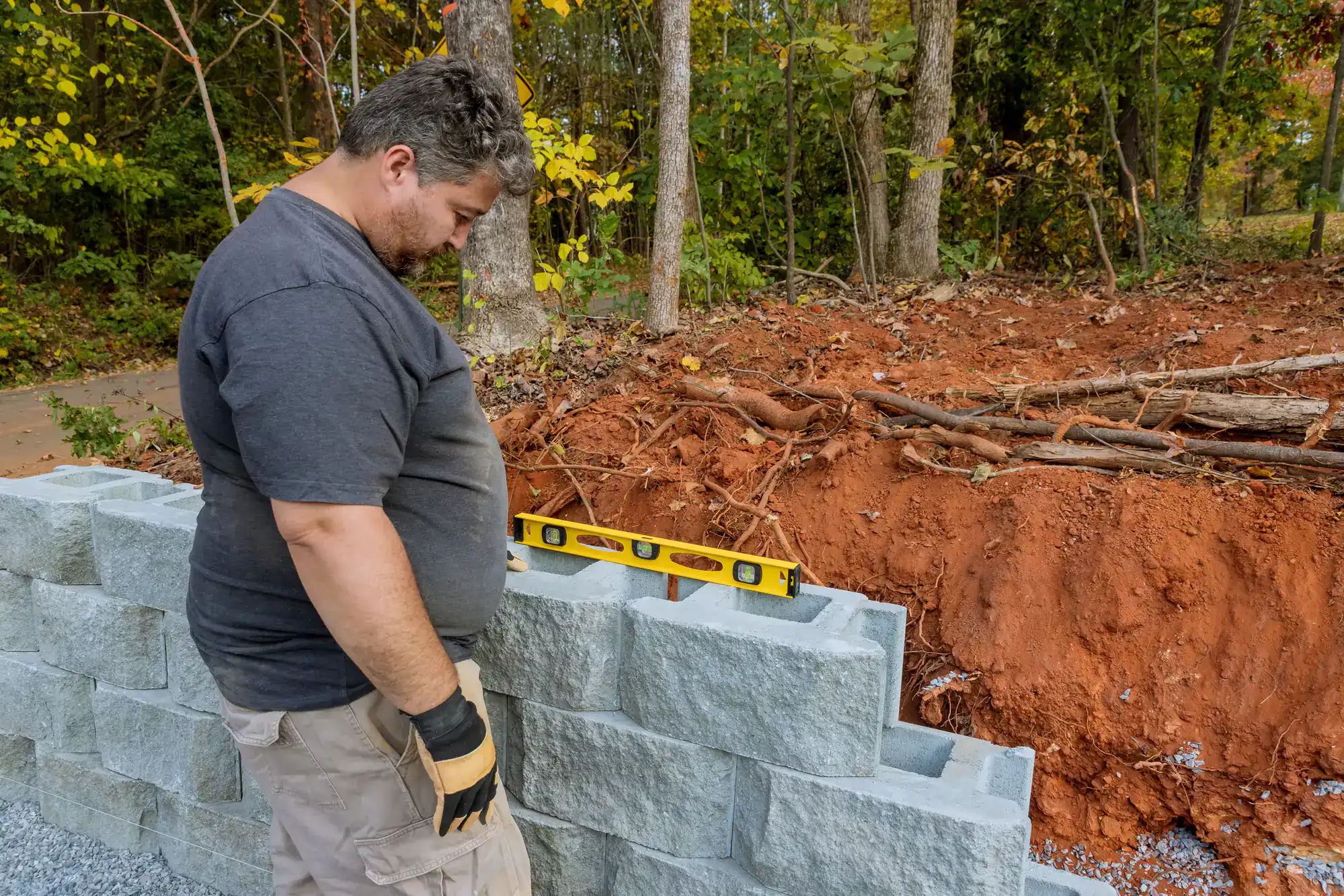
A man wearing gloves checks the level of a gray stone retaining wall with a yellow spirit level, next to a dirt embankment and forested area.

Ready to get started?

Explore More Services

About Stone Escapes Masonry & Outdoor Design

Get a Free Consultation

Retaining Wall Specialist Long Island

What Makes Long Island Walls Different
Nesconset sits in Suffolk County where sandy soil composition and high water tables create unique challenges. Your retaining wall specialist needs to understand these conditions, not just follow generic installation guides. Coastal weather brings salt air and storm surge considerations that demand corrosion-resistant materials and enhanced drainage. Standard inland approaches fail here because they don’t account for the hydrostatic pressure from high water tables or the way sandy soil behaves during freeze-thaw cycles. Professional installation in this area requires excavation below the 4-foot frost line, specialized drainage systems, and materials selected for coastal exposure. The wall needs to accommodate slight soil movement while maintaining structural integrity—something that requires both technical knowledge and local experience.
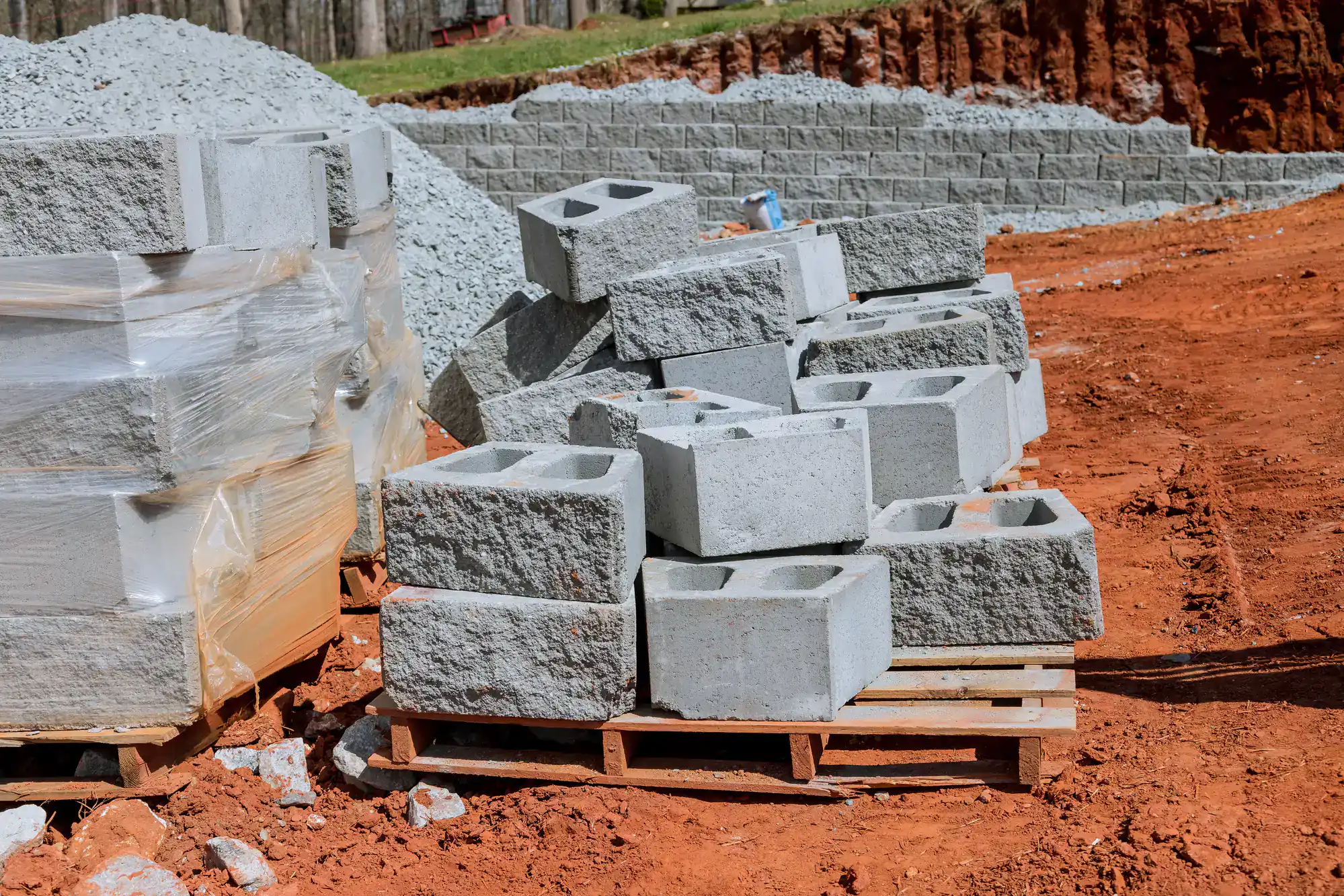
A stack of concrete cinder blocks is arranged on wooden pallets at a construction site with red soil and gravel. Wrapped blocks and a partially built stone retaining wall are visible in the background.

How deep should a retaining wall foundation be in Nesconset?

Your foundation needs to go at least 4 feet deep to get below Long Island’s frost line. Anything shallower risks frost heave that can crack or shift your wall during winter freeze-thaw cycles. Sandy soil in Nesconset drains well but doesn’t provide the same stability as clay or rock. The deeper foundation compensates for this by getting into more stable soil layers and providing better resistance to lateral pressure. We excavate 8-10 inches for the wall itself, then dig the foundation trench deeper. This gets compacted with gravel base material that creates proper drainage while supporting the wall’s weight and the soil pressure behind it.
High water tables in coastal Suffolk County create hydrostatic pressure that can push walls outward or cause them to bow. Without proper drainage, water builds up behind the wall instead of flowing away naturally. Sandy soil drains fast when it’s working correctly, but poor drainage design lets water pool in the wrong places. This saturates the soil, making it heavier and creating more pressure on the wall structure. Professional drainage includes perforated pipes, gravel backfill, and outlets that direct water to safe areas. The system needs to handle both regular drainage and storm water without overwhelming the wall or creating erosion problems elsewhere on your property.
Well-built retaining walls with proper drainage can last decades in Long Island’s coastal climate, but it depends on materials and installation quality. Walls built to handle sandy soil, salt air, and freeze-thaw cycles perform much better than generic installations. Coastal conditions are harder on materials than inland locations. Salt air accelerates corrosion, storms create drainage challenges, and sandy soil allows more movement than stable ground. These factors make professional installation and appropriate materials essential. Manufacturer-certified materials like those from Cambridge, Techo-Bloc, and Unilock are engineered for these conditions. Combined with proper foundation work and drainage, they provide the longevity you need from a significant property investment.
Permit requirements depend on wall height and location, but most walls over 4 feet require permits in Suffolk County. Some municipalities have different thresholds, and walls near property lines or affecting drainage may need permits regardless of height. Licensed contractors understand local permit requirements and can handle the application process. This includes providing engineered plans when required and ensuring the installation meets all code requirements for your specific location. Skipping permits creates problems if you sell your property or need insurance claims. The permit process also ensures your wall meets safety standards and won’t create drainage or stability issues that affect neighboring properties.
Spring and fall offer the best conditions for retaining wall installation in Nesconset. Mild temperatures make excavation and material handling easier, while avoiding summer heat and winter ground freezing. Spring installation lets you enjoy the results all summer and gives plants time to establish if you’re adding landscaping. Fall installation prepares your property for winter weather and positions you for spring planting projects. Weather delays can happen any time of year, but spring and fall generally have more predictable conditions. Winter installation is possible but may require additional precautions for ground conditions and material handling.
Professional retaining wall installation in Suffolk County typically ranges from $25-45 per square foot, depending on wall height, material selection, and site access. Complex drainage requirements or challenging soil conditions can affect pricing. The investment reflects proper excavation, foundation work, drainage systems, and materials that handle Long Island’s conditions. Cheaper installations often skip critical steps like adequate drainage or proper foundation depth, leading to expensive failures later. Getting multiple quotes helps you understand the market, but focus on what’s included rather than just price. Proper installation, manufacturer-certified materials, and local licensing provide better long-term value than low-cost shortcuts.