
Hear from Our Customers
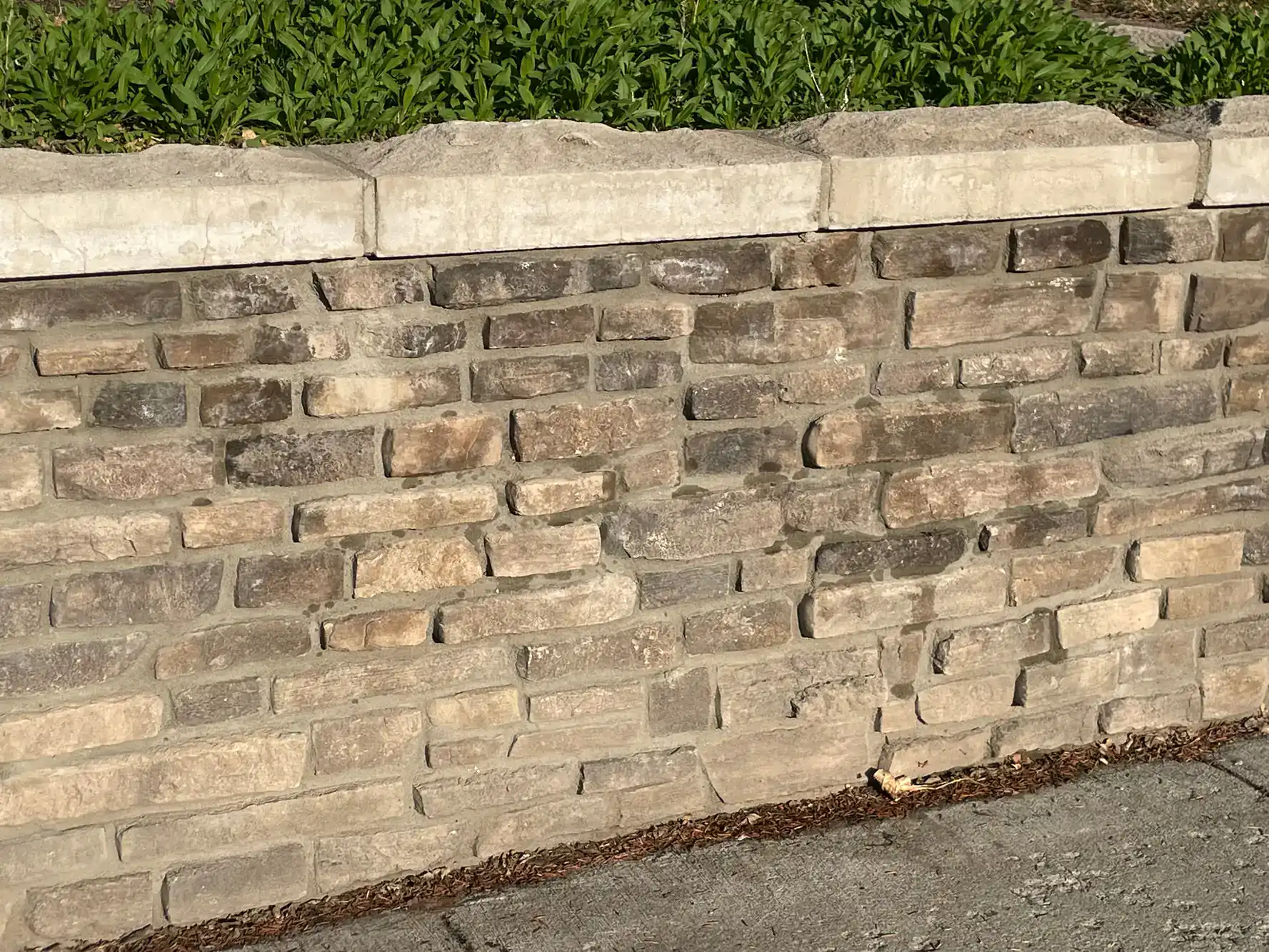
You get a retaining wall that handles Long Island’s unique challenges. No more sleepless nights wondering if your wall will lean, crack, or collapse during the next heavy rain.
Our walls go 30-36 inches deep to reach below the frost line—something many contractors skip. We build proper drainage systems behind every wall because water pressure is what kills most retaining walls on Long Island.
You’ll have a structure that protects your property from erosion while creating usable outdoor space. More importantly, you’ll have confidence that it’s built to last through our coastal weather and freeze-thaw cycles.
Stone Escapes has been serving Hampton Bays and Long Island for over 15 years. We’re licensed and insured in Suffolk County, Nassau County, East Hampton, and Southampton.
Owner Iain Traynor handles your estimate personally and stays involved throughout your project. No sales reps, no handoffs—just direct communication with someone who knows masonry inside and out.
We hold certifications from Cambridge, Techo-Bloc, Unilock, Nicolock, Eldorado, and Boral. That means we know which materials work best in Hampton Bays’ sandy soil and coastal conditions, and we back our work with manufacturer warranties.
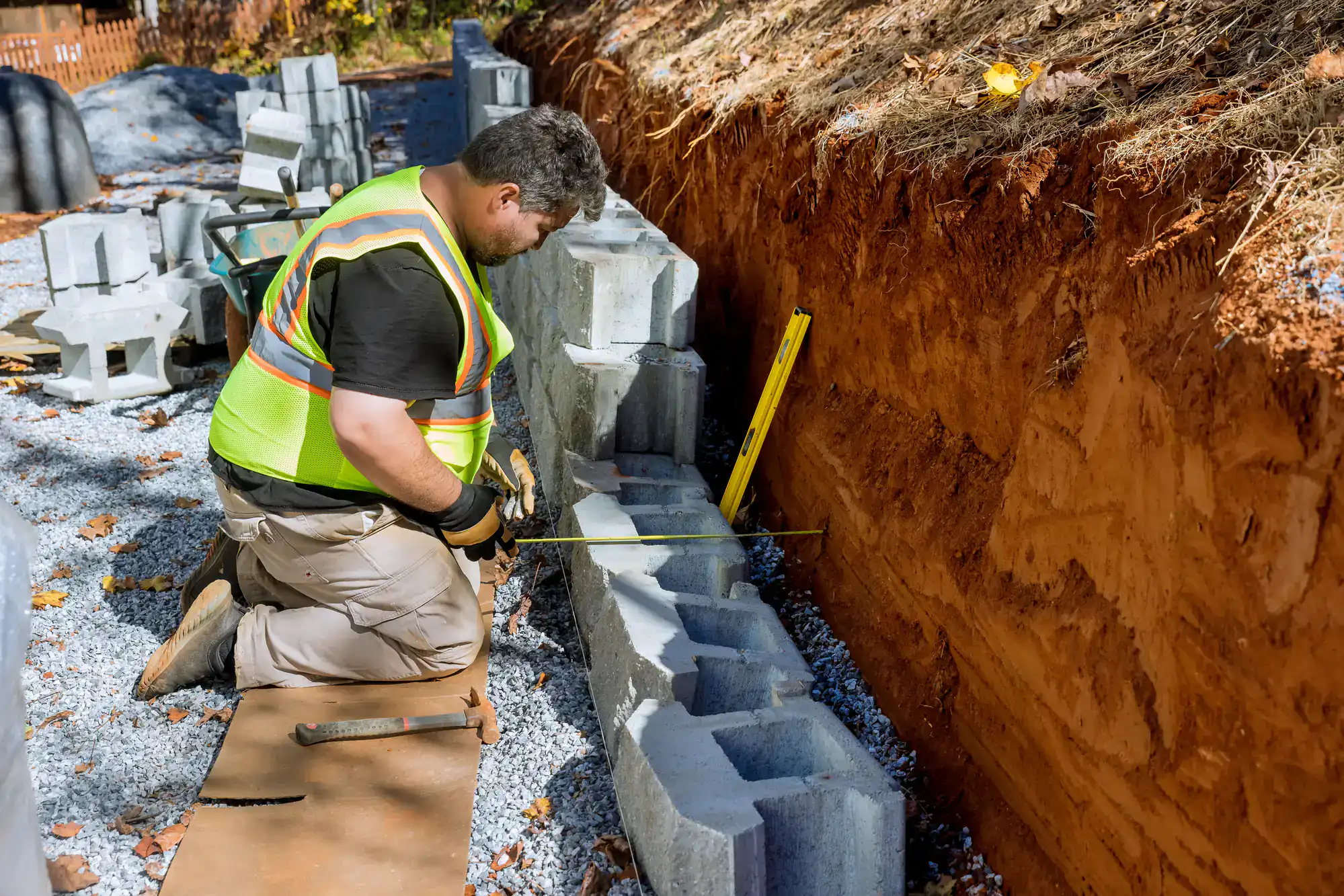
First, we excavate 8-10 inches deep and go below the frost line—typically 30-36 inches in our area. Many contractors cut corners here, but proper foundation depth prevents frost heave and settling.
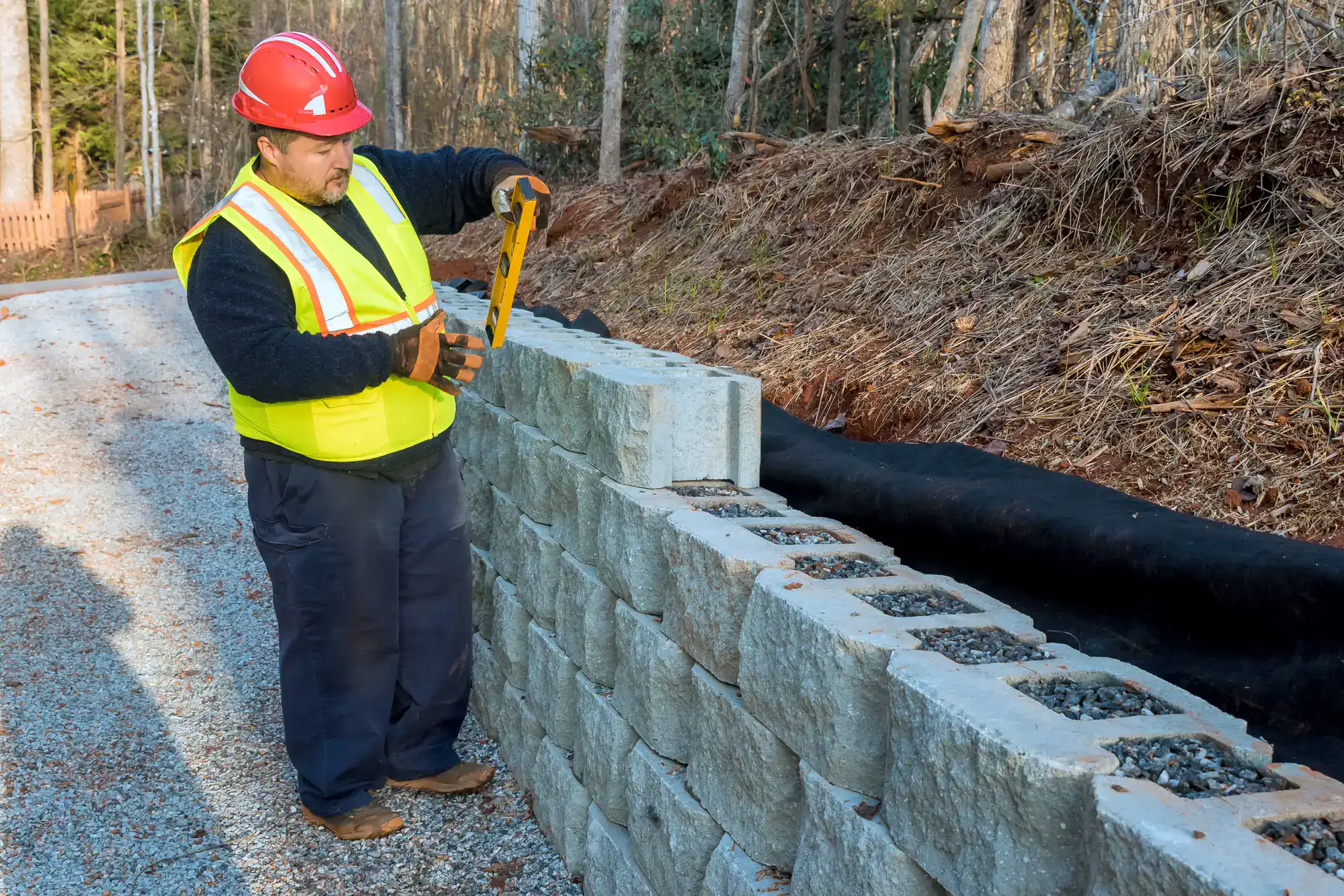
Next comes the base preparation. We install compacted gravel layers with proper drainage planning. Every wall gets a perforated drainage pipe surrounded by clean stone, not just backfilled with dirt like some companies do.
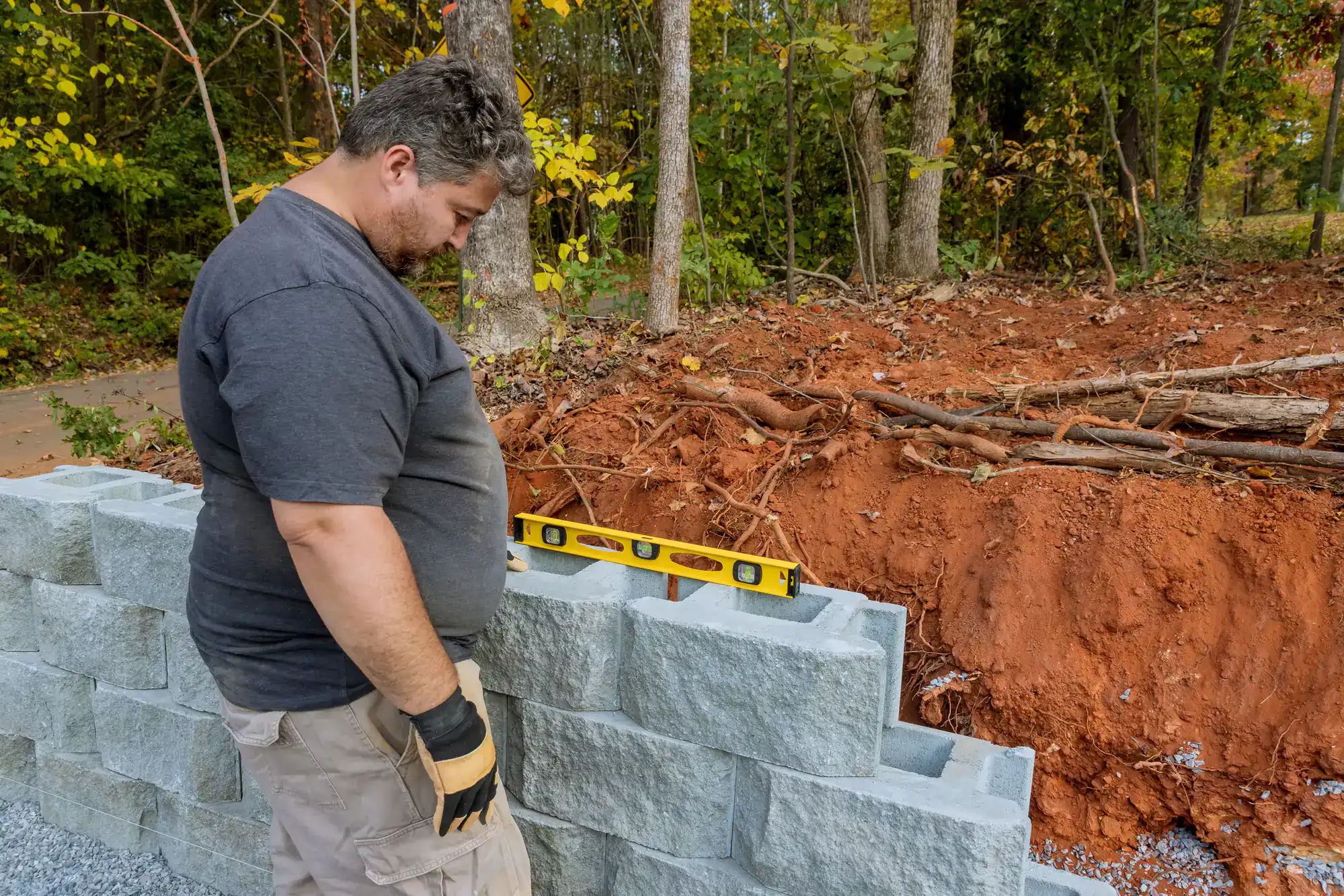
Then we build your wall with proper edge restraints and reinforcement. We use consistent crews who know our standards, so you’re not getting different workers with different skill levels halfway through your project. You get the same quality craftsmanship from start to finish.
Ready to get started?
Every retaining wall installation includes proper drainage systems designed for Long Island conditions. We install base-level drainage pipes, backfill with clean crushed stone, and create proper water management—not just pile dirt behind your wall.
You get frost-resistant materials selected specifically for our coastal climate. We account for salt air exposure, storm surge considerations, and the freeze-thaw cycles that destroy poorly built walls.
Hampton Bays properties often deal with sandy soil that shifts and settles. We address this with proper compaction techniques and base preparation that prevent future movement. Your wall stays level and stable instead of developing the cracks and lean that plague other installations in our area.
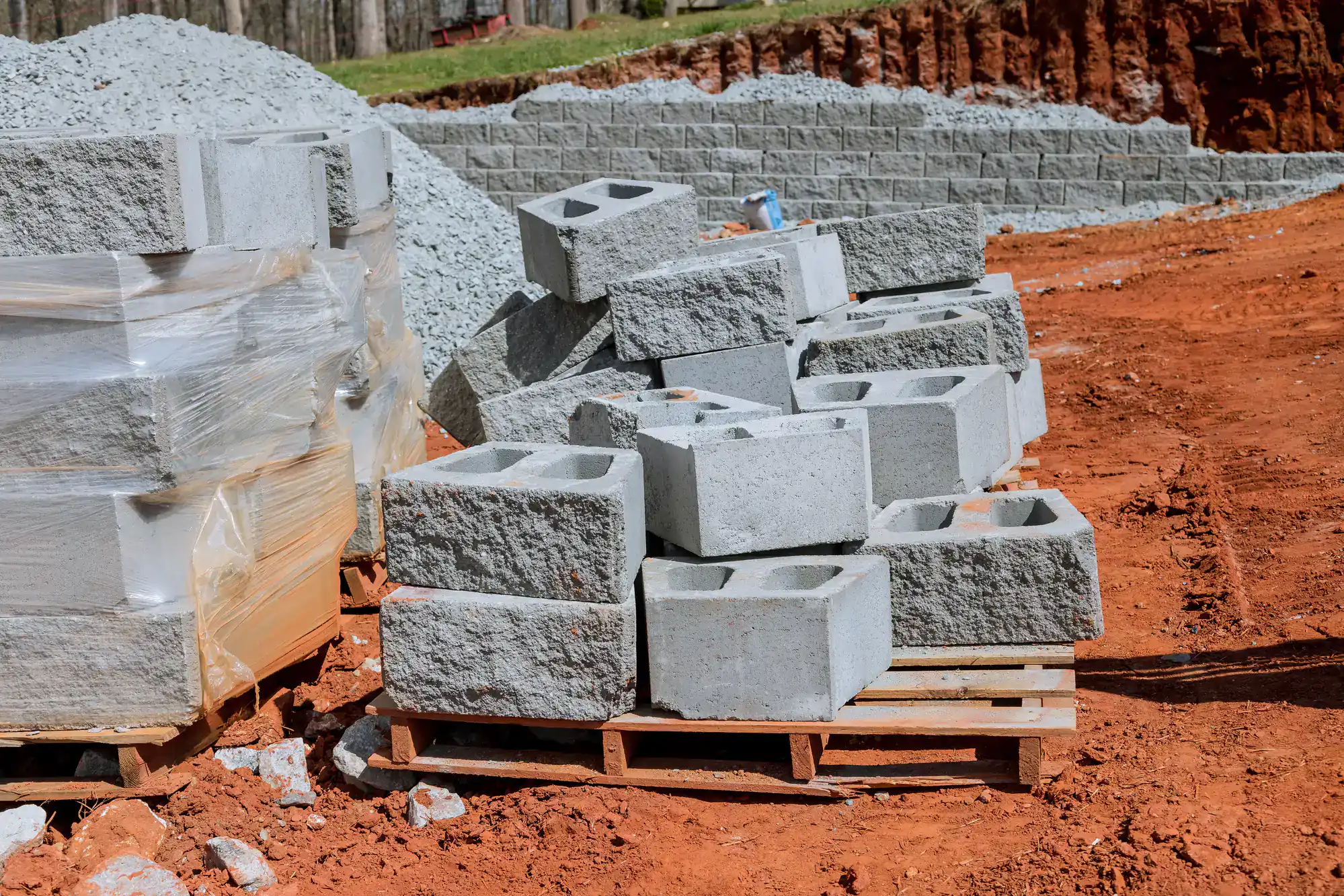
Retaining walls in Hampton Bays need foundations that go 30-36 inches deep to reach below our frost line. This prevents frost heave during winter freeze-thaw cycles that can crack or shift your wall.
The base itself should be 6-12 inches of compacted gravel depending on wall height. Sandy soil conditions here require extra attention to proper compaction and drainage to prevent settling over time.
Many contractors try to save money by going shallow, but that leads to expensive repairs within a few years. We excavate to proper depth every time because it’s cheaper to build it right than rebuild it later.
Poor drainage is the number one cause of retaining wall failure on Long Island. Water builds up behind walls without proper drainage systems, creating hydrostatic pressure that can cause walls to bow, crack, or completely collapse.
Our coastal climate adds extra challenges with salt air corrosion and storm surge considerations. Freeze-thaw cycles put additional stress on walls not built with proper materials and techniques for our conditions.
Many failures happen because contractors use the wrong foundation depth or skip proper base preparation. Sandy soil here shifts and settles if not properly compacted, leading to walls that lean or develop cracks within a few seasons.
Interlocking concrete blocks work well for most Hampton Bays applications because they’re designed for our climate conditions. Brands like Cambridge, Techo-Bloc, and Unilock offer systems specifically engineered for coastal environments.
Natural stone like granite and limestone provides excellent durability against salt air and weather exposure. These materials resist freeze-thaw damage and maintain their appearance over decades.
The key is matching materials to your specific site conditions and wall height requirements. We hold certifications from major manufacturers, so we know which products perform best in Hampton Bays’ sandy soil and coastal weather patterns.
Retaining wall costs in Hampton Bays typically range from $25-50 per square foot for quality installations. Factors affecting price include wall height, materials chosen, site access, and soil conditions.
Higher costs usually mean better drainage systems, proper foundation depth, and quality materials that last longer. Cheaper installations often skip critical steps like adequate excavation or proper drainage, leading to expensive repairs later.
We provide detailed estimates that break down exactly what’s included—from excavation depth to drainage systems to material specifications. You’ll know what you’re getting instead of discovering shortcuts after the work is done.
Retaining walls over 4 feet high typically require permits in Hampton Bays and Suffolk County. Even shorter walls may need permits if they’re near property lines or affect drainage patterns.
We handle permit applications and ensure all work meets local building codes. This protects you from compliance issues and ensures proper inspections during construction.
Permit requirements exist for good reasons—they ensure walls are built safely and won’t affect neighboring properties. Working with a licensed contractor familiar with local codes saves you headaches and potential legal issues down the road.
Well-built retaining walls in Hampton Bays should last 20-30 years or more with minimal maintenance. The key factors are proper drainage, correct foundation depth, and materials suited for our coastal climate.
Walls built with shortcuts—shallow foundations, poor drainage, or wrong materials—often fail within 5-10 years. The upfront savings aren’t worth the cost of rebuilding or major repairs.
Regular inspection for drainage issues or minor settling helps catch small problems before they become expensive failures. We build walls that require minimal maintenance while providing decades of reliable service protecting your property.