

Hear from Our Customers

You’re tired of seeing beautiful stonework crack after one season or pavers that shift because the contractor didn’t understand Long Island’s sandy soil conditions. When your masonry is done right, you get outdoor spaces that work year-round—patios that don’t puddle during storms, driveways that stay level through freeze-thaw cycles, and retaining walls that actually retain.
Your property becomes the place where you want to spend time. Fire pits that draw people together on cool evenings. Outdoor kitchens where cooking becomes part of entertaining instead of taking you away from guests. Walkways that guide visitors safely to your door without cracking or settling.
The difference shows up in how your space feels and functions, not just how it looks. No more avoiding certain areas of your yard because the drainage is wrong. No more explaining to guests why that section of patio is uneven.
We know Noyack’s coastal conditions because we’ve been handling them for years. Owner Iain Traynor brings union masonry experience and carpentry background to every project, staying involved from estimate through completion.
We’re licensed in Suffolk County, Nassau County, Southampton, and East Hampton because we understand the specific requirements each area demands. Our certifications from Cambridge, Techo-Bloc, Unilock, Nicolock, Eldorado, and Boral mean you’re getting materials designed to perform in exactly these conditions.
When Cambridge Pavingstone featured us in their magazine during our first year, it wasn’t luck—it was recognition of work that addresses Long Island’s unique challenges head-on.
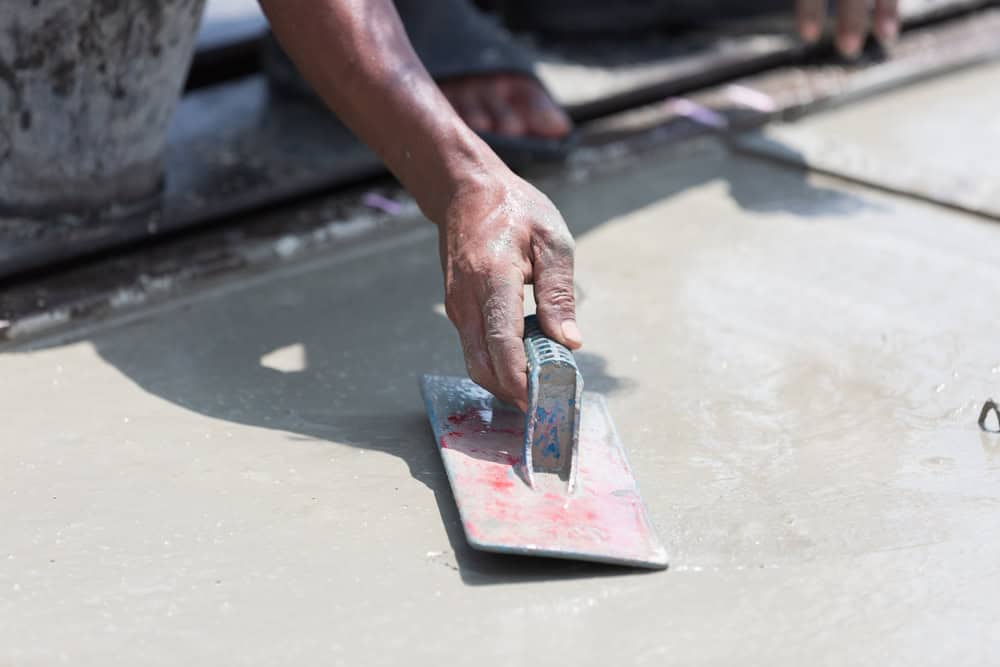
Your project starts with Iain meeting you on-site to understand what you want to achieve and assess your property’s specific conditions. We’re looking at drainage patterns, soil composition, sun exposure, and how you actually use your outdoor space.
Next comes detailed planning that accounts for Noyack’s sandy soil and coastal weather. We excavate to 8-10 inches minimum, install proper base layering, plan drainage systems, and use edge restraints that prevent shifting over time. This preparation work is where most contractors cut corners, and it’s where projects fail.
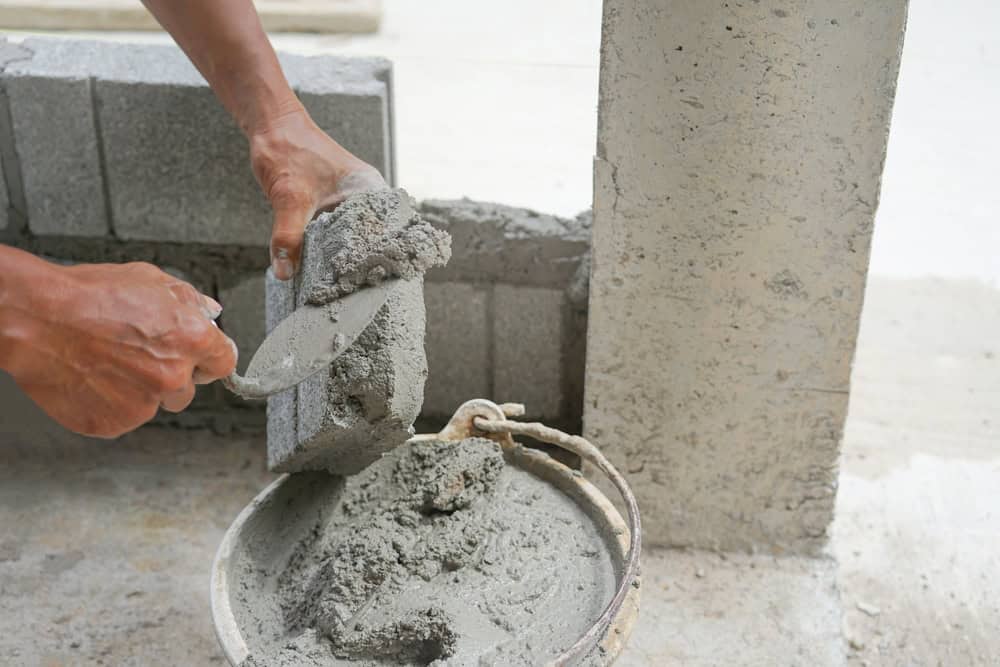
Installation follows proven techniques for coastal conditions. Our crews understand how materials behave in salt air and temperature swings. We use manufacturer-certified installation methods that void warranties when done wrong, but extend the life of your investment when done right.
Ready to get started?
Every project we complete addresses the specific challenges of building in Noyack’s coastal environment. You get proper foundation work that reaches below the frost line, drainage systems that handle our frequent rainfall and high water table, and material selection that resists salt air exposure.
Our paver installations use large-format options when appropriate because they create fewer joints vulnerable to freeze-thaw damage. Retaining walls incorporate drainage solutions that protect both the wall and surrounding areas. Outdoor kitchens include proper ventilation and utility integration without compromising design.
We handle permits, coordinate with utilities, and maintain direct communication throughout your project. No subcontractors, no project managers you’ve never met—just consistent crews who understand both the work and your expectations.

Most failures happen because contractors don’t understand Long Island’s specific conditions. Sandy soil requires deeper excavation and specialized base preparation that many contractors skip. When water gets into improperly prepared joints and freezes, it expands and causes cracking or shifting.
Salt air also accelerates deterioration of inferior materials. Contractors who use standard concrete pavers or cheap mortar see their work fail within a few seasons. We use materials specifically engineered for coastal conditions and follow manufacturer installation specifications that account for freeze-thaw cycles.
The foundation work matters most. Projects that excavate only 4-6 inches instead of the required 8-10 inches for our soil conditions will settle and shift. Proper base layering and drainage planning prevent the water accumulation that causes most masonry failures in our area.
A correctly installed patio using quality materials should last 20-30 years with minimal maintenance in Noyack’s conditions. The key factors are proper base preparation, appropriate material selection, and installation techniques that account for our sandy soil and coastal weather.
High-quality pavers from manufacturers like Cambridge or Techo-Bloc, when installed with proper excavation depth and base materials, actually improve over time. Natural stone like bluestone or granite develops character while maintaining structural integrity for decades.
Regular maintenance involves annual cleaning, occasional joint sand replacement, and sealing every 2-3 years for some materials. But when the foundation work is done right initially, you’re not dealing with major repairs or reconstruction. The upfront investment in proper installation saves thousands in future repairs.
We understand Noyack’s specific conditions and design solutions accordingly. Owner Iain Traynor is on every job site throughout the project, not just for estimates. You’re dealing directly with the person responsible for the work quality, not project managers or subcontractors.
Our certifications from major manufacturers mean we’re trained on proper installation techniques that maintain warranties. Many contractors void manufacturer warranties through improper installation, leaving you with no recourse when problems develop.
We also handle projects from start to finish—permits, utility coordination, material sourcing, and cleanup. You’re not coordinating multiple contractors or dealing with finger-pointing when issues arise. One company, one point of contact, one standard of quality throughout your project.
Drainage is critical for any masonry project in Noyack, and we evaluate water movement across your property before starting work. Long Island’s frequent rainfall and high water table create hydrostatic pressure that can damage improperly planned installations.
We design systems that direct water away from structures and prevent pooling around foundations. This includes proper grading, aggregate selection, and understanding how retaining walls can incorporate drainage solutions that protect both the wall and surrounding areas.
Permeable paver options allow rainwater to drain through the surface instead of running off, reducing flooding risk and preventing the water accumulation that causes freeze-thaw damage. These systems require specific expertise in base preparation and material selection to work effectively long-term.
Natural stone like granite and bluestone perform exceptionally well in our climate because they handle freeze-thaw cycles without deteriorating and resist salt air exposure. These materials actually develop attractive patina over time while maintaining structural integrity.
High-quality manufactured pavers from companies like Cambridge, Techo-Bloc, and Unilock are specifically engineered for coastal environments with enhanced resistance to freeze-thaw cycles and salt exposure. They offer design flexibility while providing reliable long-term performance.
We avoid materials like limestone or sandstone that have higher porosity and susceptibility to acid damage from salt air. The upfront cost of premium materials is offset by their longevity and minimal maintenance requirements compared to inferior options that need replacement within a few years.
Detailed planning before we start prevents the surprises that blow budgets and schedules. We assess site conditions, plan for permits, and coordinate utility work upfront rather than discovering issues mid-project. Our estimates include site preparation requirements and timeline expectations.
Direct communication with owner involvement means decisions get made quickly without waiting for project managers to relay information. We maintain consistent crews who understand both the work and your specific project requirements, eliminating the learning curve that slows progress.
We also handle material sourcing through established relationships with suppliers, ensuring availability and consistent pricing. Weather delays happen, but proper planning minimizes their impact. You know what to expect and when to expect it throughout your project.