Paver Patio in Yaphank, NY

Your Backyard Deserves Better Than Concrete

Get a paver patio in Yaphank that actually handles Long Island weather—built right the first time by licensed professionals.
Worker using a yellow plate compactor on soil next to newly laid gray stone tiles. The setup shows the process of flooring with tiles on one side and compacted earth on the other. Worker visible from the waist down.

Hear from Our Customers

A person wearing yellow gloves is placing a gray paver on a partially completed paved area. Nearby are additional pavers, a black and yellow rubber mallet, and an orange tape measure. Sand is visible next to the paved section.

Professional Paver Installation Yaphank

Finally, An Outdoor Space You'll Actually Use
You’re tired of that cracked concrete slab or patchy grass area that turns into a mud pit every time it rains. A properly installed paver patio changes everything. Your new space becomes the go-to spot for morning coffee, family barbecues, and evening conversations. No more worrying about water pooling against your foundation or uneven surfaces that make outdoor furniture wobble. The right paver installation handles Long Island’s freeze-thaw cycles, coastal moisture, and sandy soil conditions. You get a surface that stays level, drains properly, and looks the same in five years as it does on installation day.

Licensed Paver Contractor Yaphank NY

We Know Long Island Soil Conditions
Stone Escapes has been installing paver patios across Suffolk County since our early recognition in Cambridge Pavingstone’s magazine. Owner Iain Traynor brings union masonry training and hands-on carpentry experience to every Yaphank project. We’re licensed in Suffolk County and certified with Cambridge, Techo-Bloc, Unilock, Nicolock, Eldorado, and Boral. That means we know which materials actually hold up in Long Island conditions and which installation methods prevent the settling and shifting that plague other contractors’ work. You’ll work directly with Iain from estimate through completion. No project managers, no automated systems—just consistent communication and the same skilled crew throughout your project.
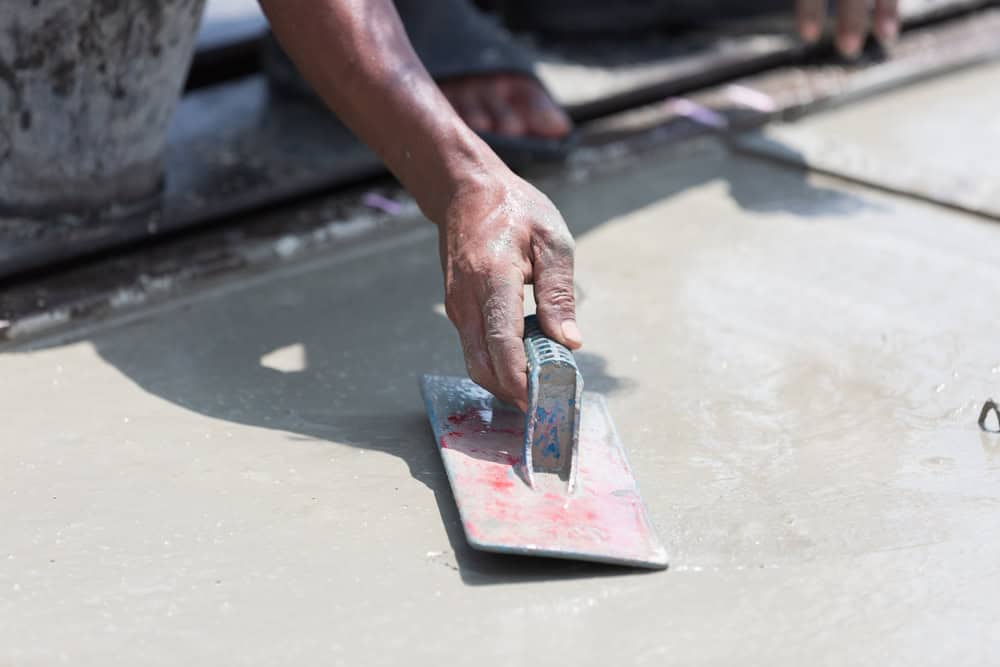
A person smoothing wet cement with a trowel. Their hand is steady as they work on the surface. The setting appears to be outdoors on a construction site.

Paver Patio Installation Process Yaphank

Here's How We Build Patios That Last
We start with proper excavation—8 to 10 inches deep to get below the frost line and account for Long Island’s sandy soil conditions. This isn’t where we cut corners. Next comes the base preparation with compacted recycled concrete aggregate in layers, each one properly tamped and checked for level. We install edge restraints to prevent shifting and plan drainage to direct water away from your foundation. The paver installation follows manufacturer specifications exactly. We use the right bedding sand depth, maintain proper joint spacing, and finish with polymeric sand that locks everything in place. Your patio gets a final cleaning and inspection before we consider the job complete.
A worker in a gray shirt and cap kneels on a partially paved surface, carefully placing a brick into an arrangement. A trowel and a leveling tool lie on the sand beside him, and a rubber mallet is nearby.

Ready to get started?

Explore More Services

About Stone Escapes Masonry & Outdoor Design

Get a Free Consultation

Interlocking Paver Installation Yaphank NY

What's Included In Your Yaphank Installation
Your paver patio installation covers everything from initial site preparation through final cleanup. We handle excavation, proper base layering with recycled concrete aggregate, edge restraint installation, and paver placement according to manufacturer specifications. Yaphank properties often deal with sandy soil and drainage challenges from Long Island’s coastal location. Our installation process accounts for these local conditions with deeper excavation and enhanced drainage planning that prevent water pooling and frost heave. We use certified materials from Cambridge, Techo-Bloc, Unilock, and other trusted manufacturers specifically chosen for Northeast weather resistance. Each project includes proper joint sand installation and edge restraints that keep your patio stable through Long Island’s seasonal temperature swings.
A pattern of interlocking gray concrete pavers, neatly arranged. Some pavers are stacked in piles of various heights, creating a visual texture. The blocks vary in size and shape, forming a symmetrical and geometric design.

How much does a paver patio cost in Yaphank, NY?

Most Yaphank homeowners spend between $30 and $45 per square foot for professional paver patio installation, which includes both materials and labor. The final cost depends on your patio size, paver material choice, and site conditions. A 200 square foot patio typically runs $6,000 to $9,000, while a larger 400 square foot space costs $12,000 to $18,000. Complex designs with curves or multiple levels increase the price due to additional cutting and labor time. We provide detailed estimates that break down material and labor costs so you know exactly what you’re paying for. No surprise charges or hidden fees—just transparent pricing for quality work.

Long Island’s freeze-thaw cycles crack concrete slabs, creating uneven surfaces and drainage problems. Paver patios handle this weather better because each piece moves independently, preventing large cracks from forming. Pavers also provide better drainage through the joints, which is crucial in Yaphank where sandy soil and coastal moisture can cause water management issues. If individual pavers do get damaged, you can replace just those pieces instead of redoing the entire surface. The installation flexibility means we can work around your existing landscape and utilities more easily than poured concrete. Plus, pavers come in colors and patterns that won’t fade or look dated in a few years.
Most paver patio installations in Yaphank take 3 to 5 days, depending on the size and complexity of your project. Weather can extend this timeline since we won’t work in conditions that compromise the installation quality. Day one covers excavation and initial base preparation. Days two and three involve base layering, compaction, and edge restraint installation. The final days handle paver placement, joint sand installation, and cleanup. We’ll give you a realistic timeline during your estimate and keep you updated if weather or site conditions require adjustments. Our goal is getting it done right, not getting it done fast.
Most paver patios in Yaphank don’t require permits, but some situations do need approval from Suffolk County. If you’re building close to property lines, adding drainage systems, or connecting to existing structures, permits might be required. We handle permit research and applications when needed as part of our service. Our experience with Suffolk County regulations means we know what triggers permit requirements and how to get approvals quickly. During your estimate, we’ll review your specific situation and let you know about any permit needs. This prevents delays and ensures your project meets all local requirements.
Cambridge Pavers with ArmorTec technology perform exceptionally well in Yaphank’s coastal climate. They resist freeze-thaw damage and maintain their color through years of sun exposure and salt air. Techo-Bloc and Unilock pavers also handle Long Island conditions well, offering durability and design flexibility. We avoid cheaper materials that crack or fade quickly in Northeast weather conditions. The key is proper installation more than material choice. Even premium pavers fail if the base preparation and drainage aren’t done correctly for Long Island’s sandy soil and moisture conditions.
Regular maintenance keeps your Yaphank paver patio looking great for decades. Sweep or blow off debris monthly, and rinse with water to prevent staining from leaves or salt air. Annual joint sand replenishment might be needed, especially after heavy rains or winter freeze-thaw cycles. We use polymeric sand that resists washout, but some settling is normal over time. Sealing every 2-3 years protects against stains and enhances color, though it’s not required for structural integrity. Avoid using rock salt for ice removal—sand or calcium chloride won’t damage the pavers or harm nearby plants.