Paver Patio in West Hills, NY

Your Backyard Gets the Upgrade It Deserves

Professional paver patio installation that handles West Hills weather and actually lasts decades.
Worker using a yellow plate compactor on soil next to newly laid gray stone tiles. The setup shows the process of flooring with tiles on one side and compacted earth on the other. Worker visible from the waist down.

Hear from Our Customers

A person wearing yellow gloves is placing a gray paver on a partially completed paved area. Nearby are additional pavers, a black and yellow rubber mallet, and an orange tape measure. Sand is visible next to the paved section.

West Hills Paver Patio Installation

No More Cracking, Settling, or Water Problems
Your current concrete patio probably shows the damage from Long Island’s brutal freeze-thaw cycles. Cracks, uneven sections, water pooling after storms—you’ve seen it all. Paver patios work differently. Each stone moves independently when the ground shifts, so your surface stays level instead of cracking like one giant slab. Water flows through the joints and away from your foundation, not pooling on top. The result? An outdoor space that looks the same in ten years as it does the day we finish. No major repairs, no resurfacing projects, no constant maintenance headaches.

Stone Escapes West Hills Contractors

We Actually Know West Hills Conditions
Stone Escapes Masonry & Outdoor Design Inc has been handling paver installations across Long Island for over 15 years. We understand the clay soil conditions in West Hills and how they affect drainage and settling. Every project gets proper base preparation designed for local conditions. We excavate to the right depth, use the correct materials, and grade everything to handle West Hills’ weather patterns. Owner Iain Traynor personally handles estimates and stays involved throughout your project. We’re licensed and insured in Suffolk County, Nassau County, East Hampton, and Southampton. More importantly, we show up when we say we will and finish what we start.

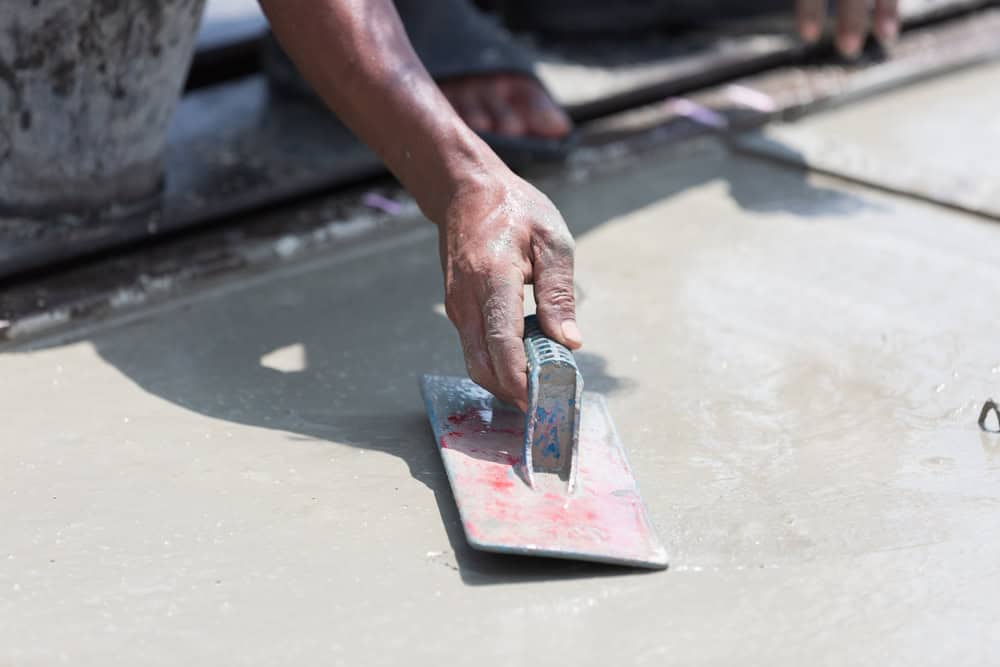
A person smoothing wet cement with a trowel. Their hand is steady as they work on the surface. The setting appears to be outdoors on a construction site.

Paver Patio Installation Process West Hills

Here's How We Build Patios That Last
We start with proper excavation—typically 8 to 10 inches deep to account for West Hills’ soil conditions. This isn’t where you cut corners if you want a patio that stays put. Next comes the base preparation. We install compacted aggregate base with proper drainage grading, then add the right bedding materials. This foundation work determines whether your patio lasts decades or needs repairs in a few years. Finally, we install your chosen pavers with precision cutting and fitting. Edge restraints keep everything locked in place, and we finish with polymeric joint sand application. The whole process typically takes 3-5 days depending on size, and your patio is ready to use immediately.
A worker in a gray shirt and cap kneels on a partially paved surface, carefully placing a brick into an arrangement. A trowel and a leveling tool lie on the sand beside him, and a rubber mallet is nearby.

Ready to get started?

Explore More Services

About Stone Escapes Masonry & Outdoor Design

Get a Free Consultation

West Hills Paver Patio Materials

Materials Built for Long Island Weather
We use manufacturer-certified pavers from Cambridge, Techo-Bloc, Unilock, Nicolock, Eldorado, and Boral. These aren’t the cheap options that crack during winter or fade in summer sun—they’re specifically rated for freeze-thaw cycles. In West Hills, we typically recommend concrete pavers or natural stone options that handle coastal moisture and temperature swings. Thickness matters too—we use appropriate specs based on your intended use and traffic patterns. The key difference is proper material selection combined with correct installation techniques. Quality pavers installed with adequate base preparation and drainage can last 30 to 50 years in Long Island’s climate. That’s not marketing talk—that’s what happens when you do it right the first time.
A pattern of interlocking gray concrete pavers, neatly arranged. Some pavers are stacked in piles of various heights, creating a visual texture. The blocks vary in size and shape, forming a symmetrical and geometric design.

How long do paver patios last in West Hills weather conditions?

Properly installed paver patios last 20-30 years or more in Long Island’s climate when using materials rated for freeze-thaw cycles. The key is correct base preparation and understanding local soil conditions. Quality pavers actually handle winter conditions better than poured concrete because individual units can move slightly without cracking. When the ground shifts due to freeze-thaw cycles, each paver adjusts independently instead of creating stress cracks across the entire surface. Poor installation with inadequate base preparation causes most premature failures, not the pavers themselves. That’s why we excavate to proper depth, use the right base materials, and account for West Hills’ clay soil drainage requirements.
Paver patios handle Long Island’s weather extremes much better than concrete slabs. Each paver moves independently when the ground shifts, so your surface stays intact instead of developing the stress cracks that plague concrete. The drainage alone makes pavers worth considering. Rather than water pooling on your patio during heavy summer storms, it flows through the joints and away from your foundation. This prevents the water saturation that leads to freeze-thaw damage. Individual pavers can also be replaced if damaged, making repairs easier than tearing up and replacing entire sections of concrete. You get a flexible system that adapts to ground movement rather than fighting it.
Proper drainage starts with correct grading during excavation. We slope the base away from your house and toward appropriate drainage areas, accounting for West Hills’ clay soil conditions that don’t drain quickly. Paver joints allow some water infiltration, but the real drainage happens in the base preparation. We install proper base materials that drain well and grade everything to direct water where it needs to go. In areas with clay soil like West Hills, we sometimes add drainage features to handle water that doesn’t infiltrate quickly. Poor drainage causes most paver problems, so we address it from the beginning rather than trying to fix issues later.
Yes, but only if the existing concrete is in good condition, properly sloped, and structurally sound. Cracked or settling concrete needs removal before paver installation to prevent future problems. When the concrete base is solid, we can install pavers over it using modified installation techniques. This saves excavation time and cost while still providing a quality result that looks great. However, installing over concrete limits some drainage benefits of traditional paver installation. We evaluate each situation individually to determine if overlay installation makes sense or if removal and proper base preparation is the better long-term solution for your specific conditions.
Paver patios need minimal maintenance when installed correctly. Annual joint sand replenishment and occasional cleaning handle most maintenance requirements for West Hills conditions. Power washing removes surface dirt and stains that accumulate from coastal moisture and seasonal weather. Sealing is optional but can enhance color and provide some stain protection against the elements. The main advantage over concrete is that maintenance involves simple repairs rather than major resurfacing or replacement projects. Weed growth in joints is prevented with proper joint sand or polymeric sand application during installation.
Most West Hills homeowners spend between $30 and $45 per square foot for professional paver patio installation, including both materials and labor to get it done right. This varies based on material choice, pattern complexity, and site conditions. Natural stone or specialty pavers cost more but offer different aesthetic benefits and longer lifespan. Additional costs may include existing patio demolition or special drainage requirements common in West Hills’ clay soil conditions. Fall through winter is actually optimal timing for paver installation in West Hills. You’ll find better pricing and availability during slower months, plus the cooler weather helps us perfect the foundation work that determines your patio’s longevity.