

Hear from Our Customers

You get a patio that drains properly during those heavy Long Island summer storms. Water flows through the joints instead of pooling against your foundation.
Each paver moves independently when the ground shifts with temperature changes. No large cracks splitting your entire surface like concrete does after a few freeze-thaw cycles.
The result? An outdoor space you can use for decades without constant repairs or resurfacing. Your investment holds its value and actually adds to your property’s worth.
We’ve been handling East Moriches paver patio projects for years. Owner Iain Traynor brings union masonry experience plus a carpenter’s attention to detail to every job.
We’re licensed across Suffolk and Nassau Counties because we understand what works here. Sandy soil, coastal moisture, drainage issues, freeze-thaw cycles – we’ve built patios that handle it all.
Every estimate, plan, and installation gets direct oversight. No automated systems or rotating crews. Just consistent work from people who know your neighborhood’s specific challenges.
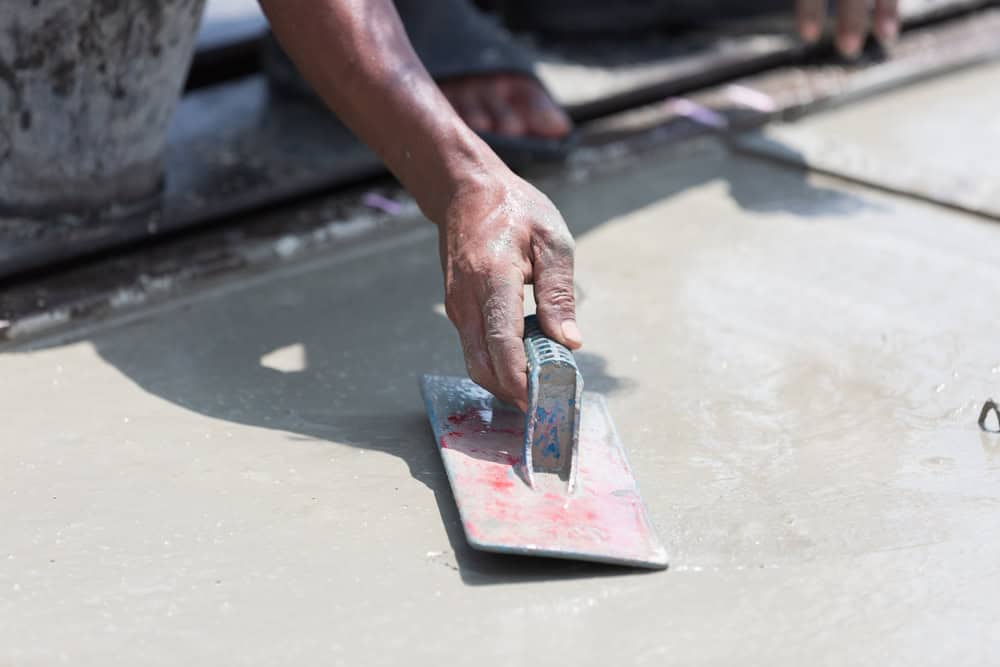
We start by excavating 8-10 inches deep, which goes below Long Island’s frost line. This prevents the ground movement that causes other patios to shift or settle over time.
Next comes the base layers – properly compacted crushed stone and sand that create a stable foundation. We install edge restraints that keep everything locked in place through temperature changes and ground movement.
The pavers go down with precise spacing for drainage and joint sand that allows water to flow through instead of pooling on top. Final compaction ensures everything stays level and secure for decades of use.

Ready to get started?
Every paver patio installation includes excavation below frost line, compacted base layers, proper drainage planning, and edge restraint systems. We use materials from certified manufacturers like Cambridge, Techo-Bloc, and Unilock.
For East Moriches properties, this means addressing the sandy soil conditions that can cause settling if not handled properly. We account for coastal moisture that other contractors might miss.
You also get direct communication throughout the project. No surprises, no miscommunication, no wondering what’s happening next. Just clear updates from the same crew that started your job.

A properly installed paver patio in East Moriches can last 30-50 years or more. The key is the installation quality, not just the materials.
Long Island’s freeze-thaw cycles are tough on any outdoor surface. But pavers handle this better than concrete because each piece moves independently. When the ground shifts, individual pavers adjust without creating large cracks.
The base preparation matters most for longevity. We excavate below the frost line and use compacted layers that prevent settling. This foundation work determines whether your patio lasts decades or starts showing problems in a few years.
Drainage and flexibility are the two biggest advantages. Long Island gets heavy summer storms and concrete patios often pool water against your foundation. Paver joints allow water to flow through and away from your home.
Concrete also cracks from our freeze-thaw cycles. When moisture gets into concrete and freezes, it expands and creates cracks that keep getting worse. Individual pavers can move with ground changes without this cracking problem.
If damage does occur, you can replace individual pavers instead of tearing up and replacing an entire concrete slab. Much easier and less expensive to maintain over time.
Most paver patio projects in East Moriches don’t require permits because they’re not considered permanent structures like concrete. But there are exceptions based on size and location.
If you’re building near property lines, adding drainage features, or creating a large patio, permits might be required. Suffolk County and local townships have specific requirements we’re familiar with.
We handle the permit research and application process if needed. It’s easier to check upfront than deal with compliance issues later. Plus we know which projects typically need permits and which don’t.
Drainage planning starts with the excavation and base preparation. We grade everything with a slight slope away from your home so water moves in the right direction naturally.
The paver joints themselves provide drainage that concrete can’t match. Water flows through these spaces instead of sitting on the surface or running off in sheets that can cause erosion.
For properties with more complex drainage needs, we can install subsurface drainage systems during construction. This includes perforated pipes that carry water to safe areas away from your foundation and patio.
We use pavers specifically rated for freeze-thaw resistance from manufacturers like Cambridge, Techo-Bloc, and Unilock. Not all pavers handle Northeast weather the same way.
Concrete pavers engineered for cold climates offer excellent performance at reasonable cost. Natural stone options like granite and bluestone also work well but cost more upfront. The key is choosing materials that won’t crack during temperature swings.
Color retention matters too since Long Island gets plenty of sun exposure. We stick with pavers that maintain their appearance through years of weather cycles without fading or deteriorating.
Fall through early spring is actually ideal for paver patio installation on Long Island. The cooler, wetter conditions help us perfect the foundation work that determines long-term performance.
You’ll also find better pricing during slower months when demand is lower. Most homeowners think spring and summer, but the ground conditions and our availability are often better in fall and winter.
The installation itself isn’t affected by cold weather like concrete work would be. We can work through most of Long Island’s winter conditions and have your patio ready for spring use.