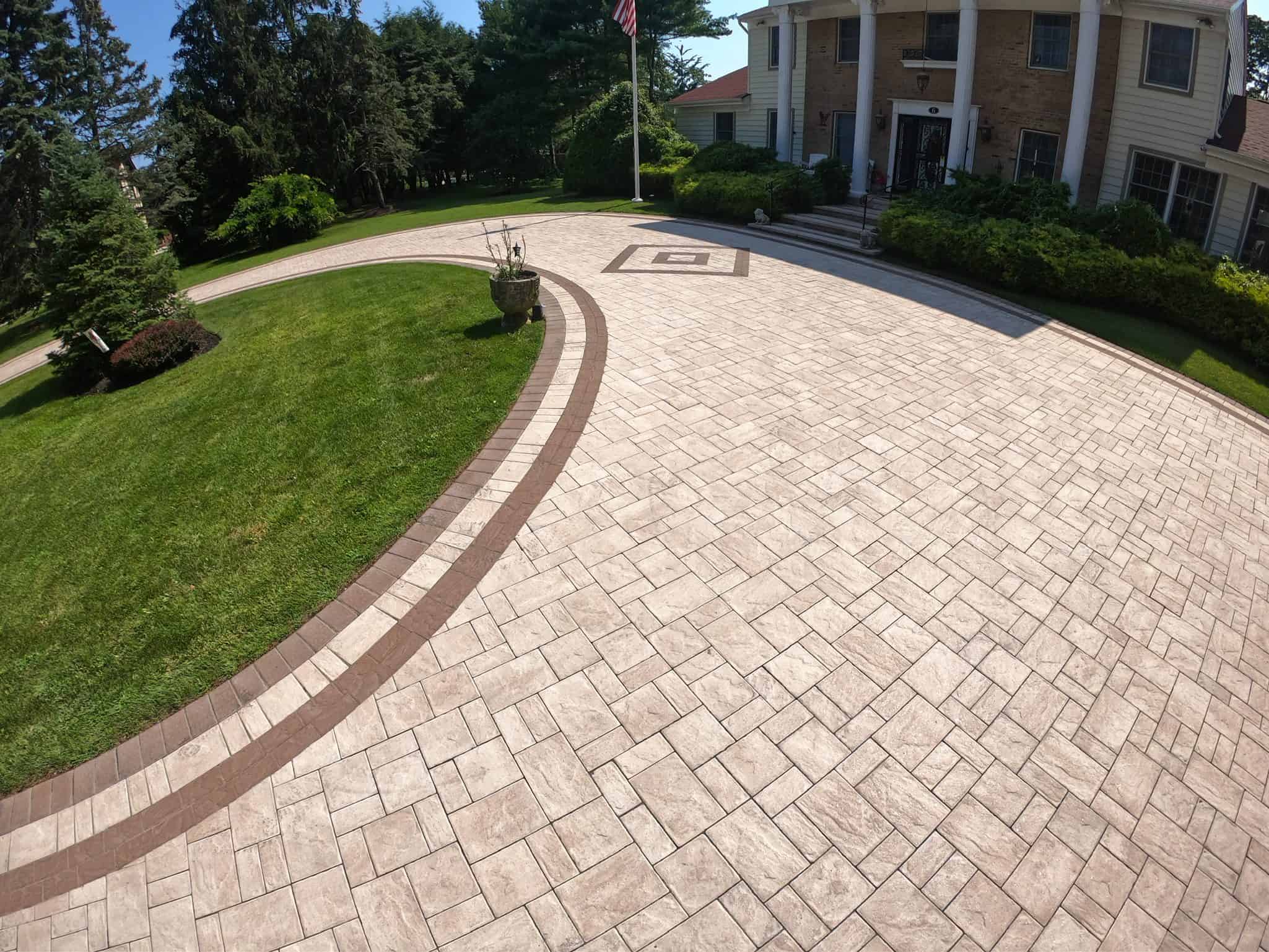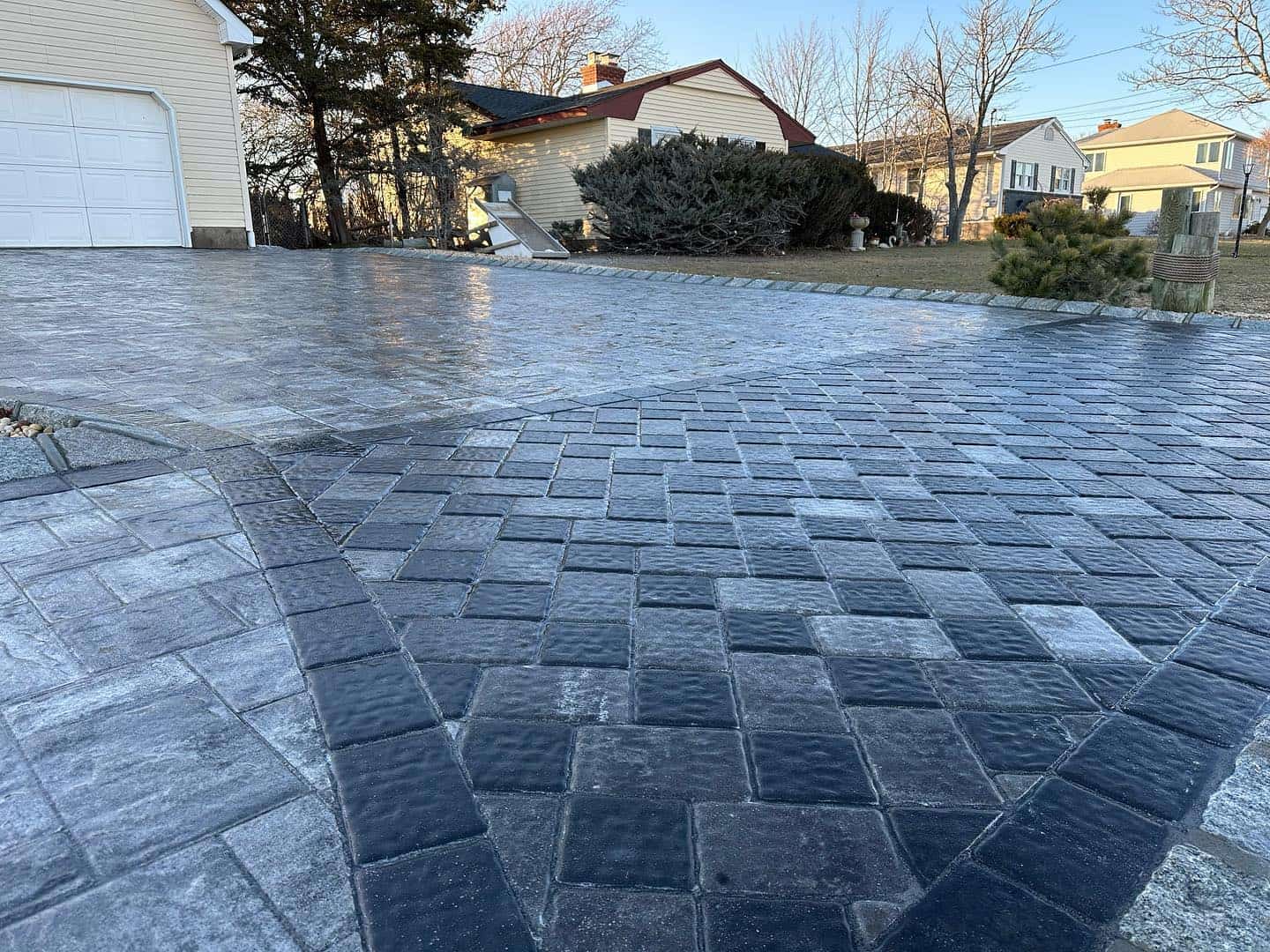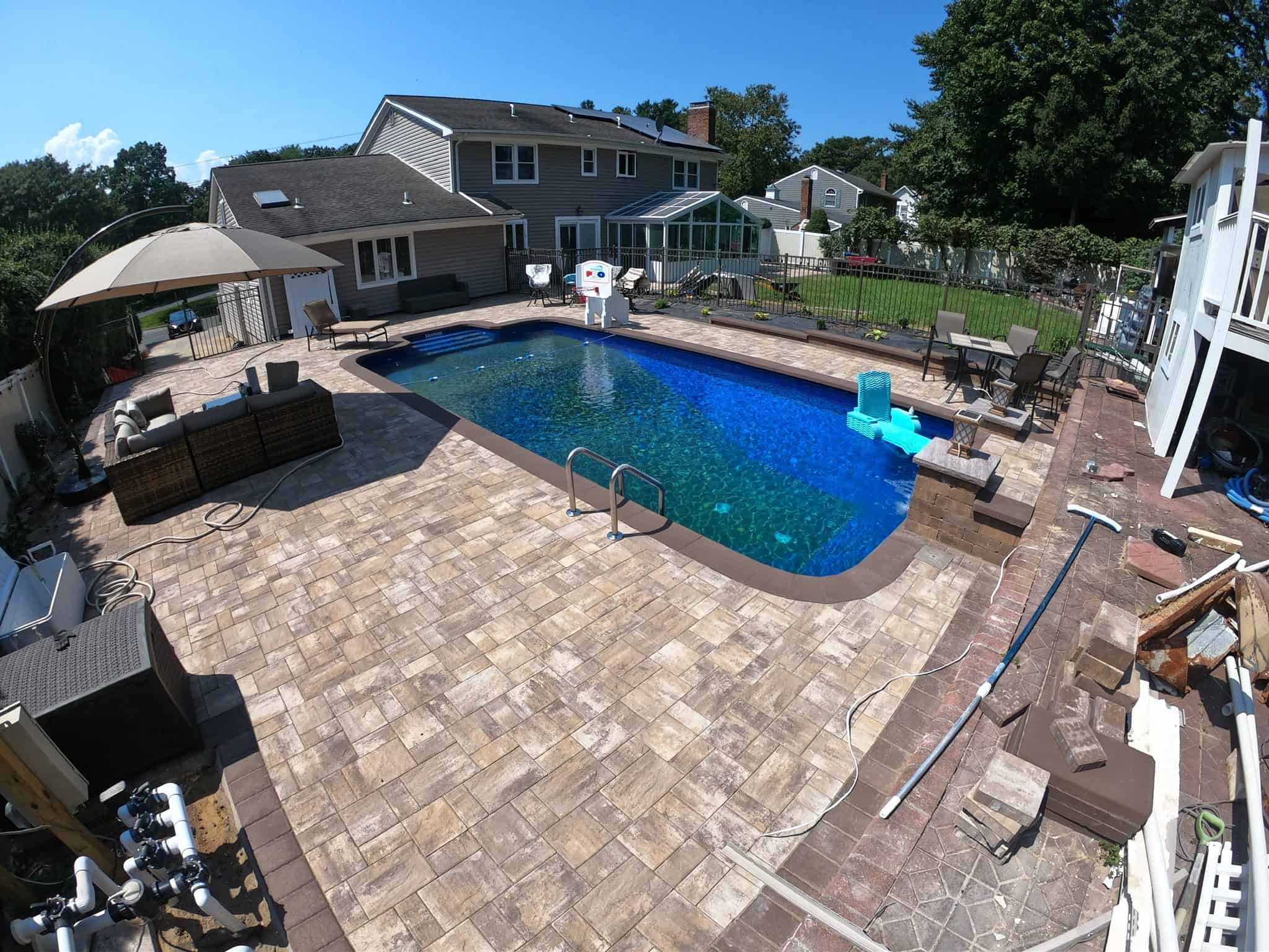
Learn expert techniques Long Island masonry contractors use to seamlessly blend hardscaping with landscaping for functional, beautiful outdoor living spaces.
Share:

Summary:
Long Island presents specific environmental factors that make outdoor space integration more complex than other regions. The sandy soil composition throughout Suffolk County creates drainage patterns that affect both hardscape stability and plant selection.
Coastal moisture levels fluctuate seasonally, creating conditions where improper integration leads to shifting pavers, waterlogged plant beds, or erosion issues. We factor these variables into every design decision, ensuring your investment performs well regardless of weather conditions.
The freeze-thaw cycles common in Nassau and Suffolk counties demand materials and installation techniques that accommodate expansion and contraction. This reality shapes everything from foundation depth to plant placement around stone features.
Suffolk County’s predominantly sandy soil requires specific approaches to hardscape and landscape integration. Unlike clay-heavy regions, sandy soil drains quickly but lacks the cohesive properties that naturally stabilize structures.
We address this through proper excavation—typically 8 to 10 inches deep—followed by engineered base layers that create stability for both hardscape elements and adjacent planting areas. This foundation work prevents the shifting that commonly affects poorly planned projects.
Our integration process includes installing edge restraints that serve dual purposes: they keep pavers and stones in place while creating defined borders for landscaping elements. This approach ensures clean lines between hardscape and planted areas while preventing soil migration that can undermine both components.
Drainage planning becomes critical in sandy soil conditions. We create systems that direct water away from structures while ensuring planted areas receive adequate moisture. This might involve grading that slopes away from patios while creating subtle berms that capture water for nearby plantings.
Plant selection must complement the drainage characteristics created by hardscape elements. Deep-rooted plants near retaining walls help prevent erosion, while shallow-rooted varieties work well in areas where hardscape creates specific moisture conditions.
Suffolk County’s predominantly sandy soil requires specific approaches to hardscape and landscape integration. Unlike clay-heavy regions, sandy soil drains quickly but lacks the cohesive properties that naturally stabilize structures.
We address this through proper excavation—typically 8 to 10 inches deep—followed by engineered base layers that create stability for both hardscape elements and adjacent planting areas. This foundation work prevents the shifting that commonly affects poorly planned projects.
Our integration process includes installing edge restraints that serve dual purposes: they keep pavers and stones in place while creating defined borders for landscaping elements. This approach ensures clean lines between hardscape and planted areas while preventing soil migration that can undermine both components.
Drainage planning becomes critical in sandy soil conditions. We create systems that direct water away from structures while ensuring planted areas receive adequate moisture. This might involve grading that slopes away from patios while creating subtle berms that capture water for nearby plantings.
Plant selection must complement the drainage characteristics created by hardscape elements. Deep-rooted plants near retaining walls help prevent erosion, while shallow-rooted varieties work well in areas where hardscape creates specific moisture conditions.
Successful integration starts with understanding that hardscape and landscape elements must work together functionally before they can look good together. This means planning drainage, access, and maintenance requirements as a unified system.
The most effective designs create visual flow between stone and planted elements while maintaining distinct functional zones. This approach gives you defined spaces for different activities while ensuring the overall design feels cohesive rather than choppy.
Scale relationships matter significantly in integration work. Oversized hardscape elements can overwhelm plantings, while undersized stone features get lost among mature landscaping. We balance these proportions based on your property’s specific dimensions and intended uses.
The longevity of integrated outdoor spaces depends heavily on choosing materials that perform well together under Long Island conditions. This goes beyond aesthetic compatibility to include expansion rates, drainage characteristics, and maintenance requirements.
Natural stone choices must consider how they’ll weather alongside selected plants. Some stones develop patina that complements certain foliage colors, while others maintain consistent appearance that provides stable visual anchors for changing seasonal displays.
Paver materials need compatibility with root systems of nearby plants. Certain pavers allow better water and air penetration, supporting healthier plant growth, while others create barriers that require modified planting approaches.
The base materials we use under hardscape elements affect drainage patterns that influence plant health in adjacent areas. Proper integration includes base selection that supports both structural stability and appropriate moisture levels for nearby plantings.
Joint materials between pavers and stones impact the integration success. Some joint fillers allow plant growth that softens the transition between hardscape and landscape, while others create clean separations that emphasize the contrast between elements.
Color relationships between stone materials and plant selections create the visual cohesion that makes integration successful. This includes considering how seasonal foliage changes will affect the overall appearance throughout the year.
The order of installation significantly affects the success of hardscape and landscape integration. Proper sequencing protects completed work while ensuring each phase supports the next.
Hardscape installation typically occurs first, establishing the structural framework and drainage patterns that influence landscape placement. This sequence prevents damage to plantings from heavy equipment and allows for precise grading around completed stone work.
Utility installation—including irrigation, lighting, and drainage systems—must coordinate between hardscape and landscape phases. We plan these systems during design to avoid conflicts that require expensive modifications later.
Soil preparation for planted areas considers the compaction and grade changes created during hardscape installation. This might involve importing specific soil types or amendments that work well with the drainage patterns established by stone features.
Plant installation timing affects establishment success, particularly around hardscape elements that influence moisture and temperature conditions. Some plants benefit from installation before hardscape completion, while others perform better when installed after stone work creates their final microclimate.
Final grading and detail work require coordination between hardscape and landscape elements to ensure proper drainage and visual flow. This phase often reveals integration opportunities that weren’t apparent during initial planning.
Successful integration of hardscaping and landscaping requires understanding both the technical demands of Long Island’s environment and the design principles that create lasting beauty. We bring experience with local soil conditions, climate challenges, and material performance.
Your outdoor space investment deserves the expertise that comes from working specifically in Suffolk County conditions. The difference shows in projects that maintain their beauty and functionality year after year, rather than requiring constant repairs or modifications.
When you’re ready to create an outdoor space that truly integrates hardscape and landscape elements, Stone Escapes Masonry & Outdoor Design Inc brings the local expertise and comprehensive approach that ensures lasting results for your Long Island property.
Article details:
Share:
Continue learning: