

Hear from Our Customers

You’re tired of contractors who don’t understand Long Island. They skip proper excavation, ignore drainage, and use shortcuts that fail after the first winter. You end up with cracked pavers, shifting walkways, and water pooling where it shouldn’t.
Here’s what changes when masonry is done right. Your patio stays level through freeze-thaw cycles. Water drains away from your foundation instead of pooling against it. Your investment looks as good in year ten as it did on day one.
We excavate 8-10 inches deep, install proper base materials, and plan drainage from the start. Every project accounts for West Islip’s sandy soil and coastal weather patterns that other contractors ignore.
We’ve served West Islip and Suffolk County since 2019, but owner Iain Traynor brings decades of masonry experience from his union background with Local 1 Bricklayers in Manhattan. He learned the trade working alongside his father, a master carpenter from Scotland.
We hold licenses in Suffolk County, Nassau County, Southampton, and East Hampton. We’re certified installers for Cambridge, Techo-Bloc, Unilock, Nicolock, Eldorado, and Boral. Our BBB A+ rating reflects the quality West Islip homeowners expect.
What sets us apart is direct owner involvement. Iain personally handles every estimate and remains on-site throughout your project. No subcontractors, no surprises, no wondering who’s actually doing the work.
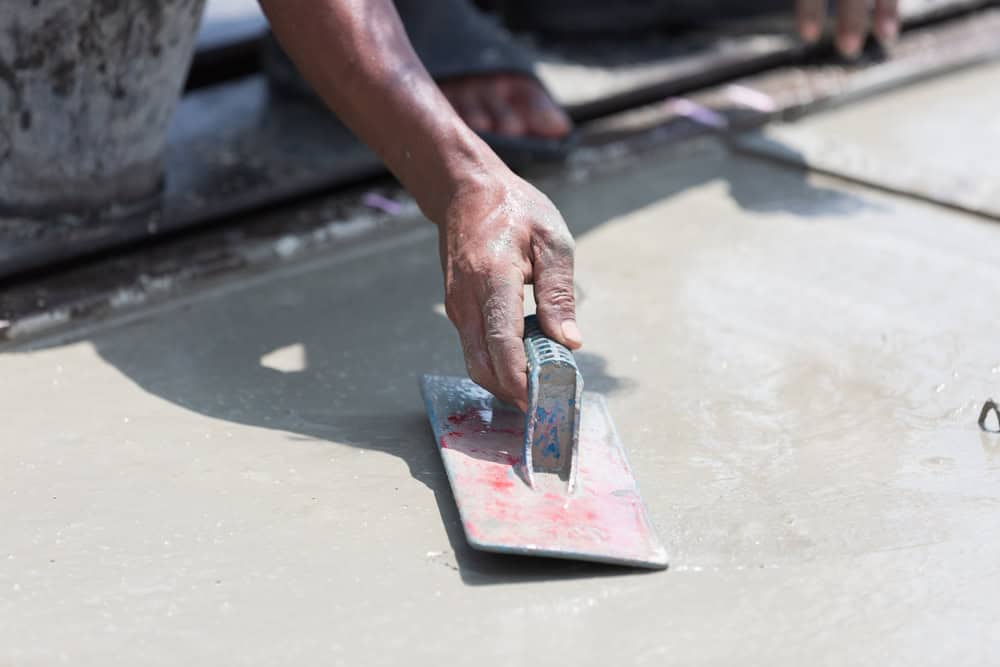
First, we assess your property’s specific conditions. West Islip’s sandy soil and proximity to water create drainage challenges that require different approaches than inland areas. We evaluate grade, existing drainage, and soil composition before recommending solutions.
Next, we excavate to proper depth – typically 8-10 inches to get below the frost line and create stable foundation. We install crushed stone base with proper compaction, then add sand leveling course. This prevents the settling and shifting that destroys other installations.
During installation, we maintain consistent crews and direct supervision. Edge restraints go in properly to prevent paver movement. Drainage gets built in, not added as an afterthought. When we’re done, we walk through everything with you and handle complete cleanup.
Ready to get started?
Our masonry services include paver patios, driveways, walkways, retaining walls, outdoor kitchens, fire features, and poolscape installations. Every project addresses West Islip’s specific environmental challenges.
Long Island’s sandy soil drains quickly but can create concentrated water flow that undermines foundations. We design proper drainage systems with French drains and gravel backfill to handle high water table conditions. Our installations account for salt air exposure and storm surge considerations that demand corrosion-resistant materials.
Freeze-thaw cycles are particularly damaging here. Water penetrates small openings, freezes, expands, and progressively worsens damage each season. We use frost-resistant materials and ensure foundations extend below the 30-36 inch frost line to prevent wall failure over time.

In West Islip and throughout Suffolk County, masonry foundations need to extend 30-36 inches deep to reach below the frost line. This prevents frost heave that can cause wall failure over time.
Long Island’s freeze-thaw cycles are particularly damaging to shallow installations. Water penetrates the soil, freezes during winter, and expands, creating upward pressure that shifts and cracks masonry work. Proper depth is crucial for long-term stability.
We excavate to the correct depth for every project, install crushed stone base with proper compaction, and use frost-resistant materials designed for our coastal climate conditions.
West Islip’s sandy soil composition creates unique drainage challenges. While sand drains quickly, it can create concentrated water flow that undermines masonry foundations if not properly managed.
The area’s proximity to water means higher humidity, more severe freeze-thaw cycles, and occasional storm surge conditions. Poor drainage allows water infiltration that leads to structural weakening, efflorescence, and accelerated wear.
We install enhanced drainage systems with French drains, proper gravel backfill, and weep holes where needed. Every installation includes drainage planning from the start, not as an afterthought when problems develop.
Quality paver installations should last 25-30 years or more when properly installed for Long Island conditions. The key is addressing our specific environmental challenges from the start.
Cheap installations fail within 5-10 years due to inadequate base preparation, poor drainage, or materials not suited for coastal weather. Proper excavation depth, base compaction, and edge restraints prevent the shifting and settling that destroys other work.
We use manufacturer-certified materials from Cambridge, Techo-Bloc, Unilock, and other premium brands. Combined with proper installation techniques, this ensures your investment performs reliably for decades.
Price differences reflect the depth of work being done. Cheap contractors skip proper excavation, use inadequate base materials, and ignore drainage requirements that are crucial in West Islip.
Quality masonry requires excavating 8-10 inches deep, installing proper base layers with compaction, planning drainage systems, and using materials designed for Long Island’s coastal conditions. These steps take time and cost more upfront.
The real cost comes later when cheap work fails. Replacing a failed patio or driveway costs far more than doing it right the first time. You’re investing in fewer repairs, better performance, and protection for your property.
In West Islip, masonry contractors should hold proper Suffolk County licensing and be registered with local municipalities. Different townships have varying requirements for permits and inspections.
We maintain licenses in Suffolk County (#HI-62761), Nassau County (#167041), Southampton (#L005914), and East Hampton (#9808). This allows us to handle permits and inspections across Long Island without delays or complications.
Licensed contractors carry proper insurance, understand local building codes, and follow established procedures for permits and inspections. This protects you from liability and ensures work meets current standards.
Late spring through early fall is ideal for masonry work in West Islip, typically May through October. Mortar needs temperatures above 40°F to cure properly, and we need several days without hard frost after installation.
Summer can be challenging due to heat affecting mortar working time, but it’s manageable with proper techniques. Winter work is possible but requires special cold-weather materials and procedures that add complexity and cost.
Planning your project for optimal weather conditions ensures proper curing, reduces complications, and delivers better long-term results. We schedule projects to take advantage of the best working conditions for your specific installation.