

Hear from Our Customers

Your masonry project faces conditions that destroy standard construction. Long Island’s sandy soil shifts under pressure. Coastal moisture penetrates inadequate foundations. Freeze-thaw cycles crack structures built without proper preparation.
Most contractors excavate 6 inches and wonder why projects fail within three years. We go 8-10 inches deep because we understand how Selden’s soil behaves. Proper base preparation, drainage planning, and materials selection designed specifically for Long Island conditions.
When your neighbors are dealing with settling patios and cracked driveways, your structures remain level and solid. That’s the difference between contractors who understand Long Island conditions and those who don’t.
Stone Escapes Masonry & Outdoor Design operates with full licensing in Suffolk County, Nassau County, East Hampton, and Southampton. Owner Iain Traynor personally handles estimates and project oversight—you deal directly with the person responsible for quality.
We maintain certifications from Cambridge, Techo-Bloc, Unilock, Nicolock, Eldorado, and Boral because manufacturer standards matter. But certifications mean nothing without understanding how Long Island’s sandy soil, coastal moisture, and freeze-thaw cycles affect construction.
Every Selden project gets the same approach: thorough site assessment, excavation to proper depth for local soil conditions, quality materials, and drainage systems that work with Long Island’s climate instead of fighting it.
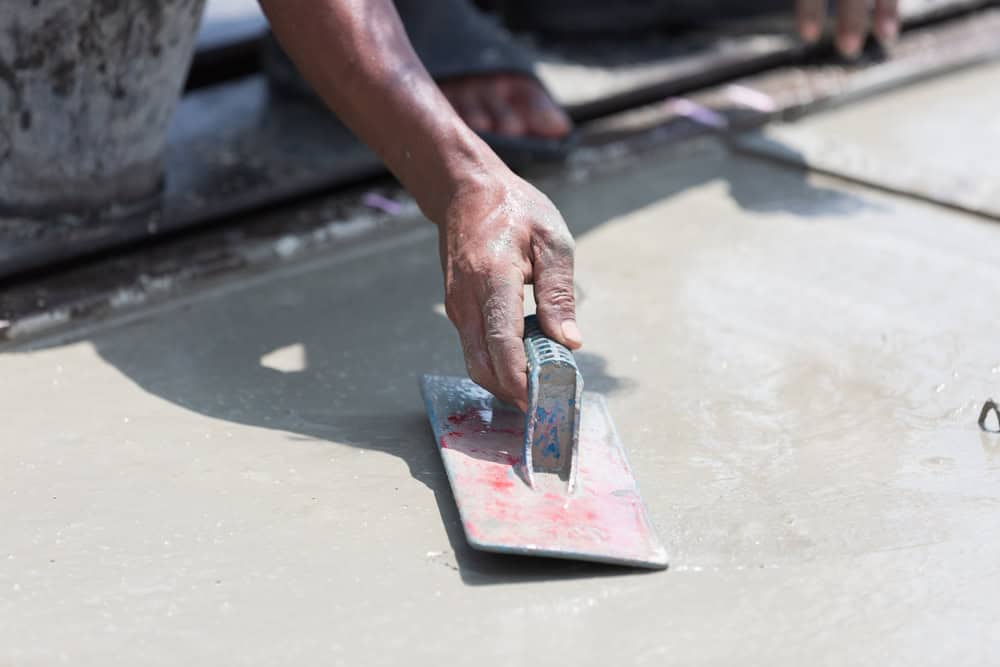
Site assessment comes first. Iain evaluates your property’s soil conditions, drainage patterns, and existing issues personally. Long Island properties have unique characteristics that affect construction methods and material selection.
Excavation goes to proper depth—8 to 10 inches minimum, deeper for challenging conditions. Base preparation uses materials specifically chosen for sandy Long Island soil with compaction methods that create stable foundations. Drainage planning happens now, preventing problems before they start.
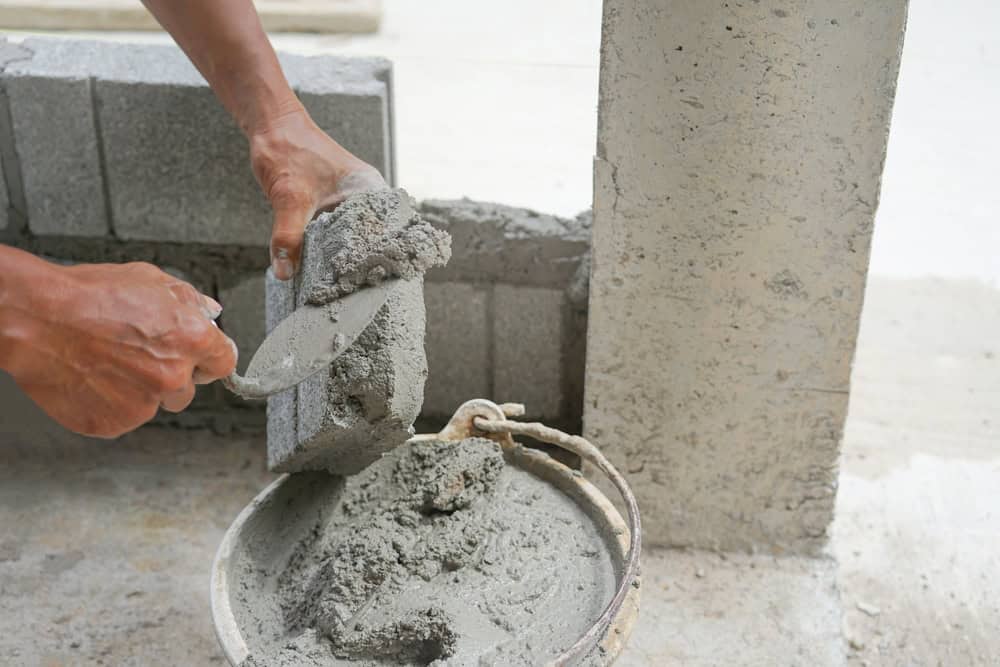
Construction follows manufacturer specifications adapted for local conditions. Edge restraints rated for soil movement. Materials selected for coastal climate exposure. Installation techniques that account for freeze-thaw cycles. You get direct communication throughout, not project managers who’ve never done the work.
Ready to get started?
We handle paver patios, driveways, walkways, retaining walls, outdoor kitchens, fire features, water features, and poolscape installations. Each service addresses Selden’s specific soil and climate challenges with construction methods most contractors don’t understand.
Local properties deal with sandy soil requiring specialized foundation techniques, seasonal water table fluctuations affecting drainage design, and coastal weather exposure demanding specific material selection. Standard construction methods fail here within a few years.
Projects include manufacturer warranties backed by installation quality that meets Long Island’s demanding conditions. Proper foundation work, drainage systems designed for local climate, and materials selected for freeze-thaw cycles and coastal moisture exposure. Direct oversight ensures consistent quality from excavation to final cleanup.

Long Island’s sandy soil shifts easily, and most contractors don’t understand the specialized foundation requirements. Standard 6-inch excavation fails here because it doesn’t account for soil movement and drainage challenges.
We excavate 8-10 inches minimum with base materials specifically designed for sandy soil conditions. Proper edge restraints prevent shifting, and drainage systems handle seasonal water table changes. Coastal climate requires materials and installation techniques that withstand freeze-thaw cycles and moisture exposure that destroy standard construction.
The difference shows up within two years—properly built structures stay level while inadequate work settles, cracks, and requires expensive repairs.
With proper installation designed for Long Island conditions, expect 20-30 years or more from quality masonry work. The key is foundation preparation that accounts for local soil behavior and climate challenges.
Our approach includes excavation below frost line, base compaction methods for sandy soil, and drainage systems that handle coastal moisture and seasonal changes. Manufacturer certifications provide material warranties, but installation quality determines actual performance. Cutting corners on foundation work costs significantly more in repairs and replacement.
Properly installed masonry in Selden should show minimal settling, no edge separation, and consistent drainage performance year after year.
Suffolk County requires permits for retaining walls over specific heights, structures near property lines, and certain patio installations. We handle permit applications and ensure work meets current building codes.
Licensed contractors understand local requirements and inspection processes. Some projects need engineered plans, particularly for retaining walls or challenging site conditions. We coordinate with Suffolk County building departments and handle paperwork so your project proceeds without delays or compliance issues.
Working without permits risks fines, forced removal, and problems when selling your property. Proper permitting protects your investment and ensures work meets safety standards.
Long Island’s predominantly sandy soil, coastal climate, and high water table create construction challenges that standard methods can’t handle. Contractors from other areas often fail here because they don’t understand these conditions.
Sandy soil requires deeper excavation, specialized base materials, and edge restraint systems that prevent shifting. Coastal moisture affects material selection and curing processes. Freeze-thaw cycles demand specific installation techniques. High water table requires proactive drainage planning, not reactive solutions.
These factors require specialized knowledge and experience that general contractors typically lack. The cost of proper installation is minimal compared to repair expenses from inadequate work.
Drainage planning happens during design phase, not as an afterthought. Long Island’s high water table, sandy soil, and coastal location require proactive water management to prevent structural failure.
We install drainage systems with French drains and gravel backfill designed for local soil conditions. Base preparation includes materials that drain effectively while maintaining structural stability. Proper grading directs surface water away from structures. Edge restraints and joint materials prevent water infiltration that causes shifting in sandy soil.
Reactive drainage solutions after problems appear cost significantly more and often require partial reconstruction. Proper planning prevents these expensive issues.
As licensed contractors, we understand Suffolk County building codes, permit requirements, and construction standards specific to Long Island conditions. We’re accountable to regulatory oversight and carry proper insurance protection for your property.
Unlicensed contractors often use inadequate foundation methods and don’t understand local soil and climate challenges. When problems arise—and they will with improper installation—you have no recourse for repairs or replacement costs. Licensed contractors provide warranties, handle permits correctly, and use installation methods proven for Long Island conditions.
The small cost difference between licensed and unlicensed work is insignificant compared to repair expenses, permit violations, and insurance issues from inadequate construction.