

Hear from Our Customers

You’re dealing with cracking patios, settling walkways, or drainage problems that keep getting worse each winter. The freeze-thaw cycles are brutal on masonry work that wasn’t built right the first time.
What you get with properly installed masonry is different. Your outdoor spaces become the focal point of your property—spaces where you actually want to spend time. Your drainage issues disappear because we build with Long Island’s soil conditions in mind from day one.
The real benefit shows up years later when your neighbors are dealing with repairs and replacements while your installation still looks and functions like new. That’s what happens when masonry work is designed specifically for Suffolk County conditions.
We’ve been serving Nassau and Suffolk Counties since Stone Escapes gained early exposure through Cambridge Pavingstone publications. Owner Iain Traynor brings a background in carpentry and union masonry work, staying actively involved in every estimate, planning session, and project execution.
We hold certifications from Cambridge, Techo-Bloc, Unilock, Nicolock, Eldorado, and Boral—the manufacturers whose materials actually hold up to coastal conditions. Licensed in Suffolk, Nassau, and various Long Island townships, we understand the local building requirements that affect your project.
The difference is in understanding Melville’s specific challenges. Sandy soil that drains too quickly in some areas, clay that expands and contracts in others, and the constant freeze-thaw cycles that destroy inferior installations. We’ve been solving these problems long enough to know what works.
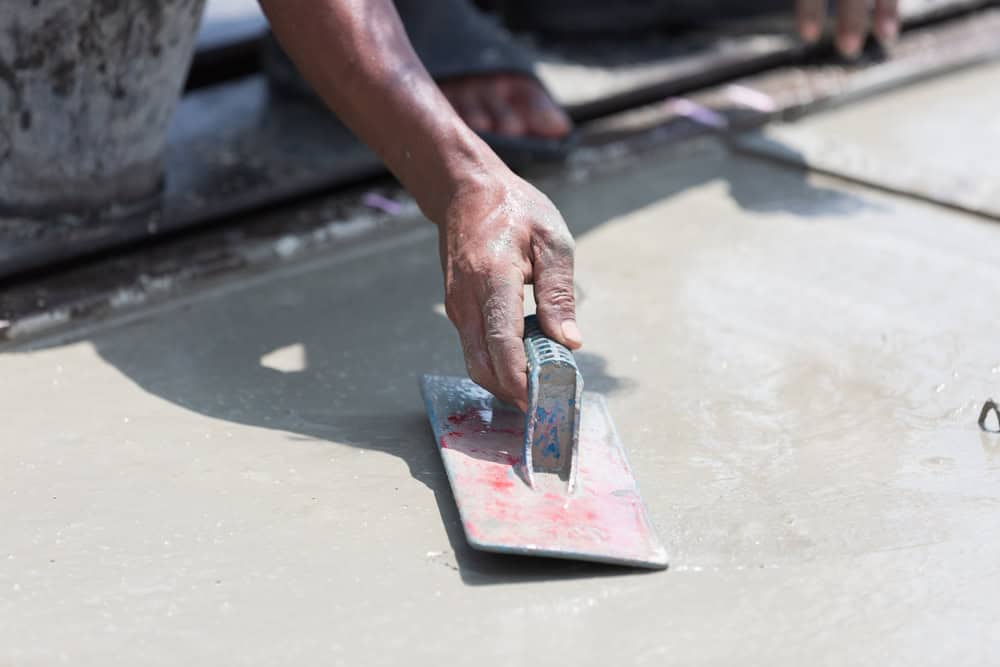
Every project starts with an in-person assessment of your property’s specific conditions. We examine soil composition, drainage patterns, and existing structures to understand what you’re working with. No phone estimates or generic solutions.
Site preparation involves excavating to 8-10 inches deep—deeper than most contractors go, but necessary for Long Island conditions. We install proper base layering with the right materials for your soil type, whether it’s the sandy coastal areas or the clay-rich inland sections around Melville.
Drainage planning happens before we place the first stone or brick. This isn’t an afterthought—it’s engineered into the foundation to prevent the hydrostatic pressure and water infiltration that destroy masonry work over time. Edge restraint installation ensures your investment won’t shift or crack as the ground moves through seasonal changes.
Ready to get started?
Our masonry services include paver patios, driveways, walkways, retaining walls, outdoor kitchens, fire features, water features, and poolscape installations. Each service addresses the specific environmental challenges that Melville properties face.
Retaining walls get special attention because of Long Island’s varied soil composition. Sandy areas require different foundation approaches than clay-rich sections, and our installations account for the seasonal water level fluctuations common to coastal properties. We build walls that manage slopes and prevent soil erosion for decades, not just years.
Outdoor kitchens and fire features are designed with salt air exposure in mind. The materials we use and the installation techniques we employ prevent the deterioration that affects inferior coastal installations. When you’re investing in outdoor living spaces, you need contractors who understand that Melville’s proximity to water creates different challenges than inland properties face.

Properly installed masonry work lasts 50-100+ years in Long Island’s climate when built with the right materials and techniques. The key is understanding local conditions from the start.
Long Island’s freeze-thaw cycles are particularly hard on masonry, but installations that account for these conditions from day one perform significantly better. We excavate deeper than standard requirements, use materials rated for coastal conditions, and engineer drainage systems that prevent water infiltration.
The installations that fail early are usually the ones where contractors used inland techniques for coastal conditions, or skipped the foundation preparation that Long Island’s sandy and clay soils require. When masonry work is designed specifically for Suffolk County conditions, it outlasts the house itself.
Long Island presents a unique combination of challenges that most contractors don’t fully understand. The soil composition varies dramatically—from sandy coastal areas that drain too quickly to clay-rich inland sections that expand and contract with moisture changes.
Coastal proximity means salt air exposure, higher humidity, and more severe freeze-thaw cycles than inland areas experience. These conditions require different materials, sealers, and installation techniques than standard masonry work. Many contractors use the same approaches everywhere, which is why so many Long Island installations fail prematurely.
The high water table and seasonal water level fluctuations also affect foundation requirements. Proper installations need foundations 30-36 inches deep to reach below the frost line, plus specialized drainage systems designed for Long Island’s specific soil and water conditions.
Drainage isn’t something we add after the fact—it’s engineered into every installation from the foundation up. Long Island’s rainfall patterns and soil conditions create specific drainage challenges that require proactive solutions.
We start with proper site evaluation to understand existing water flow patterns and soil composition. Base preparation includes the right materials for your specific soil type, whether it’s sandy coastal soil that drains quickly or clay that holds water. Drainage systems are installed during construction, not retrofitted later.
For retaining walls and patio installations, we include weep holes, proper gravel backfill, and French drains where needed. The goal is preventing hydrostatic pressure buildup that destroys masonry work over time. When water has a clear path away from your installation, the structure lasts decades longer.
Look for contractors licensed in Nassau and Suffolk Counties who hold manufacturer certifications from established brands. We maintain certifications from Cambridge, Techo-Bloc, Unilock, Nicolock, Eldorado, and Boral because these manufacturers back their materials with real warranties.
Local licensing matters because Nassau and Suffolk Counties have specific requirements that affect masonry work. Contractors who aren’t properly licensed often don’t understand local building codes, soil conditions, or permit requirements. This leads to installations that don’t meet standards or pass inspections.
Manufacturer certifications ensure the contractor knows how to properly install specific products and can access warranty coverage when issues arise. Generic contractors might use the same materials, but without proper installation techniques, you lose warranty protection and long-term performance.
Masonry costs in the Melville area vary significantly based on project size, materials, and site conditions. Simple repairs might cost $250-700, while complete patio installations range from several thousand to tens of thousands depending on size and complexity.
The key factors affecting cost include material selection, site preparation requirements, and the complexity of drainage solutions needed for your specific property. Properties with challenging soil conditions or difficult access require more preparation work, which affects the total investment.
Quality masonry work costs more upfront but saves money long-term by avoiding repairs and replacements. When you factor in the cost of redoing failed installations, investing in proper materials and installation techniques from the start is usually the more economical choice over time.
Late spring through early fall is ideal for masonry work in the Melville area, typically May through October. Mortar needs temperatures above 40°F to cure properly, and we need several days without hard frost after installation for optimal results.
Summer can be challenging due to heat affecting mortar working time, but it’s still workable with proper techniques and scheduling. Fall installations often provide better pricing due to decreased demand, and the moderate temperatures are actually ideal for masonry work.
Winter work is possible for emergency repairs, but new installations are better scheduled for warmer months. Planning your project for spring or fall scheduling also ensures better availability and often more favorable pricing than peak summer months when demand is highest.