

Hear from Our Customers

You’re tired of contractors who don’t understand Long Island. Sandy soil shifts. Coastal moisture penetrates. Freeze-thaw cycles crack poorly installed work within seasons.
Your outdoor space should enhance your property value, not become a maintenance headache. When masonry work is designed specifically for Holtsville’s conditions—with proper 8-10 inch excavation, strategic drainage, and materials that handle our climate—you get decades of use instead of years of repairs.
That’s what happens when your residential masonry contractor actually knows Long Island. No settling. No water pooling. No cracking from the first winter.
We’ve been serving Suffolk and Nassau Counties with masonry work that addresses Long Island’s specific challenges. Owner Iain Traynor brings union masonry and carpentry experience to every project, staying directly involved from estimate through completion.
We’re licensed across Suffolk, Nassau, and various Long Island townships. Our certifications with Cambridge, Techo‑Bloc, Unilock, Nicolock, Eldorado, and Boral ensure access to materials designed for coastal conditions.
You work directly with us—no automated systems or third-party coordination. When we say we’ll be there Tuesday morning, we’re there Tuesday morning. When we commit to a timeline, we meet it.
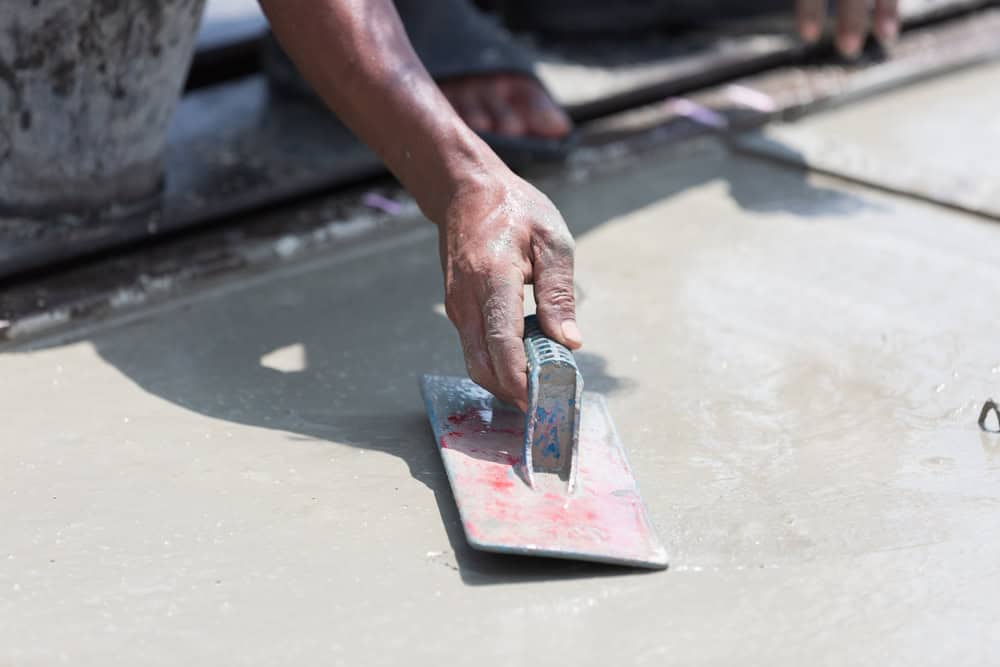
Every project starts with understanding your property’s specific drainage patterns and soil conditions. We evaluate how water moves across your space and plan accordingly—because poor drainage kills masonry work faster than anything else on Long Island.
Excavation goes 8-10 inches deep, not the 4-6 inches some contractors try to get away with. We install proper base materials, compact in lifts, and create drainage paths that direct water away from structures. Edge restraints prevent shifting that causes the “sunken driveway” look you see around Holtsville.
Installation uses techniques developed specifically for our sandy soil and moisture conditions. Every joint, every grade, every detail accounts for how Long Island weather affects masonry over time. The result is outdoor construction that performs as well in year fifteen as it does in year one.
Ready to get started?
We handle the full range of outdoor masonry construction. Paver patios and driveways built for Long Island’s freeze-thaw cycles. Retaining walls with integrated drainage systems that prevent the hydrostatic pressure buildup that destroys installations. Outdoor kitchens, fire features, and water elements designed to complement your home’s architecture.
Walkways and poolscapes receive the same attention to base preparation and drainage management. Every project considers Holtsville’s sandy soil composition, seasonal moisture patterns, and the coastal environment that affects material performance.
We source materials specifically rated for Long Island conditions—stones that resist salt exposure, pavers that handle temperature fluctuations, and mortars formulated for our climate. Your investment performs better and lasts longer when every component is selected for where you actually live, not just what looks good in a catalog.

Sandy soil drains quickly but doesn’t provide the stable base that masonry needs without proper preparation. We excavate deeper than standard—typically 8-10 inches—and install engineered base materials in compacted lifts.
The key is understanding that sandy soil moves differently than clay or loam. Water flows through it faster, but that same drainage can wash away inadequate base materials. We use specific gradations of stone and proper compaction techniques to create stability that works with sandy soil instead of fighting it.
Edge restraints become critical in sandy conditions because there’s less natural soil compaction to hold installations in place. That’s why we see so many sunken driveways and shifted walkways around Long Island—contractors who don’t adjust their methods for local soil conditions.
Effective drainage starts with understanding your property’s natural water flow and designing masonry work that enhances it rather than blocking it. We grade all installations to direct water away from foundations and create specific drainage paths.
For patios and driveways, this means incorporating permeable joint materials and proper slope calculations. Retaining walls get drainage systems installed behind the structure to prevent hydrostatic pressure buildup that causes failure. We also evaluate existing drainage patterns to ensure new installations don’t create problems elsewhere on your property.
Long Island’s annual rainfall and occasional storm surges make drainage planning essential, not optional. Poor drainage is the number one cause of masonry failure here—more than freeze-thaw damage, more than poor materials, more than inadequate base preparation.
Freeze-thaw damage happens when water penetrates masonry, freezes, expands, and creates cracks that get worse each winter. Prevention starts with proper joint materials and installation techniques that minimize water penetration.
We use joint sands and sealers specifically formulated for temperature fluctuations. Installation includes proper slope to move water off surfaces quickly and edge details that prevent water from pooling in vulnerable areas. Material selection focuses on stones and pavers with low water absorption rates.
The base preparation also matters for freeze-thaw resistance. Proper drainage prevents water from collecting under installations where it can freeze and cause heaving. When water can’t get trapped in the system, freeze-thaw cycles become much less destructive to your masonry work.
We’re licensed to work in Suffolk County, Nassau County, and various townships across Long Island. This ensures we understand local building codes, permit requirements, and installation standards specific to each municipality.
Our manufacturer certifications include Cambridge, Techo‑Bloc, Unilock, Nicolock, Eldorado, and Boral. These certifications mean we have access to the latest installation techniques, warranty programs, and materials designed specifically for coastal environments like Long Island.
Licensing and certification requirements exist to protect homeowners from substandard work. When contractors skip these requirements, they’re usually cutting other corners too—like proper base preparation, drainage planning, or using appropriate materials for local conditions.
Quality masonry installation designed for Long Island conditions should perform well for decades with minimal maintenance. The key factors are proper base preparation, appropriate drainage, and materials selected for our specific climate challenges.
Annual maintenance typically involves power washing to remove surface dirt and organic growth, plus refreshing joint sand every few years in high-traffic areas. Sealing is optional but helps maintain color and makes cleaning easier—usually needed every 3-5 years depending on exposure.
The installations that fail quickly are usually victims of poor drainage planning, inadequate base preparation, or materials not suited for coastal conditions. When masonry work is designed specifically for sandy soil, freeze-thaw cycles, and Long Island’s moisture patterns, it becomes a long-term investment that adds property value rather than creating ongoing maintenance costs.
Owner Iain Traynor remains directly involved in estimates, planning, and project execution. You’re not handed off to different crews or managed through automated systems—you work with the same people from consultation through completion.
This direct involvement means better communication, faster problem-solving, and consistent quality control. When questions arise during installation, decisions get made immediately rather than waiting for approvals through corporate hierarchies.
We also maintain consistent crews who understand our installation standards and Long Island’s specific requirements. Larger companies often use subcontractors or rotating teams who may not have the same familiarity with local conditions or commitment to quality standards. The result is more predictable outcomes and fewer surprises during your project.