

Hear from Our Customers

You’re not dealing with another contractor who learned about masonry from YouTube videos. When your East Hampton property needs masonry work that actually lasts, you need someone who understands how Long Island’s coastal conditions affect every installation.
Your new patio won’t shift when the sandy soil moves. Your retaining walls won’t crack when winter freeze-thaw cycles hit. Your outdoor kitchen will handle everything from summer salt air to winter storms without falling apart.
That’s what happens when masonry work is done right from the start. You get outdoor spaces that work the way they’re supposed to, year after year, without the headaches that come from cutting corners.
Stone Escapes has been handling masonry projects across East Hampton and Suffolk County for years. Owner Iain Traynor brings a background in carpentry and union masonry work to every project, staying involved in estimates, planning, and execution.
We’re licensed in Suffolk, Nassau, and various Long Island townships. Our certifications with Cambridge, Techo-Bloc, Unilock, Nicolock, Eldorado, and Boral mean we use materials designed to handle coastal conditions.
East Hampton properties face unique challenges. Sandy soil that shifts. Salt air that corrodes. Freeze-thaw cycles that crack inferior work. We design every installation to address these specific conditions, not ignore them.
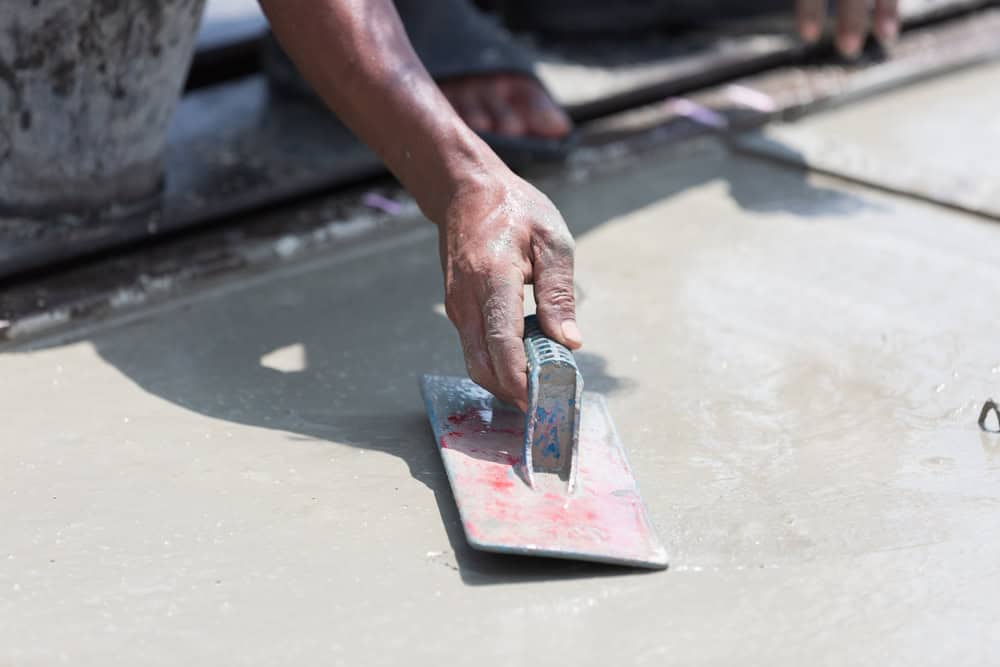
First, we assess your property’s specific conditions. East Hampton’s sandy soil and coastal location require different approaches than inland properties. We evaluate drainage patterns, soil composition, and exposure to determine the right materials and installation methods.
Next comes proper preparation. We excavate to 8-10 inches depth, install appropriate base layering, and plan drainage systems that actually work. Edge restraint installation prevents shifting that’s common in sandy coastal environments.
Finally, we build using materials rated for Long Island’s conditions. Our installations handle freeze-thaw cycles, salt air exposure, and moisture fluctuations because we choose components specifically for these challenges, not generic materials that fail after one winter.
Ready to get started?
We handle everything from paver patios and driveways to retaining walls and outdoor kitchens. Each project addresses East Hampton’s specific environmental challenges with proper foundation depth, drainage planning, and materials selected for coastal conditions.
Your installation includes permits where required, manufacturer certifications, and cleanup when we’re finished. We work around existing landscaping and mature trees common on East Hampton properties, solving problems rather than creating them.
East Hampton homeowners choose us because we understand local building codes, soil conditions, and weather patterns. Your project gets the attention it deserves from licensed contractors who’ve solved drainage issues, worked around tree roots, and matched materials to every style of home in the area.

East Hampton’s coastal location creates unique challenges that require specific solutions. The sandy soil drains well but can shift if not properly compacted, requiring deeper excavation and specialized base preparation. Salt air exposure demands materials with low water absorption and resistance to chemical damage.
Freeze-thaw cycles are particularly harsh here, with water getting into joints and expanding when it freezes. This creates tremendous pressure that can crack inferior installations. We use materials and techniques specifically designed for these conditions, including proper foundation depths of 30-36 inches to reach below the frost line.
The combination of coastal moisture, temperature swings, and sandy soil means generic masonry approaches fail quickly. Our installations are engineered for East Hampton’s specific environmental challenges, not just copied from inland projects.
Project timing depends on size and complexity, but East Hampton’s coastal climate affects scheduling more than inland areas. We avoid installation during freezing temperatures because mortar needs proper curing time without frost interference. This preparation and protection adds time but prevents failure later.
Weather windows are important here. Salt air and humidity can affect material performance, so we plan installations when conditions support proper curing and bonding. Rush jobs in poor weather conditions lead to problems that cost more to fix than doing it right initially.
Most patio installations take 3-5 days with proper weather conditions. Larger projects like retaining walls or outdoor kitchens require 1-2 weeks depending on permits, utility connections, and site conditions. We provide realistic timelines based on East Hampton’s specific requirements, not generic estimates.
Natural stone like bluestone and granite perform exceptionally well in East Hampton’s coastal environment. These materials have low water absorption rates and resist chemical damage from salt air. Quality concrete pavers from manufacturers like Cambridge and Techo-Bloc are engineered specifically for freeze-thaw climates.
We avoid materials that absorb water or lack freeze-thaw resistance. When water gets into porous materials and freezes, it expands by about 9% and creates enough pressure to crack even strong materials. Materials must handle repeated freezing and thawing without deteriorating.
The key is matching materials to specific applications. Retaining walls need different specifications than patios. Outdoor kitchens require materials that handle both weather exposure and thermal cycling from cooking equipment. We select each component based on its intended use and East Hampton’s environmental demands.
Yes, we handle all required permits and ensure compliance with East Hampton building codes and regulations. Different townships on Long Island have varying requirements, and some neighborhoods have HOA or village guidelines for aesthetics and materials.
Permit requirements depend on project scope and location. Retaining walls over certain heights, structures near property lines, and projects affecting drainage typically require permits. We know which projects need permits and file the appropriate paperwork early to avoid delays.
Local building codes in East Hampton address foundation depths, drainage requirements, and setback regulations specific to coastal areas. We’re familiar with these requirements and design projects to pass inspection on the first try. This saves time and prevents costly modifications after construction begins.
Drainage is critical for masonry projects in East Hampton due to sandy soil, coastal moisture, and storm surge considerations. We evaluate how water moves across your property and design systems that direct water away from structures, preventing pooling that can damage foundations.
Sandy soil actually drains well naturally, but this can create other challenges. Water movement can cause soil shifting and settlement if base preparation isn’t done correctly. We spend extra time on grading and base layer preparation to ensure structures remain stable as soil conditions change with seasons and weather.
Our drainage solutions include proper slope design, drain installation where needed, and permeable materials that allow water infiltration while maintaining structural integrity. East Hampton properties often deal with high water tables and seasonal fluctuations, so drainage systems must handle both everyday conditions and storm events.
Quality masonry installations require minimal maintenance when done correctly for East Hampton’s conditions. Annual cleaning removes salt residue and debris that can accumulate from coastal exposure. Occasional joint sand replacement for pavers and basic weed control keep installations looking their best.
Sealing is recommended every 2-3 years for natural stone and some concrete pavers, particularly those exposed to salt air and moisture. This protection helps maintain appearance and extends material life. Snow removal is easy with proper installations – you can use snow blowers and salt without damaging the materials.
The key is using materials and installation methods designed for Long Island’s climate from the start. Inferior work requires constant repairs and maintenance. Our installations using freeze-thaw resistant materials and proper base preparation typically need only routine cleaning and occasional sealing to maintain their appearance and performance.