

Hear from Our Customers

Your Long Island property faces unique challenges that most contractors don’t understand. Salt air, freeze-thaw cycles, sandy soil, and heavy rainfall can destroy masonry work in just a few seasons if it’s not done right.
When you work with a licensed masonry contractor who understands Commack’s specific conditions, you get outdoor spaces that improve with age instead of falling apart. Proper drainage planning prevents water damage. Quality materials resist cracking and shifting. Professional installation techniques ensure your investment stays beautiful and functional for decades.
You deserve masonry work that handles whatever Long Island weather throws at it. That means proper excavation depth, the right base materials, and construction methods specifically designed for our coastal climate.
We have been serving Commack and throughout Suffolk County with specialized masonry and outdoor construction services. Owner Iain Traynor brings union masonry experience and hands-on involvement to every project, from initial estimate through final completion.
We hold licenses in Suffolk, Nassau, and various Long Island townships, plus manufacturer certifications from Cambridge, Techo-Bloc, Unilock, Nicolock, Eldorado, and Boral. This isn’t just paperwork—it’s proof of the expertise needed to build masonry structures that thrive in Long Island’s challenging climate.
Every project we complete addresses the specific conditions Commack homeowners face: sandy soil that shifts, coastal moisture that penetrates, drainage issues that cause problems, and freeze-thaw cycles that crack inferior work. You get direct communication, consistent crews, and construction methods proven to work in our local environment.
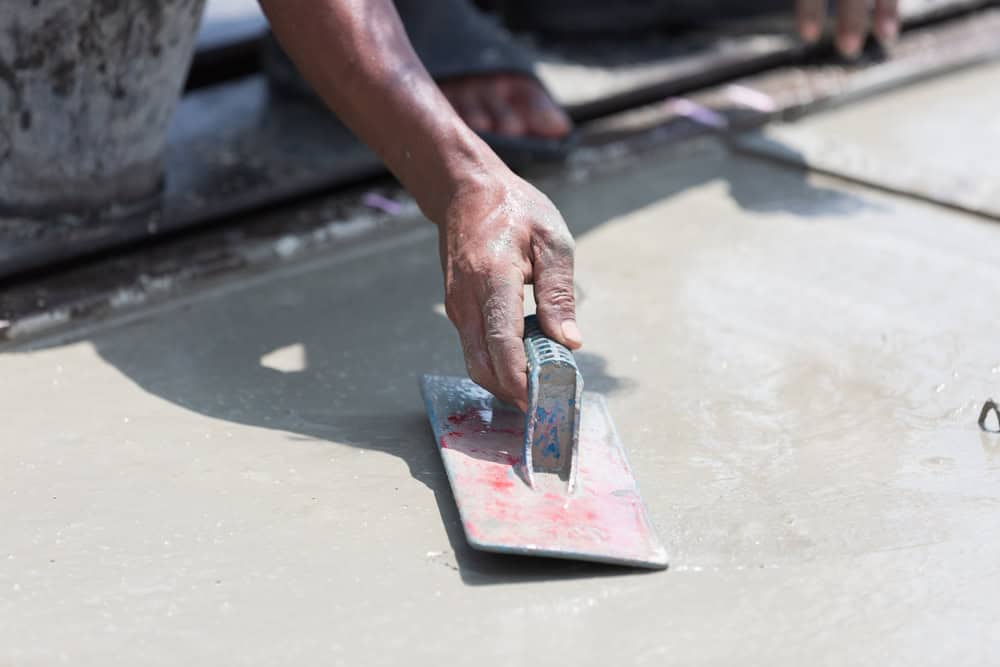
Every masonry project starts with an in-person estimate where you’ll work directly with Iain to discuss your vision, site conditions, and specific requirements. This isn’t a quick measurement—it’s a thorough evaluation of drainage patterns, soil conditions, and how your project will handle Long Island’s weather over time.
Once you approve the plan, our crew begins with proper excavation to 8-10 inches depth, which is deeper than many contractors go but necessary for Long Island conditions. Base layering comes next, using materials specifically chosen for our climate and soil types. Drainage planning happens throughout, not as an afterthought.
Installation follows manufacturer specifications and local building codes, with edge restraint systems that prevent shifting and cracking. You’ll see consistent crews throughout the project, direct oversight, and communication that keeps you informed without overwhelming you with unnecessary updates. The result is masonry work that looks great on day one and stays that way for years to come.
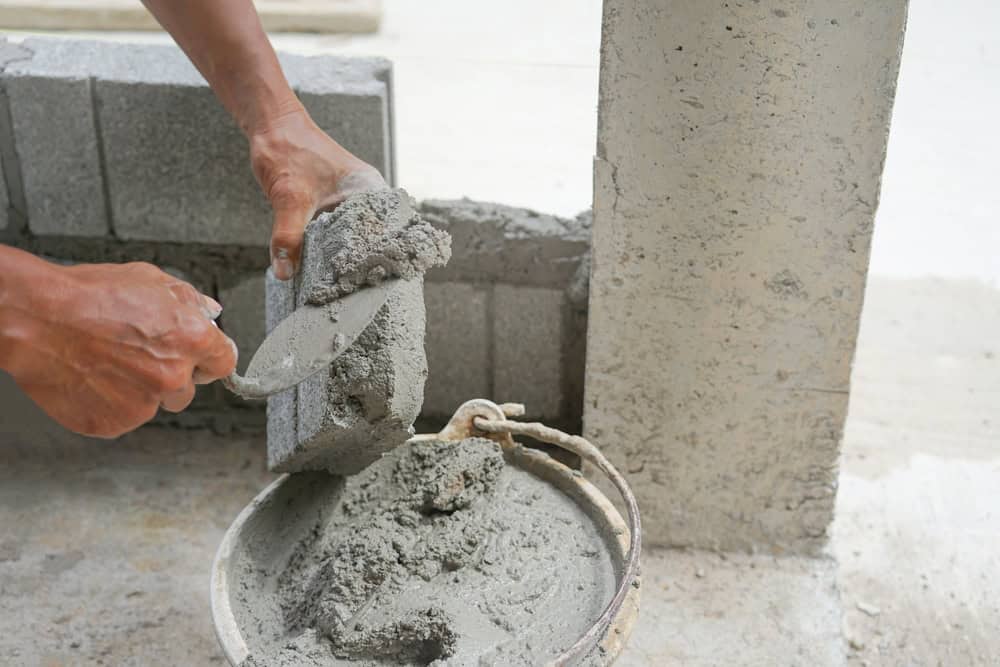
Ready to get started?
We specialize in comprehensive outdoor construction that goes beyond basic masonry. Paver patios, driveways, and walkways built with proper base preparation and drainage systems. Retaining walls designed to handle Long Island’s soil conditions and rainfall patterns. Outdoor kitchens, fire features, and water features constructed with materials that resist our coastal climate.
Poolscape installations require special attention to drainage and material selection—something many contractors overlook until problems develop. Every service we provide addresses the unique challenges Commack properties face, from sandy soil that requires specific compaction techniques to freeze-thaw cycles that destroy improperly installed work.
The difference lies in understanding that Long Island masonry isn’t the same as masonry work in other climates. Materials, techniques, and planning must account for salt air exposure, significant seasonal temperature swings, and soil conditions that change with weather patterns. You get construction methods specifically proven to work in Suffolk County, not generic approaches that might work elsewhere but fail here.

A qualified masonry contractor in Commack should hold proper licensing in Suffolk County and understand Long Island’s specific climate challenges. Look for contractors with manufacturer certifications from companies like Cambridge, Techo-Bloc, or Unilock, which indicates they’ve received training on proper installation techniques.
Local experience matters because Long Island’s freeze-thaw cycles, salt air, and sandy soil create unique challenges that contractors from other regions don’t understand. Your contractor should explain how they address drainage issues, what excavation depth they use, and why certain materials work better in our coastal climate.
Insurance and bonding are non-negotiable, but equally important is direct communication and hands-on involvement. The best masonry contractors in Commack provide in-person estimates, maintain consistent crews, and stay involved throughout your project rather than handing it off to subcontractors.
Proper excavation depth in Commack typically requires 8-10 inches, which is deeper than many contractors use but necessary for Long Island’s soil conditions and climate. Sandy soil common in our area requires more substantial base preparation to prevent settling and shifting over time.
The excavation must account for proper drainage planning, which is critical given Long Island’s annual rainfall patterns and potential for water accumulation. Base layering follows excavation, using materials specifically chosen for our soil types and climate conditions.
Many masonry failures in Commack result from inadequate excavation depth or poor base preparation. Contractors who cut corners on excavation might offer lower prices initially, but you’ll pay much more when the work fails and needs replacement. Proper excavation is an investment in long-term durability, not an unnecessary expense.
Materials for Long Island masonry must handle freeze-thaw cycles, salt air exposure, and significant moisture levels throughout the year. Granite and bluestone have proven themselves as top performers because of their low water absorption and resistance to chemical damage from coastal conditions.
Quality pavers from manufacturers like Cambridge, Techo-Bloc, and Unilock are engineered specifically for challenging climates like ours. These materials cost more than basic options, but they maintain their appearance and structural integrity despite Long Island’s weather extremes.
The key characteristics to look for are low water absorption, resistance to salt air damage, and the ability to handle repeated freeze-thaw cycles without deteriorating. Your contractor should explain why they’ve chosen specific materials for your project and how those materials address Long Island’s unique challenges rather than just selecting based on price.
Project timelines in Commack depend on size, complexity, and weather conditions, but proper masonry work can’t be rushed without compromising quality. Simple paver patios might take 3-5 days, while complex outdoor kitchens or extensive retaining walls can require several weeks.
Weather plays a significant role in scheduling, especially during Long Island’s winter months when freeze-thaw conditions make certain work impossible. Professional contractors plan around these conditions rather than pushing through and creating problems that show up later.
Quality masonry contractors provide realistic timelines upfront and communicate any delays caused by weather or unforeseen site conditions. Be wary of contractors who promise unrealistic completion dates or pressure you to start work during unsuitable weather conditions. Proper installation takes the time it takes, and rushing leads to problems that cost much more to fix than the time saved was worth.
Drainage planning is critical for any masonry project in Commack because Long Island receives up to 45 inches of annual rainfall, and our soil conditions can create water accumulation problems. Proper drainage prevents hydrostatic pressure that causes retaining wall failures and foundation damage.
Every project should include evaluation of how water moves across your property, where it naturally collects, and how the new masonry work will affect existing drainage patterns. This includes planning for weep holes in retaining walls, proper grading around patios and walkways, and edge drainage systems that direct water away from structures.
Many masonry failures in Commack result from poor drainage planning rather than material or installation problems. Water that can’t drain properly will find ways to cause damage, whether through freeze-thaw expansion, soil erosion, or hydrostatic pressure. Professional contractors address drainage as part of the initial design, not as an add-on service.
The lowest bid often indicates corners being cut on excavation depth, base preparation, material quality, or drainage planning—all critical factors for Long Island masonry success. Contractors who significantly underbid usually make up the difference by using inferior materials or skipping steps that ensure long-term durability.
Quality masonry work in Commack requires specific materials, proper excavation depth, comprehensive drainage planning, and installation techniques proven to work in our climate. These requirements have real costs that can’t be eliminated without compromising the final result.
Compare bids based on what’s included, not just the bottom line price. Look for detailed explanations of excavation depth, base preparation methods, drainage planning, material specifications, and warranty terms. The contractor who takes time to explain why certain approaches work better in Long Island’s climate often provides better long-term value than the lowest bidder who can’t explain their methods.