
Patio Pavers in East Patchogue, NY

Transform Your Backyard Into Your Favorite Room

Professional patio paver installation that creates the outdoor space you’ll actually want to use every day.

Worker using a yellow plate compactor on soil next to newly laid gray stone tiles. The setup shows the process of flooring with tiles on one side and compacted earth on the other. Worker visible from the waist down.

Hear from Our Customers

A person wearing yellow gloves is placing a gray paver on a partially completed paved area. Nearby are additional pavers, a black and yellow rubber mallet, and an orange tape measure. Sand is visible next to the paved section.

Professional Paver Installation Services

What You Get With Quality Paver Work

Your new paver patio becomes the space where everything happens. Morning coffee, weekend barbecues, quiet evenings after work. It’s not just about having a nice-looking backyard – it’s about having a space that works for your life.

Quality paver installation means no more dealing with cracked concrete or uneven surfaces. No more water pooling after rain or worrying about slippery spots when it’s wet. You get a surface that stays level, drains properly, and looks great year after year.

The right paver patio also adds real value to your property. Not the kind of improvement that costs money without giving anything back, but the kind that buyers notice and are willing to pay for. It’s an investment that you enjoy while you live there and benefit from if you ever sell.

East Patchogue Paver Contractors

We Know Long Island Paving

Stone Escapes Masonry & Outdoor Design Inc has been handling paver installations across Long Island for years. We understand what works in this area – the soil conditions, the weather patterns, the local codes that matter for your project.

Most of our work comes from referrals because we show up when we say we will and finish jobs the way they’re supposed to be done. No disappearing acts, no cutting corners, no surprises with the final bill.

We’re licensed, insured, and based right here in the community. When you call, you’re talking to people who know East Patchogue and understand what homeowners here are dealing with when it comes to outdoor spaces.
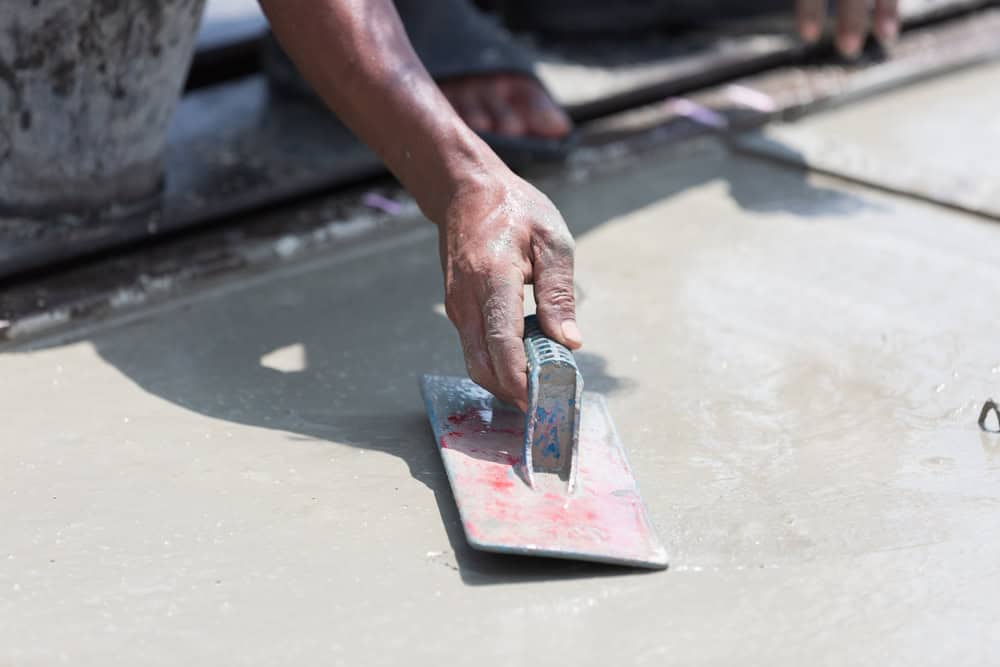
A person smoothing wet cement with a trowel. Their hand is steady as they work on the surface. The setting appears to be outdoors on a construction site.

Patio Paving Process

Here's How Your Paver Project Works

We start with a site visit to look at your space and talk through what you want. No high-pressure sales pitch – just a conversation about your goals, your timeline, and what’s realistic for your property.

Next comes the prep work, which is where most companies either get it right or mess up the whole project. We excavate to the proper depth, install the right base materials, and make sure drainage is handled correctly. This foundation work determines whether your pavers will still look great in ten years or start shifting and settling.

Then we install your pavers according to the pattern and layout we agreed on. We take time with the details – proper edge restraints, consistent spacing, clean cuts around obstacles. After everything is in place, we sweep in joint sand and compact the surface so your new patio is ready to use immediately.

A worker in a gray shirt and cap kneels on a partially paved surface, carefully placing a brick into an arrangement. A trowel and a leveling tool lie on the sand beside him, and a rubber mallet is nearby.

Ready to get started?

Explore More Services

About Stone Escapes Masonry & Outdoor Design

Get a Free Consultation

Paver Patio Installation Details

What's Included In Your Installation

Every paver patio installation includes proper excavation and base preparation. This isn’t optional or an add-on – it’s the foundation that keeps your pavers level and prevents settling. We use the right materials and follow proper compaction procedures because shortcuts here cause problems later.

You also get professional-grade edge restraints and proper drainage planning. Water management is crucial on Long Island, and we make sure your new patio directs water away from your home and doesn’t create pooling issues in your yard.

We handle all the details that matter for long-term performance. Quality joint sand, proper spacing, clean cuts, and final compaction. Your patio is ready to use as soon as we’re done – no waiting for concrete to cure or wondering when you can put furniture on it. Just a finished outdoor space that’s built to last.

A pattern of interlocking gray concrete pavers, neatly arranged. Some pavers are stacked in piles of various heights, creating a visual texture. The blocks vary in size and shape, forming a symmetrical and geometric design.

How long do paver patios last compared to concrete?

A properly installed paver patio typically lasts 25-30 years or more, compared to 15-20 years for concrete. The key difference is how they handle Long Island’s freeze-thaw cycles. Concrete cracks when water gets in and freezes, but pavers have joints that allow for natural movement. If a paver does get damaged, you can replace individual pieces instead of tearing out the whole patio. The initial investment is higher than concrete, but the longevity and repairability make pavers more cost-effective over time.
The difference is in the foundation work you can’t see. Cheap installations skip proper excavation depth, use inadequate base materials, or don’t compact properly. This leads to settling, shifting, and uneven surfaces within a few years. Quality installation means excavating to the right depth (usually 8-10 inches total), using proper base stone, and compacting in lifts. We also install edge restraints that actually hold the pavers in place long-term. The visible work might look similar at first, but quality installation stays level and stable for decades.
Proper drainage starts with the base preparation and slope planning. We grade the base so water flows away from your house and doesn’t pool on the patio surface. Pavers naturally allow some water to infiltrate through the joints, but we also plan for surface drainage with proper slope – typically about 1/4 inch per foot. If your property has specific drainage challenges, we can incorporate drainage systems into the base or direct water to appropriate areas. Poor drainage is one of the main causes of paver failure, so we address it from the beginning.
Yes, quality pavers are actually better for Long Island winters than concrete. Concrete pavers are designed to handle freeze-thaw cycles without cracking, and the joints between pavers allow for natural expansion and contraction. For salt exposure, we recommend sealing pavers if you use a lot of ice melt, but it’s not always necessary. The key is choosing pavers rated for your climate and installing them with proper drainage so water doesn’t sit and freeze. We’ve seen paver patios that are 15+ years old and still look great despite harsh winters.
Paver patios typically cost more upfront than concrete but less than natural stone. For a standard patio in East Patchogue, expect to invest more than basic concrete but get significantly better longevity and appearance. The exact cost depends on the size, paver style, site conditions, and any special features. We provide detailed estimates that break down materials and labor so you know exactly what you’re paying for. When you factor in the longer lifespan and lower maintenance, pavers often cost less per year than cheaper alternatives that need replacement sooner.
Most paver patios take 3-5 days to complete, depending on size and complexity. Day one is usually excavation and base prep. Day two involves base installation and compaction. Days three and four cover paver installation and finishing work. Weather can affect the timeline, especially if we get heavy rain during excavation. We’ll give you a realistic schedule upfront and keep you updated if anything changes. The advantage of pavers is that your patio is ready to use immediately when we’re done – no waiting period like you’d have with concrete.